
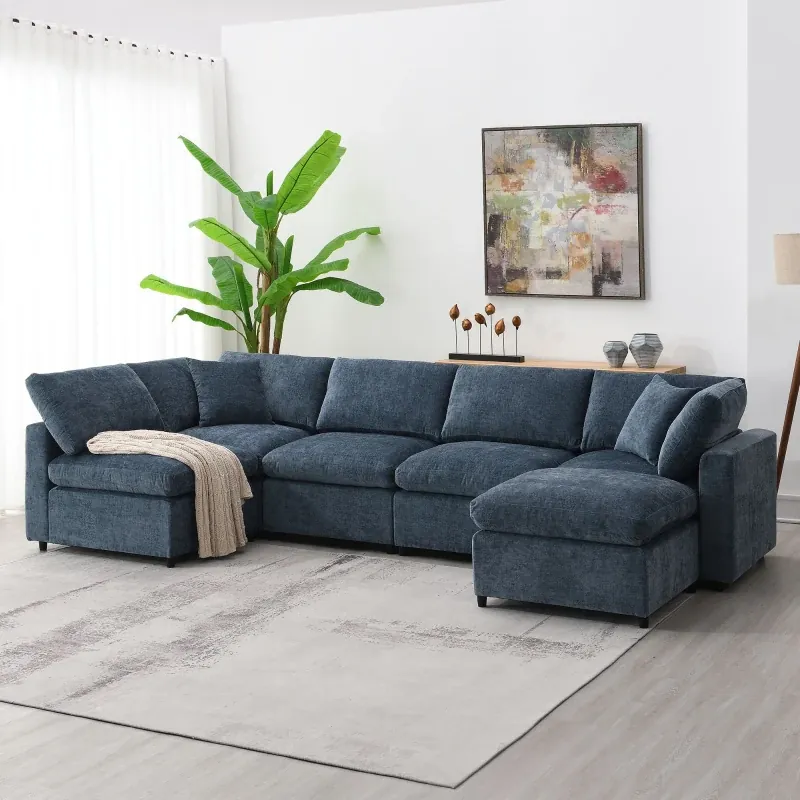
A modular sectional sofa is the option that provides the most flexibility for a living room. This choice allows you to rearrange pieces based on the size of your space, provided you measure your floor area before you buy to ensure a proper fit.
Selecting the best sofa for your living room
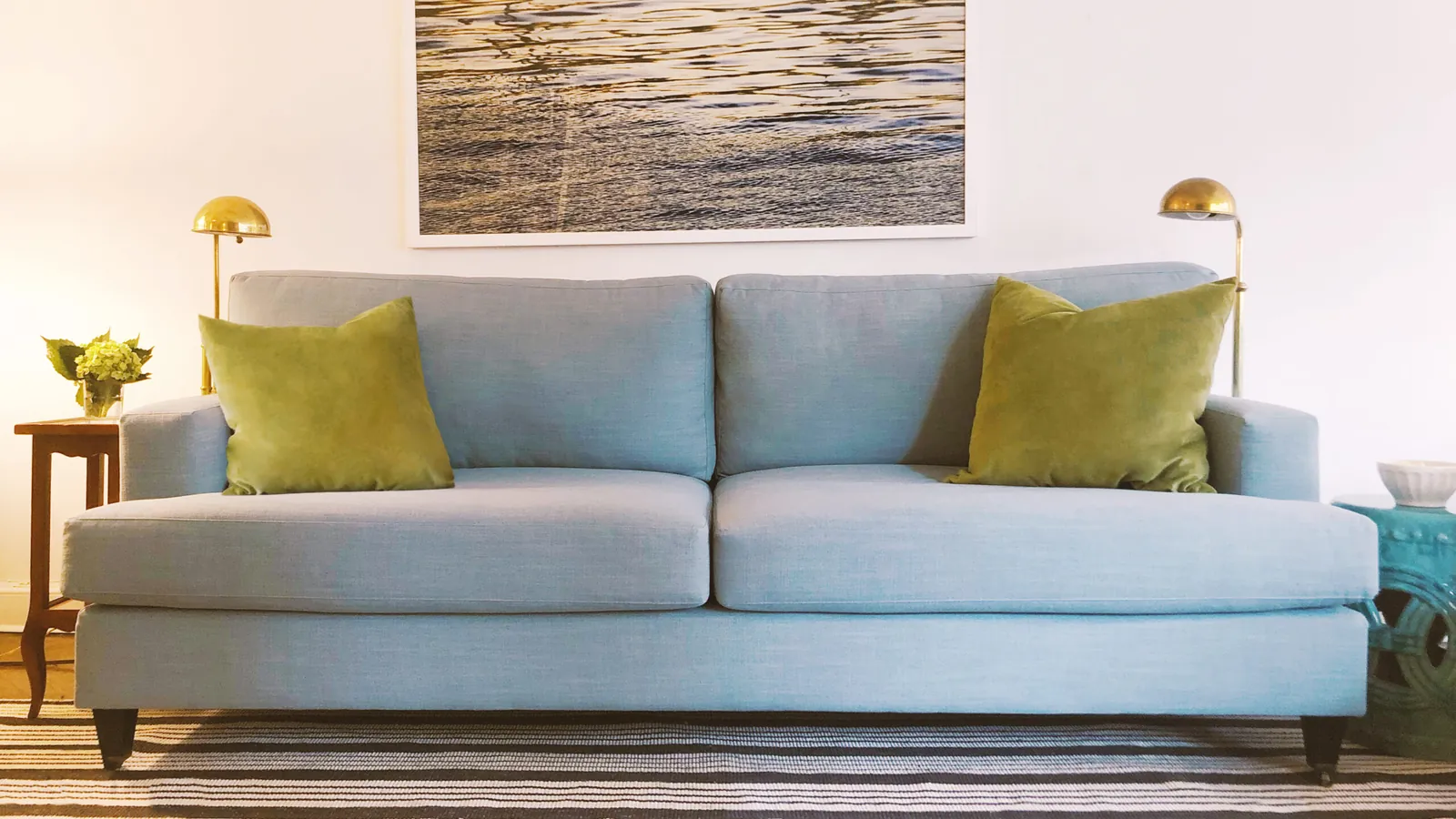
- Sectional sofas: Best for large families or open-plan rooms where you need to fill space and create a cozy seating area.
- Loveseats: Ideal for small apartments or as a secondary seating piece in a room that already has a main sofa.
- Chesterfield sofas: A classic choice for formal living rooms, featuring rolled arms and deep button tufting for a traditional, sturdy look.
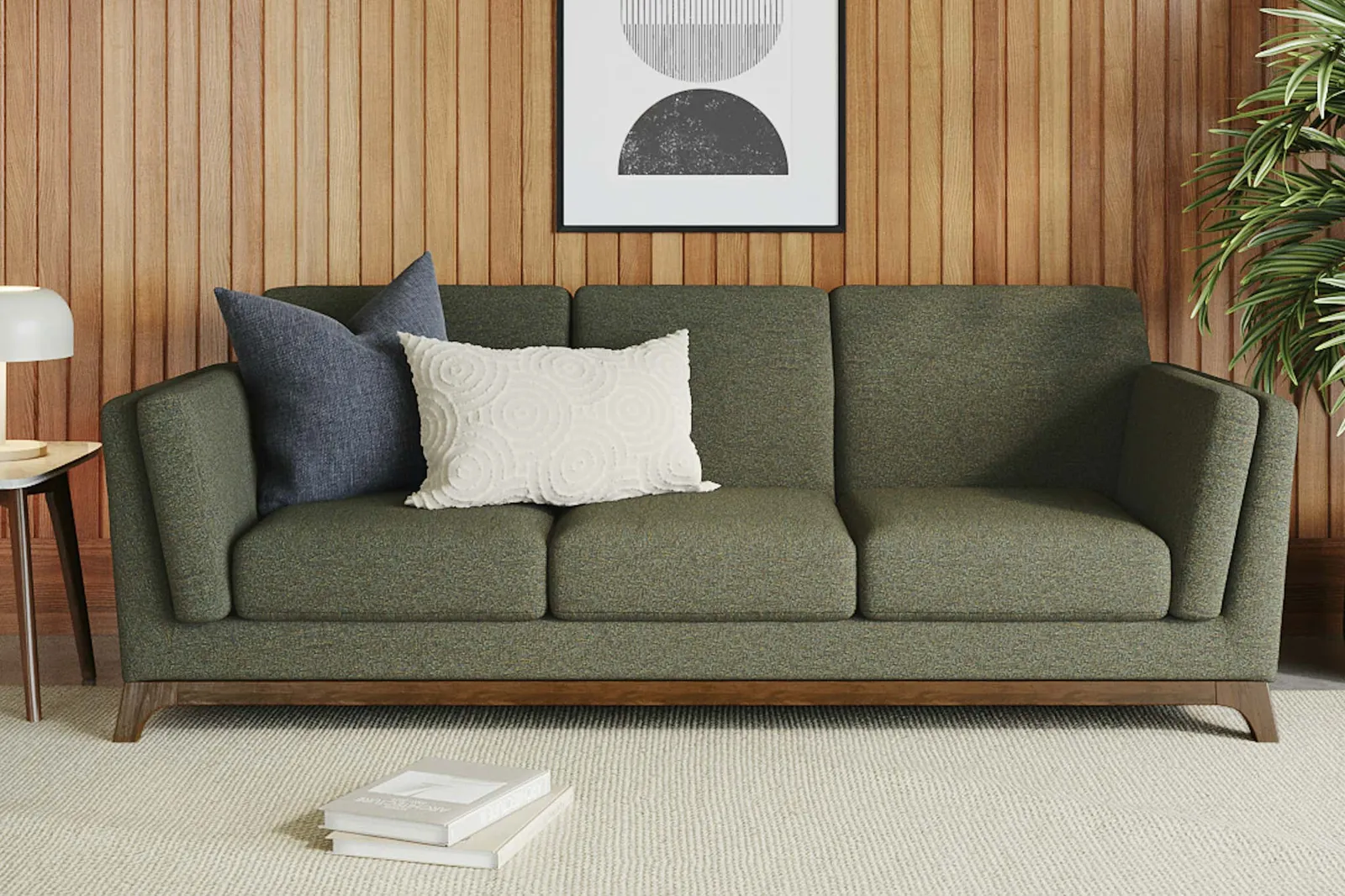
- Mid-century modern sofas: Great for minimalist spaces, these offer clean lines and tapered wooden legs without taking up too much visual weight.
- Sleeper sofas: The best pick for homes that lack a guest bedroom, as they convert from a couch to a bed for overnight visitors.
- Tuxedo sofas: Perfect for modern, structured interiors, these feature arms that are the same height as the back for a crisp, geometric silhouette.
Why modular designs offer the most value
The primary reason modular furniture works well is its ability to adapt to changing floor plans. Unlike a fixed-frame couch, a modular unit consists of separate pieces that you can detach and move independently. This is a massive benefit if you move to a new home or simply want to change the flow of your room.
If you have a square room, you can arrange the pieces into a large U-shape; if you have a long, narrow space, you can line them up into a single long row.
Always check the frame material before you commit to a purchase. Hardwood frames generally last longer than particleboard, but they also carry a higher price tag. If you prefer a budget-friendly option, look for reinforced plywood, but avoid cheap composite materials that may crack under heavy daily use.
When the standard choice isn’t enough
| Situation | What changes | What to do instead |
|---|---|---|
| Very small space | Footprint is too large | Choose a compact loveseat |
| Frequent guests | Needs sleeping area | Use a pull-out sleeper |
| Pet owners | Fabric durability | Select performance microfiber |
| High-traffic home | Maintenance needs | Pick removable, washable covers |
| Formal aesthetic | Style requirements | Opt for a tuxedo sofa |
How to measure and place your sofa
- Measure the length and depth of your intended wall space using a steel tape measure to ensure the piece fits comfortably.
- Clear a path at least 30 inches wide around the sofa so that people can walk through the room without bumping into furniture.
- Place the sofa at least 12 to 18 inches away from your coffee table to provide enough legroom for people to sit down.
- Check the doorway width in your home; if your door is under 30 inches wide, you must choose a sofa with removable legs or arms.
- Position the sofa so it faces the main focal point of the room, such as a fireplace, a large window, or a television set.
- Test the seat height; a standard height is 17 to 20 inches, which is comfortable for most adults to sit and stand easily.
The mistakes that ruin your purchase
- Buying a sofa based only on how it looks, which often leads to poor back support during long periods of sitting.
- Ignoring the seat depth, which can make the couch feel too shallow for tall people or too deep for shorter individuals.
- Selecting a light-colored fabric in a busy household, as it shows stains and dirt much faster than darker or patterned textiles.
- Forgetting to account for the clearance of swing doors or cabinets, which can prevent you from opening them fully once the sofa is placed.
Frequently asked questions
How do I know if a sofa is high quality?
A high-quality sofa will have a solid hardwood frame and joinery that uses dowels or corner blocks rather than just staples. You can check the quality by gently lifting one front corner; if the frame twists or feels flimsy, it’s likely not built for long-term use.
How much space should be between the sofa and the wall?
A gap of 2 to 3 inches is usually enough to prevent the back of the sofa from scuffing your paint or wallpaper. If you have a radiator or a baseboard heater behind the sofa, you should increase this gap to at least 6 inches for safety.
What is the most durable fabric for a sofa?
Performance microfiber is the most durable choice because it resists stains, scratches, and fading better than natural fibers like cotton or linen. If you have pets, look for tightly woven synthetic fabrics that don’t snag easily when claws catch on the surface.
Can I fit a large sofa in a small room?
You can fit a large sofa in a small room if you choose a model with low arms and exposed legs to create an airy feeling. Avoid bulky, overstuffed designs with skirted bottoms, as these take up more visual space and make a small room feel crowded.
How long should a good sofa last?
A well-made sofa with a hardwood frame and high-density foam cushions can provide many years of service. The actual lifespan depends on how often you rotate the cushions and whether you keep the fabric clean and away from direct, harsh sunlight.
Does the sofa color matter for room size?
Light colors make a room appear larger by reflecting light and blending into the walls. While dark colors create a cozy, intimate atmosphere, they can make a small living room feel cramped and enclosed.
Conclusion
Choosing the right seating shouldn’t feel like a chore. Once you’ve picked a style that fits your lifestyle, you’ll finally have a cozy spot to relax after a long day. Why not visit a local showroom this weekend to test out a few cushions? You’ll see how much better your home feels.
Related guides