
The piece of furniture you’re looking at is known as an accent chair if it serves as a decorative, single-seat addition to a room. People often use this term for any chair that stands out from a main sofa or dining set.
What is your chair called
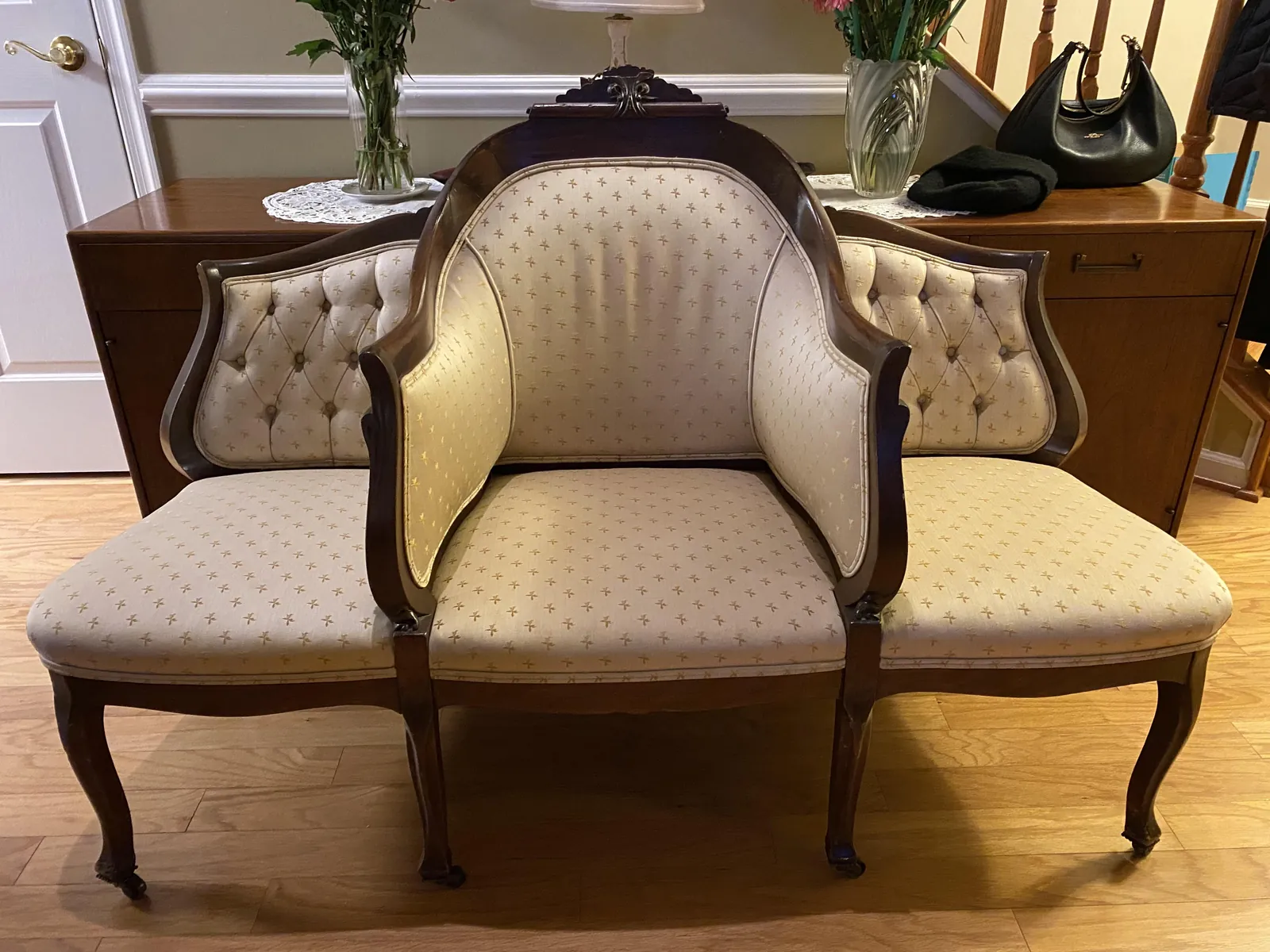
You can identify a chair by looking at its frame, back height, and padding. These traits tell you if it’s for formal sitting, relaxing, or just decoration.
- Armchair: Features solid sides for arm support and is usually fully upholstered.
- Side chair: A small, armless chair often placed against a wall or in a hallway.
- Club chair: A deep, wide, and low-slung seat usually covered in thick leather.
- Wingback chair: Defined by its high back and “wings” that extend from the sides.
- Slipper chair: An armless, low-profile chair designed for bedrooms or dressing areas.
- Barrel chair: Shaped like a curved barrel with a rounded backrest that wraps around.
Why chairs have different names
The language used for furniture comes from the history of design and the specific function the piece serves in a home. A chair name is rarely random; it usually describes the shape of the frame or the era it was inspired by. For example, a chair with a high back and side panels is called a wingback because those panels were originally designed to protect the sitter from drafts in cold rooms.
Designers use these names to help buyers understand the scale and intended use of the item. This is the best way to confirm the design intent behind a specific frame. Understanding these labels helps you match the right piece to your space without guessing about its style or its comfort level.
When labels change
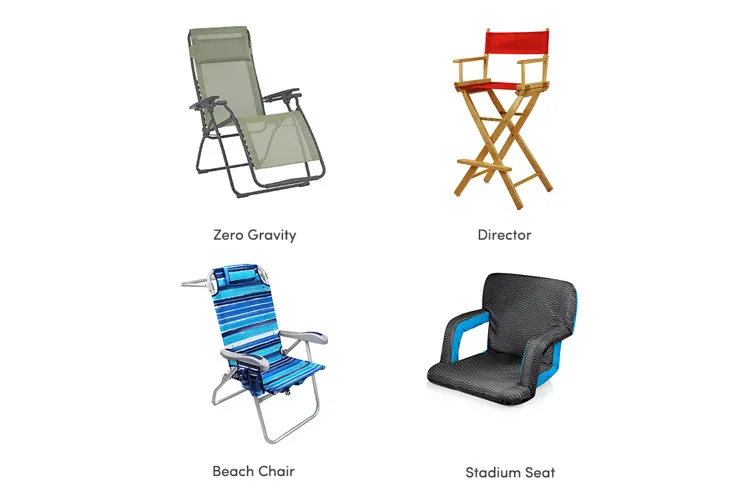
Sometimes a chair doesn’t fit one clear category because modern designs blend different historical styles together into new shapes.
| Situation | What changes | What to do instead |
|---|---|---|
| No armrests | It’s a side chair | Search for accent seating |
| Very low seat | It’s a lounge chair | Measure your table height |
| Hard wood seat | It’s a dining chair | Add a chair cushion |
| Reclining back | It’s a recliner | Check the floor space |
| Swivel base | It’s a task chair | Look for office furniture |
How to name your chair correctly
- Check if the chair has arms, as this immediately separates an armchair from a side chair.
- Measure the height of the backrest from the seat to the top to see if it qualifies as a high-back or low-profile chair.
- Look at the legs to see if they’re tapered, cabriole, or straight, which often hints at the furniture style like Mid-Century or Queen Anne.
- Feel the upholstery to see if it’s meant for daily heavy use or light decorative duty in a spare room.
- Search for a manufacturer tag under the seat or on the frame to find the specific model name or collection.
- Compare your chair to photos of common styles to see which shape matches your frame most closely.
Common mistakes in naming
- Calling every small chair a “side chair” when it might be a formal slipper chair.
- Mistaking a recliner for a standard club chair, which can lead to buying the wrong covers.
- Ignoring the scale of the piece, as a small chair in a large room looks like a toy.
- Confusing a dining chair with an office chair, which can cause back pain during long hours.
Frequently asked questions
Can I call any chair an accent chair?
Yes, you can use this term for any chair that provides a color or style contrast to your main furniture. It’s a broad category that covers almost any standalone seat chosen for its looks rather than its primary function.
How long should a dining chair last?
A high-quality dining chair typically lasts for a significant duration if the frame is made of solid wood or metal.
Is it safe to use a slipper chair for work?
No, it isn’t safe or comfortable to use a slipper chair for long work hours because it lacks back support and ergonomic features. Use a dedicated task chair with adjustable height to keep your posture neutral and prevent muscle strain.
What happens if I buy the wrong style?
You might find the piece doesn’t fit the flow of your room or fails to provide the comfort you need. If a chair is too large for your space, it will block traffic, while a chair that’s too small will look lost.
Does it matter what the chair is called?
It matters because the name tells you how the chair was built and where it belongs in a home. Using the right name helps you find matching pieces, replacement parts, or the correct cleaning products for the specific fabric and frame.
How many people should a chair fit?
A standard accent or dining chair is designed for exactly one person, usually supporting between 250 and 300 pounds. Always check the weight limit provided by the maker on the bottom of the seat before you sit down.
Conclusion
The most important step in naming your furniture is to look at the frame shape rather than the fabric color. Styles change with trends, but the basic structure of the chair remains the most reliable way to identify exactly what you have in your home.