
A sofa is a single, fixed seating unit, while a sectional consists of multiple independent pieces that you connect to form a larger, custom shape. Understanding the differences between these two types of furniture helps you fit your pieces to your room’s layout.
Key differences between a sofa and sectional

Choosing between these two styles depends on how you use your living space and how often you rearrange your furniture. A sofa is usually better for smaller rooms, while a sectional offers more seating for large gatherings.
| Method | How long | Effort | Cost | Best for |
|---|---|---|---|---|
| Standard Sofa | Low | Low | Medium | Small rooms |
| Modular Sectional | Medium | High | High | Large families |
| Fixed Sectional | Medium | Medium | Medium | Corner spaces |
The effort level changes based on the number of pieces; for a large modular piece, allow about twice as long to assemble as a standard sofa.
Using a standard sofa
A standard sofa comes as one solid piece of furniture, usually designed for two to four people. You simply place it against a wall or in the center of the room.
- Measure your wall length and ensure you have at least 18 inches of walking space around the edges.
- Check that the sofa fits through your doorway by measuring the narrowest point of your entry path.
- Position the sofa on a level floor to prevent the frame from twisting over time.
- Add throw pillows or a blanket to adjust the comfort level to your preference.
This style is excellent for formal living rooms and small apartments where space is limited. One weakness is that you can’t change its shape if you move to a new home.
Selecting a modular sectional
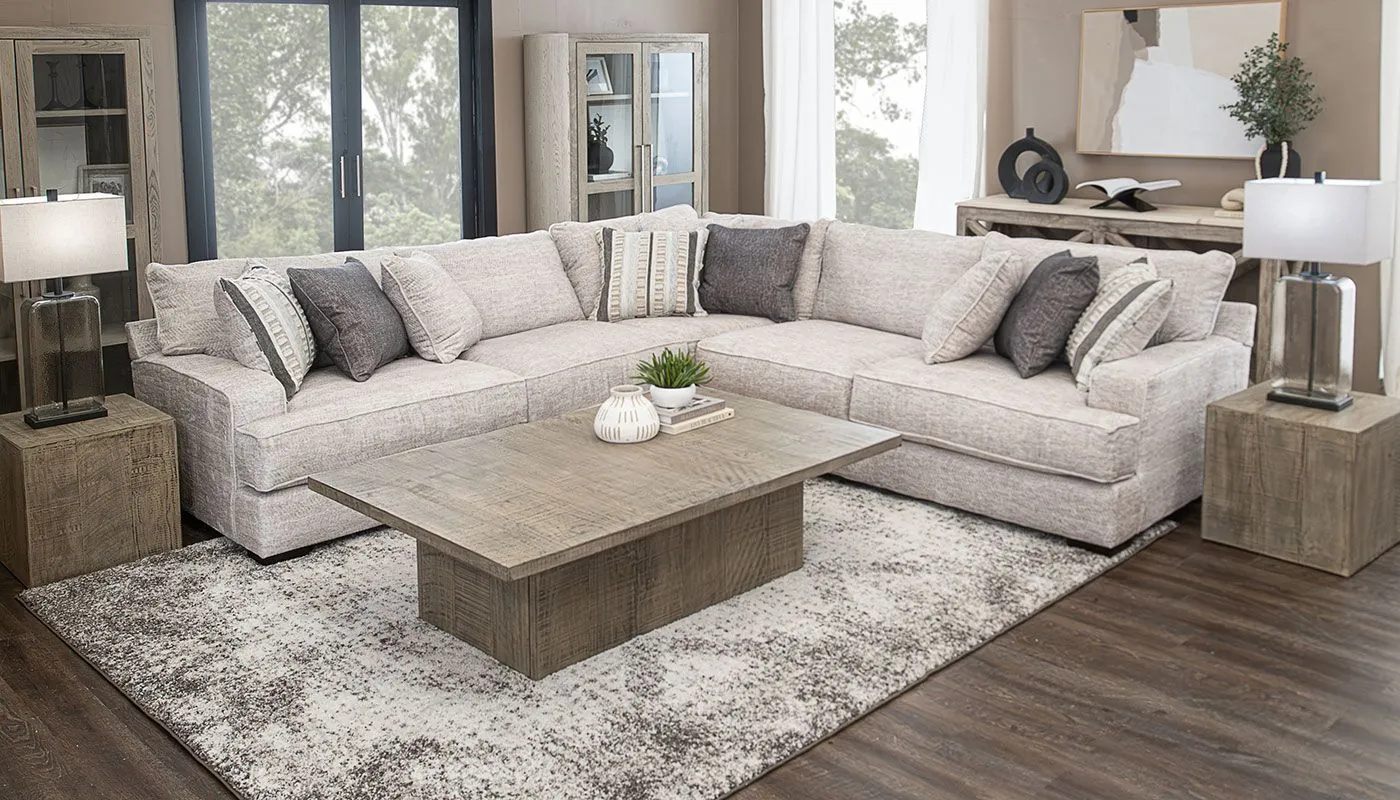
A modular sectional is a collection of individual seats, corners, and ottomans that you lock together. This flexibility allows you to expand or shrink the footprint of your seating area as needed.
- Identify the primary corner of your room where the main L-shape will sit.
- Connect the base frames using the provided metal brackets or clips.
- Attach the back cushions and arms according to the manufacturer’s manual.
- Test the stability of the connections by pushing firmly on the center of the unit.
Modular designs are great for growing families who need extra space for movie nights. A major limit is the weight of the individual pieces; for a heavy frame, you’ll need two people to move it safely.
Working with fixed sectionals
Fixed sectionals arrive in two or three large sections that are permanently joined at the factory. They offer a more stable feel than modular versions because they lack gaps between the seats.
- Verify that your floor plan accommodates the specific L-shape or U-shape orientation.
- Align the two main halves of the sectional carefully before tightening the internal bolts.
- Ensure the feet of the sectional sit flush on your rug to prevent sliding.
These are ideal for open-concept homes where you want a clean, finished look. However, they’re difficult to transport through narrow hallways or tight staircases.
Choosing the right furniture for your home
When you’re in a hurry, a standard sofa is the best choice because it arrives ready to use. If you’re doing this for the first time, a sofa is also easier to manage because it has no complex assembly. When you want the best possible result whatever it takes, a custom modular sectional wins because it can adapt to any room shape.
The trade-off is between the simplicity of a single, fixed unit and the high effort required to configure a multi-piece system. If you choose a sectional, remember that the room’s doorways determine the maximum size of the pieces you can actually move inside.
Rules for all furniture types

Check the manufacturer’s weight limit for each seat, as exceeding this capacity can damage the suspension system. Before you finalize your purchase, test the seat depth to ensure it supports your back comfortably while your feet touch the floor. If you’re dealing with heavy items, don’t attempt to move them alone, as this poses a risk of muscle strain or floor damage. Always confirm the return policy before ordering, as custom configurations often come with restocking fees.
Frequently asked questions
Can I change the side of a sectional?
You can only change the side if you purchase a modular sectional or one with a reversible chaise. Fixed sectionals are manufactured for one specific layout, and attempting to force a change will damage the frame’s structural integrity.
How long does a sectional last?
A high-quality sectional typically lasts for a significant period, depending on the frequency of use and the quality of the frame. You can check the expected lifespan in the product documentation provided by the manufacturer at the time of purchase.
Is it safe to move a sectional alone?
No, it isn’t safe to move a sectional alone because the uneven weight distribution can cause the frame to twist or snap. Always use two people to lift and position large furniture pieces to prevent injury and damage.
What happens if the sectional is too big?
If the sectional is too big, you’ll block traffic paths and make the room feel cluttered. Before you buy, use painter’s tape to mark the exact footprint on your floor to see how much space remains for walking.
How much space do I need for a sofa?
You need at least 30 inches of clearance in front of the sofa for legroom and walking. If you have a coffee table, aim for 18 inches of space between the table edge and the sofa cushion.
Why is a sectional more expensive?
A sectional is more expensive because it uses more materials and requires more complex hardware to connect the individual units. The price reflects the cost of the extra fabric, wood, and metal components needed for a larger assembly.
Conclusion
Choosing between these options really comes down to your personal comfort and how you plan to use your space. Once you’ve measured your floor plan, head to a local showroom to test a few models in person. You’ll find it’s much easier to pick the perfect fit when you’ve sat on them.