
A piece of furniture without side supports is commonly known as a slipper chair, though you might also hear it called a side chair or an armless accent chair depending on its specific design. These pieces are popular for small spaces because they lack the bulk of traditional armrests.
Choosing the right seat depends on your available floor space and how you plan to use the item. If you need something for a bedroom, a slipper chair is usually the best fit; if you need extra seating for a formal dining room, look for a side chair. The most common mistake is buying one based only on looks without measuring the seat height. A seat that’s too low for your table or desk will make it uncomfortable to use for more than a few minutes.
What to call your armless chair
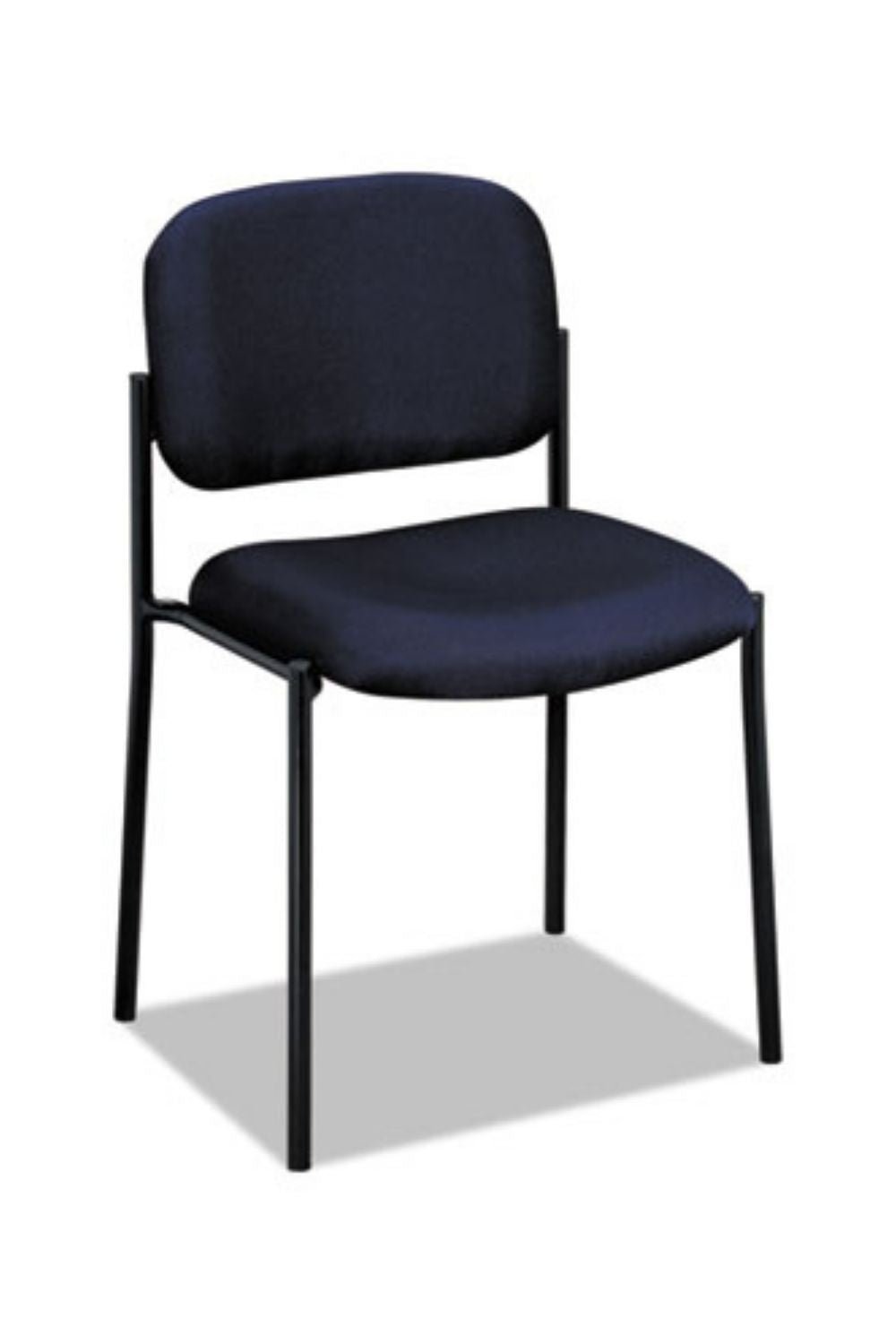
- Measure the height of your table or existing furniture to ensure the seat matches up. Standard dining seat heights are 18 inches from the floor, while lounge chairs often sit lower at 15 to 16 inches.
- Check the depth of the seat if you’re short on space. A chair with a seat depth under 20 inches saves floor room in tight hallways or small apartments.
- Verify the weight capacity listed by the manufacturer.
- Test the frame by lifting one corner of the chair. A high-quality piece should feel sturdy and heavy, whereas a cheap frame will often wobble or creak when you shift your weight.
Tip: Avoid placing these chairs in high-traffic areas if they have light-colored fabric, as the lack of arms encourages people to grab the fabric edges to pull themselves up, which leads to faster wear.
Time requirements for choosing and assembly
The time spent depends on whether you’re buying a pre-assembled floor model or a flat-pack version that requires building.
| Situation | Time needed | What changes it | What to watch for |
|---|---|---|---|
| Buying pre-assembled | 15 minutes | Inventory availability | Scratches on the legs |
| Assembling flat-pack | 45–60 minutes | Number of bolts/screws | Missing hardware kits |
| Custom upholstery | 4–8 weeks | Fabric sourcing | Foam density choices |
If assembly takes longer than 60 minutes, you likely have a misaligned bolt; stop immediately to avoid stripping the threads in the wood.
Signs of a quality build
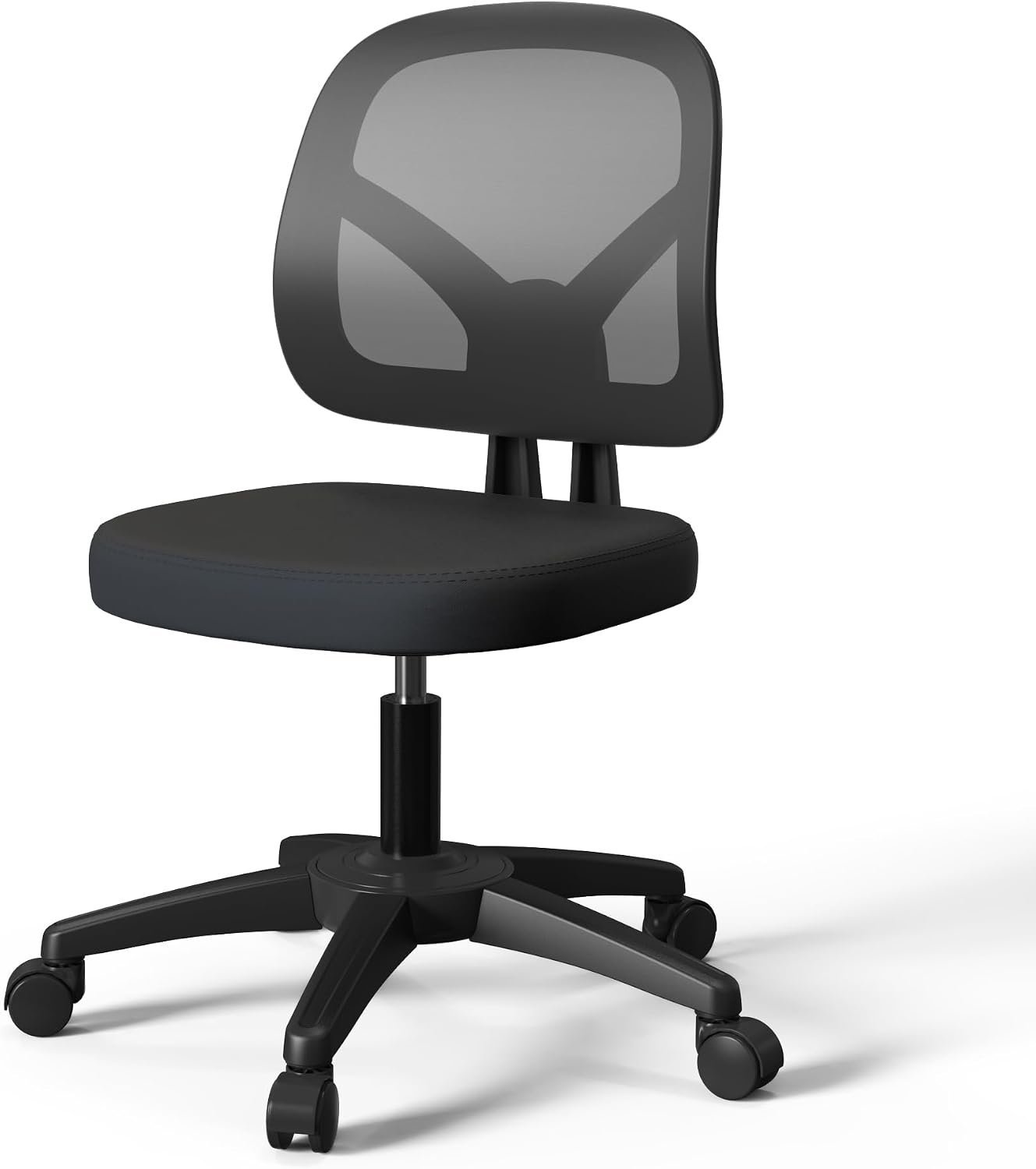
A well-made piece will feel solid and sit perfectly level on a flat floor. If the chair rocks back and forth, the legs are uneven or the frame is warped. You should also check the upholstery seams; they must be straight and tight without any loose threads. If you’re unsure about the wood quality, press your thumb firmly into the frame to see if it leaves a dent. Hardwood frames, such as oak or maple, won’t give under pressure, while soft pine or particle board may show signs of weakness.
Common mistakes to avoid
- Ignoring seat height: Choosing a chair that’s too low for your desk forces you to hunch over, which causes back pain. Always measure your table height first and subtract 10 inches to find your ideal seat height.
- Overlooking fabric durability: Picking a delicate silk or velvet for a high-traffic area ensures the chair will look worn within months. Choose performance fabrics or tight-weave cotton if the chair will be used daily.
- Ignoring floor protection: Putting a heavy chair directly onto hardwood floors without pads causes deep scratches. Always apply felt glides to the bottom of the legs to prevent permanent damage to your flooring.
Frequently asked questions
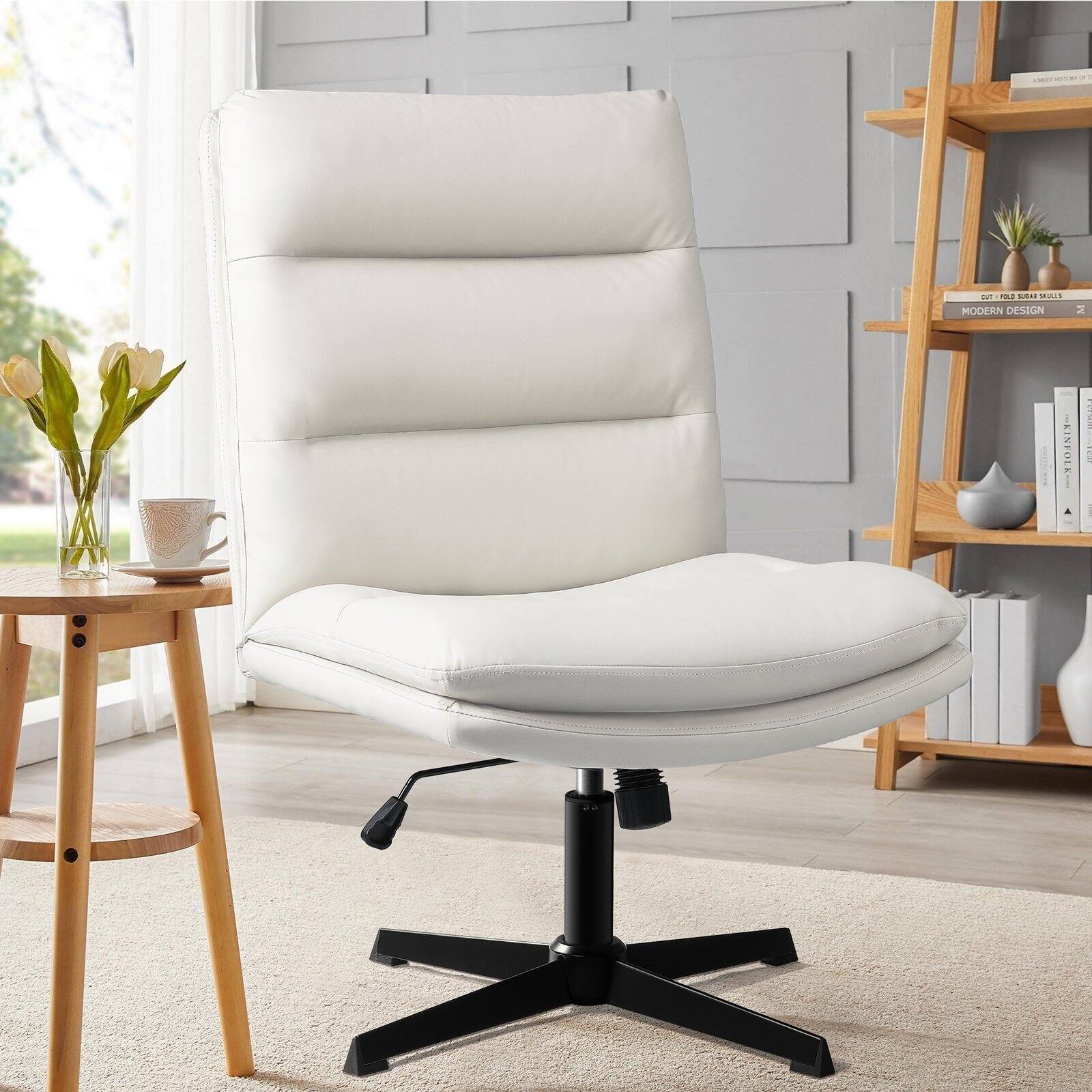
Can I use an armless chair as a dining chair?
Yes, you can use these as dining chairs if the seat height is approximately 18 inches from the floor. This height allows your legs to fit comfortably under a standard dining table. Check your specific table height first, as some modern designs are lower or higher than the industry standard.
Why are armless chairs better for small rooms?
They’re better for small rooms because they have a smaller visual footprint and occupy less total width than chairs with arms. This allows you to tuck them closer together or push them entirely under a table, which clears up valuable floor space when the furniture isn’t in use.
How much weight can an armless chair hold?
Most residential chairs are designed to hold 250 pounds, but you must check the specific product manual for the exact limit. If you need a chair for heavy-duty use, look for models labeled as commercial-grade, which are tested to withstand higher weight capacities over long periods of time.
Is it safe to use an armless chair for a desk?
It’s safe to use these for a desk if you don’t require back support for long work sessions. Because they lack armrests, you can’t rest your elbows while typing, which may lead to shoulder fatigue. If you work for more than one hour, consider adding a lumbar pillow.
What happens if I assemble it incorrectly?
If you assemble the frame incorrectly, the chair will become unstable and may collapse under weight. If you notice any wobbling after you finish tightening the bolts, don’t use the chair. Loosen all connections, ensure the frame pieces are square, and tighten them again in a cross pattern.
How do I clean an armless chair?
You should vacuum the seat and back weekly to prevent dust from settling into the fabric fibers. For spills, blot the area immediately with a clean, dry cloth; don’t rub, as rubbing pushes the liquid deeper into the padding. Check the manufacturer’s tag for specific cleaning codes like “S” or “W.”
Conclusion
The most important factor is the intended use; a chair for lounging needs deep, soft padding, while a chair for dining requires a firmer seat and the correct height to keep your posture upright. Always check the manufacturer’s specifications before you commit to a purchase to ensure the dimensions and weight limits match your needs.