
A decent office chair usually lasts for a significant period, though the lifespan of a swivel chair depends heavily on the daily hours of use and the quality of the internal gas cylinder.
How long your swivel chair lasts by usage
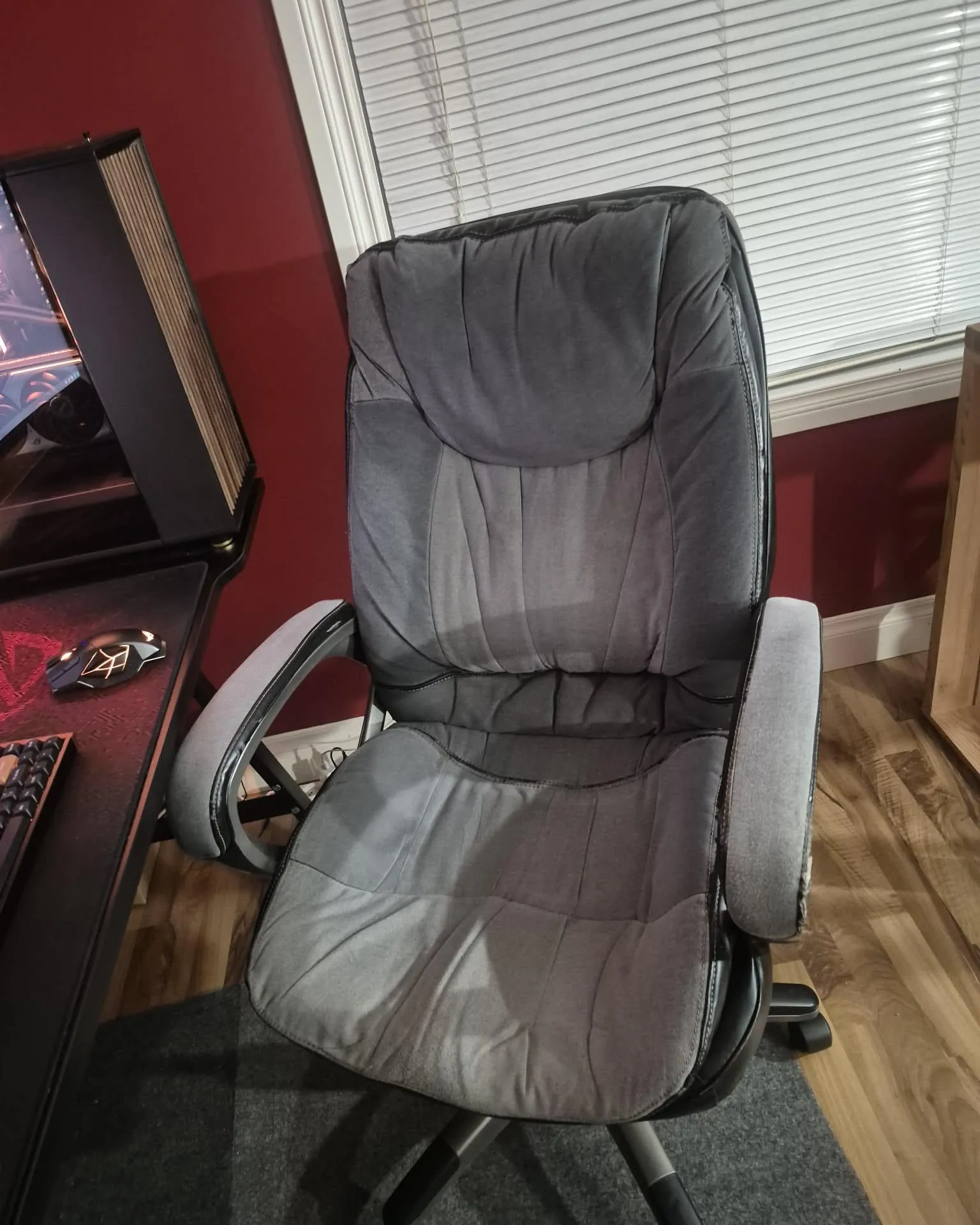
The following table shows how your daily habits influence the life of your furniture. If you use the chair for more than eight hours, the internal components wear out significantly faster.
| How you use it | How often | What tells you it’s due |
|---|---|---|
| Light home use | 10+ years | Fabric looks very worn |
| Standard office use | 7–10 years | Gas lift starts sinking |
| Daily 12-hour use | 3–5 years | Plastic parts start cracking |
| Heavy duty use | 2–4 years | Frame feels loose/wobbly |
What happens if you ignore wear
When a chair begins to fail, the gas cylinder is usually the first component to show signs of age. If you ignore a sinking seat, you’ll eventually find yourself sitting at an uncomfortable height that forces your spine into a poor posture. You can check the specific weight limits and expected life cycles for your model by reviewing the ANSI/BIFMA performance standards published for commercial office furniture.
After several months of wobbling, the mechanical connections beneath the seat often begin to loosen or develop cracks. If you continue to use the chair, the base or the tilt mechanism may break suddenly while you’re seated. This can lead to a fall or muscle strain. Once the frame develops a permanent tilt or loud metallic grinding sounds, the chair is no longer safe to support your weight for long work sessions.
Signs your chair is failing
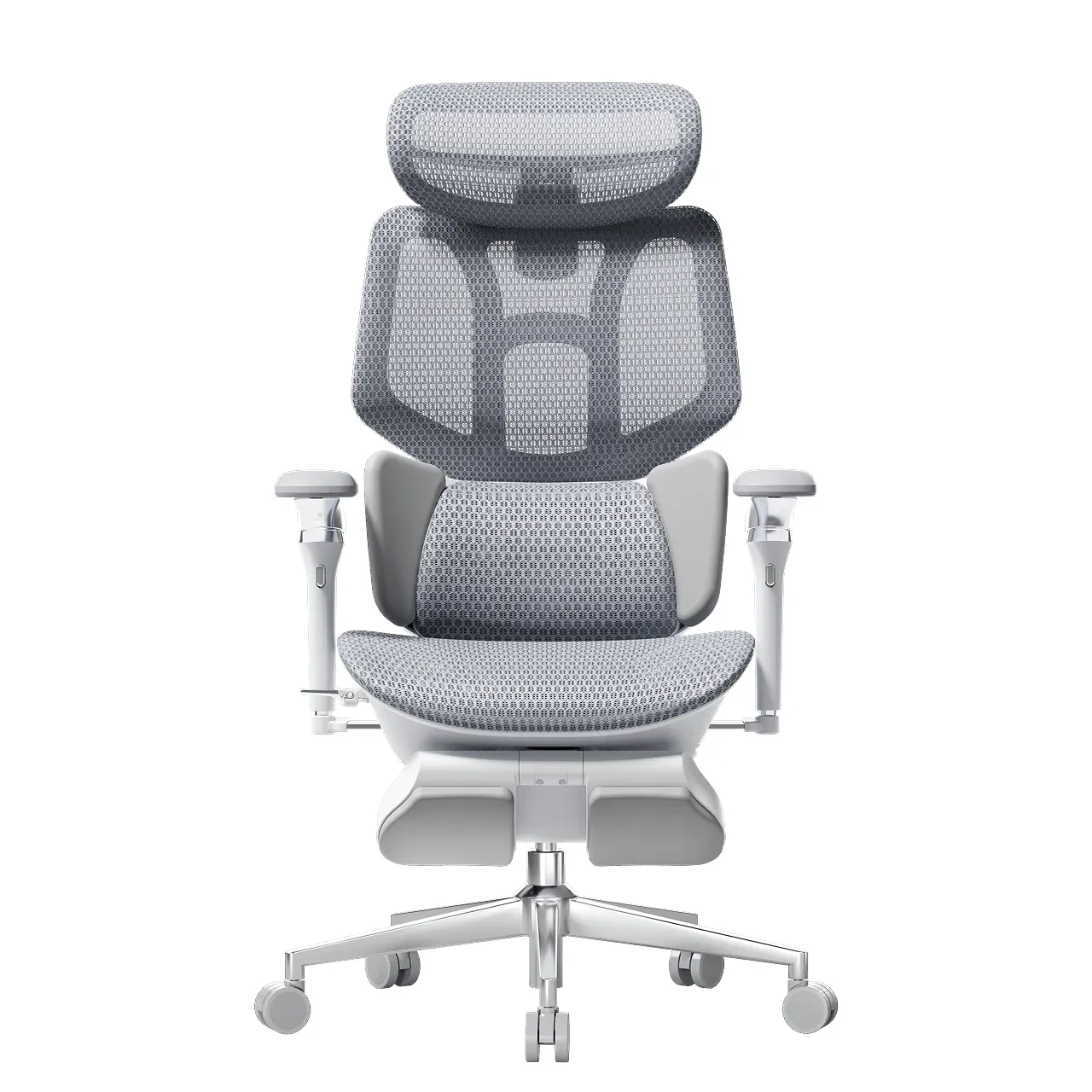
- Sinking seat: The chair slowly loses height throughout the day.
- Persistent squeaking: Sounds coming from the base indicate metal fatigue.
- Visible cracks: Hairline fractures in the plastic base signal total failure.
- Loose armrests: Wiggle in the armrests shows the frame bolts are stripping.
- Uneven tilt: The seat feels tilted to one side when locked flat.
- Wobbly base: A chair that rocks on flat ground has a damaged spider base.
Time and effort for maintenance
Keeping your chair in good shape requires about 15 minutes of work every six months. You only need a basic set of hex keys or a screwdriver to tighten the bolts that loosen from daily vibration. This process is simple, but it isn’t for people who lack the physical strength to flip the chair over or reach under the seat.
If you hear loud popping noises while tightening, stop immediately to avoid stripping the threads. The cost is essentially zero unless you need to replace a broken caster or a worn-out gas lift cylinder, which you can find in the manufacturer’s manual.
Ways to extend chair life
- Tighten bolts periodically: Check the screws every six months to prevent frame strain.
- Avoid heavy impacts: Don’t drop your full weight into the chair to protect the gas lift.
- Clean the casters: Remove hair and dust from the wheels to keep the base stable.
- Use on flat floors: Avoid using the chair on thick carpets which force the base to twist.
Frequently asked questions
Can I replace the gas cylinder myself?
Yes, you can replace a gas cylinder if you have a pipe wrench and a rubber mallet. It’s a mechanical task that requires removing the old cylinder from the base, which can be difficult if the metal has fused over many years of use.
Why does my chair sink when I sit?
A sinking chair happens because the internal seals in the pneumatic cylinder have failed. This allows the pressurized nitrogen gas to escape, meaning the cylinder can no longer hold your weight at a set height, and it must be replaced to fix the issue.
Is it safe to sit in a wobbling chair?
No, it isn’t safe because a wobbling chair puts uneven stress on the base and the central column. This makes a sudden collapse much more likely, especially if you lean back or move quickly, so you should stop using it until you tighten it.
How long does the fabric last?
The fabric on a high-quality chair usually lasts for a long duration before showing thin spots. You can check the durability rating, known as the double rub count, in the product specifications provided by the manufacturer on their official website.
Does weight limit affect lifespan?
Yes, exceeding the weight limit shortens the lifespan of the gas cylinder and the base frame by up to 50%. Always check the maximum weight capacity listed on the sticker under your seat to ensure the chair can safely support your body mass.
What happens if I ignore a squeak?
Ignoring a squeak leads to metal-on-metal wear that eventually destroys the connection points. The metal will rub away until the joint becomes loose, which makes the chair unstable and can eventually cause the seat to detach from the base entirely.
Does the base material matter?
Yes, a steel or aluminum base lasts significantly longer than a plastic base. Plastic bases are prone to stress fractures that grow over time, whereas metal bases typically only bend or become loose, which is easier to repair with basic hand tools.
Conclusion
Start by tightening every bolt on the underside of your chair using the correct hex key. You should expect the chair to feel stable and firm immediately after you finish. If the seat continues to sink or the frame remains wobbly, stop using it and consult a professional technician for repairs.