
The best task chair is one that offers adjustable lumbar support, a synchronized tilt mechanism, and breathable mesh to keep you comfortable during long work sessions. Top models like the Herman Miller Aeron and Steelcase Leap consistently deliver these features, making them reliable choices for daily use.
Key Takeaways
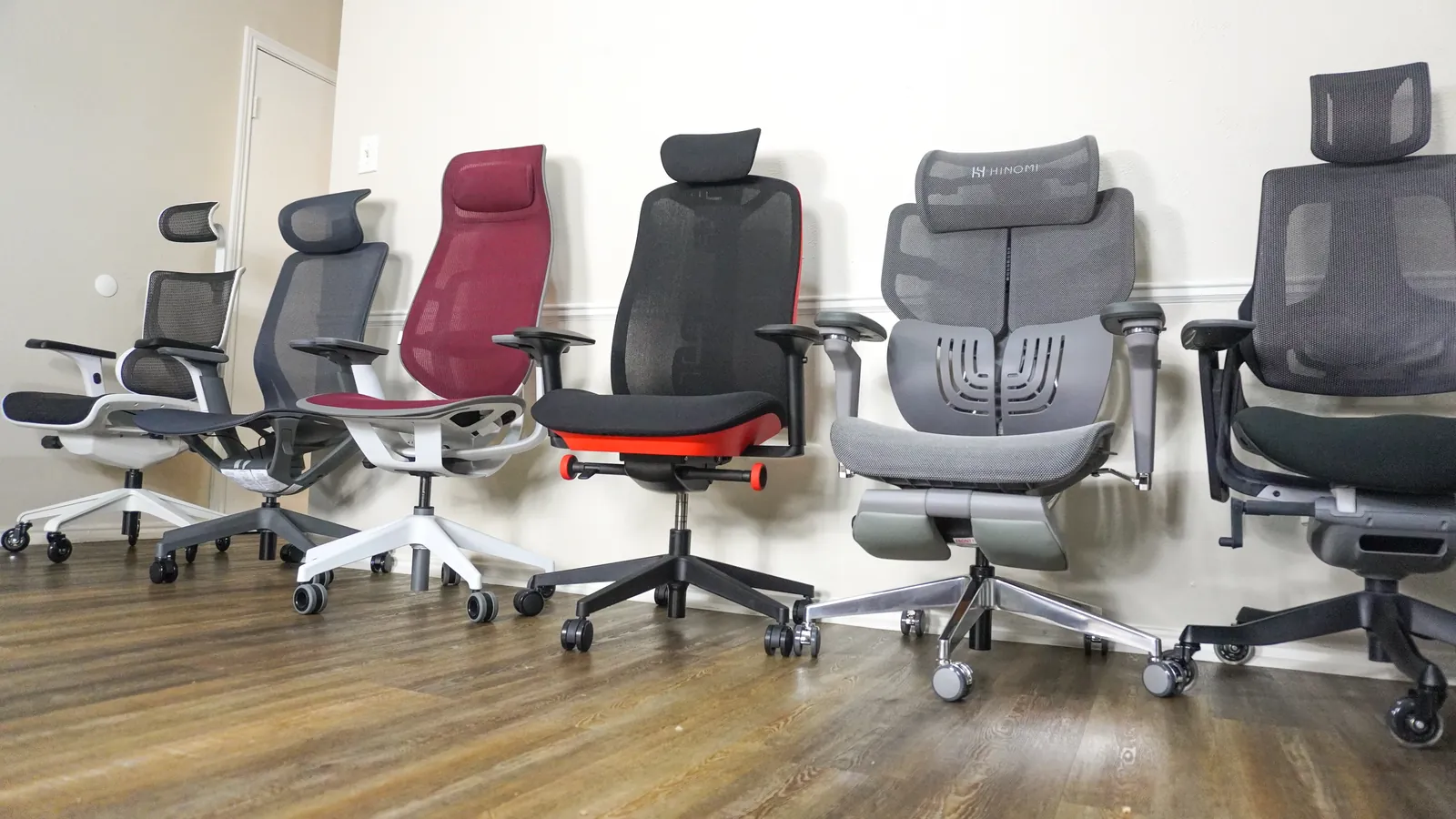
- Prioritize chairs with adjustable lumbar support to maintain your natural spinal curve.
- Look for a synchronized tilt mechanism so the backrest and seat move together smoothly.
- Mesh upholstery prevents heat buildup better than foam or leather during extended sitting.
- Budget between $300 and $1,500 depending on whether you buy refurbished or brand new.
- Always check the manufacturer’s weight capacity and warranty terms before purchasing.
- Test the armrest adjustability; fixed arms often force poor shoulder alignment.
What Is the Best Task Chair?
Finding the right seating means balancing ergonomics, durability, and price. The top contenders share specific engineering traits rather than just aesthetic appeal. A great option supports dynamic movement, allowing you to shift postures without losing spinal alignment. Brands like Herman Miller, Steelcase, and Haworth dominate this category because they invest heavily in biomechanical research. Ultimately, the ideal choice depends on your body dimensions and how many hours you spend seated daily. Focus on dynamic movement rather than rigid posture locking.
Essential Ergonomic Features to Demand
Not every office chair qualifies as a true task chair. You need specific adjustments to prevent musculoskeletal strain over time.
- Seat depth adjustment: Ensures two to three inches of space behind your knees.
- 4D armrests: Allow height, width, depth, and pivot adjustments to support your forearms.
- Tilt tension control: Lets you customize the resistance when leaning back.
- Breathable mesh: Regulates temperature far better than traditional padding.
Prolonged static sitting increases the risk of lower back pain and cardiovascular issues, according to CDC guidelines on workplace ergonomics. Therefore, selecting a chair that encourages micro-movements is critical for long-term health.
How Do Top Models Compare?
Evaluating the market leaders helps narrow down your options based on measurable specifications.
| Model | Lumbar Support | Seat Material | Warranty |
|---|---|---|---|
| Herman Miller Aeron | PostureFit SL | 8Z Pellicle Mesh | 12 years |
| Steelcase Leap V2 | LiveBack Technology | Fabric/Foam | 12 years |
| Haworth Fern | Asymmetrical Back | Flexible Frame | 12 years |
| Secretlab Titan Evo | Memory Foam Pillow | Neo Hybrid Leather | 5 years |
The Herman Miller Aeron remains the industry benchmark due to its zoned suspension system, while the Steelcase Leap excels for users who prefer cushioned seating over mesh.
Should You Buy Refurbished or New?
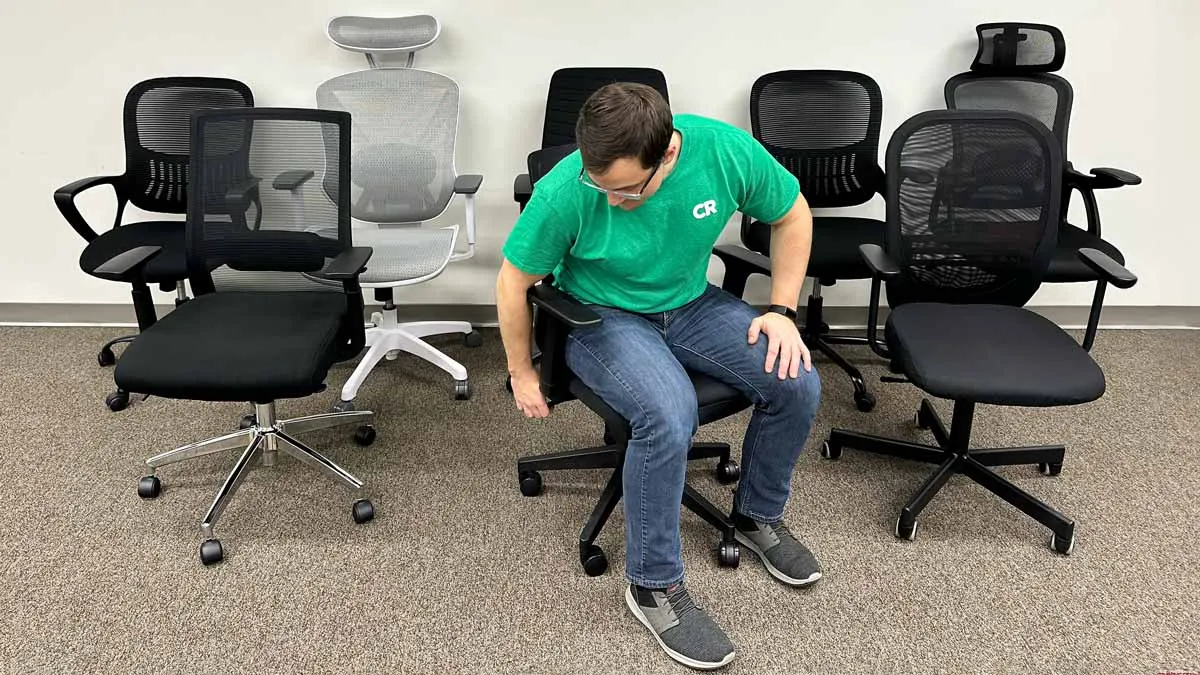
Purchasing a refurbished chair can save hundreds of dollars without sacrificing core functionality. Authorized refurbishers replace worn components like gas cylinders and casters, restoring the chair to near-original condition. However, warranties on refurbished items are typically shorter, ranging from one to five years compared to the standard twelve-year coverage from manufacturers. If budget constraints are tight, a refurbished Steelcase Amia or Herman Miller Mirra offers exceptional value. Just verify the seller replaces the pneumatic cylinder before shipping.
Warning: Avoid unverified third-party sellers offering “refurbished” chairs at suspiciously low prices, as they often skip replacing critical load-bearing parts.
Which Chair Suits Your Body Type?
Your height and weight dictate which frame size will actually support you correctly. Most premium brands offer multiple sizes to accommodate different anthropometric profiles.
| Body Type | Recommended Model Size | Key Adjustment Focus |
|---|---|---|
| Under 5’4″ | Herman Miller Aeron Size A | Minimum seat height |
| 5’4″ to 6’2″ | Steelcase Leap Standard | Seat depth slider |
| Over 6’2″ | Haworth Fern Standard | Backrest height limit |
| Over 250 lbs | Big & Tall variants | Reinforced base/cylinder |
Choosing the wrong size negates the benefits of expensive ergonomic features. Always consult the manufacturer’s sizing chart before ordering. Anthropometric profiles determine exactly how the frame fits your spine.
What About Budget Task Chairs?
If spending over a thousand dollars is impossible, mid-range options still provide meaningful ergonomic benefits. The Autonomous ErgoChair Pro and SIHOO M57 deliver adjustable lumbar support and mesh backs at a fraction of the premium cost. While their mechanisms may not feel as refined as high-end models, they vastly outperform basic department store chairs. Expect to compromise slightly on material longevity and smooth tilt transitions, but prioritize getting a functional seat depth slider above all else.
Pro Tip: When shopping under $400, prioritize adjustable armrests and lumbar support over premium upholstery materials, as mechanical adjustability impacts your physical comfort much more than fabric quality.
How to Adjust Your Chair Properly
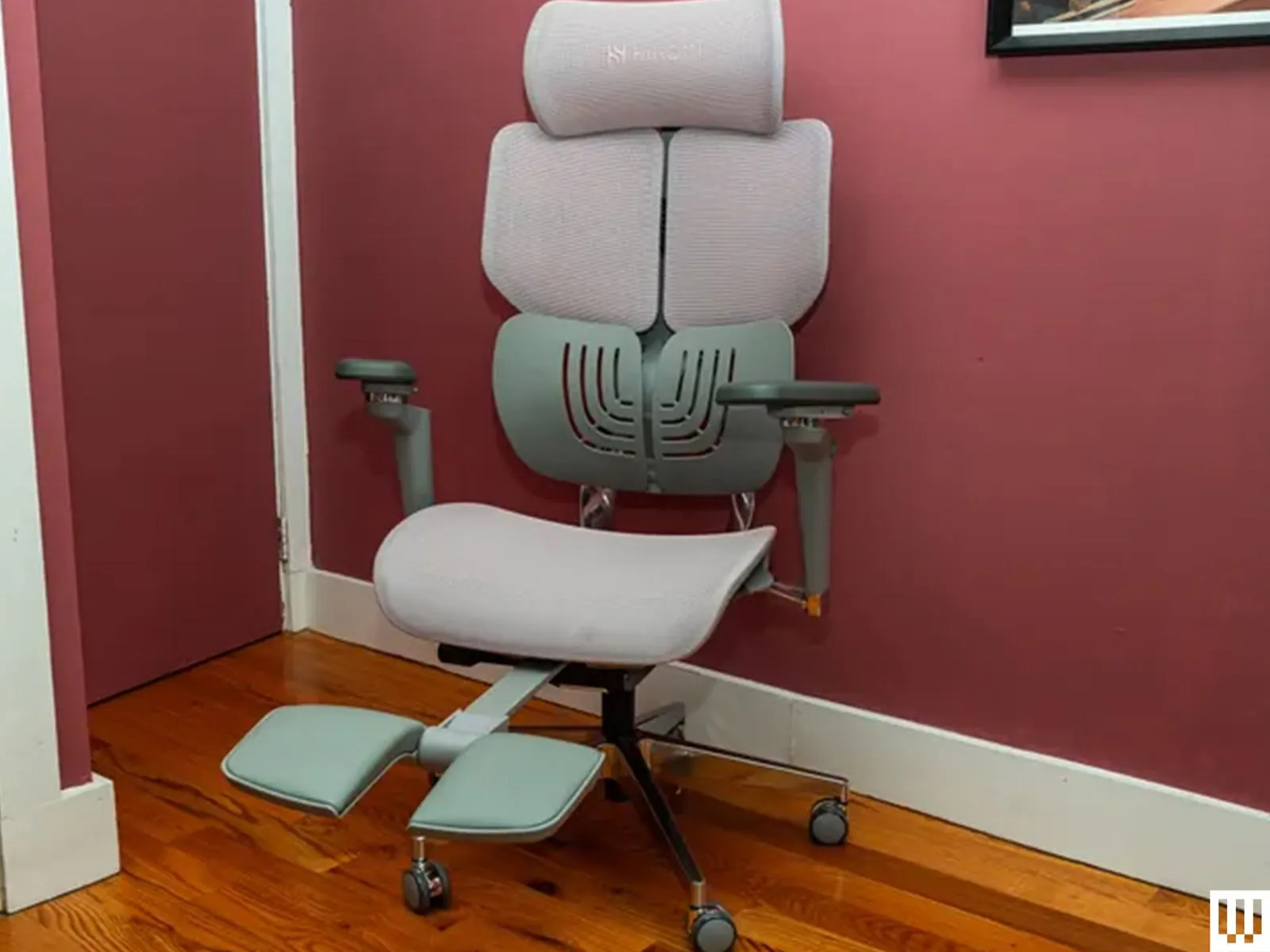
Buying an ergonomic chair only works if you configure it correctly for your workstation. Follow these steps every time you sit down.
- Set the seat height so your feet rest flat on the floor with knees at a ninety-degree angle.
- Slide the seat pan forward or backward until there’s a fist-sized gap between the edge and your calves.
- Adjust the lumbar pad so it fills the natural inward curve of your lower spine precisely.
- Raise the armrests until your shoulders relax completely and elbows bend at ninety degrees.
- Unlock the tilt mechanism to allow gentle reclining throughout the day.
Incorrect setup causes the exact neck and back pain you bought the chair to prevent.
Frequently Asked Questions
How long should a good task chair last?
A high-quality task chair from brands like Herman Miller or Steelcase typically lasts between ten and fifteen years with daily use. Their twelve-year warranties reflect this expected lifespan. Budget chairs generally survive three to five years before mechanisms wear out or foam compresses permanently.
Are gaming chairs good for office work?
Most gaming chairs lack the precise ergonomic adjustments required for eight-hour workdays. They frequently feature bucket seats that restrict shoulder movement and rely on loose pillows instead of integrated lumbar systems. Dedicated task chairs remain superior for sustained typing and computer work.
Is mesh better than leather for task chairs?
Mesh is generally better for prolonged sitting because it allows continuous airflow, preventing heat and moisture buildup. Leather or faux leather looks professional but traps body heat. However, some users find mesh too firm and prefer the plush feel of high-density foam upholstery.
Can a task chair fix my back pain?
A task chair can’t cure underlying medical conditions, but it significantly reduces mechanical stress on your spine. Proper ergonomic support prevents muscle fatigue and disc compression caused by poor posture. Consult a healthcare provider if chronic pain persists despite upgrading your workstation equipment.
What is the ideal seat depth?
The ideal seat depth leaves approximately two to four inches of space between the front edge of the seat pan and the back of your knees. This gap ensures proper blood circulation to your lower legs while fully supporting your thighs.
Conclusion
Investing in the right seating transforms your daily productivity and protects your physical health. Measure your desk height, review the comparison table above, and choose a model that matches your specific body dimensions. Order one today and configure it using the adjustment steps provided to immediately improve your workspace.