
A new couch typically costs between $800 and $2,500 for a standard three-seat sofa with durable fabric and a solid wood frame.
The single biggest factor deciding value isn’t the brand name but the suspension system and cushion density.
Shoppers frequently mistake fabric rub count as the only durability metric. You’ll pay more upfront for corner-blocked hardwood frames, but they prevent wobbling that ruins cheaper stapled particleboard alternatives regardless of how thick the upholstery feels.
Choosing the right couch price point
- Measure your room’s clear floor space and doorway width before shopping to avoid return fees or delivery failures. Standard sofas need at least 84 inches of length; if your entryway is under 30 inches wide, you’ll need a modular or flat-pack design instead of a pre-assembled frame.
- Set a firm budget cap based on expected lifespan rather than monthly payment affordability. If you plan to keep it over seven years, allocate $1,500 minimum for kiln-dried hardwood; if it’s temporary housing under three years, a $600-$900 engineered wood frame suffices. Tip: Don’t let sales staff upsell stain protection warranties on mid-range fabrics; most household stains clean with water and mild detergent according to Consumer Reports fabric care guidelines.
- Test cushion resilience by pressing down firmly and timing the recovery to under five seconds. High-resiliency foam (1.8 lb/ft³ density or higher) bounces back instantly; polyfill or low-density foam leaves a visible dent that signals premature sagging within months.
- Verify frame construction by lifting one front leg six inches off the showroom floor. If the opposite rear corner lifts simultaneously, the joints are rigid; if the frame twists or creaks, skip it regardless of the tag price.
- Compare total delivered cost including taxes, shipping, and old furniture removal before signing. Retailers often advertise base prices that jump 15-25% after mandatory white-glove delivery fees in urban areas or remote zip codes.
Typical couch costs by type
Budget ranges shift dramatically based on whether you’re buying ready-made stock or commissioning custom upholstery work.
| Situation | Price range | What changes it | What to watch for |
|---|---|---|---|
| Basic loveseat | $400–$900 | Fabric grade, foam density | Stapled joints, thin padding |
| Standard 3-seat sofa | $800–$2,500 | Frame wood, suspension type | Delivery fees, warranty terms |
| Sectional modular | $1,500–$4,000 | Piece count, configuration | Connector hardware quality |
| Sleeper sofa | $1,200–$3,500 | Mattress thickness, mechanism | Weight capacity, fold ease |
| Custom upholstered | $3,000–$7,000+ | Fabric yardage, labor hours | Lead time, change-order fees |
If quotes exceed these ranges significantly without documented premium materials, request an itemized breakdown showing exactly where the markup applies.
Signs of quality couch construction
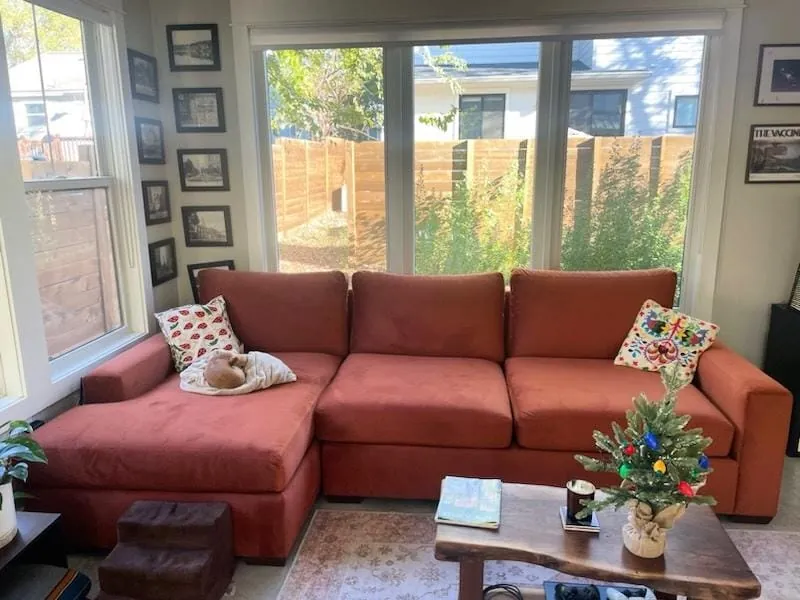
You can spot lasting value through physical tests that reveal hidden structural integrity beyond surface aesthetics.
Check cushion tags for foam density ratings printed in pounds per cubic foot. The Upholstery Action Council recommends 1.8 lb/ft³ minimum for seat cushions intended for daily residential use; anything below 1.5 compresses permanently within eighteen months of normal wear.
Listen for squeaks or grinding noises when shifting weight across different seating positions. Audible friction warns of metal-on-metal contact or loose fasteners needing immediate adjustment.
Common couch buying mistakes
Ignoring return policy restocking fees. Many retailers charge 15-25% restocking fees plus original delivery costs for non-defective returns, turning a $1,200 purchase into a $400 loss if it doesn’t fit your space.
Prioritizing style over seat depth. Deep seats look luxurious in showrooms but cause lower back pain for people under 5’6″ who can’t reach the backrest comfortably. Test-sit for five full minutes with shoes off; if your thighs don’t fully support against the cushion edge, walk away regardless of how perfect the color matches.
Assuming “sale” means fair market value. Inflated MSRPs make discounted couches appear like bargains when they’re actually priced at true retail. Cross-reference identical model numbers across three sellers using manufacturer SKU codes, not retailer-assigned names, to verify actual market positioning before committing.
Skipping fabric sample testing at home. Showroom lighting distorts color perception and hides texture flaws visible only under your room’s specific bulbs and natural light angles. Request free swatches and live with them pinned to your wall for 48 hours through morning, afternoon, and evening lighting cycles.
Frequently asked questions
How long should a good couch last?
A well-constructed sofa with hardwood framing and high-density foam lasts 10-15 years with normal residential use. Budget models with particleboard frames and polyester fill typically need replacement within 3-5 years depending on household traffic and maintenance habits.
Can I negotiate couch prices at furniture stores?
Yes, most brick-and-mortar furniture retailers expect negotiation and build 20-30% margin flexibility into tagged prices. Ask directly for the “best out-the-door price” during weekday mornings when managers have authority to approve discounts without corporate approval delays.
Is reupholstering worth it versus buying new?
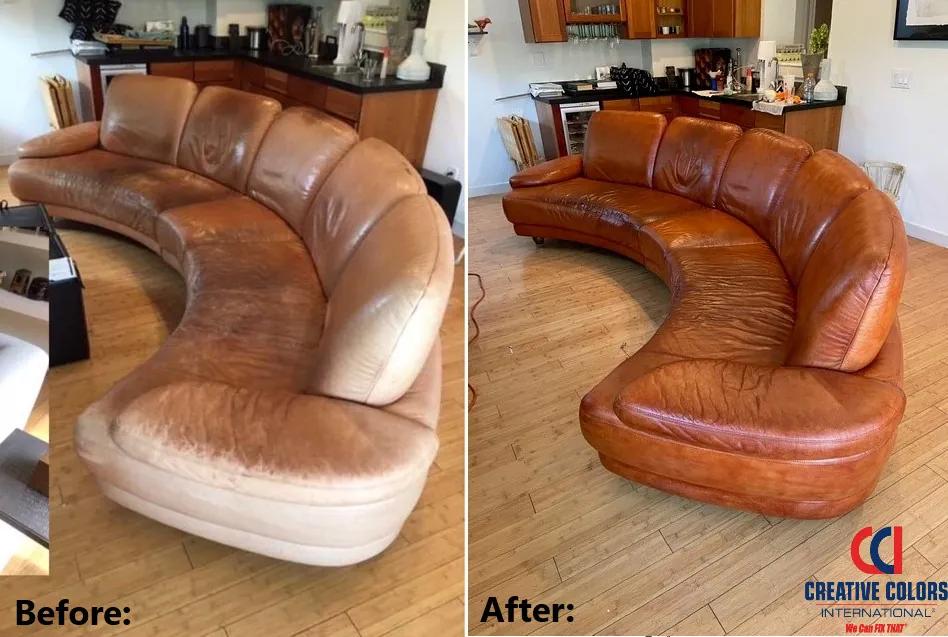
Reupholstering costs $2,000-$4,000 for a standard sofa, making it worthwhile only for solid hardwood frames over 15 years old with sentimental value. New comparable-quality sofas often cost less than professional reupholstery labor alone unless you’re preserving antique craftsmanship unavailable in modern production.
What fabric holds up best with pets?
Tightly woven performance fabrics rated 50,000+ double rubs resist claw snags and hair embedding better than loose weaves or napped textures. Crypton Home and Sunbrella Indoor lines specifically engineer pet-resistant barriers that block moisture penetration while maintaining breathability for human comfort.
Why do identical couches have different prices online?
Retailers use exclusive model numbers to prevent direct price matching. Always compare core specs—frame material, foam density, spring type, fabric grade—rather than relying on similar-looking product photos or marketing descriptions that omit critical construction differences.
How much does white glove delivery usually cost?
White glove delivery averages $150-$300 for ground-floor placement within 50 miles of distribution centers. Stair carries, elevator access, or distances beyond standard zones add $50-$150 surcharges; always get written confirmation of total delivery charges before finalizing purchase to avoid surprise checkout additions.
Conclusion
Your final spending decision should balance immediate budget constraints against realistic ownership duration and daily usage intensity.