
A side chair is a dining or accent seat built without armrests, typically 16 to 18 inches wide and 32 to 36 inches tall.
Table height decides if it works in your room. A seat that’s too tall won’t slide underneath, and one that’s too short feels awkward at dinner. Measure the gap between your floor and the table’s underside before you buy anything.
Choosing and placing an armless seat
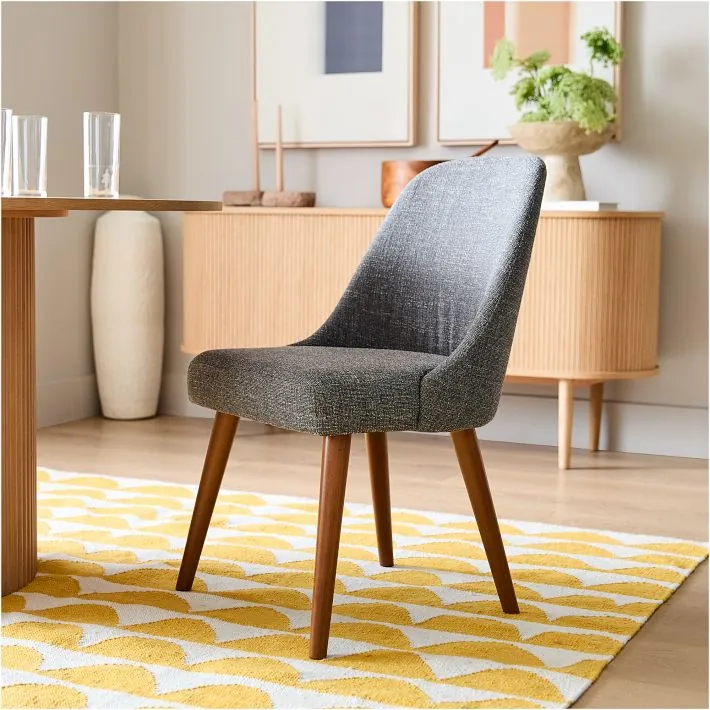
Picking the right one means matching it to your table and the space around it.
- Measure the distance from the floor to the bottom of your table apron. The seat top needs to be 10 to 12 inches lower than that apron so your legs fit comfortably underneath.
- Check the total width of your dining table. Allow 24 inches of table edge for each seat; if your table is 72 inches long, three will fit on one side without crowding.
- Pick a frame material based on use. Solid wood handles daily meals well, while metal frames suit outdoor patios or modern rooms.
- Choose upholstery only if you’ll sit for more than 30 minutes at a time. Bare wood or plastic is easier to wipe clean after kids eat, but fabric adds comfort for longer dinners.
- Test the weight limit printed on the manufacturer’s tag. The American National Standards Institute publishes testing guidelines for furniture durability, so check their specifications if you’re buying commercial seating.
- Place them evenly around the table. Leave at least 36 inches of clearance behind each seat so people can pull out and stand up without hitting a wall.
Tip: Don’t mix seat heights at the same table. A 16-inch seat next to an 18-inch one makes the shorter person feel like a child.
If you’re furnishing a restaurant or public waiting area, building codes dictate specific fire ratings and spacing rules. Stop here and hire a commercial furniture specifier who knows local regulations.
How long setting up side chairs takes
Arranging these seats depends entirely on how many you have and whether they arrive assembled.
| Situation | How long | What changes it | What to watch for |
|---|---|---|---|
| Placing 2 pre-assembled seats | 2–5 minutes | Room layout | Hitting baseboards when pushing them in |
| Assembling 4 flat-pack seats | 45–90 minutes | Hardware included, Allen wrench size | Missing screws or cross-threaded bolts |
| Arranging 6+ around a new table | 15–20 minutes | Table shape (round vs. rectangular) | Uneven spacing causing elbow bumps |
| Adding slipcovers or cushions | 10–15 minutes | Fabric type, tie placement | Covers slipping off during use |
If assembly takes twice as long as the box claims, stop and recount your hardware.
Signs your side chair fits correctly

You’ll know the proportions are right when you sit down and your feet rest flat on the floor.
Push the seat all the way under the table. The backrest shouldn’t scrape the table apron. If it hits the wood before you’re close enough to eat comfortably, the backrest angle is too steep or the seat is too deep.
Side chair mistakes that ruin a room
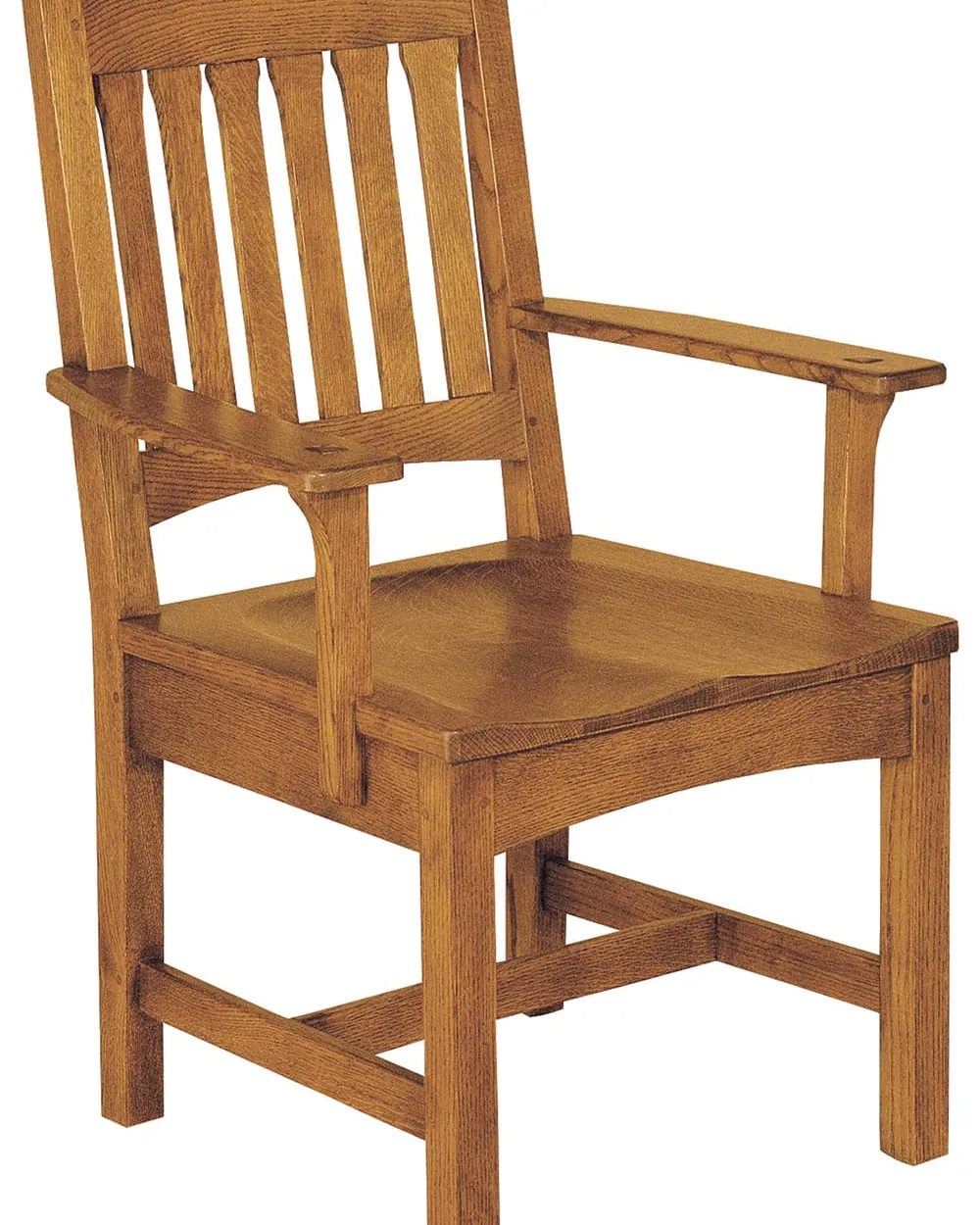
- Ignoring the table apron. The seat back hits the wood frame underneath the table, scratching both pieces and forcing you to sit too far from your plate. Measure the vertical gap before buying.
- Buying them too wide. A 20-inch-wide model eats up table space fast, meaning you’ll fit fewer people around a standard dining table. Stick to 16 to 18 inches wide unless you have a custom oversized table.
- Using light fabric in a dining room. Spills stain linen or cotton quickly, ruining the look within months of daily meals. Choose treated polyester, leather, or bare wood where food is served regularly.
- Mixing styles randomly. One modern metal frame next to three traditional wooden ones makes the room look unfinished rather than eclectic. Match the leg shape or finish across the whole set.
- Forgetting rug thickness. A thick pile rug raises the floor level, making a standard-height seat feel too low relative to the table. Subtract your rug’s compressed thickness from the needed leg clearance.
Frequently asked questions
Can a side chair be used as a desk chair?
Yes, but only for short tasks under 30 minutes. Without armrests or adjustable lumbar support, your shoulders fatigue quickly during typing. Use one for occasional writing, not eight-hour workdays.
Why is it called a side chair?
It got the name because these armless seats were historically placed along the sides of long dining tables. Armchairs were reserved for the head of the table, leaving the sides for simpler designs.
How much weight does a side chair hold?
Most standard residential models hold 250 pounds, assuming a solid wood or welded metal frame. Lightweight folding versions might only support 200 pounds. Always read the manufacturer’s printed rating tag before relying on it.
Is it safe to stack side chairs?
Only if the manufacturer specifically designed them for stacking. Stacking non-stackable wooden frames scratches the finish and creates a tipping hazard. Look for interlocking legs or a stated stack limit on the product label.
What happens if the seat is too high?
Your feet dangle or press hard into the floor, cutting off blood flow behind your knees. You’ll also sit too close to the tabletop, making eating uncomfortable. You’d need to shorten the legs or buy a taller table.
How wide is a standard side chair?
The typical width is 16 to 18 inches, measured across the widest part of the seat or backrest. This assumes a standard adult dining design. Children’s models run closer to 14 inches wide.
Are side chairs comfortable without cushions?
Bare wood or plastic is fine for meals lasting under 20 minutes. Beyond that, the hard surface presses into your sit bones. Add a tied cushion or choose a contoured molded seat if you host long dinners.
Conclusion
Every room has its own limits, and the exact clearance you need depends on your table’s apron height and your floor covering. Read the measurement tape against your own furniture, not a showroom average.