
A chaise sectional is a sofa where one seat extends forward without a back so you can stretch your legs out.
Skipping measurements costs return shipping fees when the frame doesn’t fit. Measure hallway width and elevator height, as these frames don’t disassemble easily.
Choosing the right layout for your room
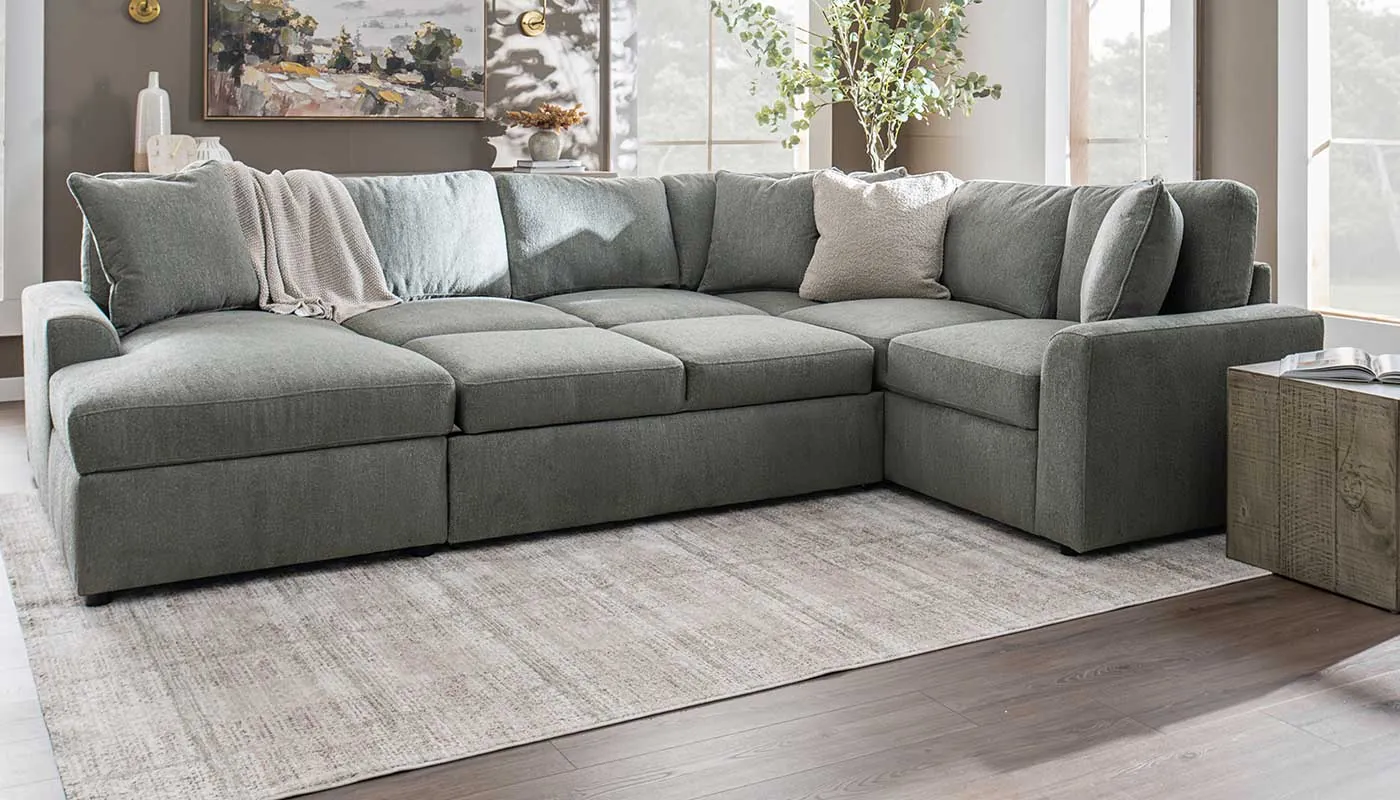
Picking the correct shape prevents fighting your floor plan. If your room has two open walls meeting at a corner, do an L-shape; if you need to divide a large open-plan space into zones, do a U-shape.
- Measure the wall where the main backrest will sit, leaving 3 inches of breathing room on each end so it doesn’t look crammed.
- Check your doorway clearance by measuring the narrowest point between the doorframe edges. Most standard interior doors are 30 to 32 inches wide, but older homes often have narrower ones.
- Decide the chaise direction by standing in the room’s main entrance and looking at the sofa spot. If the extension needs to be on your left to keep the walkway clear, order a left-arm facing model.
- Pick the fabric based on who uses it daily. Choose performance polyester or microfiber if kids or pets sit there; use linen or velvet only in adult-only rooms where spills are rare.
- Confirm the seat depth matches your height. A 22-inch depth supports most adults under six feet tall, while taller people usually need 24 inches to avoid knee strain. Tip: Don’t trust the website photo to judge scale. Cut newspaper to the exact footprint dimensions and tape them to your floor so you can walk around the paper shape for a day.
- Read the delivery terms before paying. Some companies bring it inside and assemble it, while others leave heavy boxes at your curb. This detail changes what you’ll actually deal with on delivery day.
If you’re renting and move frequently, skip this furniture entirely.
How long setting up a chaise sectional takes
Assembly time depends on connection type and building obstacles.
| Situation | How long | What changes it | What to watch for |
|---|---|---|---|
| Ground floor, L-shape | 30–45 min | Number of boxes | Missing bracket hardware |
| Third floor walk-up, L-shape | 1.5–2 hours | Stairwell width | Scratched walls on turns |
| Ground floor, U-shape | 45–60 min | Extra middle pieces | Misaligned seat heights |
| Modular pieces, no tools | 15–20 min | Weight per module | Sliding apart on hardwood |
The American Home Furnishings Alliance publishes guidelines on furniture safety and stability standards that apply to heavy modular frames. Call retailer support instead of bending connectors; warped brackets won’t hold seats flush.
Signs your chaise sectional fits properly
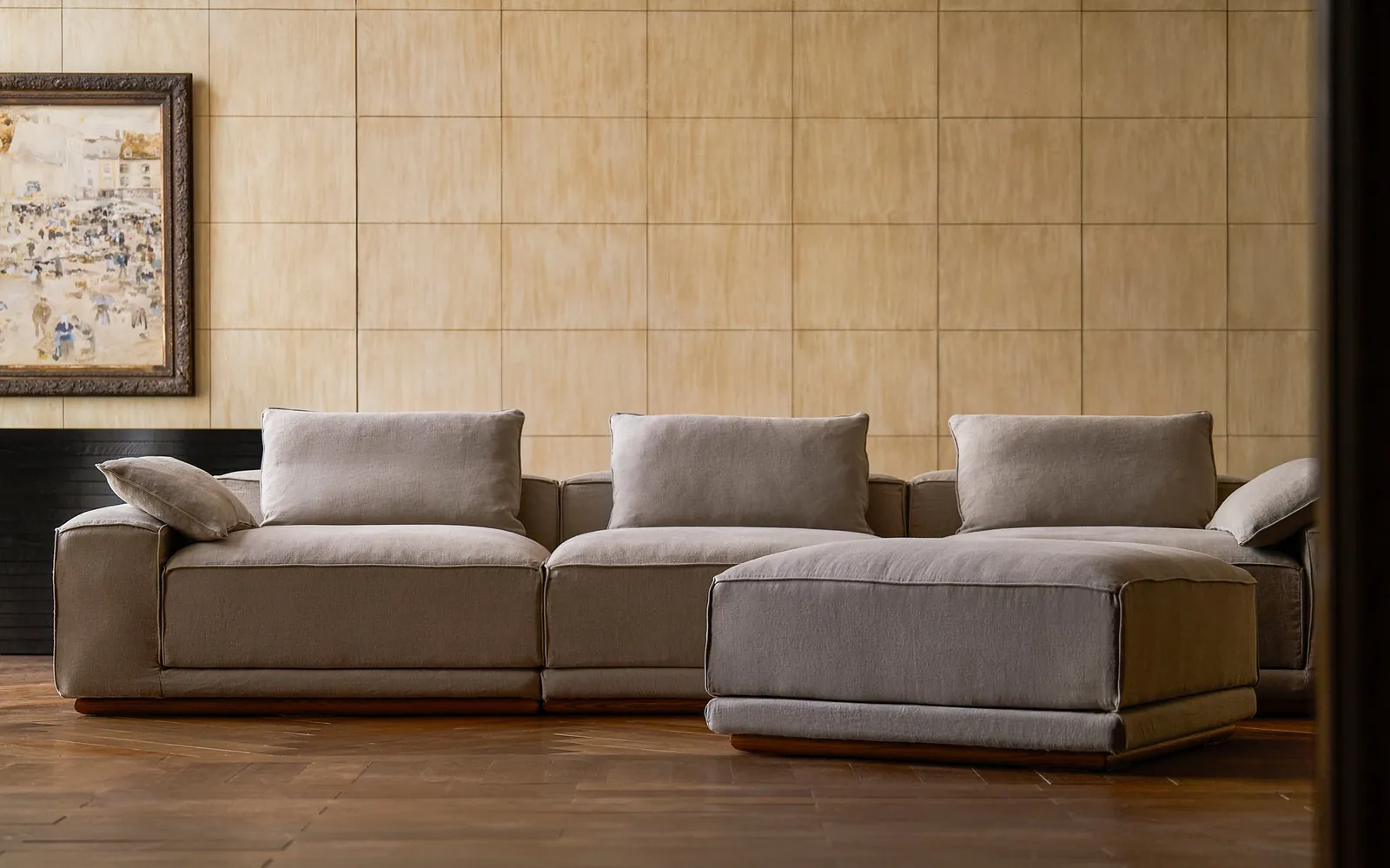
The layout works when you can walk past the extended seat without turning sideways. Leave 18 to 24 inches of walking space between the chaise and any obstacle.
When the metal brackets underneath click together correctly, the cushions form a straight line across the seam. If you feel the frames shifting or rocking independently, the connector pins aren’t fully seated. Pull them apart and slide the metal hooks together again until they lock with a firm click.
Chaise sectional mistakes that ruin the layout
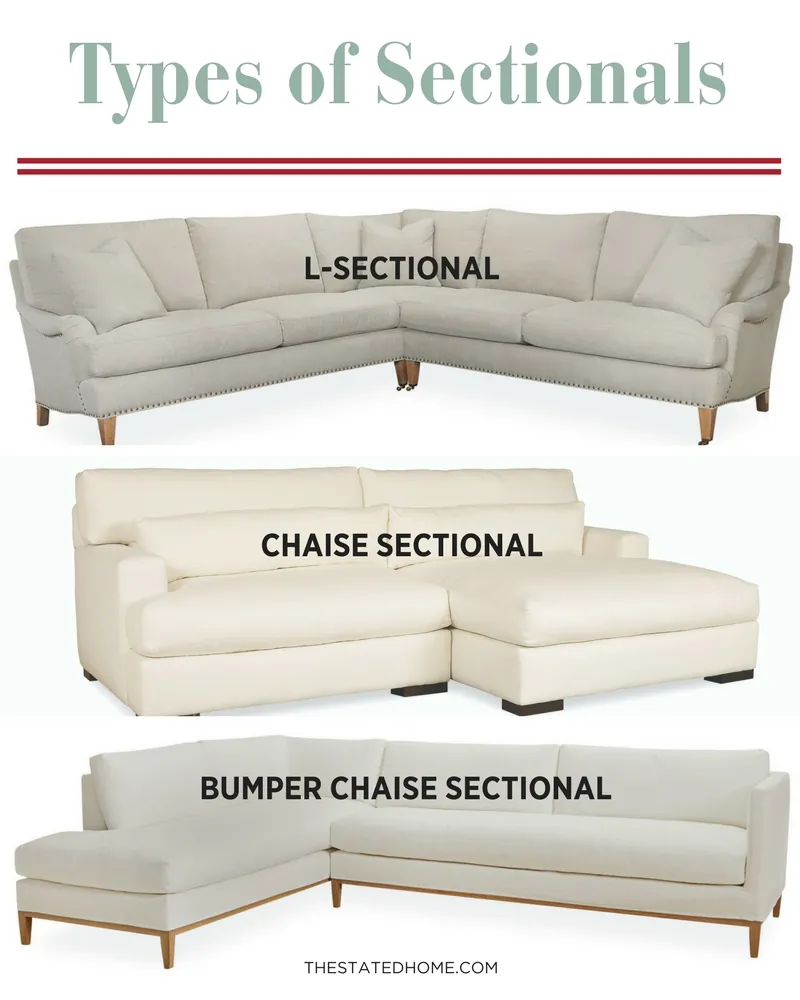
- Ignoring the “facing” label. Ordering a left-arm facing model when your room needs a right-arm one puts the extension directly in your walking path. Stand at your room’s entrance and verify which side keeps the pathway open before clicking buy.
- Pushing it flush against baseboard heaters. Blocking airflow over electric or hot water baseboards traps heat and creates a fire risk. Leave at least 3 inches of gap behind the backrest, or move the sofa to a wall without heating elements.
- Using the wrong cleaner on performance fabric. Spraying solvent-based stain removers on water-repellent upholstery strips the factory coating and leaves permanent dark spots. Check the manufacturer’s tag for the cleaning code (W, S, WS, or X) and match your cleaner exactly to that letter.
- Skipping the connecting brackets. Leaving the metal clips unfastened lets the heavy pieces drift apart on smooth floors, creating a tripping gap between the cushions. Always snap the provided alligator clips or slide bolts into place immediately after positioning the seats.
Frequently asked questions
Can you separate a chaise sectional?
Yes, most models detach into individual pieces by lifting the interlocking metal brackets underneath. You’ll rarely want to use them apart unless you’re moving to a new home.
Why does my chaise sectional slide apart?
It slides because the connecting brackets underneath aren’t fully engaged or the floor is too smooth. Fasten the provided alligator clips tightly, or buy aftermarket non-slip furniture gripper pads to stick under the feet.
How long is a standard chaise extension?
The extended seat typically measures 65 to 70 inches from the backrest to the front edge, assuming a standard three-seater main body. Compact apartment models might drop to 55 inches.
Is it safe to sleep on a chaise sectional every night?
No, it isn’t designed for nightly sleeping. Sofa cushions use high-density foam meant for sitting, which compresses unevenly under eight hours of body weight. You’ll develop back pain quickly, and the cushion warranty won’t cover damage from using it as a primary bed.
What happens if you put a chaise sectional in a small room?
It overwhelms the space and blocks natural walking paths if the room is under 120 square feet. In tight rooms, a standard sofa with a separate movable ottoman works much better.
How much weight can a chaise sectional hold?
Most standard frames support 250 to 300 pounds per individual seating section, including the extended part. The exact limit depends entirely on the internal frame material, so read the manufacturer’s specification sheet before buying.
Conclusion
Picking the right configuration comes down to measuring your actual floor space rather than guessing from photos. Tape out the footprint, check your doorways, and confirm the facing direction before you order. When those physical details match your room, the sofa gives you both seating and lounging without making the space feel crowded.