
Preparing and moving your furniture for storage takes about two hours and the cost of supplies and rental space. Focusing on humidity control and surface protection is the best way to store a dining room table. This task is medium-difficulty and requires at least two people to lift the heavy tabletop safely.
Essential supplies for furniture protection
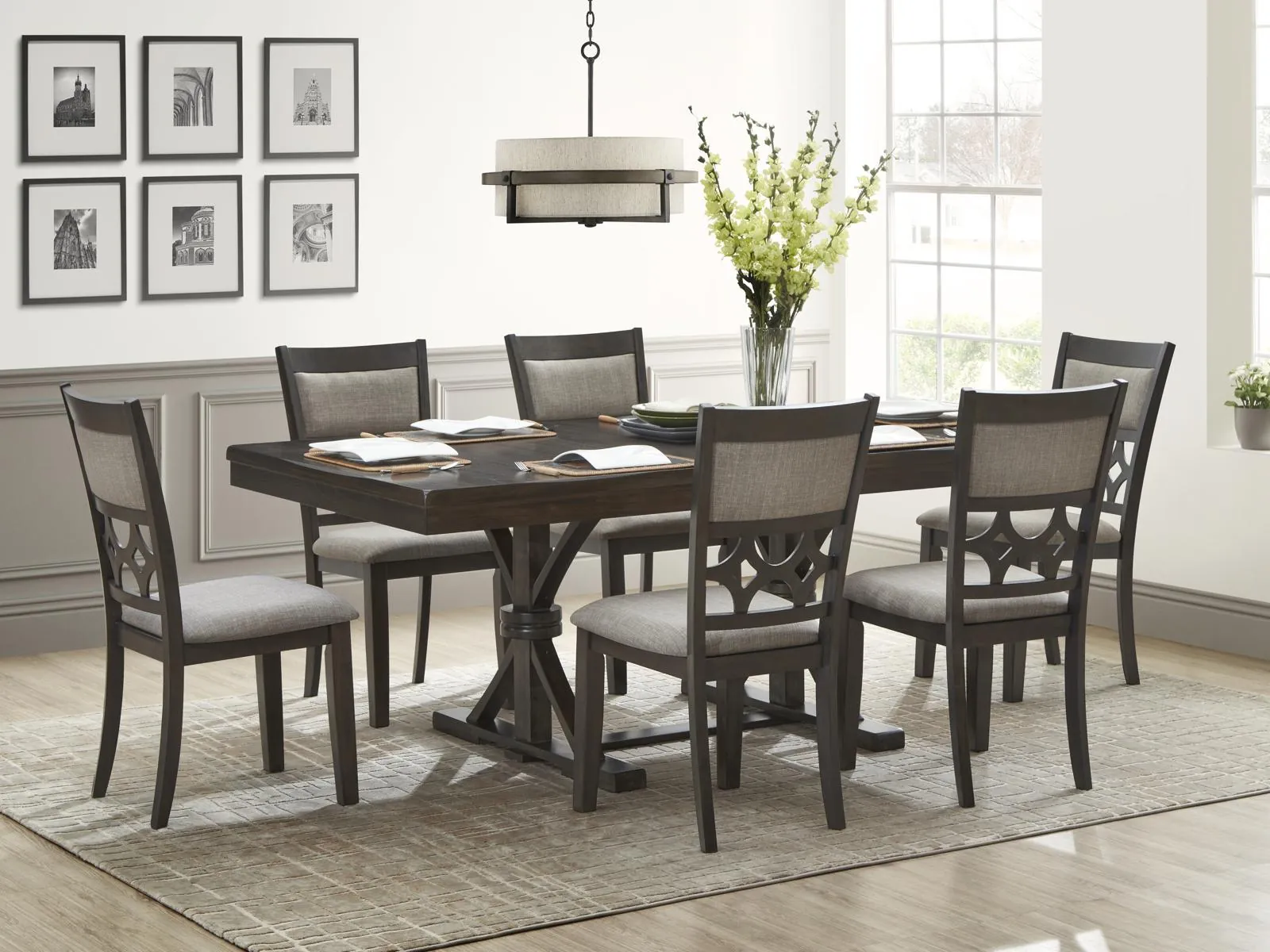
You must gather specific items to ensure your table remains in good condition while in storage. Improper covers or lack of base support can cause warping or surface damage.
| Item | How much | Why it’s needed | A substitute |
|---|---|---|---|
| Moving blankets | 3 to 4 | Prevents scratches and dust | Cotton bed sheets |
| Bubble wrap | 1 large roll | Protects fragile edges | none — don’t swap this |
| Packing tape | 2 rolls | Secures protective materials | Painter’s tape |
| Cardboard sheets | 2 to 4 | Adds impact resistance | none — don’t swap this |
| Plastic wrap | 1 roll | Keeps covers in place | none — don’t swap this |
Preparation before you begin
- Remove all chairs and clear the table surface completely.
- Unscrew the legs if the design allows, as this makes the tabletop easier to move.
- Clean the wood with a mild, dry cloth to remove dust and oils.
- Cover the surface with breathable moving blankets to prevent moisture buildup.
- Consult professional furniture storage guidelines on managing humidity, as excessive moisture in storage can lead to mold growth on wood.
Steps to store a dining room table
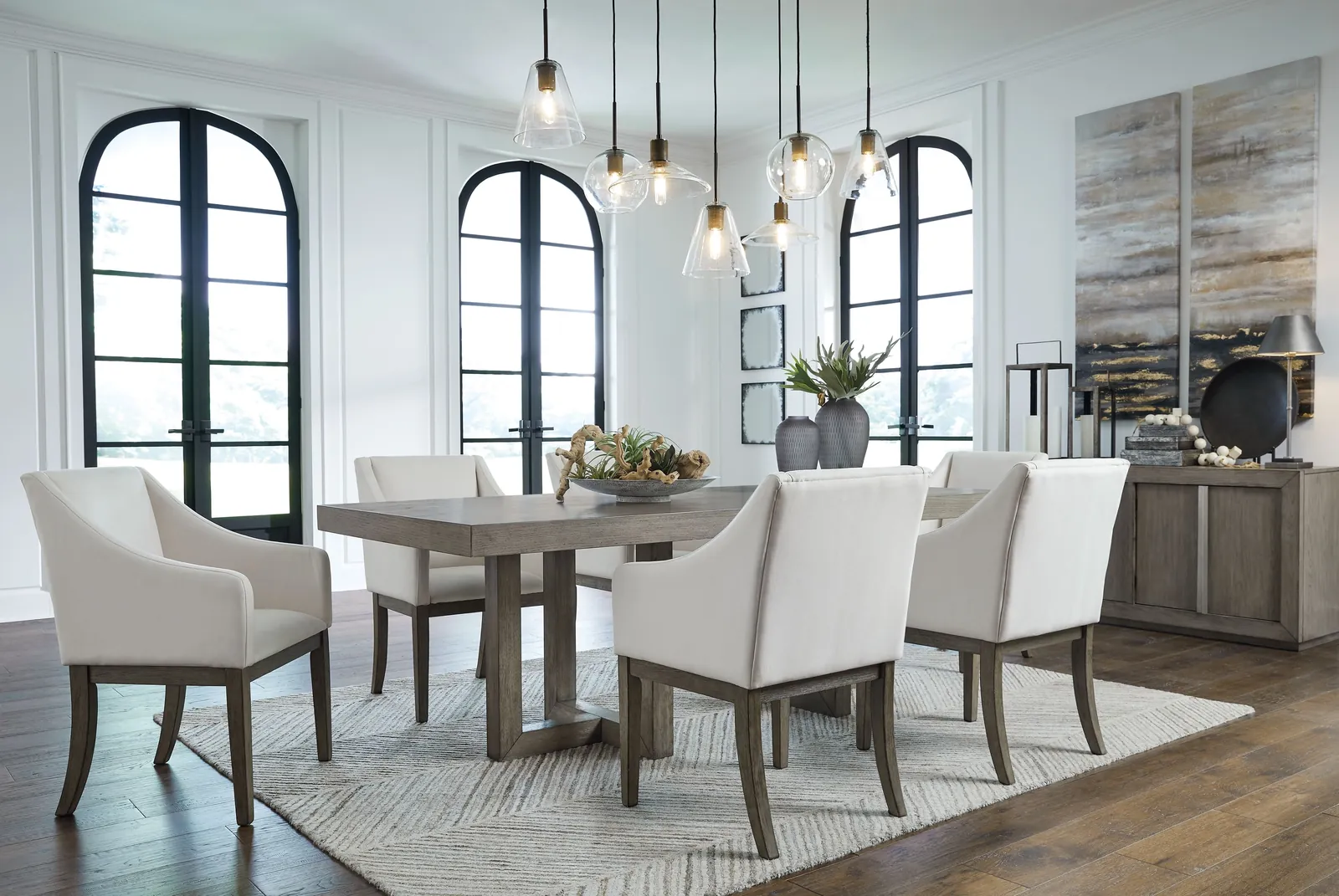
- Clear a workspace of at least 10 square feet so you have room to move around the furniture without bumping into walls or door frames.
- Place a thick moving blanket on the floor and lay the tabletop face down on it to protect the finished surface from accidental scratches during the wrapping process.
- Wrap the tabletop in two layers of moving blankets, ensuring that all four edges are completely covered and the fabric is tucked tightly underneath the frame.
- Secure the blankets in place using packing tape, but ensure the tape touches only the moving blankets and never the actual finish of the table wood.
- Wrap the legs separately in bubble wrap and secure them with tape, as this prevents them from scratching the tabletop if they shift during transport or storage.
- Place the tabletop vertically on its side if your storage unit has limited floor space, as this reduces the risk of someone placing heavy items on top.
- Use a flat piece of cardboard against the floor to protect the bottom edge of the table from moisture if the storage unit concrete feels cold or damp.
- Label the hardware bag clearly and tape it to one of the table legs so you don’t lose the screws or bolts during the move.
Signs of successful storage
Your table is stored correctly if the surface remains cool to the touch and no light can penetrate the protective blankets. If you notice a musty odor or see condensation on the plastic wrap, you must immediately increase ventilation in your storage area. Check the table every three months to ensure the blankets haven’t slipped and the wood shows no signs of bowing or cracking.
Troubleshooting storage issues
| What happened | Why | What to do |
|---|---|---|
| Surface has water spots | High humidity | Use a dehumidifier |
| Wood feels sticky | Improper cleaning | Clean with mild soap |
| Table wobbles | Loose bolts | Tighten all connections |
| Scratches appeared | Poor padding | Add extra blankets |
| Dents on edges | Impact during move | Use thicker cardboard |
Frequency of maintenance
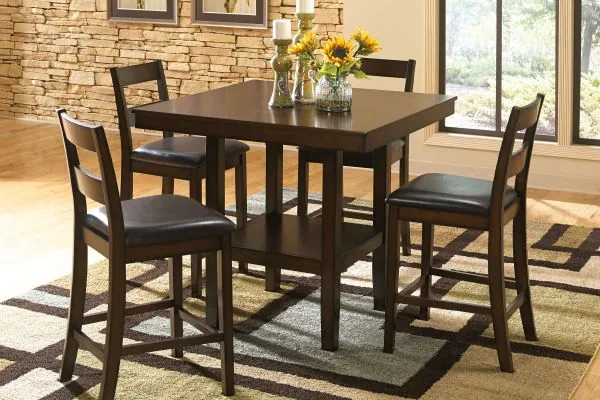
You should check your stored table every three to six months, depending on the local climate. Keep the storage unit between 55 and 75 degrees Fahrenheit to maintain structural integrity.
Frequently asked questions
Can I store a dining room table in a garage?
You can store a table in a garage only if the space is climate-controlled, as standard garages experience temperature swings that cause wood to crack. Without climate control, wood expansion and contraction ruins the finish and weakens structural joints.
Should I take the legs off for storage?
You should always remove the legs if the design allows, as this prevents stress on the joints and makes the tabletop much easier to transport. Keeping legs attached makes the table top-heavy and risks snapping them if bumped.
Is it safe to store a table standing up?
It’s safe to store a table on its side as long as it’s well-supported and can’t tip over. Protect the long edge with cardboard and strap the table to a wall so it can’t fall.
How long can a table stay in storage?
A table can stay in storage for many years provided the environment remains dry and stable. Keep humidity below 50 percent to prevent wood swelling and permanent damage.
What happens if the table gets damp?
Dampness causes wood to warp or develop mold, which often results in permanent structural damage. If you find moisture, move the table to a dry area immediately and use a fan to circulate air until the wood feels completely dry to the touch.
Does it matter if I use plastic wrap directly on the wood?
It matters because plastic wrap traps moisture against the surface, which causes the finish to cloud or peel. Use breathable cotton or moving blankets between the wood and plastic wrap to allow airflow.
How do I stop the table from warping?
You stop warping by keeping the table in a horizontal position and maintaining a consistent temperature. If you must store it vertically, ensure it’s supported along its entire length to prevent the weight of the tabletop from bowing the wood over time.
Conclusion
Proper storage ensures your dining room table remains in excellent condition for years, regardless of how long it stays tucked away. By avoiding direct plastic contact and monitoring the humidity in your chosen space, you protect the wood from the most common environmental hazards. Always prioritize stability and breathability to keep the finish and structure intact until you’re ready to use the table again.
Related guides