
Raising a swivel chair is typically accomplished by utilizing the pneumatic adjustment lever located beneath the seat, which controls the gas cylinder’s height. If your chair is failing to hold its height, the internal gas lift mechanism may be depleted or damaged, requiring a replacement part or a mechanical intervention to restore functionality. Most office furniture utilizes a standard tapered fit, meaning that with the right tools and a bit of force, you can swap out the lift cylinder to return your chair to its original, ergonomic performance.
Key Takeaways
- Locate the adjustment lever under the seat to trigger the pneumatic lift.
- Ensure your weight is off the chair when raising it to allow the cylinder to extend.
- If the chair sinks, the gas cylinder has likely lost its internal pressure.
- You can replace a faulty cylinder using a pipe wrench and a rubber mallet.
- Always verify your weight capacity to prevent premature failure of the lift unit.
How to Raise a Swivel Chair
Most modern office chairs rely on a pneumatic gas lift that operates via a simple lever mechanism. To raise the seat, stand up so you aren’t applying any weight to the cushion. Reach under the seat to find the lever, usually positioned on the right side.
Pull the lever upward firmly. The chair should automatically rise to its maximum height. Once you reach the desired elevation, release the lever to lock the mechanism into place. If the chair doesn’t move, ensure the lever isn’t obstructed by debris or a loose screw.
Why Won’t My Chair Stay Up?
The most frequent cause for a chair that sinks immediately after being raised is a faulty gas lift cylinder. Over time, the internal seals within the cylinder wear out, causing the pressurized nitrogen gas to leak. When the seal fails, the cylinder can no longer support the weight of the user, leading to a “sinking” sensation. Other common causes include a damaged adjustment lever cable or a loose connection between the seat base and the cylinder.
| Problem | Potential Cause |
|---|---|
| Chair won’t raise | Lever cable is disconnected |
| Chair sinks while sitting | Failed gas cylinder seal |
| Chair is stuck at bottom | Rusted internal components |
| Lever feels loose | Broken spring in housing |
Is My Chair Cylinder Replaceable?
Yes, most office chairs feature a universal design where the cylinder is held in place by friction rather than permanent fasteners. You can purchase a replacement cylinder from office supply retailers or furniture component manufacturers. Ensure you measure the length of your current cylinder before buying a replacement to guarantee a proper fit.
Tools for Cylinder Removal
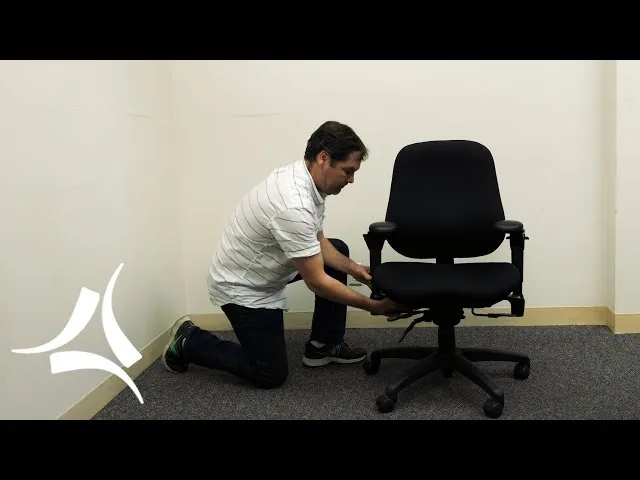
To replace the lift mechanism, you’ll need a specific set of tools to break the friction bond between the metal parts. Using the right equipment prevents damage to the plastic base or the seat pan.
- Heavy-duty pipe wrench (for gripping the cylinder)
- Rubber mallet (for tapping the base)
- Penetrating oil (to loosen rusted joints)
- Safety goggles (to protect eyes from debris)
Steps to Replace the Cylinder
Warning: Be cautious when using a mallet, as the metal parts can be sharp and heavy. Start by flipping the chair over to expose the underside. Use a pipe wrench to twist the cylinder housing, which helps break the seal. Once the tension is released, use the rubber mallet to tap the cylinder out of the five-star base. You may need to apply penetrating oil if the unit has been in place for several years. After the old cylinder is removed, simply slide the new one into the base and attach the seat mechanism.
How to Maintain Swivel Chair Height
Regular maintenance extends the lifespan of your chair components significantly. Periodically check that all mounting bolts are tightened to the seat pan to ensure the lever mechanism has proper leverage. Avoid “dropping” onto your chair with excessive force, as this sudden pressure spike can damage the pneumatic seal inside the cylinder. Keeping the base free of carpet fibers and dust also prevents the swivel rotation from putting unnecessary torque on the lift unit.
Troubleshooting Common Lift Issues
If the lever is pulled but nothing happens, check the connection between the lever and the cylinder button. Sometimes the actuator rod becomes misaligned. You can often fix this by removing the plastic shroud and realigning the rod with the button on top of the cylinder.
If the chair is stuck in the highest position, the button may be stuck in the depressed state; a light tap with a hammer on the top of the cylinder button can often release it.
Selecting a New Gas Cylinder
When purchasing a replacement, consider the class of cylinder you need. Class 3 and Class 4 cylinders are generally recommended for heavy-duty use, as they provide better weight capacity and durability compared to standard Class 1 or Class 2 units. Always check the diameter of the cylinder top and bottom to match your specific chair model.
| Cylinder Class | Typical Weight Capacity | Best Use Case |
|---|---|---|
| Class 2 | 200–225 lbs | Light office work |
| Class 3 | 250–300 lbs | Standard daily use |
| Class 4 | 350+ lbs | Heavy-duty/Gaming chairs |
Related guides
- Office Chair for Back Problems: 3 Essential Adjustments
- Chair With Wheels Is Called a Task Chair or Swivel Chair
- How to Make an Ergonomic Chair: Custom Adjustments Guide
Frequently Asked Questions
Can I raise a chair that has no lever?
If your chair lacks a lever, it likely uses a manual screw-style adjustment. Simply rotate the entire seat clockwise to raise it or counter-clockwise to lower it. Once the desired height is reached, some models feature a locking ring that you tighten against the seat base to prevent the chair from spinning or lowering further during normal use.
Is it dangerous to fix a gas cylinder?
While generally safe, there’s stored pressure inside the unit. Never attempt to cut, drill, or heat a gas cylinder, as this can lead to an explosive release of pressurized gas. Always work in a well-ventilated area and wear eye protection. If the cylinder is severely corroded or damaged, it’s safer to replace the entire unit rather than attempting a repair.
How do I know if my cylinder is the right size?
Measure the length of the outer cylinder tube while it’s fully extended. Most standard chairs use a 5-inch or 6-inch stroke cylinder, but some tall or short versions exist. You should also verify the diameter of the bottom part that fits into the base; the industry standard for most office chairs is 2 inches, though some specialized furniture uses metric sizing.
Does weight affect the chair height?
Yes, the pneumatic cylinder is designed to support a specific range of weight. If you consistently exceed the chair’s maximum weight rating, the internal seals will fail much faster, causing the chair to sink. Ensure your chair is rated for your body weight to maintain optimal height and comfort over the long term.
Should I grease the cylinder?
You can apply a small amount of silicone-based lubricant to the sliding shaft of the cylinder to ensure smooth operation. Avoid using heavy grease or oil, as these can attract dust and debris, which may eventually damage the seals. A simple wipe-down with a clean cloth followed by a light silicone spray is sufficient to keep the movement fluid and quiet.
Conclusion
If your chair continues to sink despite your best efforts, it’s likely time to replace the gas lift cylinder entirely. Check the underside of your seat for a manufacturer sticker to identify the specific model number, then search for a compatible replacement part online or at a local office supply store to restore your chair’s height functionality today.