
To create a flattering silhouette while sitting, place your weight on the front edge of the seat, keep your spine tall, and angle your body slightly away from the camera. Mastering chair poses helps you look natural and confident.
Preparing your chair for the pose
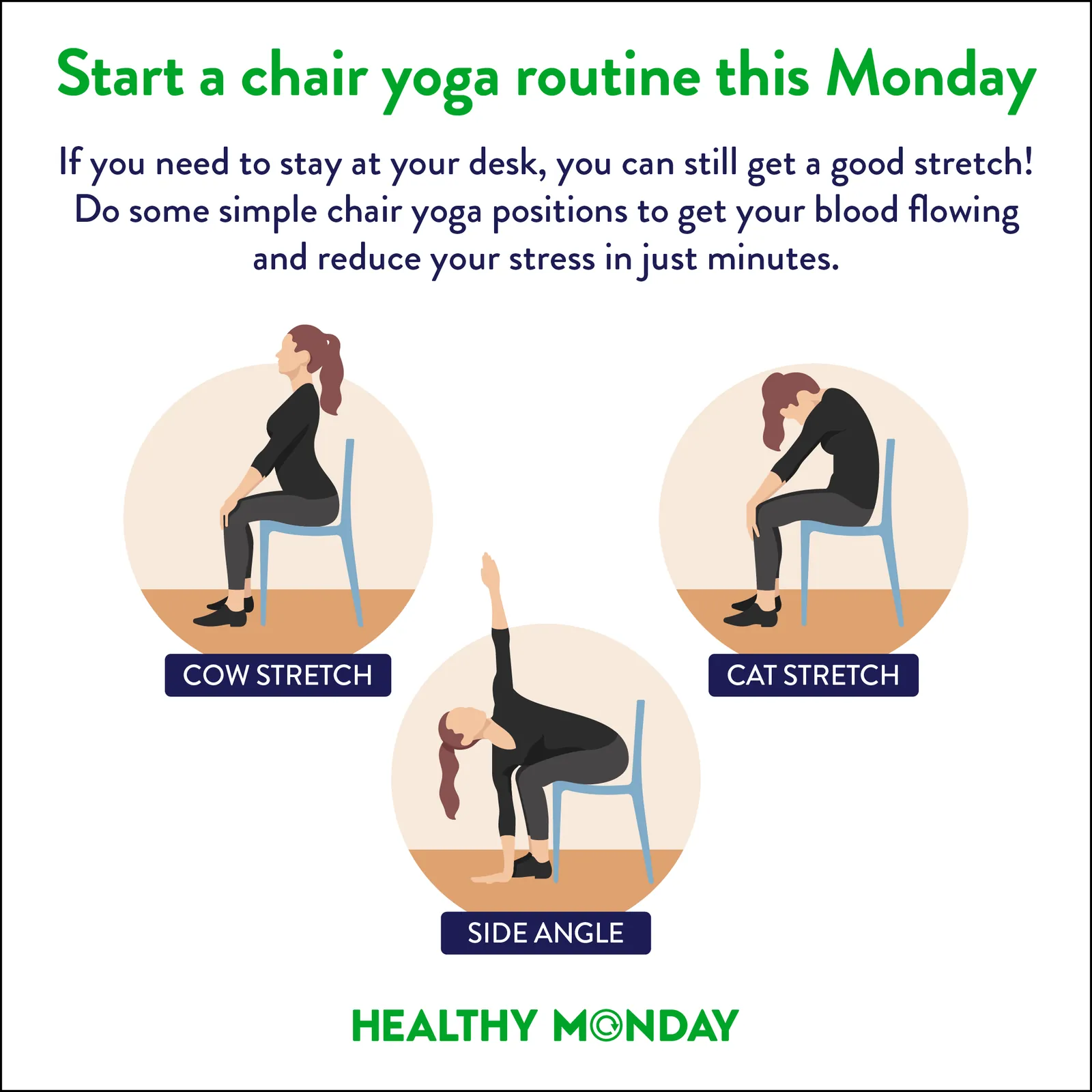
To get the best results, you need a few items to control your environment and comfort. Use this list to prepare for your session:
- A chair with a low back or no arms, which allows for more movement.
- A firm cushion if the seat is too deep for your frame.
- A full-length mirror to check your lines before the camera clicks.
- Proper lighting, ideally placed at a 45-degree angle to your face.
- Comfortable clothing that doesn’t bunch up when you sit down.
You can use a stool as a substitute, but avoid chairs with thick, bulky cushions that hide your waistline. For professional guidance on posture and ergonomics, check the Occupational Safety and Health Administration guidelines on neutral body positioning.
Steps for a professional seated look
- Sit toward the front third of the seat to prevent slouching and keep your back away from the chair rest.
- Extend one leg slightly forward toward the camera while keeping the other bent and tucked back near the chair base.
- Place your hands on your thighs or rest one elbow on your knee to create interesting angles with your arms.
- Lean your torso slightly forward from the hips, which engages your core and prevents the fabric of your clothes from folding.
- Cross your ankles instead of your knees if you want to create a longer, leaner line for your legs in the frame.
- Drop your shoulders away from your ears to elongate your neck and create a more relaxed, approachable appearance in the image.
Tip: Avoid pressing your thighs flat against the seat, as this makes legs look wider. Careful: Don’t lock your joints, as this creates a stiff and unnatural look that’s difficult to fix in editing.
Adjusting for your specific chair type
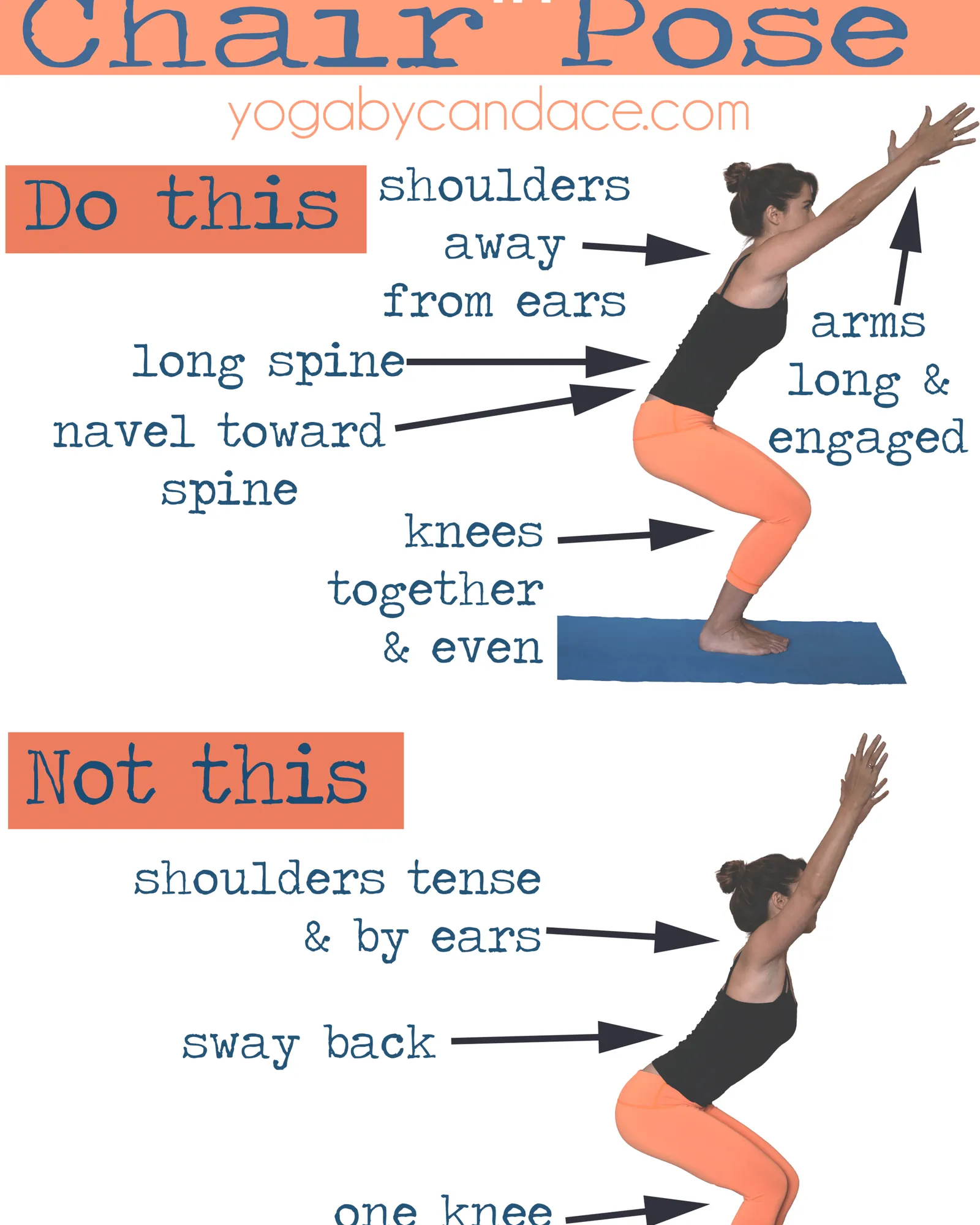
The style of your furniture changes how you must position your body to maintain a clean line. Starting with small adjustments is safer than trying to force an extreme pose that feels stiff.
| Chair Type | Time Needed | What Changes | Watch For |
|---|---|---|---|
| Stool | 2 Minutes | No back support | Slouching |
| Armchair | 5 Minutes | Hidden waistline | Clothing bunches |
| Dining Chair | 3 Minutes | Rigid frame | Stiff shoulders |
| Office Chair | 4 Minutes | Height changes | Mechanical parts |
Identifying a successful pose
A good pose feels balanced and looks intentional rather than accidental. If your torso is twisted too far or your neck looks strained, the pose is likely too forced. You can prevent this by keeping your head aligned with your spine and your weight shifted slightly toward the front of the seat.
If you feel like you’re sliding, you’re likely sitting too far back. A natural pose should allow you to breathe easily and move your limbs without feeling cramped or restricted by the furniture.
Rules and final adjustments
Good posture requires you to maintain a neutral spine, a standard recommended by the American Physical Therapy Association for long-term health. Once you finish your session, clear the area of any extra equipment and check your clothes for wrinkles caused by the fabric bunching against the seat.
These poses usually look best for only a few minutes before you need to stand up and reset your circulation. If you have chronic back pain, consult a physical therapist before attempting complex or twisted seated poses.
Alternative approaches to seated photography
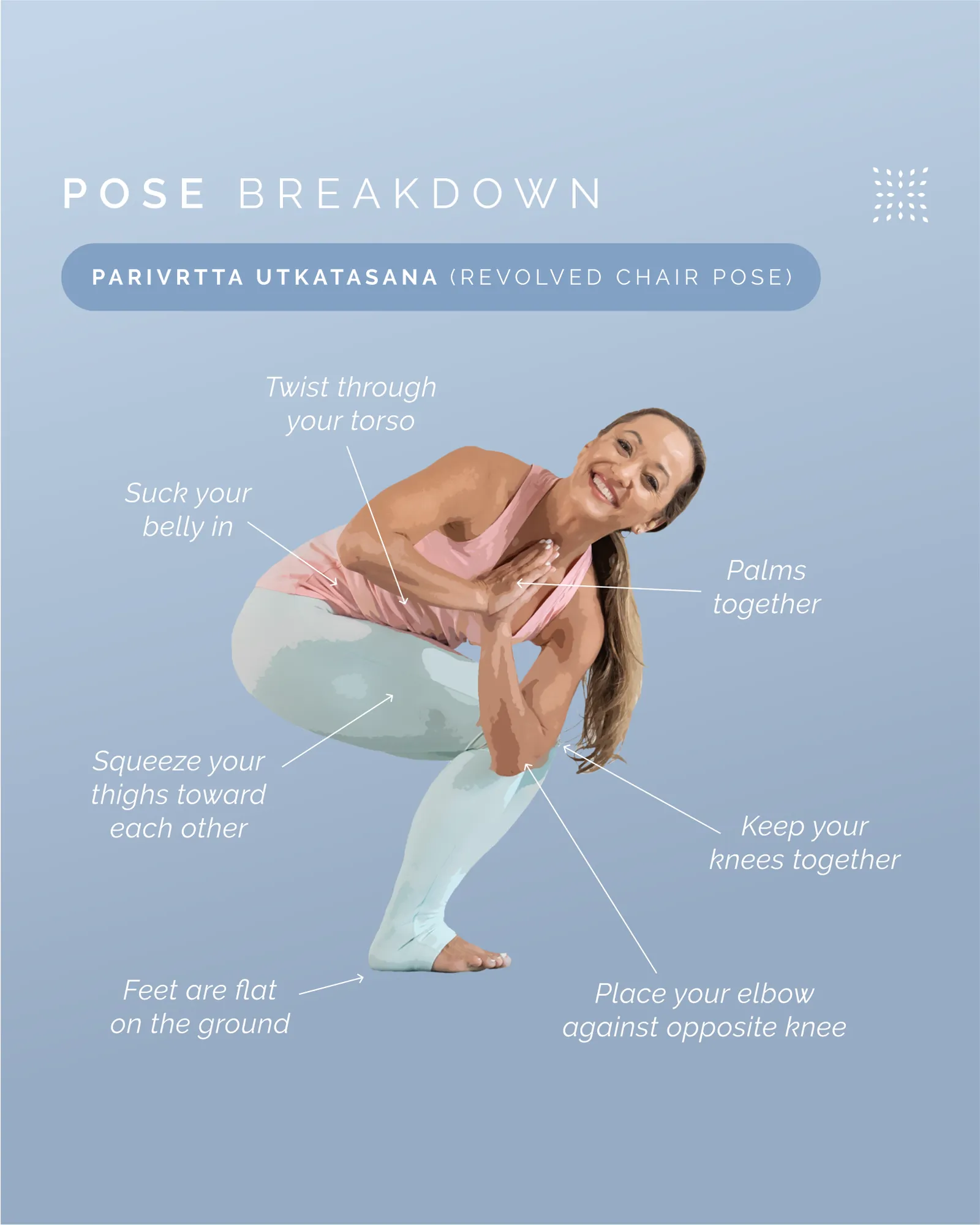
Using a stool
A stool removes the backrest, which forces you to use your core muscles for support. This creates an upright, active look that works well for fashion or professional branding shots.
Incorporating floor space
Sitting on the edge of a chair while placing your feet on the floor creates a grounded, relaxed vibe. This reduces the height of the chair and makes you appear more approachable.
Side-profile seating
Turning your body 90 degrees to the camera while looking back over your shoulder creates a dramatic silhouette. This method hides the width of the chair and emphasizes your body’s natural curves.
Frequently asked questions
How long should I hold a pose?
Hold your pose for 5 to 10 seconds to ensure the photographer captures a clear image. If you hold it longer, your muscles may start to shake, which makes the pose look tense rather than natural.
Why do my legs look wide in photos?
Your legs look wide because they’re likely pressed flat against the seat surface. To fix this, lift your thighs slightly or angle your body to the side so only one leg is prominent in the frame.
Is it safe to pose on high chairs?
It’s safe if you keep your feet firmly planted on a stable surface. Avoid leaning too far back or to the side, as high chairs have a higher center of gravity and can tip over if you shift too much.
What happens if I slouch?
Slouching creates horizontal lines in your torso and makes your neck appear shorter. This happens because your spine curves, which causes your clothes to bunch up and hides your natural waistline from the camera lens.
How do I stop my clothes from bunching?
Pull your clothing smooth from the back before you sit down. Keeping your weight on the front edge of the seat prevents the fabric from catching on the chair and creating unwanted folds or creases.
Can I cross my legs while sitting?
You can cross your ankles or knees depending on your preferred look. Crossing at the ankles is generally more flattering for portraits because it elongates your legs and prevents muscle bunching.
Conclusion
Don’t be afraid to experiment with these adjustments until you find the angles that make you feel like your best self. Grab your phone or a camera today, pull up a seat, and snap a few practice shots. You’ll be surprised at how quickly you’ll find your most comfortable, photogenic look.