
Opening a dining table involves unlocking the latches beneath the frame and pulling the two halves apart to insert the center leaf.
Items needed to open your dining table
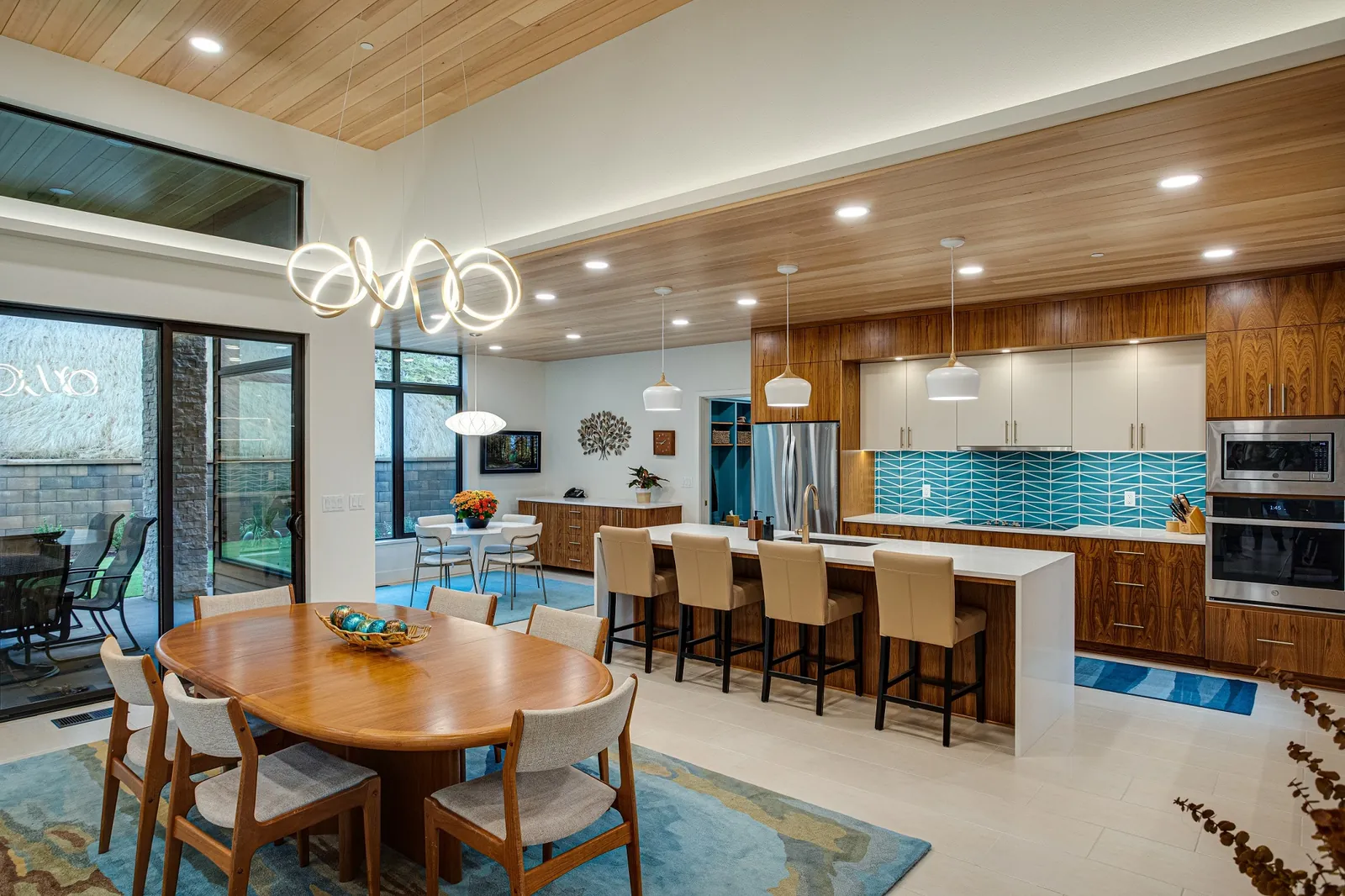
You’ll need a few simple items to prepare your dining space for extra guests. Before you begin, check your table manual for specific weight limits and leaf storage instructions.
- A soft blanket or rug to place on the floor.
- Furniture polish or a microfiber cloth for cleaning.
- A flat-head screwdriver if your latches are stuck.
- A helper to lift the heavy tabletop sections.
If you don’t have the original manual, search for the manufacturer’s website to find support documentation for your specific table model. Always use a second person for safety, as heavy wood tops can cause back strain or pinched fingers if handled alone.
Steps to expand the table
- Clear all items, including placemats and dishes, from the tabletop to prevent scratching the surface.
- Locate the locking latches underneath the table frame by kneeling at one end of the unit.
- Unlock all metal or wooden clips by flipping the levers or turning the knobs until they release.
- Grip the ends of the table firmly and pull the two main sections outward until the center gap is wide enough for the leaf.
- Lift the center leaf section carefully from its storage compartment inside the table frame.
- Place the leaf into the center gap, ensuring the alignment pins fit perfectly into the corresponding holes on both halves.
- Push the two main sections back toward the center until they’re snug against the leaf.
- Secure the latches underneath the frame to lock the table in its new, extended position.
Tip: If the leaf doesn’t sit flat, check for debris in the guide tracks. Careful: Don’t force the table sections apart if you feel resistance, as this can break the internal metal glides.
Adjusting for different table types
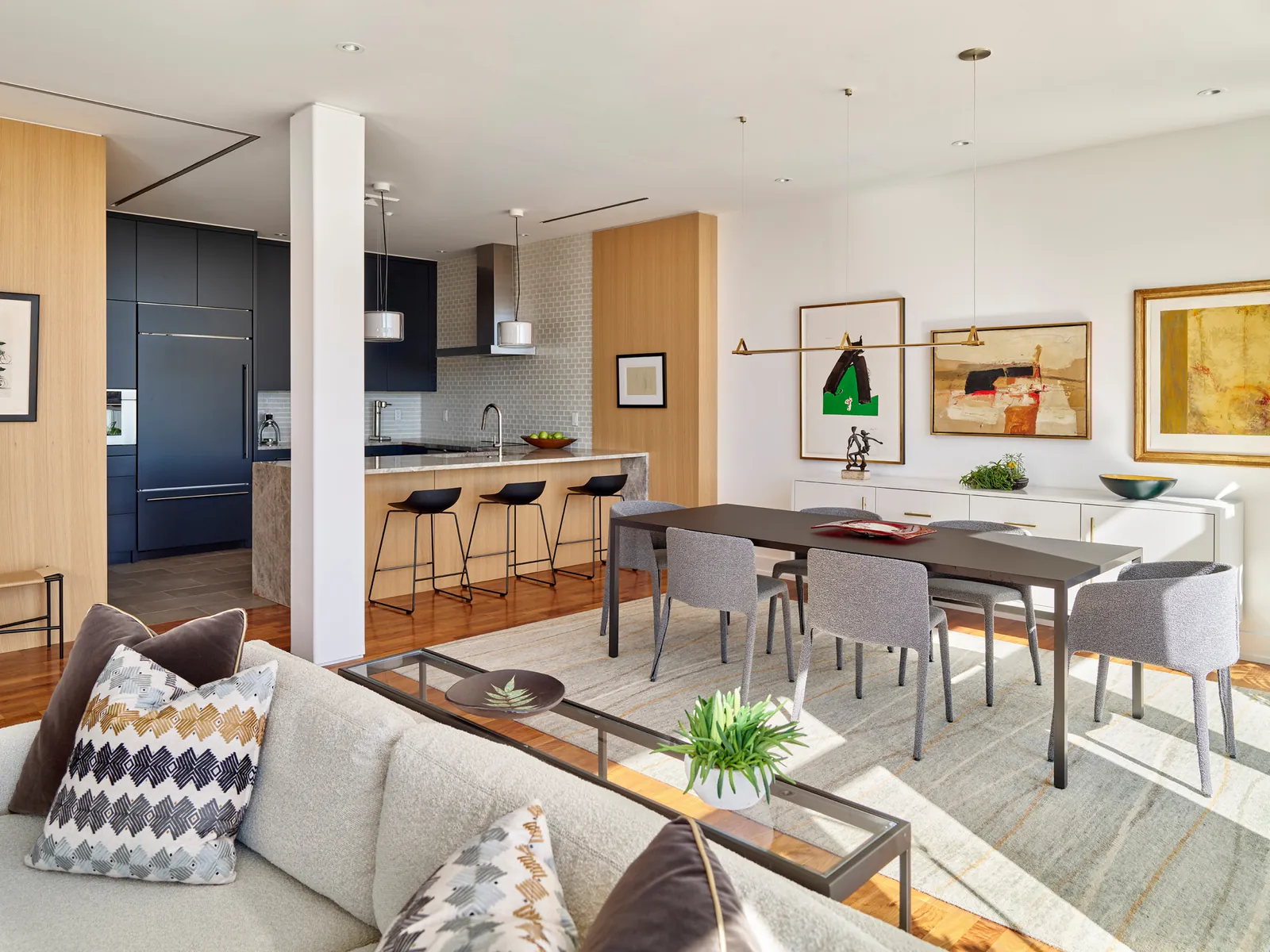
The time and effort required to change your table size depend on the specific design of the furniture. Always start with a small adjustment to ensure the weight remains balanced before you fully extend the unit.
| Table Type | Time Needed | Effort Level | Watch For |
|---|---|---|---|
| Butterfly leaf | 1 minute | Low | Folding hinges |
| Drop-leaf | 30 seconds | Very low | Support arms |
| Removable leaf | 3 minutes | High | Alignment pins |
| Pedestal base | 2 minutes | Medium | Floor stability |
How to verify the fit
A successful expansion results in a flat, seamless surface where the leaf meets the main table halves. If you notice a visible ridge or a gap, the alignment pins are likely not seated properly in their holes. This happens because the table base may be slightly uneven on your floor.
You can prevent this by placing furniture levelers under the legs. Always check that the underside latches are fully engaged before placing heavy items on the table to prevent the sections from shifting during use.
Rules for table maintenance
Most manufacturers recommend keeping your dining table in a climate-controlled room to prevent the wood from warping, which makes it harder to open the frame. After you finish using the extended table, clean the tracks with a dry cloth before storing the leaf. If you notice the wood sticking during the winter months, it’s likely due to humidity changes. If you aren’t confident in moving heavy furniture, ask a professional furniture mover to assist you with the adjustment.
Alternative expansion methods
Using a table bridge
Some people use a separate, smaller folding table positioned at the end of their main table. This increases surface area without needing to open the main frame, which saves time and prevents mechanical wear.
Adding a table extender
You can buy custom-made wood extensions that clamp onto the edges of a table. These are useful for round tables that don’t have built-in leaves, though they may not support heavy serving platters.
Hiring furniture assembly help
If your table is very heavy or the mechanism is complex, local handymen can perform the expansion for you. This is the safest way to avoid damage to expensive antique tables or delicate locking systems.
Frequently asked questions
Can I open a dining table alone?
Yes, you can open many smaller tables alone, but it’s risky for large or heavy pieces. Always use a second person to avoid back injuries or scratching your floor when pulling the heavy sections apart.
How do I know if my table has a leaf?
Look for a seam in the center of the tabletop and check underneath for a storage compartment. If you see metal clips or a split frame, your table is almost certainly designed to hold an extension leaf.
Is it safe to leave the table extended?
Yes, it’s perfectly safe to leave the table extended as long as the locking latches remain secured. Check the latches every few weeks to ensure they haven’t loosened from the vibration of daily use.
What happens if the leaf is stuck?
It’s likely that the wood has expanded due to humidity. Don’t force it; instead, wait for a drier day or use a small amount of furniture wax on the tracks to help the pieces slide.
How often should I clean the table tracks?
You should clean the tracks every time you insert or remove the leaf. Dust and crumbs can build up inside the glides, causing the table to jam or sit unevenly when you try to close it.
Proper maintenance of your dining table ensures that the expansion mechanism stays smooth for years to come. Always keep the surface clean and handle the leaf with care to prevent chipping the edges.
Conclusion
Once everything is securely locked back into place, you’re ready to set the scene for your guests. Adding a festive tablecloth or a simple centerpiece will make the expanded surface look inviting. You’ll find that hosting larger groups becomes much easier when you’ve got plenty of room for everyone to gather around.
Related guides