
Picking a dining table requires matching your room’s clear floor space, household size, and daily usage patterns to specific dimensions and durable materials. A quality four-person table typically costs between $800 and $2,500, while six-to-eight-seat solid wood tables range from $1,500 to $4,000 depending on joinery and finish.
Key Takeaways
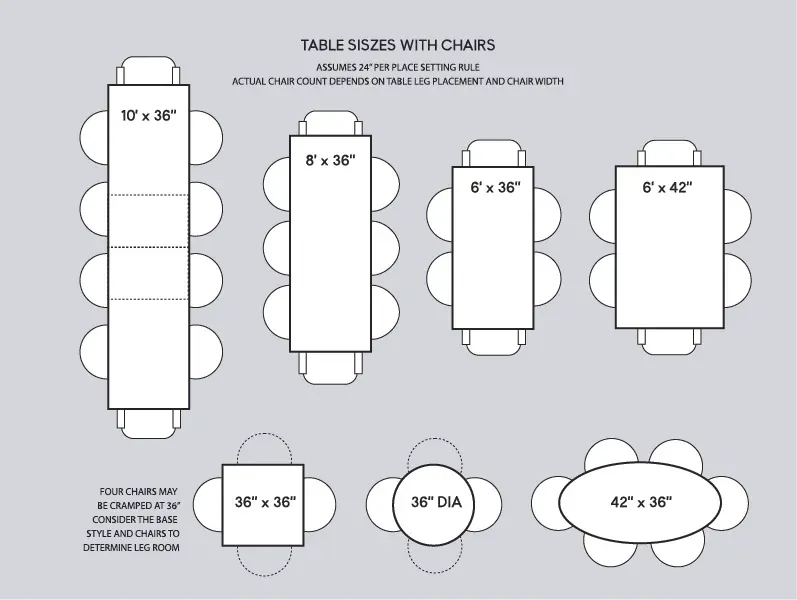
- Allow 36 inches of clearance between the table edge and walls or furniture to permit comfortable chair movement and traffic flow.
- Allocate 24 inches of linear width per diner to prevent elbow bumping during meals and ensure adequate place setting space.
- Choose round tables for small square rooms to improve circulation and eliminate sharp corners in tight pathways.
- Select extension mechanisms with metal hardware rather than wood-on-wood slides to guarantee long-term durability and smooth operation.
- Verify leg placement before purchasing to confirm chairs fit completely underneath without hitting stretchers or aprons.
- Test finishes with water and oil samples to ensure they resist staining from common food spills and cleaning products.
How to Pick a Dining Table Size
Measure your dining area’s length and width, then subtract 72 inches from both dimensions to determine the maximum table footprint. Never rely solely on room dimensions; account for sideboards, buffets, or door swings that reduce usable floor space.
Standard Dimension Guidelines
| Seats | Rectangular Size | Round Diameter | Clearance Needed |
|---|---|---|---|
| 4 | 36″ x 48″ | 42″-48″ | 10′ x 11′ |
| 6 | 36″ x 72″ | 54″-60″ | 10′ x 13′ |
| 8 | 36″ x 96″ | 60″-72″ | 10′ x 15′ |
Choosing the Right Shape
Rectangular tables maximize seating efficiency in elongated rooms and align naturally with most architectural layouts.
Round and oval shapes excel in square rooms or open-plan areas where traffic flows around the furniture from multiple directions. Both shapes require more central floor space relative to seating capacity compared to rectangles, so verify diameter requirements carefully before committing to curved silhouettes in compact dining areas.
Material Durability and Maintenance

Solid hardwoods like white oak, walnut, and maple offer repairability that veneers can’t match; scratches and dents can be sanded and refinished multiple times over decades.
Pro Tip: Request manufacturer test data on finish resistance to heat, moisture, and chemicals before purchasing, as performance varies dramatically between polyurethane, lacquer, oil, and wax coatings regardless of wood quality claims.
Understanding Base and Leg Styles
Pedestal bases maximize legroom and chair flexibility since no corner legs obstruct seating positions or knee space. Four-legged designs remain classic but require careful measurement of stretcher height and apron depth to ensure standard dining chairs slide fully underneath when not in use.
Chair Compatibility Checklist
| Feature | Measurement | Why It Matters |
|---|---|---|
| Apron Height | ≥ 5″ below top | Prevents thigh contact |
| Stretcher Height | ≥ 12″ from floor | Allows foot clearance |
| Leg Spacing | ≥ 26″ apart | Fits armchair widths |
| Table Overhang | ≥ 3″ past leg | Provides knee room |
Extension Mechanisms Explained
Drop-leaf extensions save space in apartments by collapsing sides flat against the base when unused, though they often wobble if hardware wears unevenly over time.
Warning: Test extension mechanisms repeatedly in-store before purchase; stiff operation indicates poor manufacturing tolerances that will worsen with seasonal wood movement and eventually fail during critical hosting moments.
Budget Allocation Strategies
Invest heavily in structural integrity and surface durability rather than decorative elements that date quickly or wear poorly. Remember that refinishing existing heirloom pieces often costs less than replacing them with inferior new alternatives, preserving both sentimental value and superior vintage craftsmanship.
Frequently Asked Questions
What is standard dining table height?
Standard dining tables measure 28 to 30 inches tall, accommodating most chair seat heights of 17 to 19 inches. Counter-height tables reach 34 to 36 inches and require specialized bar stools. Always measure your specific chairs before purchasing, as vintage or custom seating may deviate from modern standards and create uncomfortable ergonomics if mismatched with contemporary table proportions.
How many people fit at a round table?
A 42-inch round table seats four comfortably, while 54-inch rounds accommodate six and 60-inch rounds fit eight with tighter spacing. Each diner requires approximately 24 inches of arc circumference for adequate elbow room. Exceeding recommended capacities forces guests into awkward positioning and makes passing dishes impractical.
Which wood is best for families?
White oak and hard maple resist dents and stains better than cherry or walnut due to tighter grain patterns and higher Janka hardness ratings. Matte or satin finishes hide fingerprints and minor scratches more effectively than high-gloss surfaces. According to the USDA Forest Service wood database, closed-grain hardwoods also absorb fewer liquids, making cleanup easier after inevitable spills involving children.
Can I use outdoor tables indoors?
Yes, teak, acacia, and powder-coated aluminum outdoor tables function excellently indoors due to superior moisture and scratch resistance. However, some outdoor finishes contain UV stabilizers or mildewcides unsuitable for enclosed spaces. Verify manufacturer specifications confirm indoor safety compliance before bringing exterior furniture inside, especially in homes with young children or pets who may contact surfaces directly during meals.
Do glass tables show everything?
Tempered glass reveals fingerprints, dust, placemat slippage, and leg visibility constantly, demanding frequent cleaning to maintain acceptable appearance. Frosted or textured glass reduces visibility of smudges but sacrifices the transparent aesthetic many buyers seek. Consider whether your household’s tolerance for perpetual maintenance aligns with glass’s inherent transparency before choosing it over forgiving opaque materials that age gracefully with minimal daily intervention.
Are benches practical for everyday use?
Benches maximize seating density and tuck completely under tables to save floor space when not in use. However, they lack back support for extended meals and require all occupants to stand simultaneously for anyone to exit. Reserve benches for casual family breakfasts or children’s seating rather than primary adult dining positions where individual comfort and independent mobility matter significantly during longer dinner gatherings.
Conclusion
Measure your space today using the clearance guidelines above, then visit local showrooms to test chair-to-table ergonomics in person before finalizing any purchase decision online.