
A sleeper chair is a piece of furniture that functions as a comfortable seat during the day and unfolds or pulls out to become a single bed at night. It’s a smart, space-saving solution for small rooms, guest areas, or offices where you need a dual-purpose item for occasional sleeping.
The primary thing to know is the mechanism. Some models use a pull-out frame, while others rely on folding cushions that lay flat on the floor. If you choose a pull-out, you need enough floor space for the full length of the bed. If you choose a folding style, ensure the fabric is durable enough to handle frequent bending.
The most common mistake people make isn’t measuring the room with the chair fully opened. They measure the footprint of the chair as a seat, but they forget that the bed might extend 70 to 80 inches into the room. This makes it impossible to walk around the bed or open the door once it’s set up.
How to assemble your sleeper chair
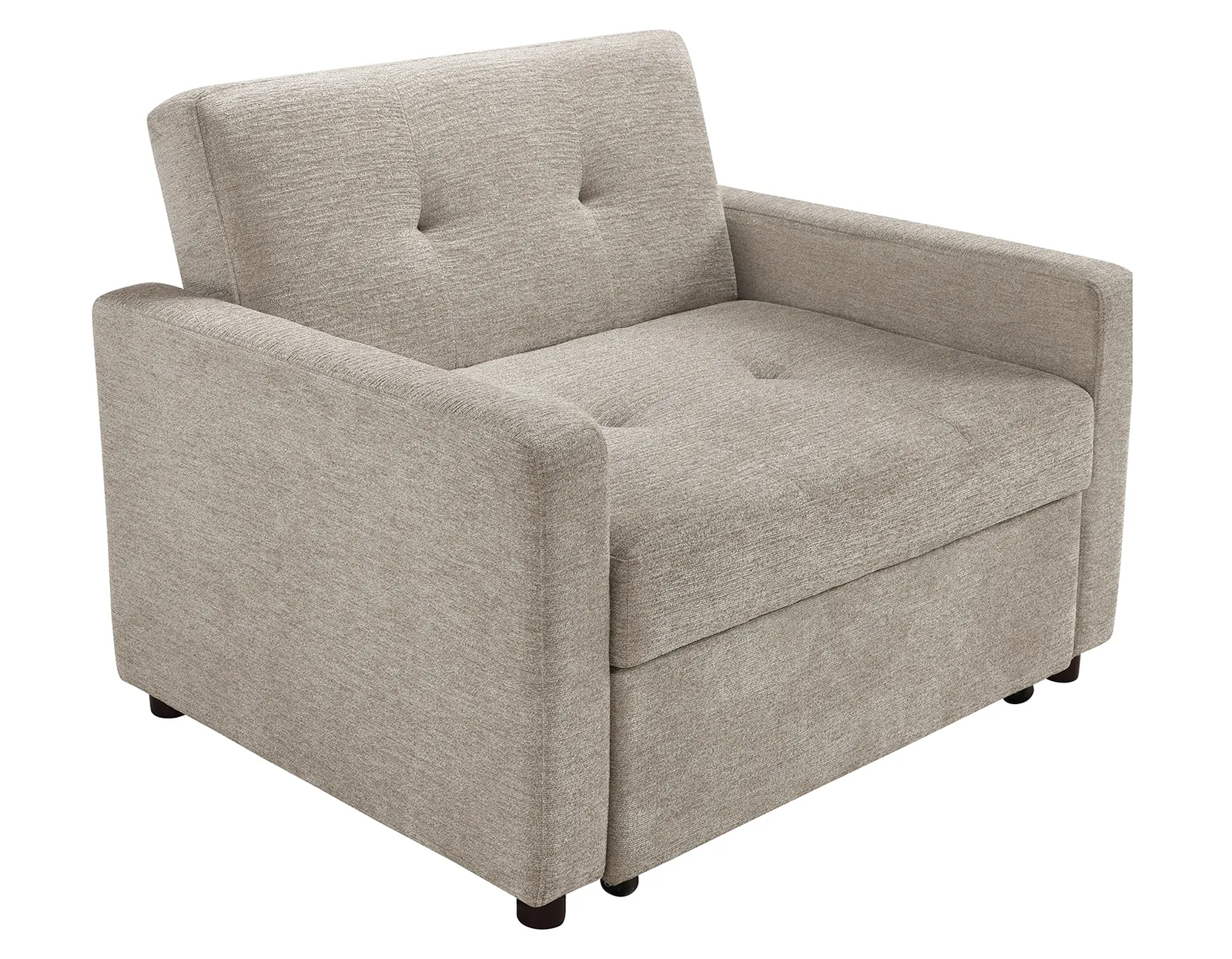
- Clear the floor space in front of the chair to ensure you have at least 80 inches of clearance. Moving heavy furniture is easier if you use sliders under the legs to protect your floors.
- Remove any loose back cushions or decorative pillows from the seating area. Place these in a closet or a storage bin to keep them clean while the bed is in use.
- Grip the front edge of the seat frame firmly. Most modern designs feature a hidden strap or a sturdy metal handle to help you pull the mechanism forward smoothly.
- Pull the frame out until the legs lock into place on the floor. Ensure the unit is stable and doesn’t tip over when weight is applied to the end of the extended frame.
- Unfold the mattress or the cushion sections carefully to create a flat surface. If your model uses a folding foam design, smooth out the seams so they don’t feel uncomfortable against your back.
Tip: If the frame feels stiff, don’t force it. Check underneath for any fabric caught in the hinges.
Time needed for setup
The time required to convert your chair depends on the specific folding mechanism. Simple foam models are faster to deploy than heavy metal pull-out frames.
| Mechanism Type | Setup Time | What changes it | What to watch for |
|---|---|---|---|
| Folding Foam | 10 seconds | Cushion thickness | Seam alignment |
| Pull-out Frame | 45 seconds | Metal hardware | Floor scratching |
| Click-clack | 15 seconds | Backrest weight | Wall clearance |
If it takes longer than two minutes to open your unit, stop and inspect the joints for debris or loose screws.
Checking the condition of your bed
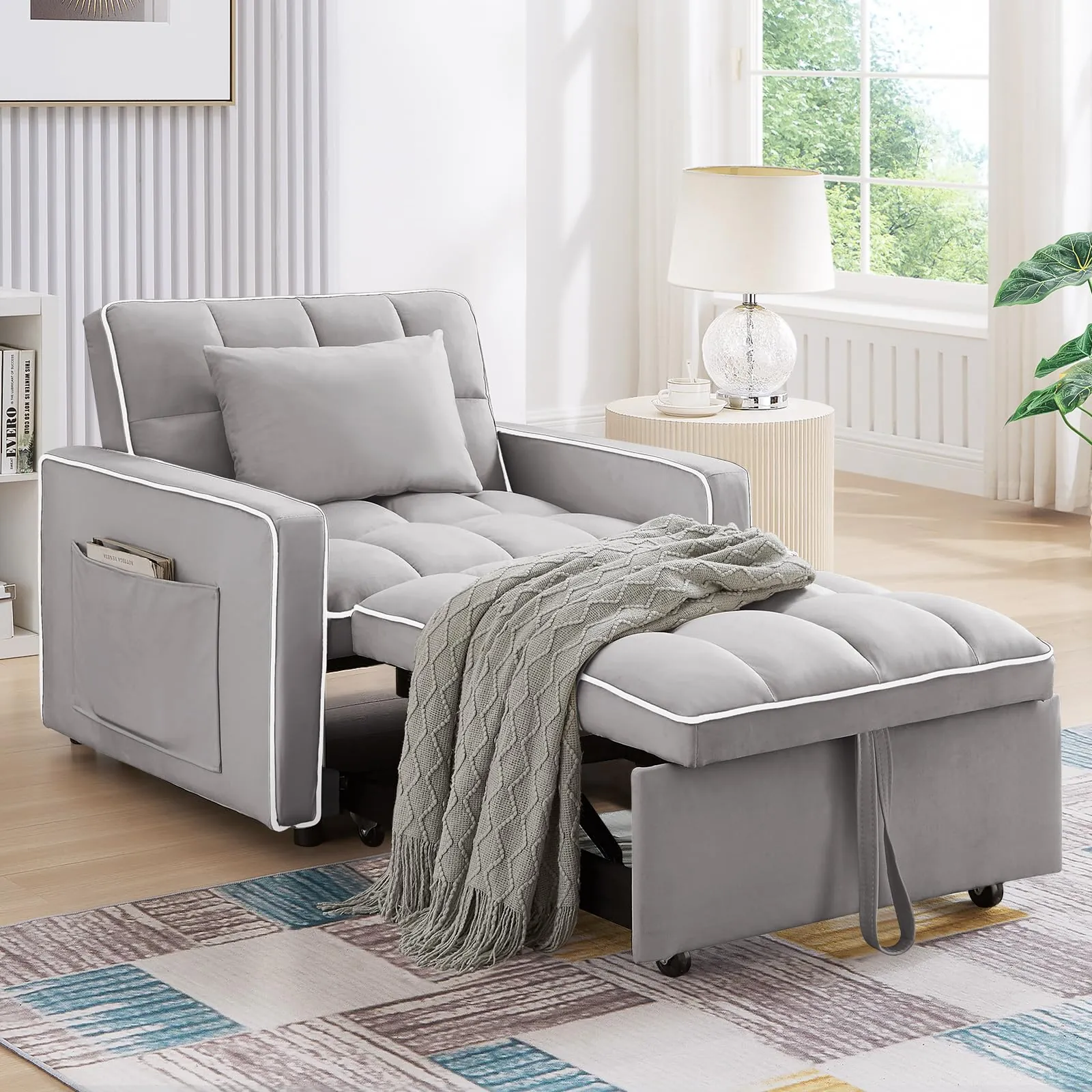
You know the chair is ready when the support legs are firmly touching the floor and the mattress surface is level. Test the stability by applying downward pressure on the corners of the bed. If the frame wobbles, adjust the leveling feet if your model has them. Check the hinges to ensure they aren’t bent, as a misaligned hinge can cause the bed to collapse or pinch your fingers during use.
Errors that ruin your furniture
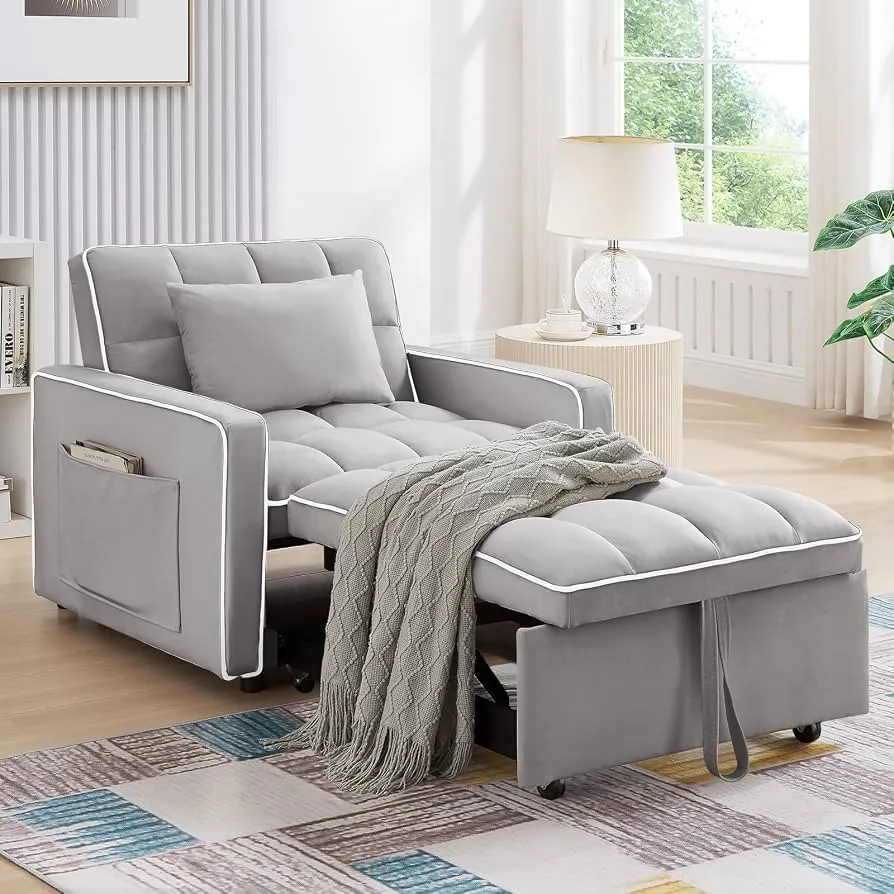
- Ignoring weight limits: Overloading the frame can bend the internal metal supports or permanently compress the foam. Always check the manufacturer’s manual for the maximum weight capacity and stay within that limit to keep the frame straight.
- Dragging instead of lifting: Sliding the chair across the room while it’s extended puts extreme stress on the legs and hinges. Always fold the chair back into its seating position before you attempt to move it to a new spot.
- Using the wrong linens: Using sheets that are too small or lack deep pockets can cause the mattress to bunch up during the night. Invest in fitted sheets designed specifically for narrow or twin-sized sleeper surfaces to keep the bedding secure while you sleep.
Frequently asked questions
Can a sleeper chair replace a regular bed?
No, these chairs are designed for occasional guest use rather than nightly long-term sleep. The mattresses are typically thinner than standard beds, which may lead to discomfort or poor support if used every single night for several years.
How do I clean a sleeper chair?
You should vacuum the crevices weekly to prevent dust buildup in the hinges. For spills, use a damp cloth with mild soap, but avoid soaking the fabric because moisture can cause the internal metal frame to rust or the foam to grow mold.
Is it safe for children to open?
Yes, provided the child is old enough to operate the specific locking mechanism safely. Always supervise the first few uses to make sure they don’t get their fingers caught in the metal folding parts while the bed is being extended.
How much space do I need?
You need a space at least 30 to 40 inches wide and 75 to 85 inches long. Before you buy, measure your room’s total floor area and subtract the size of your other furniture to ensure you can walk around the bed easily.
What is the difference between a sleeper chair and a futon?
A sleeper chair is usually a single-person seat that unfolds into a twin-sized bed, while a futon is typically a wider sofa that turns into a full or queen-sized bed. The folding mechanism in a chair is often more compact and hidden inside the base.
Can I change the mattress?
No, most sleeper chairs have custom-sized mattresses attached to the frame. These aren’t standard sizes you find in stores, so you must use the original mattress provided by the company to ensure the chair folds correctly without jamming the internal parts.
Conclusion
The right choice depends on your specific floor plan and how often you expect guests to stay over. If you have a small home, prioritize a model with easy-to-use hinges, but always leave enough clearance for the frame to extend fully without hitting your walls.
Related guides