
Building a swivel chair involves assembling a sturdy base, a functional rotation mechanism, and a comfortable seat frame. Whether you’re repurposing an old wooden stool or crafting a custom office chair from scratch, the process requires careful attention to structural integrity and ergonomic alignment. Most DIY projects of this nature will cost between $45 and $160, depending on whether you source salvaged components or purchase new, heavy-duty hardware.
Key Takeaways

- Always prioritize a stable, five-point base to prevent tipping during rotation.
- Match your swivel plate size to the mounting holes on your seat bottom.
- Use high-quality steel hardware to ensure the chair supports weight safely.
- Verify that your casters are compatible with your floor type, such as carpet or hardwood.
- Test the rotation smoothness before fully tightening all mounting bolts.
How to Build a Swivel Chair
To build a swivel chair, you must first gather the essential components: a base, a gas lift or fixed pedestal, a swivel plate, and your chosen seat. The swivel plate is the critical heart of the assembly, as it connects the seat to the pedestal while allowing 360-degree movement. Ensure your mounting surface is flat and reinforced to prevent the screws from pulling out under stress.
Essential Components for Assembly
| Component | Function | Material Choice |
|---|---|---|
| Swivel Plate | Rotation | Heavy-duty steel |
| Chair Base | Support | Nylon or aluminum |
| Gas Cylinder | Height adjustment | Grade 4 steel |
| Casters | Mobility | Rubberized or hard plastic |
Choosing the Right Swivel Mechanism
The swivel mechanism must be rated for the intended user’s weight. Many generic plates support up to 250 pounds, but industrial-grade options can handle much more. Always check the manufacturer’s specifications to ensure the unit meets safety standards for office furniture.
Preparing the Seat Foundation
Before attaching the hardware, you need a stable platform. If you’re using a wooden seat, drill pilot holes to avoid splitting the material. Use T-nuts or threaded inserts if you plan on removing the swivel plate frequently, as wood screws can strip over time. If your seat is upholstered, ensure the fabric is pulled taut and stapled securely away from the mounting points to avoid snagging the swivel rotation.
How Do You Align the Base?
Alignment is crucial for a balanced chair. Place your base on a level floor, insert the gas cylinder, and then align the swivel plate on the bottom of the seat. Center the plate precisely; if it’s off-center, the chair will feel wobbly or lean to one side when you sit. Use a measuring tape to verify equal distance from the edges of the seat before marking your drill holes.
Essential Tools for the Job
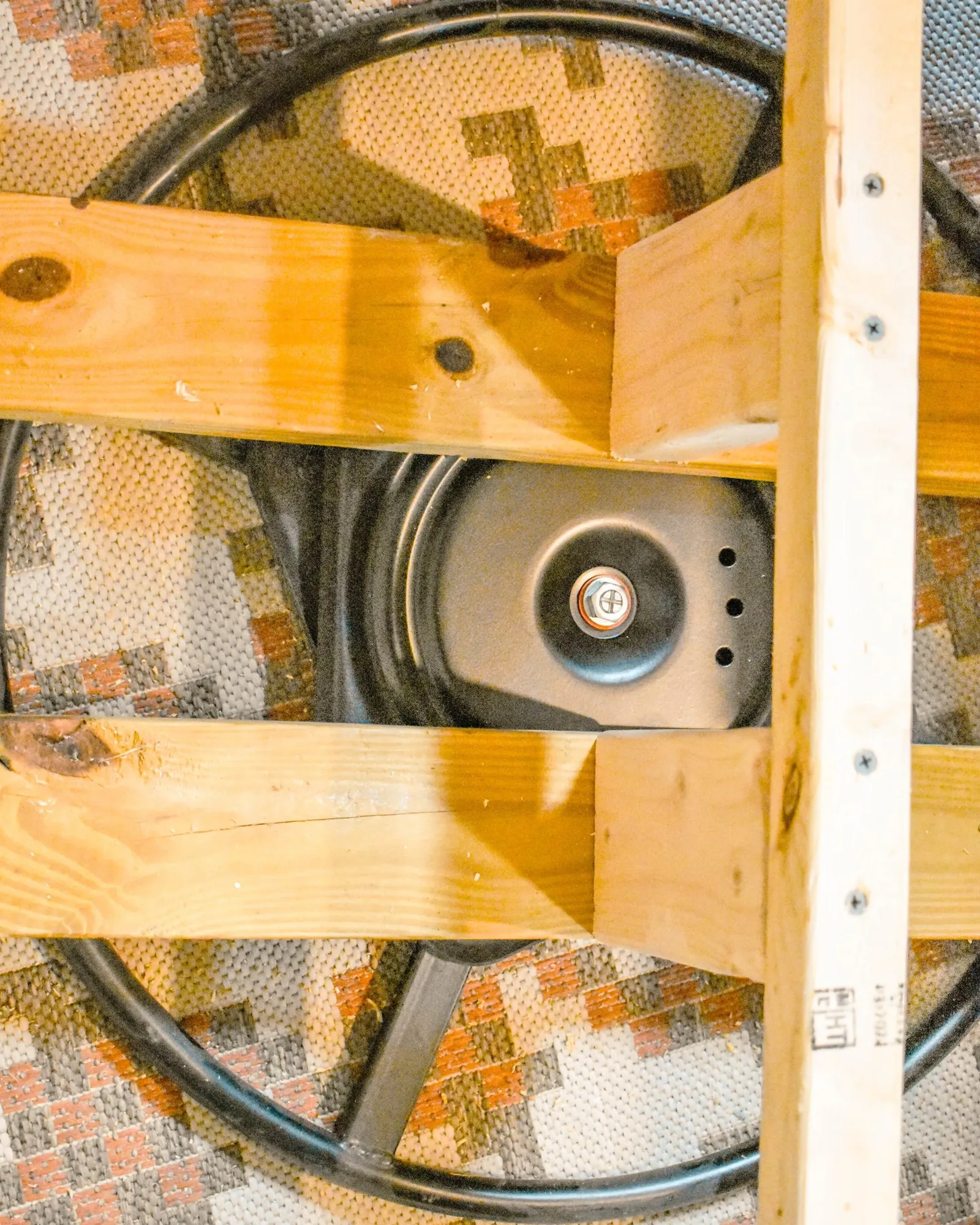
- Power drill with various bits
- Adjustable wrench or socket set
- Measuring tape and pencil
- Safety goggles and work gloves
- Rubber mallet for seating the cylinder
Attaching the Pedestal and Base
Once the swivel plate is secured to the seat, attach the base. Most modern swivel chairs use a pressure-fit system where the gas cylinder drops into the center of the five-point base and the seat plate snaps onto the top of the cylinder. If you’re using a fixed pedestal, ensure the bolts are tightened in a cross-pattern to distribute pressure evenly across the mounting plate.
Troubleshooting Common Chair Issues
| Issue | Potential Cause | Fix |
|---|---|---|
| Wobbling | Uneven casters or loose base | Tighten all base bolts |
| Squeaking | Friction in the swivel plate | Apply lithium-based grease |
| Stiffness | Over-tightened tension screw | Loosen the tilt adjustment |
Can You Use Recycled Parts?
Pro Tip: Salvaging parts from an old chair is a great way to save money, but inspect the gas cylinder for signs of oil leakage or loss of resistance. If the chair sinks while you’re sitting in it, the internal seal is likely blown and the unit should be replaced. Never attempt to disassemble or repair a pressurized gas cylinder yourself, as the internal spring tension can be dangerous.
Installing the Casters Properly
Push the casters firmly into the base sockets until you hear a distinct click. If they’re difficult to insert, use a rubber mallet to tap them into place gently. Ensure you have chosen the right wheel type: soft-tread wheels are ideal for hardwood floors to prevent scratching, while hard-tread wheels are better suited for low-pile office carpets.
Safety Checks Before Use

Warning: Before sitting, double-check that every bolt and screw is fully tightened. Apply weight to the chair slowly to ensure the base doesn’t flex excessively. If you feel any grinding during the swivel motion, check for debris caught in the ball bearings of the plate. A properly lubricated swivel should rotate silently and smoothly without any catching or uneven resistance.
Related guides
Frequently Asked Questions
Can I build a chair without a gas lift?
Yes, you can use a fixed wooden or metal pedestal instead of a gas cylinder. This creates a simpler, more durable chair that doesn’t have height-adjustment capabilities. You’ll still need a swivel plate to mount the seat to the fixed base, ensuring you use heavy-duty fasteners to secure the connection between the pedestal and the seat frame.
What is the best material for a seat base?
Hardwood or high-density plywood is the standard for building a durable chair frame. Avoid using particle board or soft pine, as these materials can crack or strip when under the stress of a rotating swivel plate. If you use metal, ensure it’s at least 1/8-inch thick steel to prevent bending or structural fatigue over time.
How do I stop my chair from squeaking?
Squeaking is usually caused by friction between the metal parts of the swivel plate. A small amount of white lithium grease or a silicone-based lubricant applied to the ball bearings will solve the issue. Avoid using WD-40, as it acts more as a cleaner than a long-term lubricant and can attract dust and grime over time.
Are all swivel plates universal?
No, swivel plates vary in mounting hole patterns and size. Before buying a replacement or a new plate, measure the distance between the holes on your existing seat. Most standard office chairs follow a 5-inch by 5-inch or 6-inch by 6-inch pattern, but checking your specific dimensions is necessary to ensure the hardware fits correctly without needing to drill new holes.
Is it safe to sit on a DIY chair?
As long as you use rated hardware, ensure a stable base, and confirm that all fasteners are secure, a DIY chair is perfectly safe. Always test the chair with weight equivalent to your own before relying on it for daily use. If the chair feels unstable or leans, disassemble it and re-center the swivel plate to distribute the load properly.
Conclusion
Building your own swivel chair is a rewarding project that combines mechanical assembly with personalized comfort. By selecting high-quality steel components and ensuring your mounting holes are perfectly centered, you can create a piece of furniture that rivals store-bought options. Start by inspecting your base for stability, then proceed to assemble your swivel mechanism and seat. Enjoy the comfort of your custom build.