
Measure your room to ensure at least 36 inches of clearance on all sides for a comfortable fit. These steps help you buy the right dining table.
Dining table fundamentals
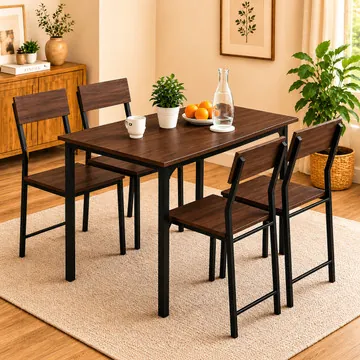
A dining table serves as a central hub for meals, work, and gatherings. Many buyers focus on table size while ignoring the chair footprint. The key rule is that each person needs about 24 inches of width to sit without bumping elbows. Verify if you need a static or expandable table.
Steps to Choose Your Table
- Measure the length and width of your dining area. Ensure the room dimensions are at least 72 inches greater than the table dimensions to allow for 36 inches of clearance on all sides.
- Determine how many people you need to seat daily. A standard rectangular table for four people should be at least 48 inches long.
- Select a shape based on your room. Rectangular tables work well in long rooms, while round tables save space in square or smaller dining areas.
- Check the base style. Pedestal bases offer more legroom than four-legged tables, which can sometimes interfere with chair placement.
- Choose your material. Hardwoods like oak are durable, while glass or metal surfaces require different cleaning routines.
- Test the height. Standard dining table height is typically 28 to 30 inches.
If you have a small room, choose a table with a drop-leaf or extension mechanism to save floor space when you aren’t hosting.
Essential Dimensions and Settings
| Situation | What to use | How long | What to watch for |
|---|---|---|---|
| Small apartment | Round table | 36-42 inch diameter | Leg interference |
| Narrow dining room | Rectangular | 36 inches wide | Chair clearance |
| Large family room | Extendable | 72+ inches long | Leaf storage |
| Casual breakfast nook | Bistro style | 30 inch diameter | Stability |
| Formal dining | Solid wood | 84+ inches long | Surface finish |
What Separates Good Results
Experienced buyers look closely at the joinery before purchasing. They check that joints are tight and that the wood grain is consistent across the tabletop. Ensure the finish on wooden tables is applied evenly to prevent moisture damage.
Preparation and Testing
Before you pay, sit at the table to check for wobbling. If the table shakes, the floor might be uneven, or the legs aren’t level. Check chair height against the table apron to ensure enough legroom.
Common Problems and Fixes
| What you notice | What it usually means | What to do first |
|---|---|---|
| Table wobbles | Uneven floor or legs | Use adjustable levelers |
| Scratches on top | Soft wood or thin finish | Apply furniture wax |
| Chairs hit the legs | Table base is too wide | Switch to pedestal base |
| Surface feels sticky | Humidity or wax buildup | Clean with mild soap |
Regulations and Safety Standards
Prioritize safety when selecting furniture. Ensure your table meets Consumer Product Safety Commission stability requirements. If you’re buying a table with glass, it should be tempered to prevent dangerous shattering. Follow assembly instructions strictly to ensure structural integrity. If the table arrives with broken parts or missing hardware, contact the retailer immediately rather than trying to fix it yourself.
Keeping Your Table Working
Regular maintenance keeps your table in good condition. Dust weekly and avoid harsh chemical cleaners. Wipe spills immediately to prevent warping or water rings. Apply furniture polish or oil every 6 to 12 months, following manufacturer recommendations. Keep the table away from direct heat to prevent cracking.
Choosing a Different Approach
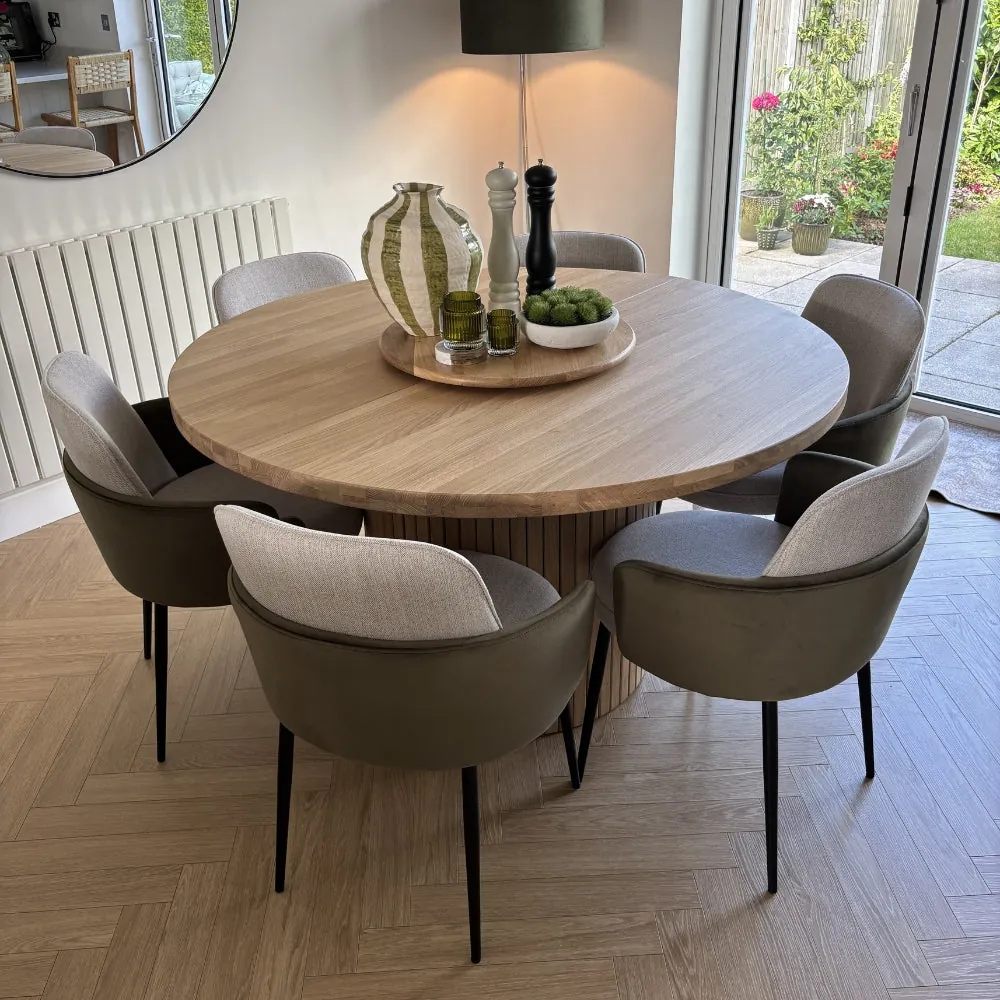
If you need a table that survives heavy daily use by children or pets, a glass top is the wrong choice; opt for a distressed wood finish instead. If you have limited space but host large groups often, a fixed-size table will fail you; choose a butterfly-leaf extension table. If you want a modern look but worry about maintenance, skip marble, which stains easily, and choose a high-pressure laminate or treated wood instead.
Frequently asked questions
How much space do I need for a dining table?
You need at least 36 inches of clearance between the table edge and the wall or other furniture to allow guests to pull out their chairs and move around the room safely.
How do I know if a table is high enough?
Standard tables are 28 to 30 inches high, which allows for a comfortable distance between the tabletop and the seat of a standard chair, typically measuring 18 inches from the floor.
Is it safe to buy a glass dining table?
It’s safe if the glass is tempered, which is a heat-treatment process that makes the glass stronger and causes it to crumble into small, dull pieces rather than sharp shards if broken.
How often should I wax a wooden table?
You should apply wax every 6 to 12 months to protect the finish, though you should check the manufacturer’s care guide for the specific wood type and finish used on your table.
What happens if I buy a table that’s too big?
A table that’s too big will restrict movement, making the room feel crowded and preventing guests from walking behind chairs when people are seated at the table.
Can I fix a wobbly table myself?
You can fix a wobbly table by installing adjustable levelers on the bottom of the legs, which allow you to compensate for uneven floors without needing to modify the table itself.
Conclusion
Taking your time to measure both your room and your seating needs ensures you find a table that balances style with daily function. By checking the base design and the material durability before you buy, you set yourself up for a piece that lasts for years. Focus on the clearance around the perimeter, and you’ll have a dining area that feels spacious and welcoming for every guest.
Related guides