
A sturdy residential dining room table typically supports several hundred pounds of distributed weight, depending on its materials and joint construction. Exceeding this range risks permanent bowing of the tabletop or total structural failure.
The most important factor is the leg-to-apron connection, which bears the load before it reaches the floor. If the legs are bolted with heavy-duty steel hardware, the table will hold significantly more than a piece joined only by wood glue and dowels. The most common mistake is failing to provide adequate support for the tabletop span, which can cause the wood to sag over time regardless of where items are placed.
Maximum weight for your dining room table
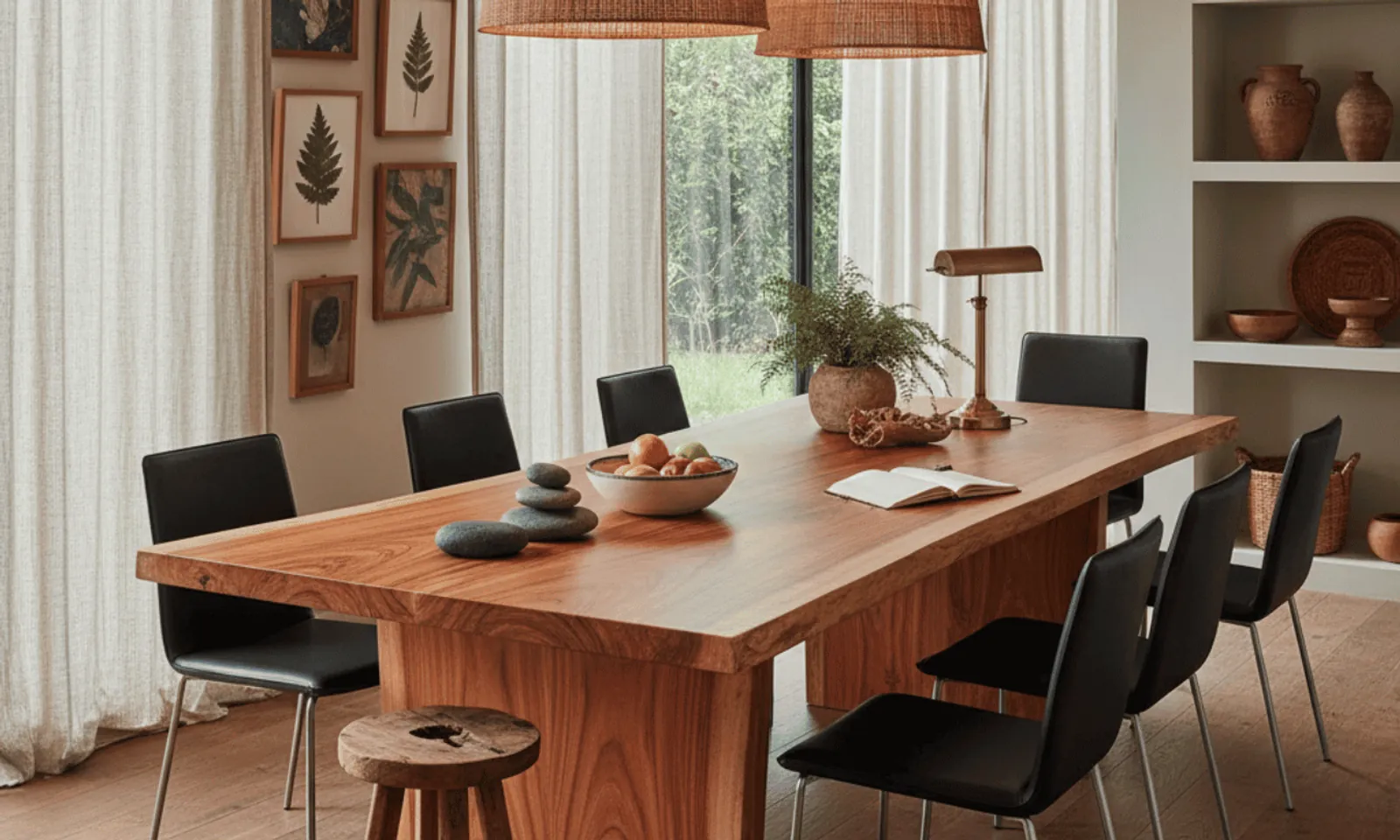
- Inspect the underside of the tabletop for metal corner braces or brackets that connect the legs to the apron. These metal supports are essential for distributing weight; if you see only wooden dowels, keep the load under 100 pounds.
- Distribute heavy items to ensure the table remains stable and balanced, as excessive weight concentrated on the unsupported edges of a tabletop can increase stress on the joints.
- Check the thickness of the tabletop material, as solid hardwood provides better structural integrity than particleboard or veneer.
- If the table uses an extension leaf, avoid placing any heavy items directly on the seam between the main table and the leaf. The locking mechanisms on leaves are designed for alignment, not for supporting heavy weights.
- Tighten bolts and screws if you notice the table becoming loose or wobbly. Loose hardware reduces the weight capacity by allowing the legs to splay outward under pressure.
Tip: If you’re hosting a large event with a buffet, use a separate, dedicated folding table for heavy food platters rather than risking damage to your main dining table.
Factors Influencing Table Capacity
The total load a table handles varies by its design, size, and the specific materials used by the manufacturer.
| Situation | Typical Capacity | What changes it | What to watch for |
|---|---|---|---|
| Small bistro table | 50–75 lbs | Pedestal base width | Wobbling or tipping |
| Standard 6-seat wood | 150–200 lbs | Leg thickness | Bowing in the center |
| Glass-top metal frame | 100–150 lbs | Tempered glass grade | Cracking at bolt holes |
| Large banquet table | 250+ lbs | Steel frame support | Leg lock failure |
If the table begins to creak or visibly sag when you add weight, remove the load immediately. A table that shows signs of bending has already reached its structural limit and may snap if further weight is added.
Signs of Structural Overload
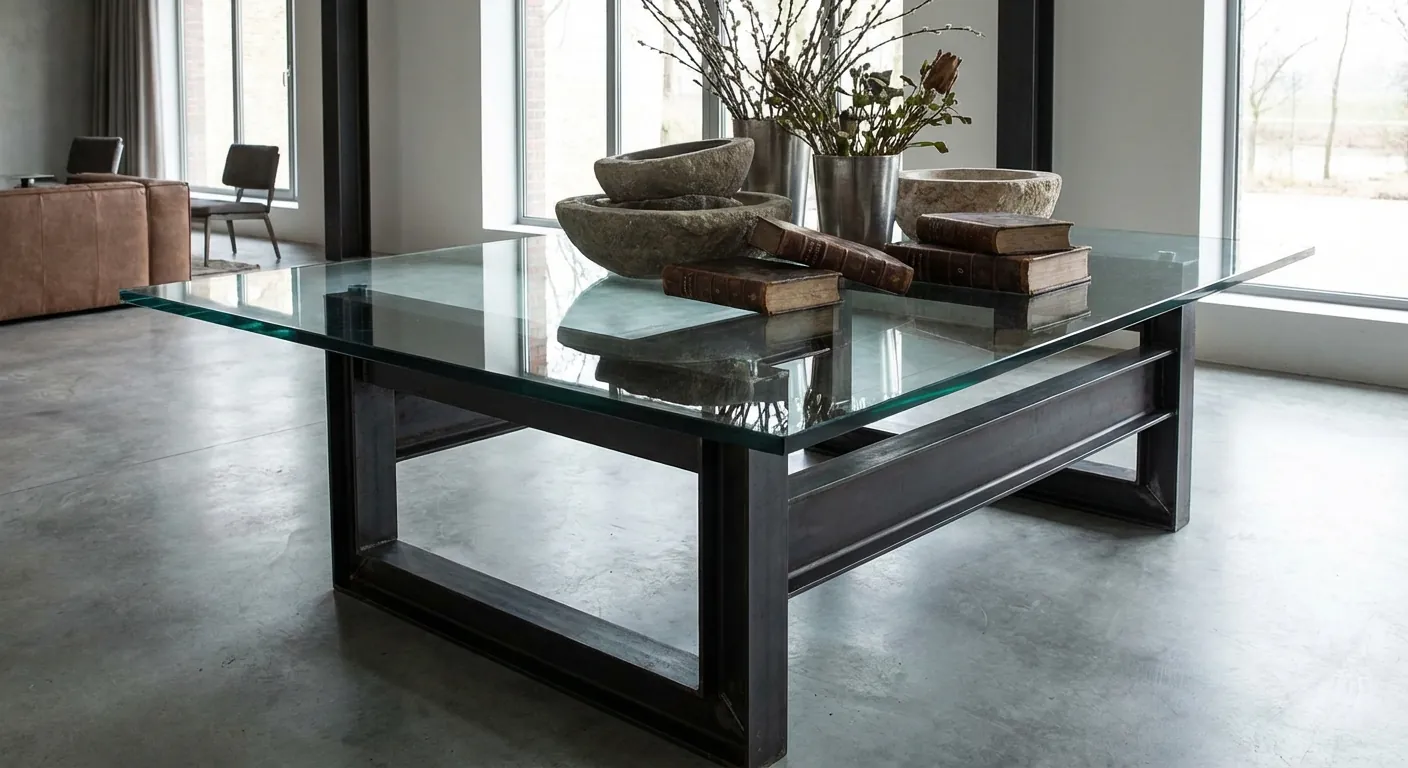
You can identify if a table is struggling by checking for “creep,” which is the slow deformation of wood under constant stress. Look at the tabletop from the side at eye level; if you see a slight dip in the center that wasn’t there before, the wood fibers have been permanently stretched.
Additionally, check the joints where the legs meet the apron. If you see visible gaps or the joints feel loose when you shake the table, the weight has exceeded the capacity of the fasteners.
Mistakes That Ruin Tables
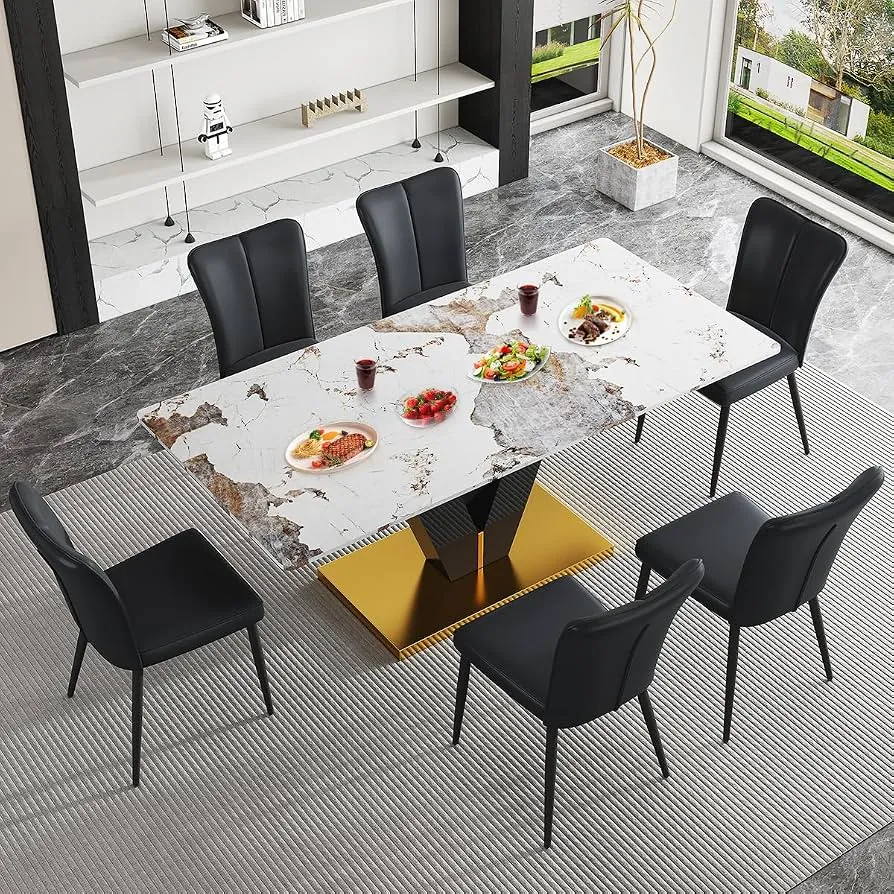
- Ignoring the weight of heavy decor. Placing a massive stone centerpiece or a heavy aquarium on a table creates constant, non-distributed stress. This leads to long-term warping of the wood grain; keep heavy decor items under 20 pounds for long-term placement.
- Dragging the table while loaded. Moving a table across the floor while it holds heavy items puts immense shearing force on the leg joints. Always clear the surface entirely before attempting to shift the table’s position to avoid snapping a leg.
- Using extension leaves for heavy service. Extension leaves are often made of thinner material than the main table and lack the same structural support. Using them to hold heavy buffet items can cause the leaf to crack or the locking pins to bend.
Frequently asked questions
Can I sit on my dining room table?
No, most dining room tables aren’t designed to support the concentrated weight of an adult human. While dining tables are designed for distributed weight, sitting on them creates a concentrated point load that can damage the surface or exceed the structural design of the joints.
How much weight can a glass dining table hold?
A glass dining table typically holds between 100 and 150 pounds, provided the weight is distributed evenly. The limit is determined by the thickness of the tempered glass and the quality of the frame; check the manufacturer’s manual, as glass can shatter suddenly if the weight limit is exceeded.
Is it safe to put a heavy aquarium on a dining table?
No, it isn’t safe to place an aquarium on a standard dining table. Water is extremely heavy, weighing about 8 pounds per gallon, and the constant, concentrated weight will cause the wood to warp or the legs to fail over time, risking a catastrophic spill and structural damage.
Why is my table sagging in the middle?
Your table is sagging because the weight of the tabletop itself, combined with heavy items, has exceeded the strength of the wooden apron. This usually happens when the table span is too long for the thickness of the wood; you may need to add a support brace underneath.
How do I reinforce a table to hold more weight?
You can reinforce a table by adding metal “mending plates” or steel corner brackets to the joints under the tabletop. For larger tables, installing a wooden “stretcher” or a support beam running between the legs can prevent the legs from spreading and increase the overall load capacity.
What happens if I put too much weight on my table?
Excessive weight on a table causes joints to loosen, aprons to crack, and tabletops to bow. In extreme cases, legs may splay or collapse, potentially causing injury. Always ensure your load is distributed evenly to maintain structural integrity and avoid permanent damage to the furniture.
Conclusion
If you’re planning a large holiday feast or a heavy craft project, take a moment to inspect your table’s underside for loose bolts or wobbling legs. Tightening the hardware today will give you peace of mind, ensuring your furniture stays safe and stable for all the gatherings you’ve got planned ahead.
Related guides