
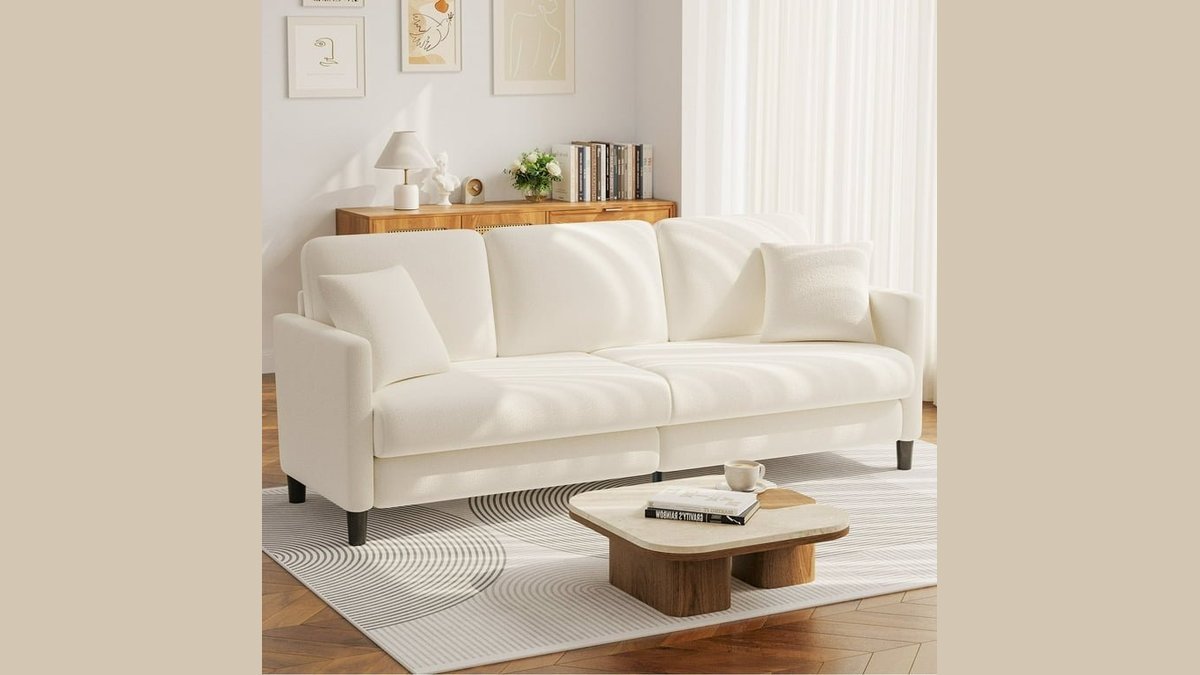
Most three-seater sofas range between 78 and 90 inches in length, though the exact size depends largely on the arm style and cushion design. A standard model typically measures 84 inches, but you should always measure your specific space before purchasing.
Measuring your space for three seater sofas
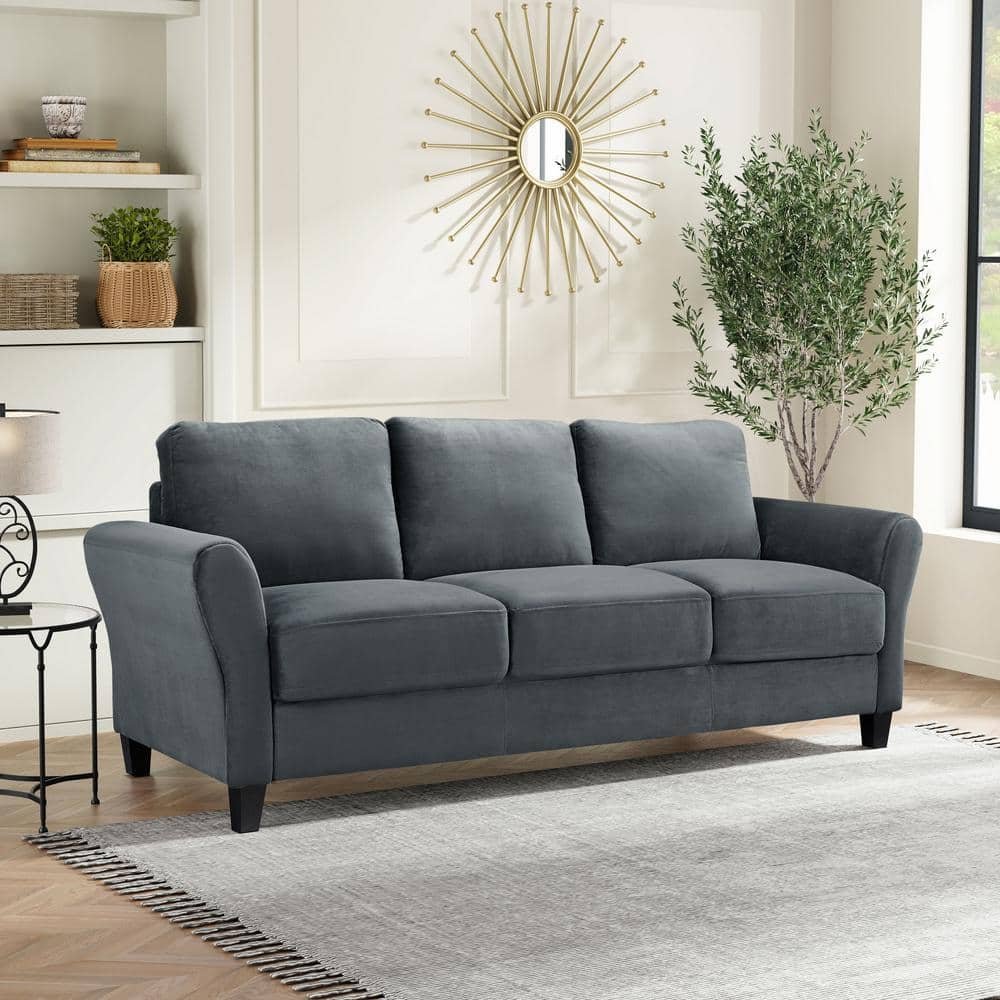
- Measure your floor space from wall to wall to ensure you have at least 10 inches of clearance on each side.
- Check the width of your doorways and hallways to confirm the piece can physically enter your home during delivery.
- Account for the total footprint by adding 3 inches to the length to allow for the back cushions to sit away from the wall.
- Verify the seat depth, which usually adds another 36 to 40 inches of depth into the room beyond the length.
- Confirm the sofa height if you have low windows or radiators that might block the back frame.
- Use painter’s tape on the floor to outline the sofa’s exact dimensions to see how it affects your walking path.
Why Sofa Dimensions Vary
The total length of a sofa is determined by the frame construction and the padding used on the arms. A roll-arm sofa requires more external width than a track-arm sofa because the curved padding adds extra bulk to the frame’s footprint. This variation is why two sofas with the same internal seating area can have vastly different exterior lengths.
Designers often adjust these outer dimensions to fit specific interior styles, such as mid-century modern pieces that prioritize slim lines. If you choose a long model, you must ensure your floor plan supports that extra mass without crowding the room. Always check the manufacturer’s technical specifications for the exact frame measurement, as these can change based on the specific collection or upholstery thickness.
Factors Affecting Sofa Length
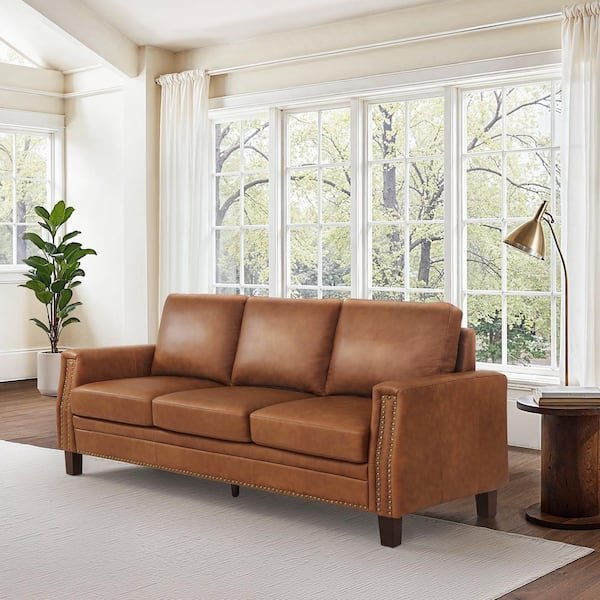
| Situation | What changes | What to do instead |
|---|---|---|
| Slim track arms | Shorter total length | Add space for side tables |
| Wide roll arms | Longer total length | Measure door frame width |
| Reclining mechanisms | Deeper frame footprint | Increase clearance from wall |
| High-back design | Visual room weight | Choose lower profile models |
| Corner placement | Effective length needs | Subtract arm width allowance |
How to Select the Right Size
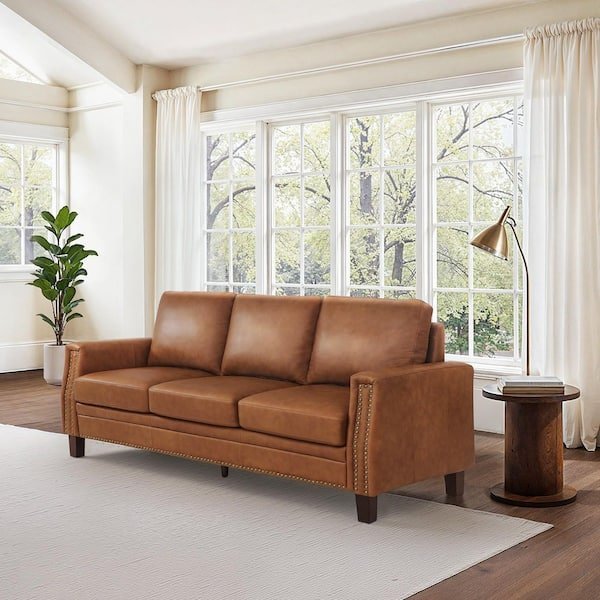
- Clear all existing furniture from the intended wall to get a clean measurement of the available floor space.
- Subtract 20 inches from your total wall length to ensure you have enough room for end tables or lamps.
- Check the manufacturer’s product page for the “overall width” measurement, which is the industry standard for sofa length.
- Measure the diagonal width of your tightest doorway, as some sofas must be tilted to pass through narrow entries.
- Remove the sofa legs if the piece is too tall for your door, as this often gains you 3 inches.
- Test the seating capacity by ensuring each person has at least 24 inches of width for a comfortable fit.
The Mistakes That Ruin Your Setup
- Ignoring the depth of the arms, which can add 12 inches to the total length compared to the seat width.
- Forgetting to measure the hallway corners, which prevents the sofa from turning into your living room.
- Buying a sofa that’s too long for the wall, which makes the entire room feel cramped and unbalanced.
- Failing to check if the back cushions are removable, which can save 4 inches of height when moving through doors.
Can I fit a 3 seater in a small apartment?
Yes, you can fit one if you choose a model with track arms and a shallow depth. These designs keep the total length closer to 78 inches, which saves valuable floor space while still providing seating for three adults.
Does the arm style change the length?
Yes, arm style is the primary driver of total sofa length. A roll arm can add up to 10 inches to the total exterior width compared to a slim track arm, even if the interior seating area remains identical.
How much space should I leave around the sofa?
You should leave at least 18 inches of space between your sofa and the coffee table. This distance allows for comfortable leg movement while ensuring you can easily stand up without bumping into furniture.
Is a 3 seater always 84 inches long?
No, 84 inches is simply the industry average for a standard three-seater. Many models range from 78 to 90 inches, so you must always check the specific dimensions provided by the manufacturer before you commit to a purchase.
Why does my sofa feel longer than the label says?
Your sofa likely feels longer because of the overhang of the back cushions or the angle of the arms. Always check the label for the “overall width,” which includes the widest points of the frame, rather than just the seat width.
What if my sofa is too long for the door?
You should check if the manufacturer offers a “knock-down” version where the arms can be detached. If the sofa is fixed, you may need to use a window or a wider secondary entrance to get the item into your home.
When you’re planning your furniture layout, remember that the goal is to balance the visual weight of the room with the practical need for walking space. A well-measured sofa will serve your home for years without making the space feel closed off or difficult to navigate. Always prioritize the measurements of your physical doorways over the aesthetic appeal of a longer, more imposing piece.