
A swivel chair works by using a central spindle and ball bearings to turn smoothly when you shift weight. Pushing with your feet lets the upper frame spin while the base stays planted, allowing movement without tipping.
How the swivel chair parts work
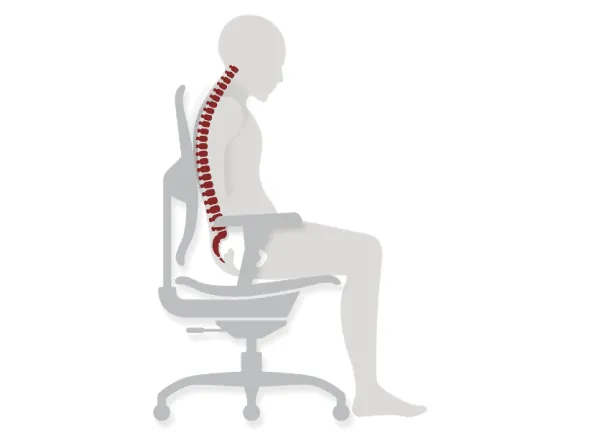
School furniture relies on simple mechanical parts to survive daily use.
A failure in one part directly changes how the seat spins or balances. The table below outlines the core working pieces inside the frame.
| Part or input | What it does | What you notice when it goes wrong |
|---|---|---|
| Polypropylene shell | Holds user body weight | Deep cracks or permanent sagging |
| Swivel plate | Houses internal steel bearings | Grinding sound or stiff movement |
| Center steel spindle | Connects seat to base | Wobbling seat or uneven tilt |
| Five-star star base | Spreads weight across floor | Tipping hazard or cracked legs |
| Floor glides | Grips floor without scratching | Skidding or gouged floor surfaces |
Moving through a full swivel turn
The turning cycle begins the moment you sit down on the molded shell. Your body weight pushes downward through the frame, settling onto the central rotation plate in under 1 second.
- Your feet push against the floor with about 5 pounds of force to initiate horizontal movement.
- The outer seat plate transfers this sideways push to the enclosed steel ball bearings within 0.2 seconds.
- The internal bearings roll smoothly along a lubricated circular track inside the upper collar.
- The center spindle holds the vertical load steady while allowing 360-degree rotation across 2 to 3 seconds.
- The wide five-star base remains stationary on the floor, absorbing the torque so the frame doesn’t slide.
- You stop pushing with your feet, and bearing friction brings the seat to a complete stop within 1 second.
Why mechanical wear stops the rotation
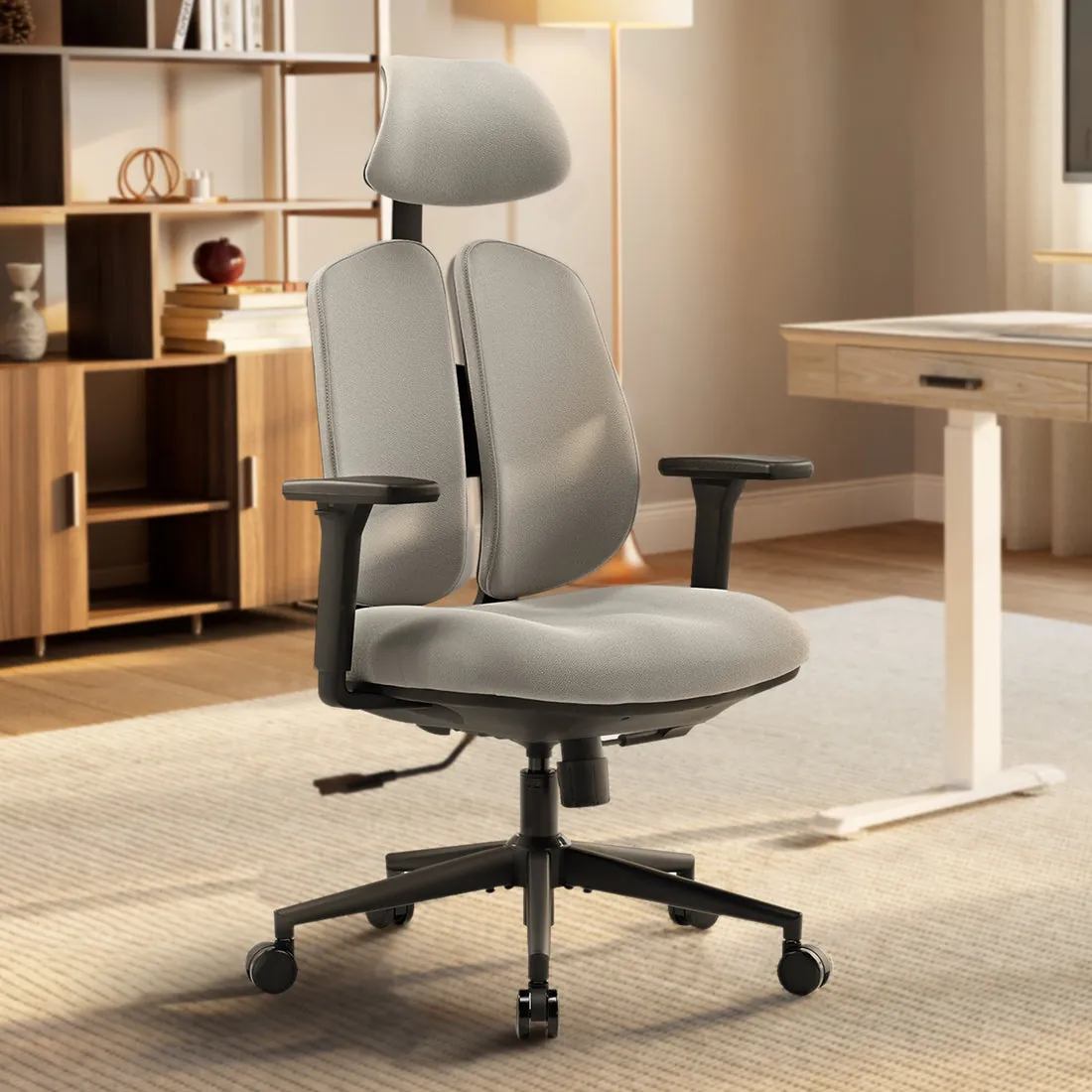
Bearing wear causes stiffness or scraping noises. Without factory grease, metal rubs against metal.
Dirt and mop water cause rust. Cleaning water can creep into bearing housings. Rust makes the chair stick.
A loose spindle bolt causes different symptoms. When loose, the seat rocks side to side. Tighten hardware if it wobbles; replace bearings if it sticks.
Don’t spray household oils into the mechanism. Sprays attract dust, creating a paste that locks rotation.
Controlling your seat movement and fixed limits
You can adjust how the chair interacts with the room, but core mechanical boundaries remain fixed by the factory.
What you control
- The direction and speed of the spin using your foot placement.
- The floor contact surface by installing either nylon glides or soft felt caps.
- Cleaning routine around the base to stop hair buildup.
- Tightness of the external frame bolts using standard hand tools.
What is fixed by design
- Seat height and tilt angle, which are molded permanently into the frame.
- Maximum user weight rating, set by the manufacturer’s testing standards.
- The bearing housing seal, which can’t be opened without breaking the collar.
The manufacturer tests classroom seating under BIFMA safety standards to ensure stable frames under high loads. One honest limit applies: the chair’s weight capacity varies by shell size, and you can read your exact model limit directly off the safety stamp molded under the seat pan. If the internal spindle welds shear or the plastic shell splits, don’t attempt to weld or glue them; replace the unit to avoid injury.
Good habits for longer chair life

A few basic maintenance habits keep the swivel mechanism working quietly for years. These chairs handle lots of movement, but rough treatment quickly ruins the mechanical core.
- Wipe the lower base ring with a dry microfiber cloth every month to keep sweeping dust out of the spindle collar.
- Keep the chair flat on all five glides; balancing on two legs puts severe sideways pressure on the vertical spindle.
- Choose hard glides if your room has commercial carpet; if you have vinyl tile, swap to felt-padded caps to stop sliding.
- Inspect the center retention bolt twice a year, tightening it with a hand wrench if the shell wobbles.
Frequently asked questions
Can you adjust the height on an Ed You swivel chair?
No, the seat height is fixed at a single factory level. The solid steel center post doesn’t use a pneumatic gas lift, so the seat height can’t be raised or lowered.
Why does the seat squeak when turning?
Dried bearing grease causes squeaking when dry steel balls rub against the metal raceway. Dirt or fine sand trapped inside the collar track also creates a high-pitched rubbing sound during turns.
How much weight can an Ed You chair hold?
The standard student model holds up to 250 pounds when used correctly on a flat surface. Exceeding this limit bends the steel spindle and cracks the molded polypropylene shell near the mount.
Is it safe to spin fast on this chair?
No, spinning rapidly increases the risk of tipping over sideways. The wide five-star base handles controlled student turns, but fast, reckless spinning moves the center of gravity outside the stable base area.
What happens if water gets inside the base?
Rust develops on the internal steel bearings within 48 to 72 hours of water contact. The rust creates pitted spots on the rolling track, making the chair feel rough and sticky to turn.
Does the chair come with wheels or fixed glides?
It comes standard with fixed nylon glides designed for stable classroom use. This setup keeps the chair in one spot while allowing the student to turn their upper body freely toward instructions.
Conclusion
This classroom chair offers an effective trade-off between flexible body movement and solid durability, relying on simple bearings rather than fragile hydraulics. However, this model isn’t for people who require adjustable lumbar support or tall desk heights, since the backrest and frame dimensions remain completely stationary. Keep the base free of floor grit, check the mounting hardware yearly, and the mechanical swivel will turn quietly for years.
Related guides