
A dining chair with arms is called an armchair, or more specifically in a formal furniture setting, a host chair. These seats provide extra support for the upper body, which is why they’re often placed at the head and foot of a rectangular dining table to denote authority or comfort.
The main difference between this and a standard chair is the presence of side supports. You should check the width of your table before buying one, as these chairs take up more horizontal space than armless versions. A common mistake is buying chairs that are too wide to push fully under the table, which blocks your walking path.
Choosing a dining chair with arms
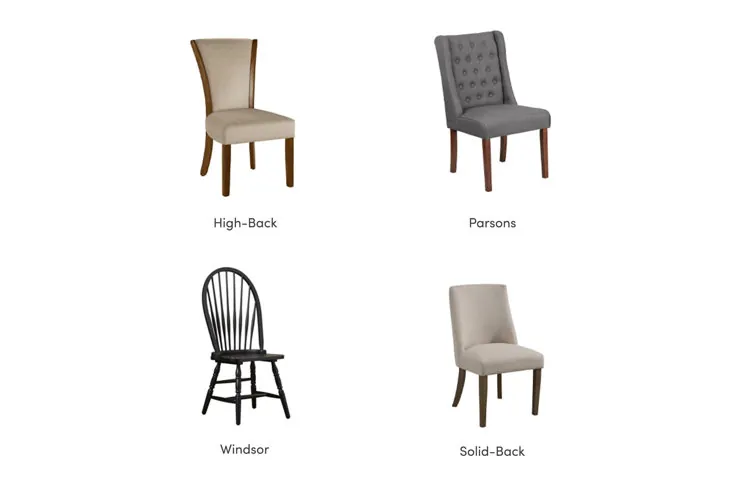
- Measure the height from the floor to the underside of your table apron; the chair arms must be lower than this measurement to fit underneath.
- Verify the total width of the chair including the arms. Standard dining chairs are usually 18 to 20 inches wide, while armchairs can reach 24 inches or more.
- Check the seat depth against your available floor space behind the table. You need at least 30 inches of space from the table edge to the wall to pull the chair out comfortably.
- Test the chair for stability by applying firm pressure to one armrest. A quality piece shouldn’t wobble or creak, as noted by the American Home Furnishings Alliance regarding structural integrity and manufacturing standards.
- Select a material that matches your lifestyle. If you have children, choose performance fabrics or wood that resists scratches.
Tip: If your dining room is small, place armchairs only at the ends of the table to save space.
Measuring for your dining area
| Situation | Typical Width | What changes it | What to watch for |
|---|---|---|---|
| Compact room | 20-22 inches | Narrow armrests | Arm height vs table |
| Large dining area | 24-26 inches | Padded upholstery | Total table perimeter |
| Modern style | 21-23 inches | Metal or thin wood | Seat cushion thickness |
If your chairs don’t fit under the table, you may need to move the table away from the wall or choose a different seating arrangement.
Verifying comfort and fit
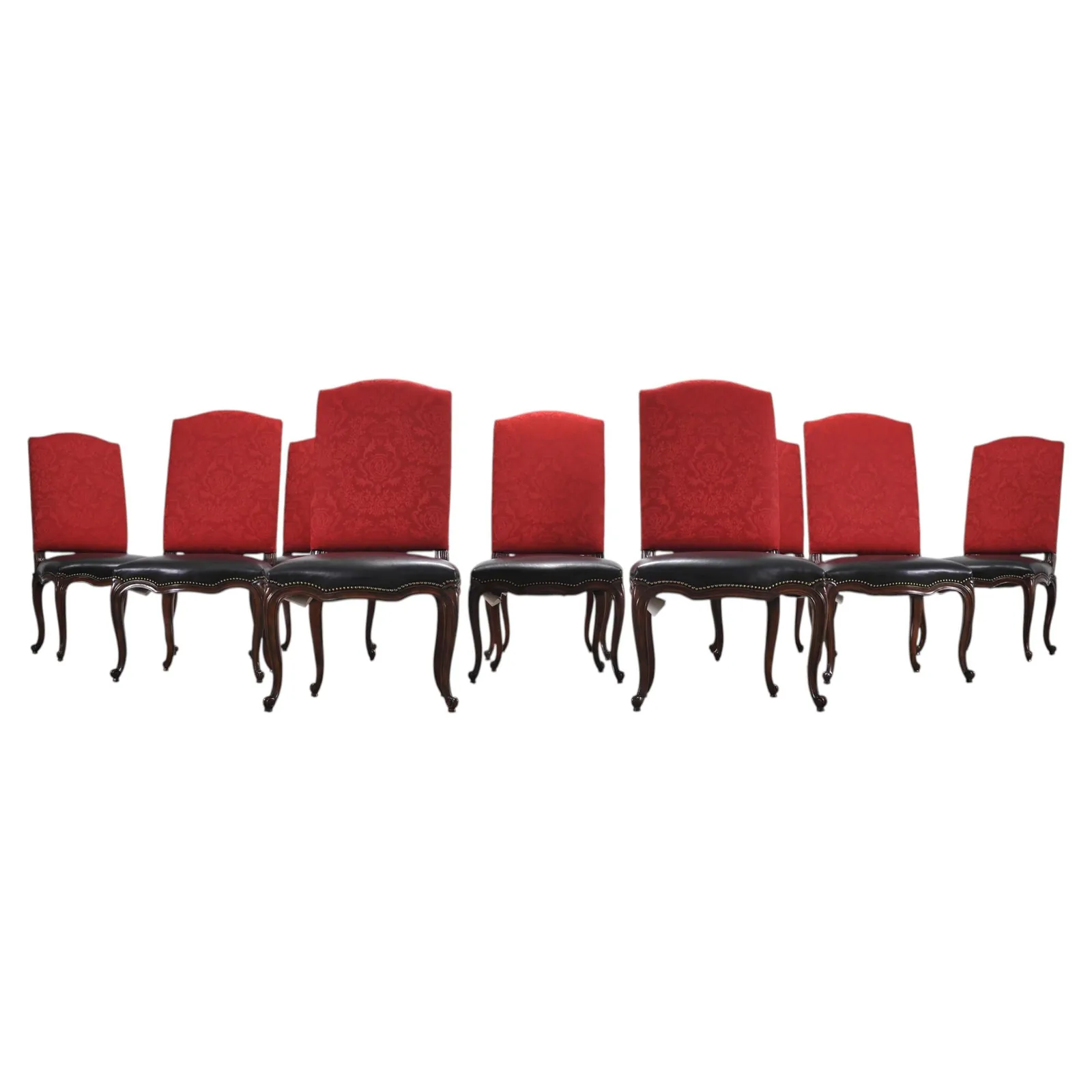
You can tell if a chair fits by sitting in it and checking the position of your elbows. If the arms force your shoulders up, the chair is too high for your table or your body type. Ideally, your forearms should rest naturally on the arms without your shoulders hunching. If the chair is too wide, it will crowd the people sitting next to you at the table.
Common mistakes to avoid
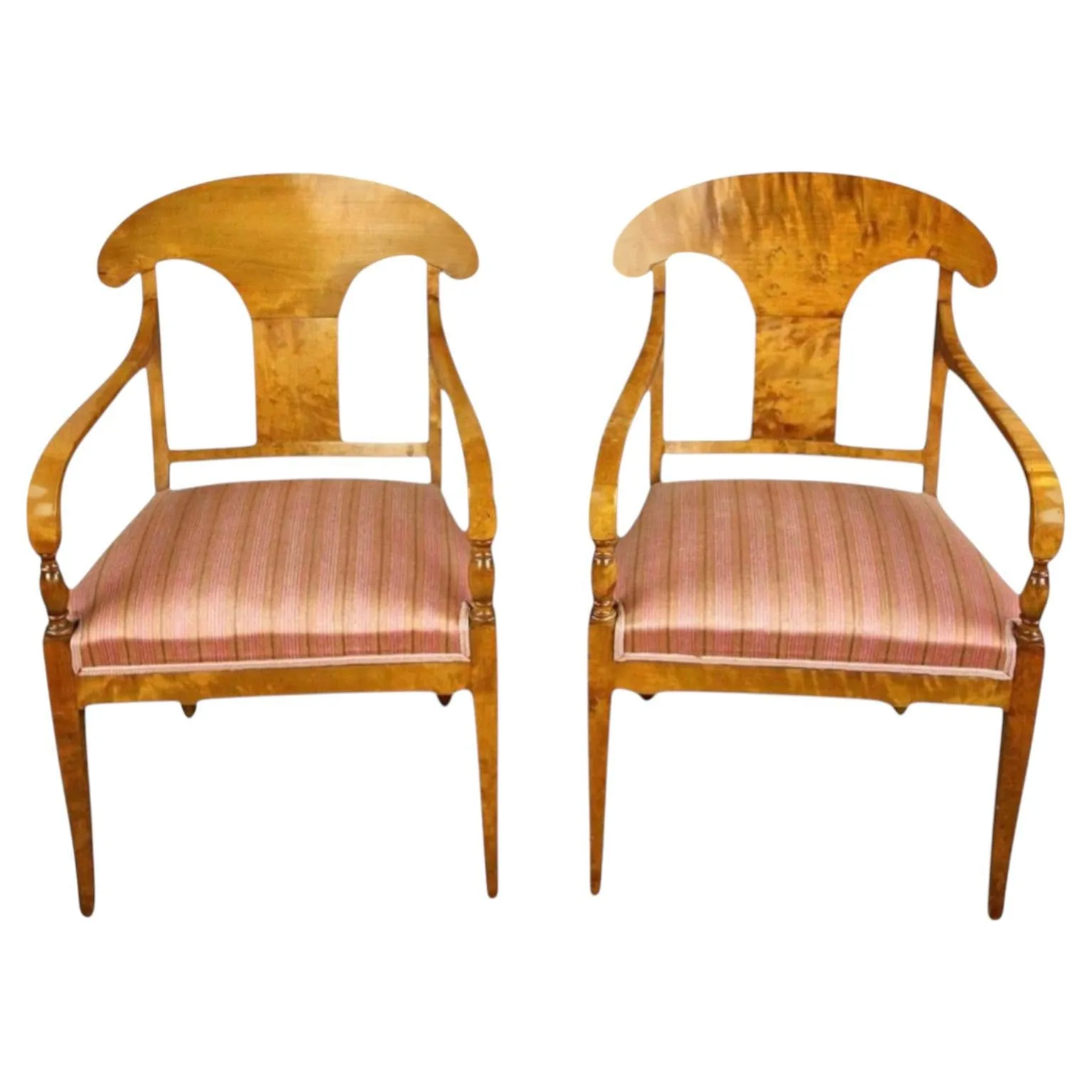
- Ignoring arm height: People often buy chairs based on looks without checking if the arms hit the table edge. This prevents the chair from sliding in, which leaves your dining area looking messy and crowded.
- Overcrowding the table: Adding too many armchairs can make a table feel cramped. Limit these to the ends of the table to keep the sides clear for easier access.
- Choosing the wrong fabric: Some fabrics are hard to clean after spills. Always check the manufacturer’s care tag to ensure the material can handle daily use in a dining environment.
Frequently asked questions
Can I mix armchairs with armless chairs?
Yes, it’s very common to mix styles. Most people place two armchairs at the ends of the table and use armless chairs along the sides. This provides a balanced look while ensuring that everyone has enough room to move their arms freely during a meal.
How much space do I need between chairs?
You need at least 6 inches of space between each chair. This gap ensures that people can get in and out of their seats without bumping into their neighbors. If your chairs have wide arms, you might need to increase this gap to 8 inches for better comfort.
Are armchairs safer for elderly guests?
Yes, armchairs are often safer for elderly guests. The side supports provide a stable surface to grip when sitting down or standing up. This extra leverage makes it much easier for people with limited mobility to use the chair safely compared to a chair without arms.
Do all dining armchairs fit under standard tables?
No, many armchairs are too tall to fit under standard tables. You must measure the distance from the floor to the bottom of the table apron. If the chair arms are higher than that measurement, the chair won’t push in, which can be an issue in smaller rooms.
What happens if the arms hit the table?
If the arms hit the table, you won’t be able to push the chair in fully. This leaves the chair sticking out into the room, which creates a tripping hazard. If this happens, you should either choose a lower chair or move the table to a wider area.
Is it hard to clean fabric armchairs?
It depends on the fabric type. Synthetic performance fabrics are easy to wipe down, while natural fibers like linen may stain easily. Always check the manufacturer’s cleaning code on the tag to see if you can use water or if the material requires professional cleaning to maintain its finish.
Conclusion
When selecting these chairs, remember that the most important factor is the physical clearance under your specific table. If you measure carefully before you buy, you’ll avoid the frustration of a chair that doesn’t fit or a room that feels too small. Always prioritize your comfort and the available floor space to ensure your dining area remains functional for every meal.
Related guides