
You can identify the style of a chair by looking at the shape of the legs, the material of the frame, and the presence of any decorative carvings. Most pieces fall into a few key historical categories based on these specific physical design traits.
How to identify your chair style

- Cabriole legs: These S-shaped legs that curve outward and then inward are a sign of Queen Anne or Chippendale styles.
- Straight, tapered legs: Common in Federal or Hepplewhite chairs, these often feature simple inlay or painted wood details.
- Spindle backs: Chairs with thin, rounded rods forming the backrest, like Windsor chairs, typically date to 18th-century rural designs.
- Upholstered backs: If the frame is hidden by fabric or leather, it’s likely a Victorian-era or mid-century modern design.
- Metal or plastic frames: These suggest a modern or industrial style, usually designed after the year 1920.
Why Design Features Determine Style
The style of a chair is determined by the specific tools and aesthetic trends present when it was first manufactured. Early furniture makers relied on hand tools, meaning they often used solid woods like oak or walnut. You can check the underside of the chair for signs of hand-cut joinery, such as uneven dovetails or square-cut nails, which often point to pieces made before the late 1800s.
If a chair has uniform, machine-made screws or stapled fabric, it’s almost certainly a modern reproduction rather than an antique. Manufacturers often mix styles, so look for a maker’s mark or a serial number on a paper label under the seat. This label is the most reliable way to verify the age and specific design lineage of your furniture piece.
Variations in Design
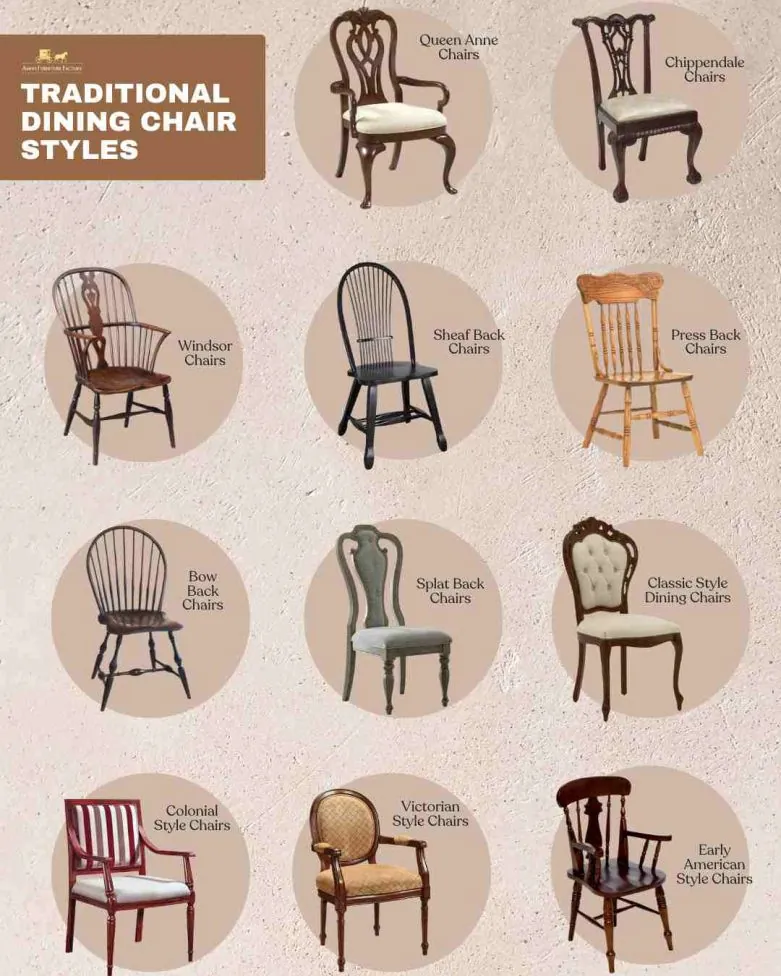
| Situation | What changes | What to do instead |
|---|---|---|
| Simple wooden slats | Back support shape | Research Windsor or Shaker |
| Curved metal frame | Material composition | Look for Bauhaus styles |
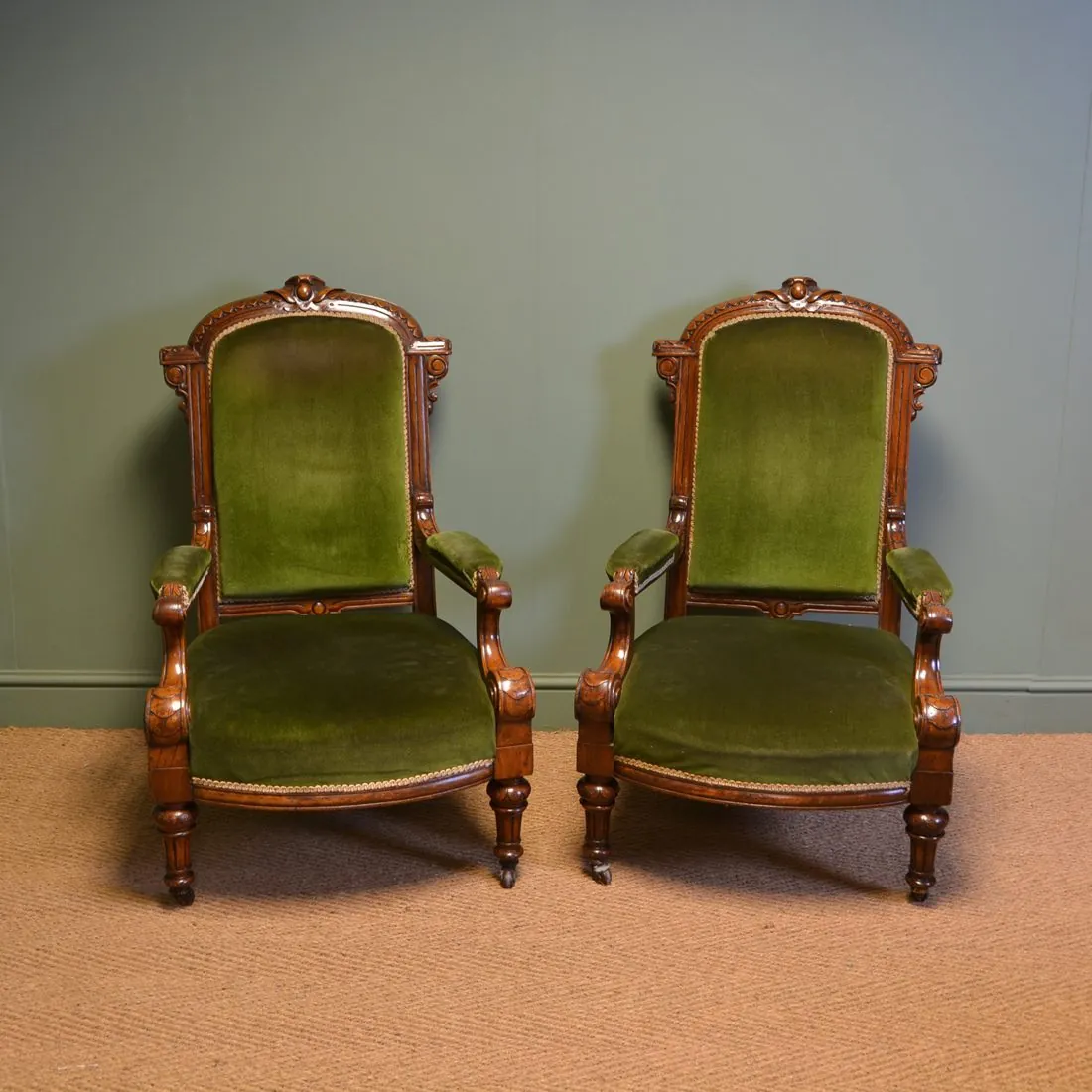
| Heavy velvet fabric | Upholstery style | Check for Victorian origins |
| Low profile seat | Total height | Investigate mid-century modern |
| Intricate carved wood | Surface detail | Identify Rococo or Baroque |
How to Properly Examine Your Chair
- Flip the chair over to look for a manufacturer’s stamp, a brand logo, or a paper tag attached to the frame.
- Inspect the joints where the legs meet the seat frame to see if they use wooden dowels or modern metal steel bolts.
- Measure the height of the backrest from the floor; standard dining chairs are usually 32 to 36 inches tall, while lounge chairs are lower.
- Check if the wood is solid or a veneer; if you see layers of pressed particle board, the chair is likely a mass-produced modern piece.
- Feel the finish of the wood; hand-applied wax or oil finishes suggest older construction, while thick, glossy lacquer often indicates a modern factory process.
- Compare the shape of the armrests to known historical profiles; curved arms are typical of 18th-century designs, while straight ones are often 20th-century.
Common Mistakes That Ruin Identification
- Assuming a dark wood stain means the chair is an antique, when many modern pieces use dark varnish to look older.
- Ignoring the seat base, which often hides the most important construction clues like original upholstery or structural labels.
- Mistaking a 1950s reproduction for an original 18th-century piece, which drastically changes the value and historical context.
- Focusing only on the fabric color, which is often replaced over time and doesn’t represent the original design era.
Frequently asked questions
Can I identify a chair just by looking at the legs?
You can identify the era by the legs, but it isn’t enough on its own. The combination of the backrest shape, the wood type, and the joinery methods provides the full picture of the chair’s origin and style.
How long does it take for a chair to be considered antique?
An item is generally considered an antique when it has reached a significant age. If your chair was made more recently, it’s officially classified as vintage or modern rather than an antique.
Is it safe to remove the bottom cover to check for labels?
It’s safe to lift the dust cover if you do it slowly, but don’t rip the fabric. Use a staple remover to pull back the edge, check for markings, and then reattach it with a staple gun.
What happens if there are no markings on the chair?
If there are no markings, you must rely on the construction style and wood type. Check for hand-carved details or specific joinery techniques to date the piece, as mass-produced chairs rarely lack branding or labels.
Does it matter if the chair has been painted?
It matters because paint often hides the wood grain and construction details needed for identification. You may need to look at the underside or inside the joints to see the original wood and verify the material.
How many different styles are there?
There are dozens of styles, but most home furniture falls into five main groups: Traditional, Colonial, Victorian, Mid-Century Modern, and Contemporary. Each group has unique traits that help you narrow down the exact design lineage of your chair.
Conclusion
The best way to confirm the style of your chair is to match your findings against a catalog or a reputable design guide. If the chair has unique, complex features that you can’t identify, consult a local furniture appraiser who can physically inspect the piece for specific construction markers.