
The Herman Miller Aeron and the Steelcase Gesture are widely considered the gold standard for ergonomics, but when you want the specific feel of high-end materials, your preference for firm support versus plush, deep-seated comfort determines which leather office chair is best for you.
How to Choose a Leather Chair
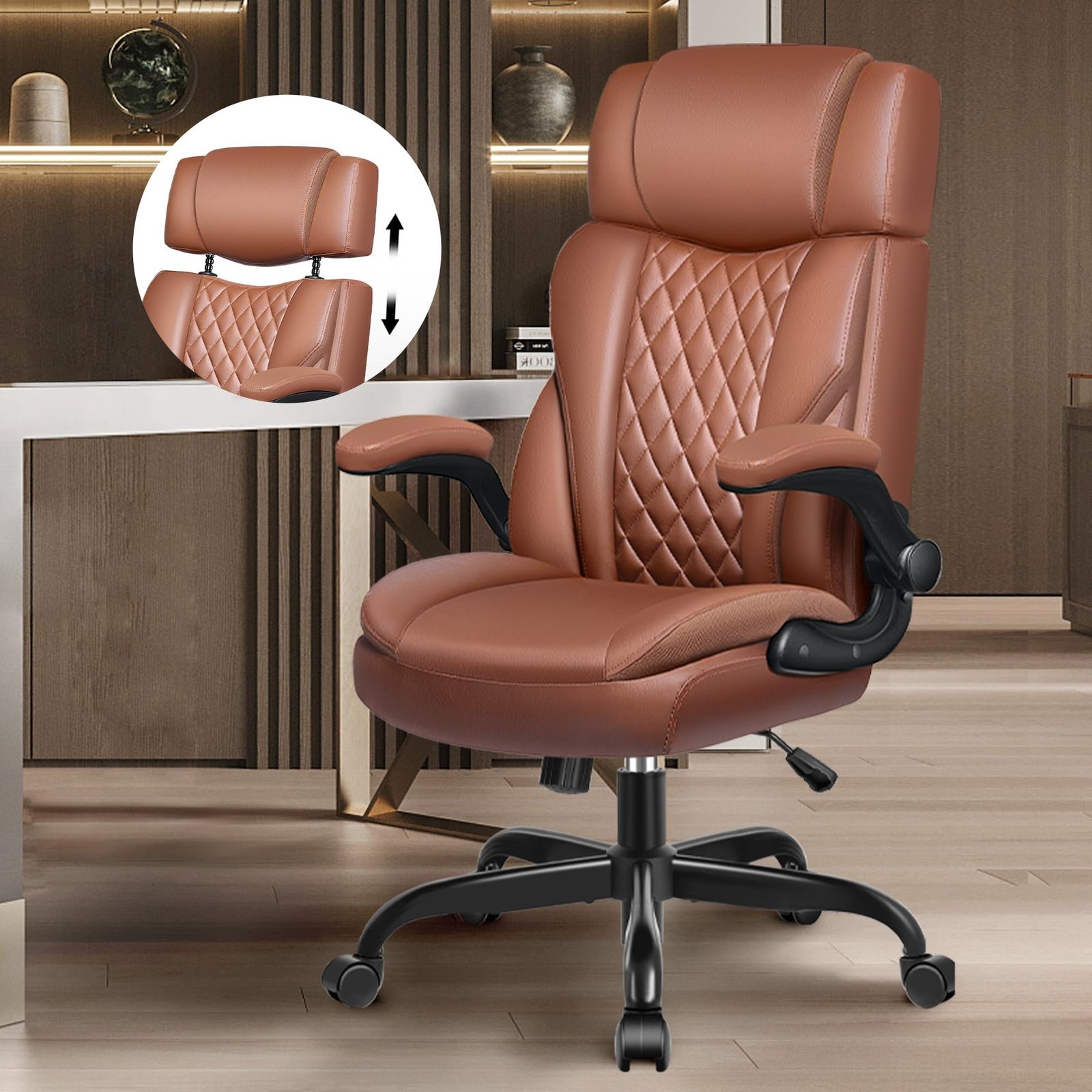
- Check the material: Look for “top-grain” or “full-grain” leather for long-lasting durability; avoid “bonded” leather, which peels after a short period of daily use.
- Test the mechanism: Ensure the chair offers adjustable seat depth, height, and lumbar support to prevent back strain during long work sessions.
- Verify the frame: A metal base, such as polished aluminum, provides more stability and a longer lifespan than plastic bases under heavy daily loads.
- Measure your space: Confirm the chair’s width and armrest height fit under your desk; a chair that’s too wide will force poor posture.
- Confirm the warranty: Quality manufacturers typically offer 10-12 years of coverage for parts and labor, which reflects the expected life of the product.
Why Quality Leather Matters
Leather is a natural material that breathes, which prevents the heat buildup often found in synthetic vinyl or cheap faux-leather options. When you sit for 8 hours a day, the chair must dissipate body heat to keep you comfortable. High-quality hides are tanned to resist cracking and fading, meaning the finish stays supple even after years of friction against clothing.
The structure of the chair is just as vital as the hide itself. Ergonomic standards, such as those defined by the Business and Institutional Furniture Manufacturers Association, ensure that the chair frame can handle repetitive movement without losing tension or stability. If you choose a chair that lacks these certifications, you risk mechanical failure in the tilt or height-adjustment cylinders. A well-built leather chair uses dense, high-resiliency foam beneath the upholstery, which supports your weight evenly rather than compressing into a flat, uncomfortable shape after a few months of use.
Leather Chair Comparison
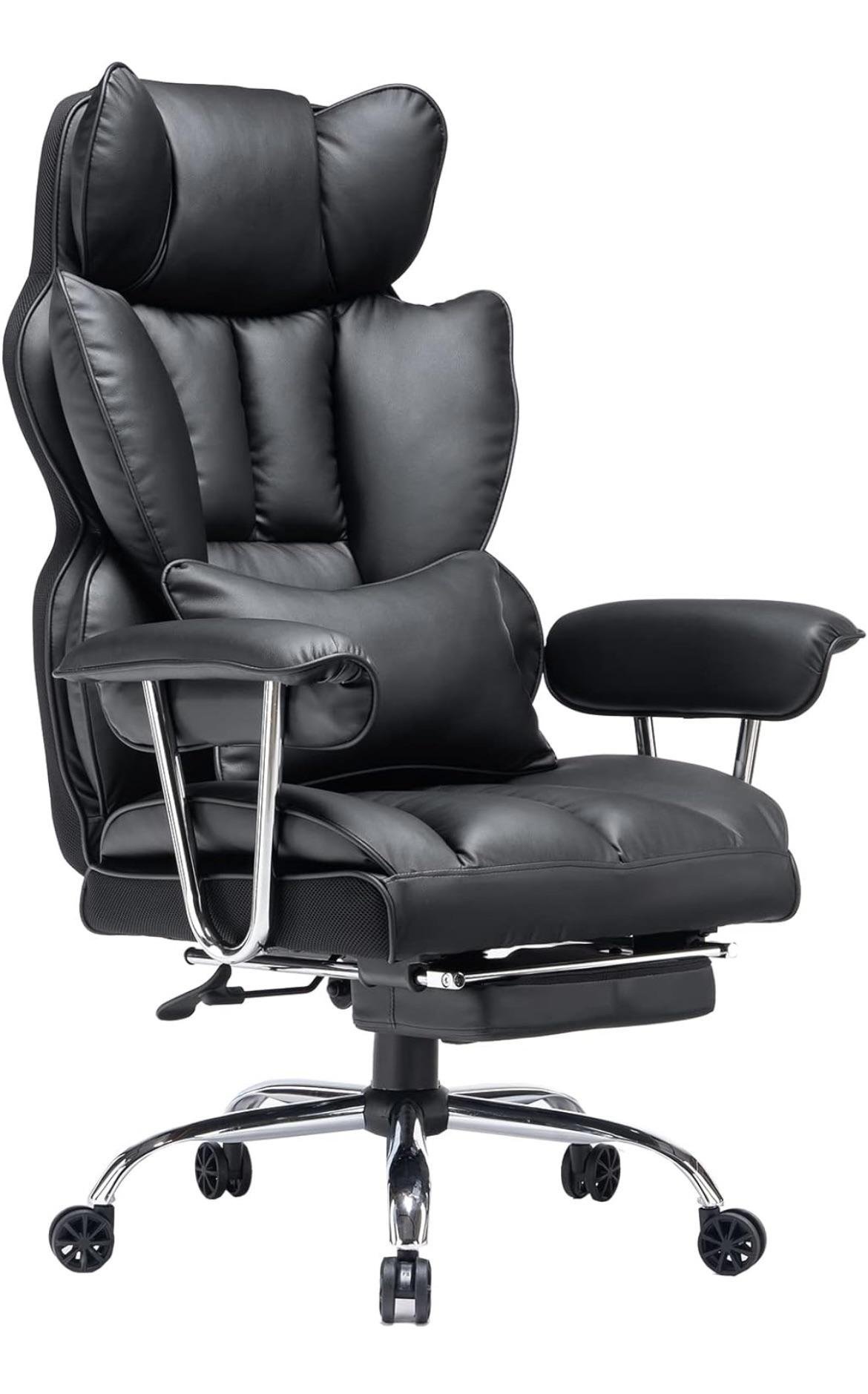
| Chair Type | Best For | Typical Lifespan |
|---|---|---|
| Executive High-Back | Formal offices | 10+ years |
| Ergonomic Leather | Long work days | 12+ years |
| Mid-Century Modern | Style-focused rooms | 8-10 years |
| Budget Faux-Leather | Occasional use | 1-2 years |
How to Maintain Your Chair
- Dust the surface: Wipe the leather weekly with a soft, dry cloth to remove debris that can scratch the finish over time.
- Apply conditioner: Every 6 months, use a pH-balanced leather conditioner to keep the hide from drying out or cracking under office lights.
- Avoid direct sunlight: Position your chair away from windows to prevent UV rays from bleaching the color or weakening the fibers of the leather.
- Tighten hardware: Check all screws and bolts every 12 months; tighten any loose parts to prevent the frame from wobbling or becoming noisy.
- Test the cylinder: If the chair sinks while you sit, the gas lift is failing; replace the cylinder rather than buying an entire new chair.
- Clean spills fast: Blot liquid spills immediately with a clean, absorbent cloth to prevent moisture from soaking into the porous leather surface.
The Mistakes That Ruin Leather
- Using harsh chemicals: Cleaning with household solvents strips the natural oils from the leather, leading to immediate cracking and a permanent loss of texture.
- Ignoring weight limits: Exceeding the manufacturer’s weight capacity bends the metal frame or breaks the pneumatic cylinder, which is often not covered by the warranty.
- Placement near heaters: Intense heat sources dry out the leather rapidly, causing the material to shrink and pull away from the stitching.
- Using abrasive brushes: Scrubbing with stiff bristles ruins the grain of the hide, leaving unsightly marks that can’t be repaired or buffed out.
Frequently asked questions
How long does a leather office chair last?
A high-quality leather chair lasts for a significant period if you maintain the hide with conditioner and avoid placing it in direct sunlight. Budget-grade leather or bonded materials typically fail relatively quickly as the surface finish cracks and peels under daily use.
Is it safe to use leather cleaner on my chair?
It’s safe to use leather cleaner, provided you choose a product specifically labeled for pH-balanced care of upholstery. Never use multipurpose household cleaners or bleach-based sprays, as these will permanently strip the color and dry out the natural fibers of the hide.
How do I stop a leather chair from squeaking?
You stop a squeaking chair by identifying if the sound comes from the metal tilt mechanism or the leather rubbing against the frame. Apply a small amount of silicone-based lubricant to the metal joints, or place a thin felt pad between the leather and the frame.
Does it matter if the leather is real or faux?
It matters because real leather is porous, breathable, and durable, while faux leather is plastic-based and traps body heat. Real leather develops a soft patina over time, whereas faux leather becomes brittle and begins to flake after about 2 years of regular seating.
What happens if I sit in a leather chair while wet?
Sitting in a leather chair while wet causes the moisture to soak into the pores, which may leave a permanent water stain or cause the leather to stiffen upon drying. Always dry off completely before sitting to keep the hide’s finish smooth and uniform.
How much weight can a standard leather chair hold?
Most professional-grade leather chairs hold between 250 and 300 pounds, but you must check the specific manual for your model. If you exceed this weight limit, you risk damaging the internal gas cylinder and voiding the manufacturer’s warranty on the frame.
Conclusion
Choosing the right seat comes down to how much time you spend at your desk and whether you prioritize long-term durability or immediate comfort. Always verify the warranty and the material grade before you buy, as these two factors determine whether your investment lasts for a decade or fails within a single year.