
A common piece of furniture known as a sofa chair is actually referred to as an armchair or an accent chair. While people often use the terms interchangeably, the specific name depends on the design, the intended comfort level, and the physical size.
What a sofa chair is called
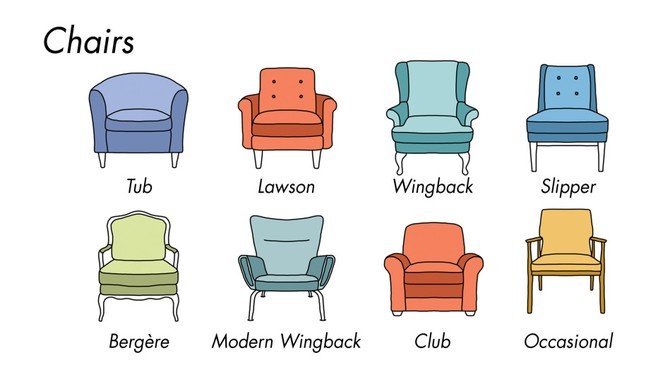
You can usually tell the difference by looking at the frame, the armrests, and the overall purpose of the chair in your room. Use these points to identify your seat:
- Armchair: A chair with side supports for your arms, usually designed for long-term comfort and lounging.
- Accent chair: A chair designed primarily for style or to add a splash of color to a room’s decor.
- Club chair: A deep, wide, and low-slung chair, typically upholstered in leather with a rounded back.
- Wingback chair: A tall chair featuring “wings” on the sides of the backrest, originally designed to block drafts.
- Recliner: A chair that tilts backward and extends a footrest when you pull a lever or push a button.
- Bergère: A classic French-style armchair with an exposed wooden frame and an upholstered back and seat.
Why These Chairs Carry Different Names
The naming of these chairs reflects their history and the specific way they support the human body. Most designs evolved from functional needs, such as the wingback chair created to shield a person from cold air in drafty homes. When you look at an armchair, the focus is on ergonomic support for the shoulders and arms, which is why they’re standard pieces in living rooms. Conversely, an accent chair is often smaller and less cushioned, as its role is to complete a design scheme rather than provide all-day comfort. You can verify the safety and construction standards for furniture testing by checking the BIFMA (Business and Institutional Furniture Manufacturers Association) guidelines. These standards ensure that the materials used in your home seating can withstand daily weight and movement without collapsing. If the chair is built for heavy daily use, it needs a solid wood frame rather than particle board to ensure long-term stability and safety.
When the Terminology Changes
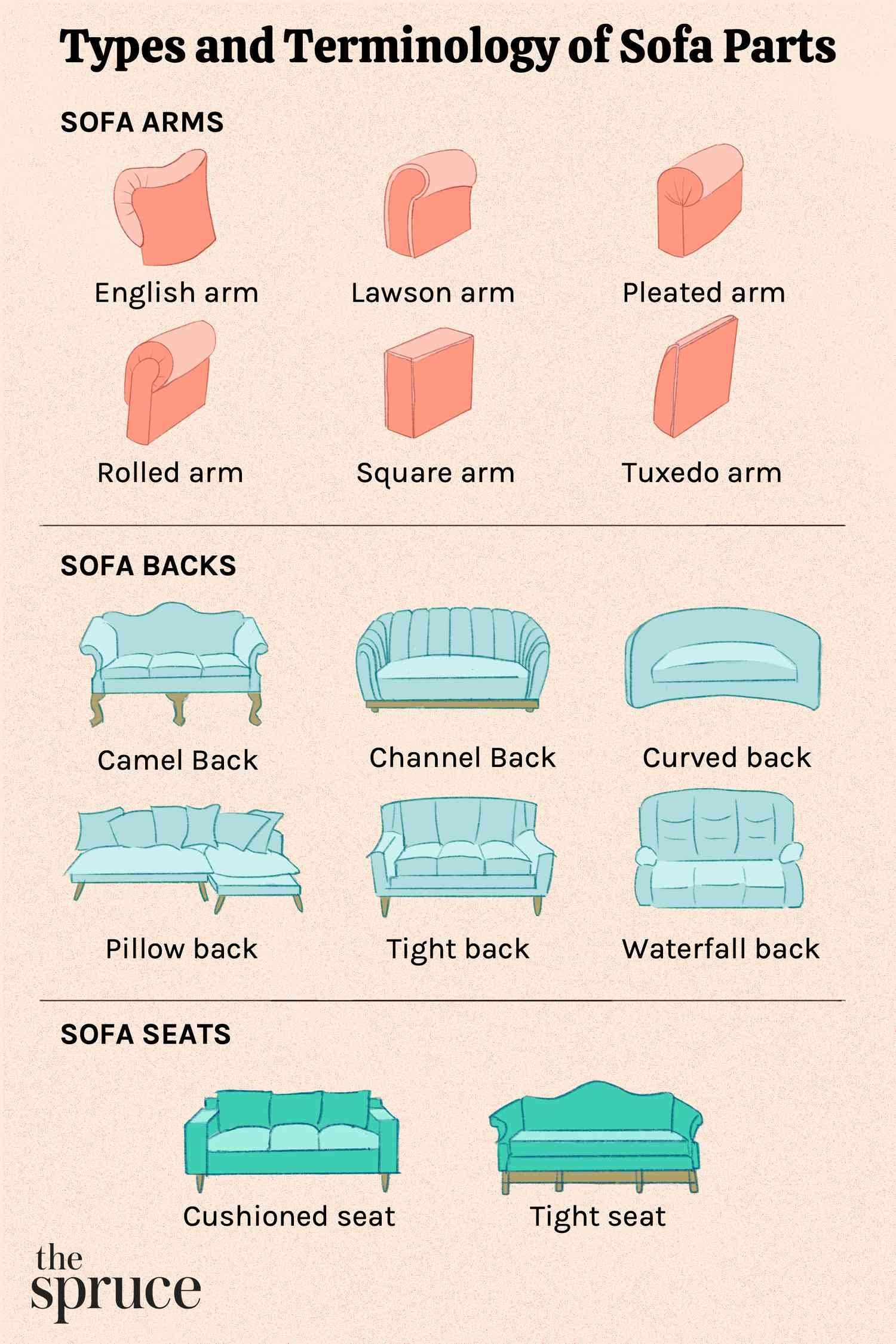
Furniture names often shift based on the context of the room or the specific era of the design. A piece that functions as a reading chair in a library might be called an accent chair when placed in a formal hallway.
| Situation | What changes | What to do instead |
|---|---|---|
| Buying online | Search keywords | Use specific styles like “wingback” |
| Small apartments | Spatial footprint | Choose armless accent chairs |
| Formal rooms | Design priority | Look for “occasional chairs” |
| Daily lounging | Support needs | Select high-back armchairs |
| Modern decor | Aesthetic label | Search for “mid-century lounge chair” |
How to Select the Right Chair
Choosing the correct piece requires looking at your floor space and your preferred sitting style. First, measure the width of the area where the chair will sit, ensuring you have at least 18 inches of clearance for walking around the piece. If you’re tall, look for a seat depth of at least 22 inches to provide proper leg support while you sit. Test the foam density by pressing down firmly on the cushion; it should spring back quickly, which indicates high-quality, long-lasting material. If you choose an armchair with wooden arms, ensure the joints are reinforced with screws or dowels rather than just glue. Finally, check that the fabric is rated for your household needs, such as stain resistance if you have pets or children.
Mistakes That Ruin Your Seating
- Ignoring scale: Choosing a chair that’s too large for the room makes the space feel cramped and difficult to navigate.
- Prioritizing looks over comfort: Buying an accent chair for a reading nook often results in back pain because the backrest lacks proper lumbar support.
- Choosing fragile fabrics: Using delicate silk or velvet in a high-traffic area leads to rapid wear and permanent staining.
- Forgetting seat height: A chair that’s too low makes it difficult for elderly guests to stand up, which can lead to accidental slips or falls.
Frequently asked questions
Can I call any chair with arms a sofa chair?
Technically no, because a sofa chair is a generic term that lacks the precision of specific industry names like armchair or club chair. Using the correct name helps you find parts, covers, or matching pieces for your home more easily.
How long does a quality armchair last?
A high-quality armchair typically lasts 7 to 15 years, depending on the frequency of use and the quality of the internal frame. You can check the manufacturer’s warranty documentation to see the expected lifespan for the specific model you purchased.
Is it safe to use a recliner for sleeping?
It’s generally safe for short naps, but sleeping in a recliner for full nights isn’t recommended by most health experts due to poor spinal alignment. Your body needs a flat surface to maintain natural posture during the deep sleep cycles.
What happens if I buy a chair that’s too small?
A chair that’s too small for your frame will cause muscle strain and posture issues over time. You should ensure the seat width is at least 2 inches wider than your hips to prevent pressure points and discomfort.
Does it matter if the chair matches the sofa?
It doesn’t have to match perfectly, but the chair should share at least one element, such as leg finish or fabric tone, to create a cohesive look. Designers often use a contrasting accent chair to add visual interest to a room.
How much weight should an accent chair hold?
Most standard accent chairs are rated to hold between 250 and 300 pounds, but you must check the specific product label for the exact capacity. Always look for the weight limit sticker on the underside of the seat frame.
Conclusion
The name of your chair is less important than how it fits your body and your home. Always prioritize the construction quality of the frame and the comfort of the cushions to ensure your investment serves you well for many years.