
A good price for a dining table that balances durability and style is typically between $500 and $1,500. Spending under $300 often means sacrificing material quality, while paying over $3,000 usually covers designer branding or rare materials.
Finding a good dining table price

- Entry-level: $200–$500 buys laminate or particleboard tables suitable for light use or temporary living spaces.
- Mid-range: $600–$1,500 provides solid wood or high-quality veneer options that last for many years.
- Premium: $2,000+ covers artisan-crafted pieces, solid hardwoods like walnut, or high-end stone tops.
- Size impact: A table for four people costs roughly 30% less than a matching model designed for eight.
- Base material: Metal or solid wood legs increase the total cost compared to hollow or composite frames.
- Finish type: Lacquer or factory-applied polyurethane coatings add $100–$200 to the price compared to raw, unfinished surfaces.
Why costs vary between furniture pieces
The primary factor driving the price of a dining table is the specific type of wood used in its construction. Solid hardwoods like oak, maple, or walnut require longer drying times and more complex joinery techniques than composite materials like MDF or particleboard. These natural materials are also subject to U.S. Consumer Product Safety Commission guidelines regarding stability and finish safety, which manufacturers must test for to ensure they don’t tip over easily.
Manufacturing processes also dictate the final cost you see at the register. A table made with traditional mortise-and-tenon joints will always cost more than one held together by cam locks and screws because it requires more labor hours to build.
If you’re browsing, you can check the underside of the table to see how the joints connect. If you see metal hardware and pre-drilled holes, you’re looking at a mass-produced item that should be priced lower than a piece with seamless wooden joints.
When the price range changes
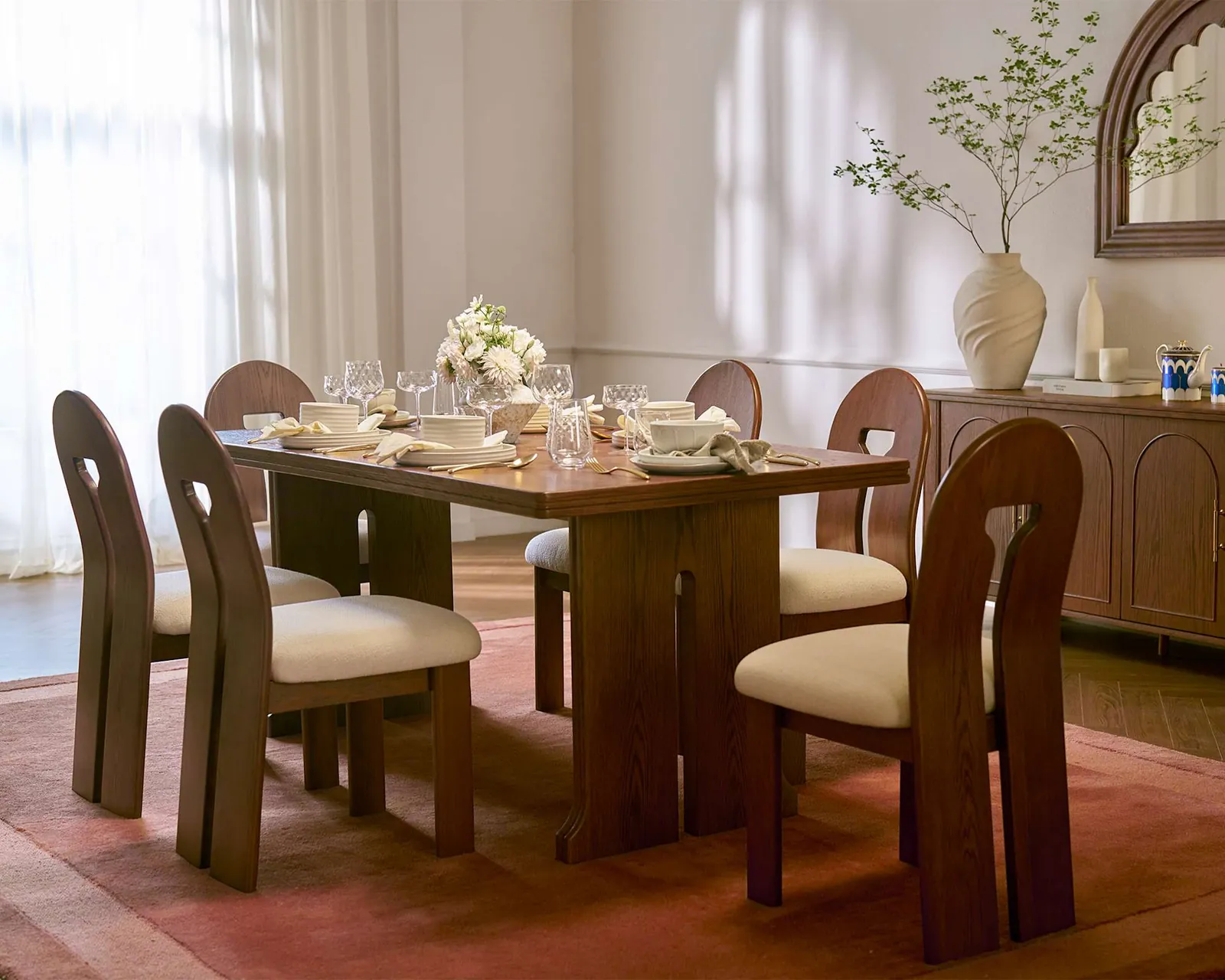
The cost of a table changes based on the specific features and the materials chosen for the build.
| Situation | What changes | What to do instead |
|---|---|---|
| Expandable leaves | Adds mechanical cost | Look for simple drop-leaves |
| Exotic hardwoods | Increases material cost | Choose domestic oak or pine |
| Custom dimensions | Adds labor time | Stick to standard sizes |
| Glass tops | Increases shipping cost | Select wood or metal tops |
| Designer labels | Adds brand markup | Shop at independent workshops |
How to choose the right table
- Measure your dining room to ensure you leave 36 inches of clearance on all sides for chairs.
- Count how many people must fit daily; if you host guests once a month, buy for your daily needs.
- Check the weight of the table; solid wood should feel heavy and stable when you push on the edge.
- Run your hand along the underside of the tabletop to verify the finish is smooth and splinter-free.
- Look for “solid wood” on the product label; if it says “veneer,” check that the core is wood.
- Test the level of the table on a flat floor; if it wobbles, the frame is likely warped.
The mistakes that ruin your purchase
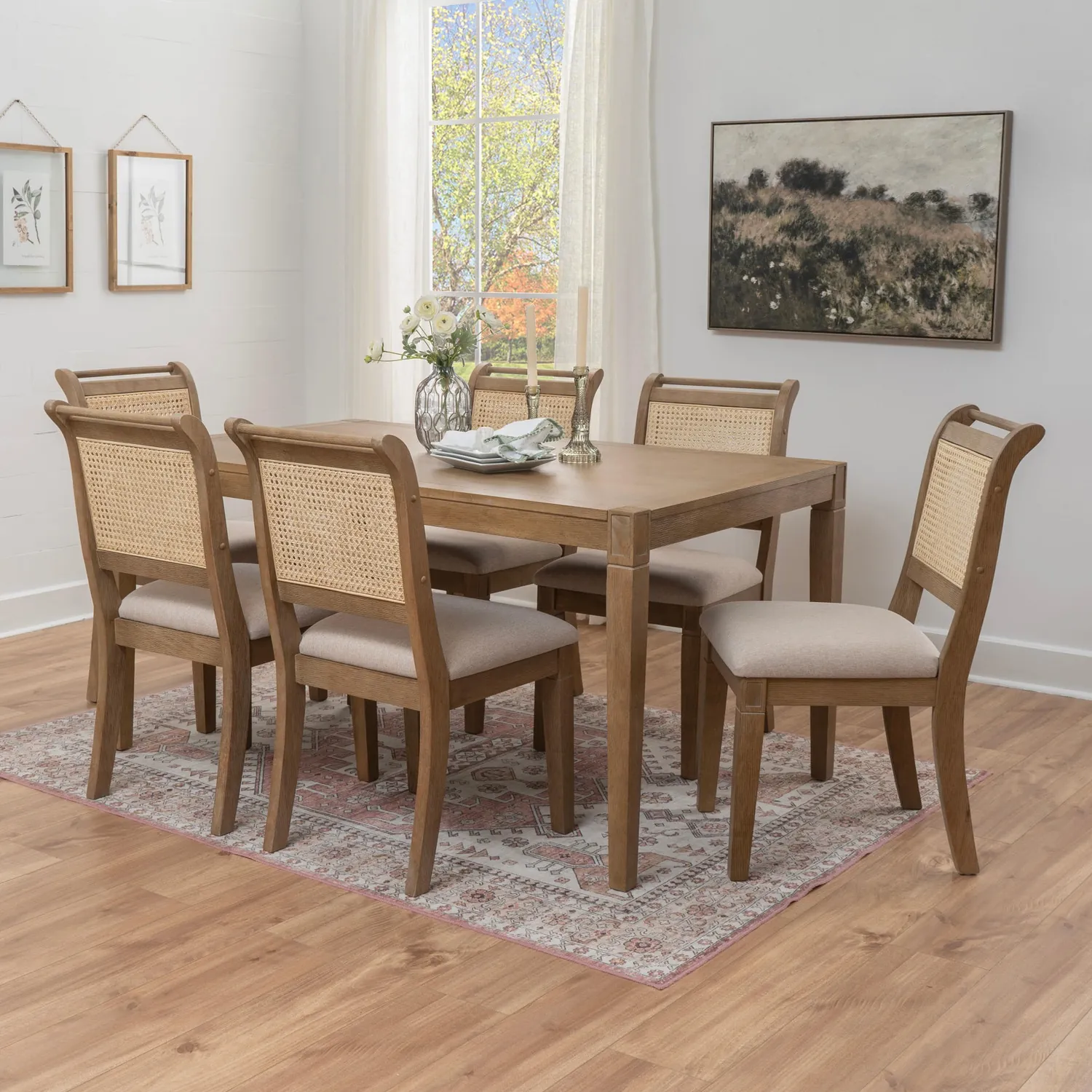
- Buying a table with a fragile high-gloss finish if you have young children, which shows every scratch.
- Ignoring the height of your existing chairs, which often leads to an uncomfortable seating position during meals.
- Choosing a table base with four corner legs if you need to squeeze in extra chairs for guests.
- Failing to check the assembly instructions, which can result in a weak structure if you lack the right tools.
Frequently asked questions
How much should I pay for a solid wood table?
You should expect to pay between $800 and $2,000 for a quality solid wood dining table. This price range assumes a standard size for four to six people; if you need a larger table for eight or more, allow for at least 40% more in your budget.
Does the shape of the table affect the price?
Round tables often cost more than rectangular ones of the same surface area due to the complexity of the curved manufacturing process. A round table requires specialized cutting equipment, whereas straight cuts on a rectangular table are faster and generate less material waste during production.
Is it safe to buy a cheap dining table?
It’s safe if the table meets local stability standards, but cheap tables often use weaker hardware that loosens over time. You should check that the bolts are tight every six months to prevent the legs from wobbling or collapsing under the weight of heavy dinnerware.
How long does a mid-range table last?
A well-maintained mid-range table lasts 10 to 15 years with proper care. This assumes you clean it with a soft cloth and avoid placing boiling hot pots directly on the surface, which can damage the protective finish and lead to water rings or peeling.
Why are extendable tables more expensive?
Extendable tables cost more because they include mechanical slides and locking hinges that must align perfectly. These parts add to the labor cost, and you should test the mechanism in the store to ensure it slides smoothly without catching or grinding on the frame.
Does the finish type impact the cost?
A multi-step factory finish, such as a catalyzed lacquer, costs more than a simple oil or wax finish. You can tell the difference by the surface feel; a lacquer finish is smooth and hard to the touch, while an oil finish feels closer to the raw grain of the wood.
Conclusion
When you shop for a new table, remember that the most expensive choice isn’t always the best one for your home. Focus on the quality of the wood and the strength of the joints to ensure you get a piece that serves your family well for years to come.