
To find the best setup, measure your floor space first and subtract three feet from every edge to leave room for chairs. Solid wood suits homes that need durability, while an extendable model wins if your room is small and you host guests. You can select the right dining table by matching its dimensions to your available wall space.
Comparing common dining table styles
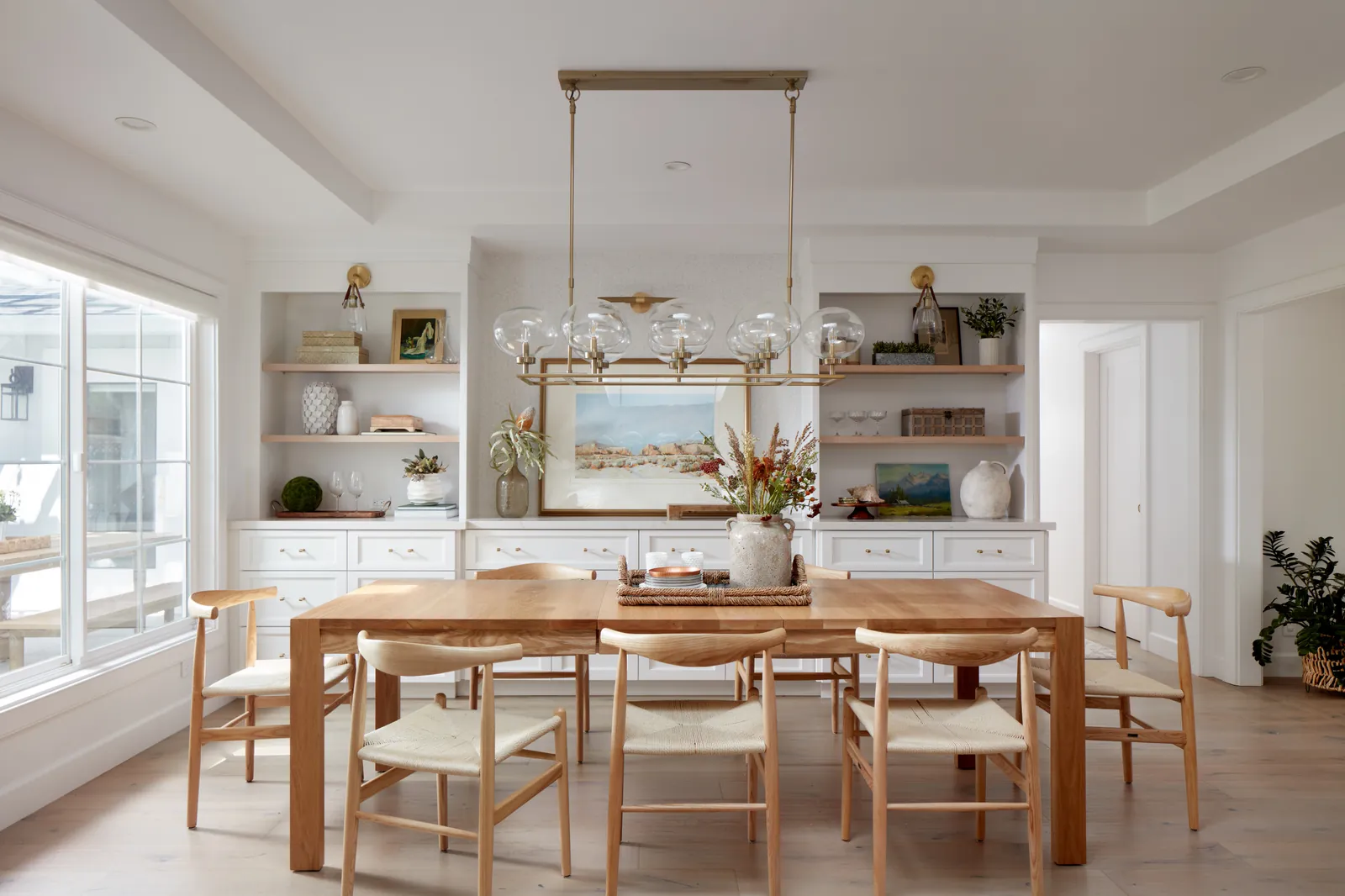
Every room layout demands a specific balance between surface area and walking room. Selecting the wrong profile can block doorways or leave guests trapped against walls.
| Method | How long | Effort | Cost | Best for |
|---|---|---|---|---|
| Standard rectangular table | 10 to 15 years | Low | Medium | Long rooms and four or more seats |
| Round pedestal table | 10 to 15 years | Low | Medium | Square rooms and tight corners |
| Extendable leaf table | 8 to 12 years | Medium | High | Small spaces with occasional guests |
| Built-in banquette table | 15 to 20 years | High | High | Narrow corners and fixed seating |
Rectangular dining table setup
Rectangular frames fit standard long dining rooms best because they mirror the walls. They give everyone their own clear plate zone and line up well with overhead lighting fixtures.
- Measure your room length and width using a steel tape measure.
- Mark the floor outline with painter’s tape, leaving at least 36 inches between the tape and any wall.
- Allow 24 inches of table width per person to prevent bumped elbows during meals.
- Position the legs so they don’t block knees where people naturally sit.
These tables offer great stability and seat six to ten people easily. Their main weakness is that sharp outer corners crowd walking paths in narrow rooms. This setup isn’t for homes with square dining areas under ten feet across.
Round pedestal table layout
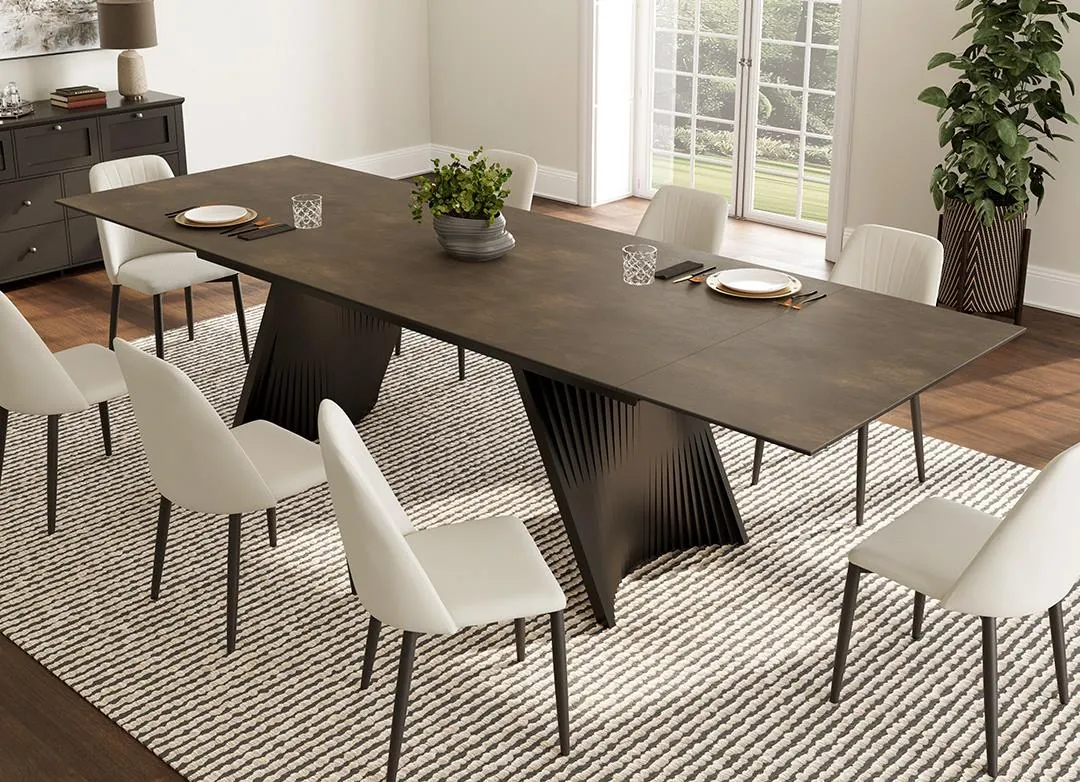
Round tables eliminate sharp corners and let everyone face each other naturally. A single center pedestal creates extra legroom because no corner posts block your chairs.
- Measure the shortest distance across your dining area from wall to wall.
- Deduct six feet from that measurement to find your maximum tabletop diameter.
- Choose a 48-inch top for four seats, or a 60-inch top for six seats.
- Check that the base plate weighs enough to keep the surface stable when someone leans on it.
Traffic moves smoothly around curved edges in compact rooms. The big downside is that large round tops above 60 inches make reaching center serving bowls difficult.
Extendable leaf dining table
Extendable tables use hidden internal panels or drop-leaves to expand seating on demand. They let you keep floor space open for daily living without giving up room for dinner parties.
- Measure your room to make sure you have 36 inches of clearance when the leaves are fully open.
- Test the mechanical slide gear to ensure it glides without catching or jamming.
- Lock the leaf panels into place using the underside latches before setting dishes down.
This design gives you two distinct sizes in a single piece of furniture. A clear drawback is that internal mechanical hinges can loosen over years of frequent use. If an extendable top feels too complex, a wall-anchored banquette table saves floor space permanently, though it requires custom carpentry and can’t be moved later.
Choosing the right dining table for your room
If you’re in a hurry, buy a standard rectangular wooden table because it matches standard room layouts with zero guesswork. If you’re buying a table for the first time, pick a round pedestal table because it fits awkward room shapes and prevents bruised hips. If you want the best possible result whatever it takes, choose an extendable solid wood table that adapts to daily meals and large parties.
The fundamental trade-off comes down to usable floor area versus seating count. Adding seats always shrinks your walkway.
Basic rules for measuring and clearance
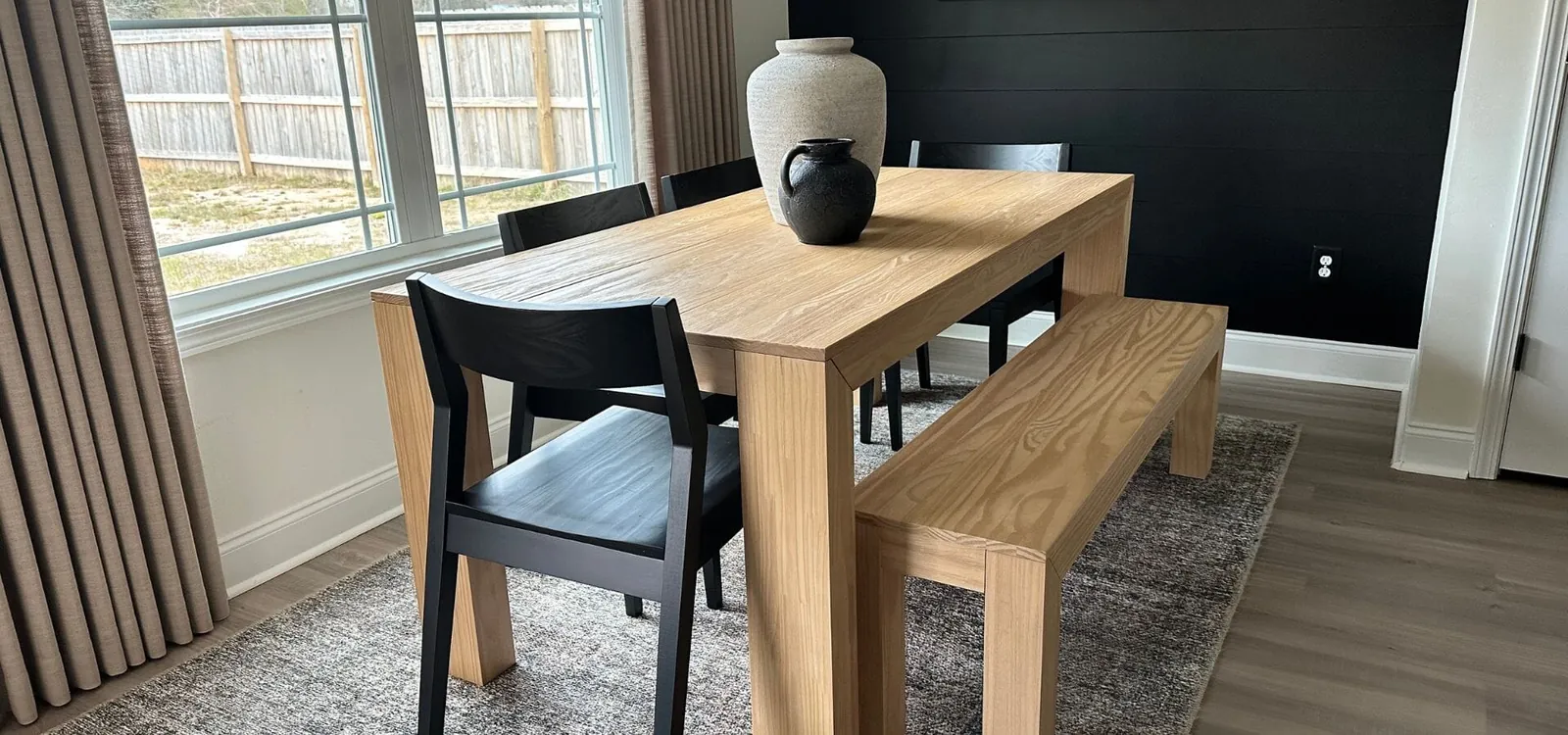
No matter which style you pick, leave at least 36 inches of clear space between the tabletop edge and the nearest wall or sideboard. This gives an adult room to push a chair back and stand up without striking the wall.
Check doorway frames and stairwell corners before placing an order. A table top that clears your dining room floor does no good if it can’t pass through your front hallway. If you need to assess your home environment for harmful finishes on imported furniture, consult the U.S. Consumer Product Safety Commission for current chemical safety guidelines. The true limit of table capacity depends on chair width, which you can read off the specification tag on the chair frame.
Frequently asked questions
How much space do you need behind a dining chair?
You need 36 inches of clear space between the table edge and any wall. This distance lets an adult slide a chair back comfortably and walk past seated guests without squeezing through sideways.
What happens if you buy a table that’s too large?
Your room feels cramped, chair legs hit baseboards, and daily traffic paths get blocked. You’ll also struggle to carry food safely from the kitchen when walkways measure under three feet wide.
Can a round table seat six people?
Yes, a 60-inch round table seats six adults comfortably. A smaller 48-inch round top only fits four people because each place setting requires roughly 24 inches of outer perimeter space.
Why are pedestal bases better for small rooms?
A pedestal base removes the four corner legs that normally block feet. This allows you to tuck extra chairs under the table surface without bumping into wooden posts.
Is solid wood better than veneered wood?
Yes, solid wood lasts longer because you can sand down and refinish surface gouges over time. Veneered surfaces cost less initially, but deep water stains and chips expose particle board that can’t be easily repaired.
Conclusion
If a wooden surface looks right in the showroom, test it with your everyday chairs before making a final choice. If your chairs feature wide armrests, make sure they slide fully beneath the tabletop apron; if they don’t fit, switch to armless seating. Buying the wrong height or leg spacing costs you hours of return shipping fees, so double-check every clearance number on paper first.