
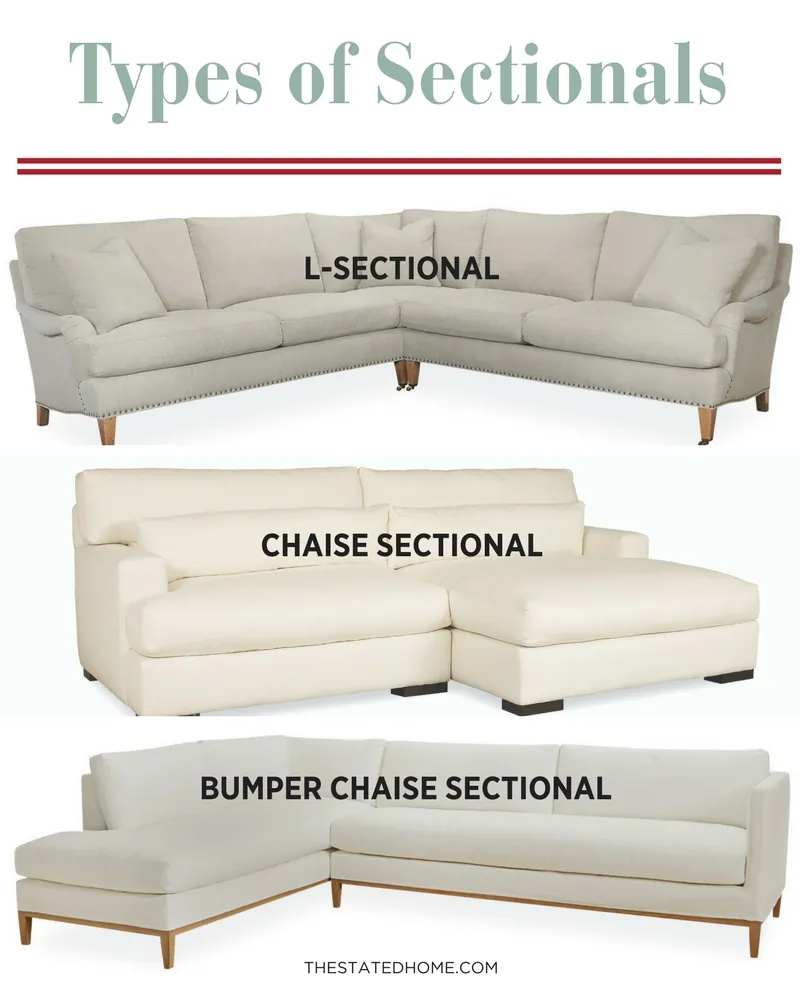
A sectional sofa is a multi-piece furniture item designed to form a larger seating arrangement by connecting individual modules together. It usually consists of two or more independent units, like a corner piece, a chaise, or a loveseat, which you can arrange to fit your specific room layout.
Parts of a sectional sofa
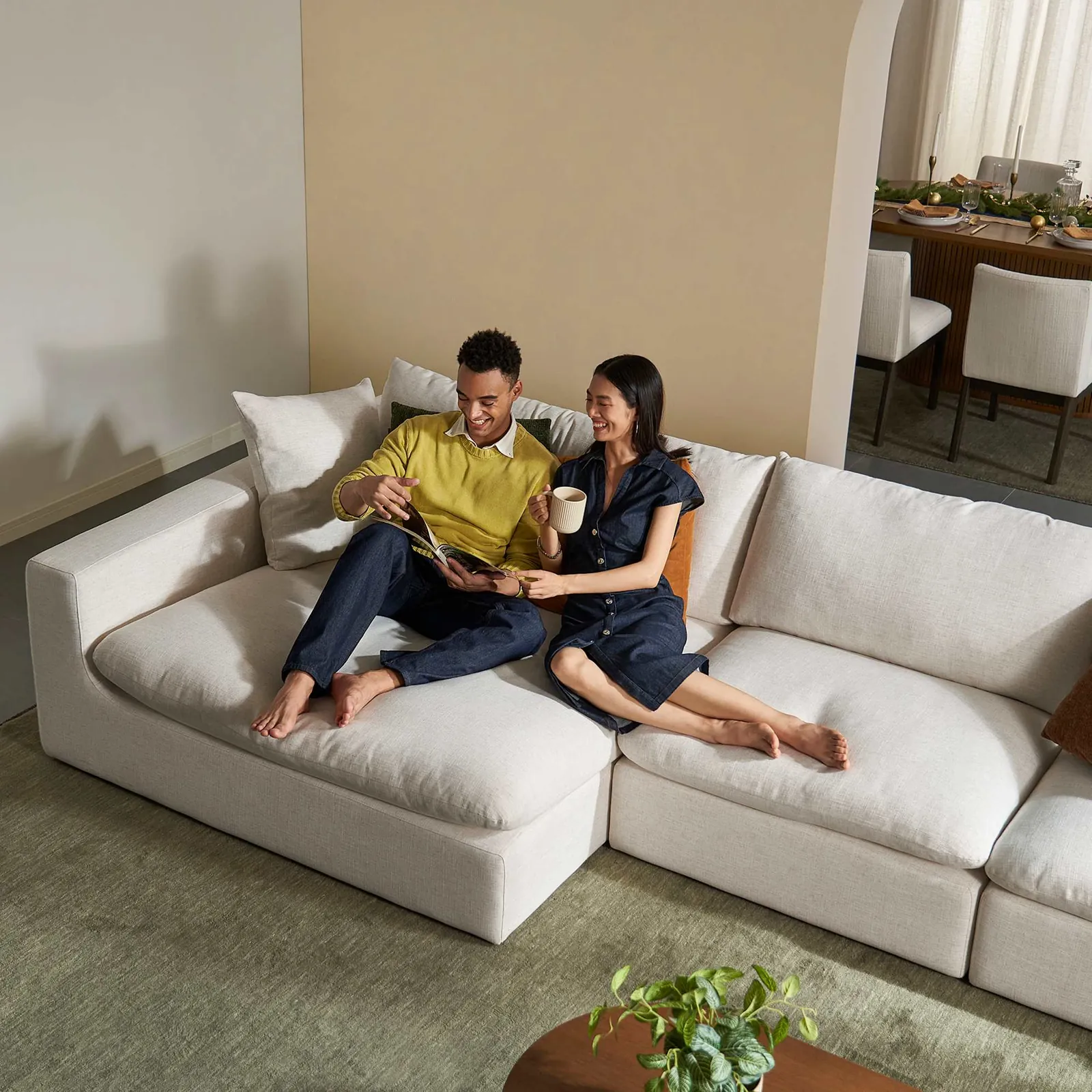
You can identify the different parts of a sectional by their shape and function. These pieces lock together to create a stable base, though you can often separate them if you want to rearrange your living area.
| Part or input | What it does | What you notice when it goes wrong |
|---|---|---|
| Corner wedge | Connects two seating units | The corner gap becomes too wide |
| Chaise lounge | Provides extended leg room | The cushion slides away from base |
| Armless chair | Adds length to the center | The seat cushion starts to sag |
| Connector bracket | Keeps the modules together | The pieces drift apart during use |
| Ottoman | Serves as footrest or seat | The fabric wears out faster |
Note: For specific weight limits or maintenance schedules, check the technical documentation provided by the manufacturer or the label attached to the underside of the frame.
How to assemble modular furniture
Assembling these pieces requires a clear space and attention to how the locking hardware aligns. If the modules aren’t level, the connectors won’t engage properly, which causes the sofa to feel unstable.
- Clear a floor space roughly 10 by 10 feet to allow room for moving each module into position.
- Place the primary corner piece in your desired location, ensuring it sits flat against the floor without any rocking motion.
- Slide the adjacent module toward the corner piece until the metal brackets on the sides of the frames align perfectly.
- Engage the locking mechanism by lifting the second piece slightly and hooking it into the bracket of the first module.
- Push the pieces firmly together until you hear or feel a click, which signals the hardware has fully locked into place.
- Repeat these steps for any remaining units, checking that the cushions align at the seams for a uniform look.
Why structural integrity matters
Construction determines a sectional’s longevity. Modular hardware is a common failure point. Misaligned brackets shift tension to the frame, causing warping or loose joints. Many manufacturers follow guidelines from the American Home Furnishings Alliance regarding the testing of durability and stability for upholstered products.
A common mistake is failing to tighten the legs or feet after the initial assembly. You should verify that all contact points are firm before you start using the sofa for regular lounging.
Control and design limitations
What you can change
- The overall layout of the modules to fit your room shape.
- The placement of the chaise to be on either the left or right side.
- The use of throw pillows to adjust back support or comfort.
- The addition of matching ottomans to create a larger lounge area.
What is fixed by design
- The depth of the seat and the height of the backrest.
- The internal frame material and the suspension system used.
- The permanent orientation of the armrests on specific end modules.
If the internal frame is damaged, don’t attempt to repair it yourself unless you have carpentry training. Contact a professional furniture technician for any repairs involving the internal springs or structural supports.
Habits for better sofa performance
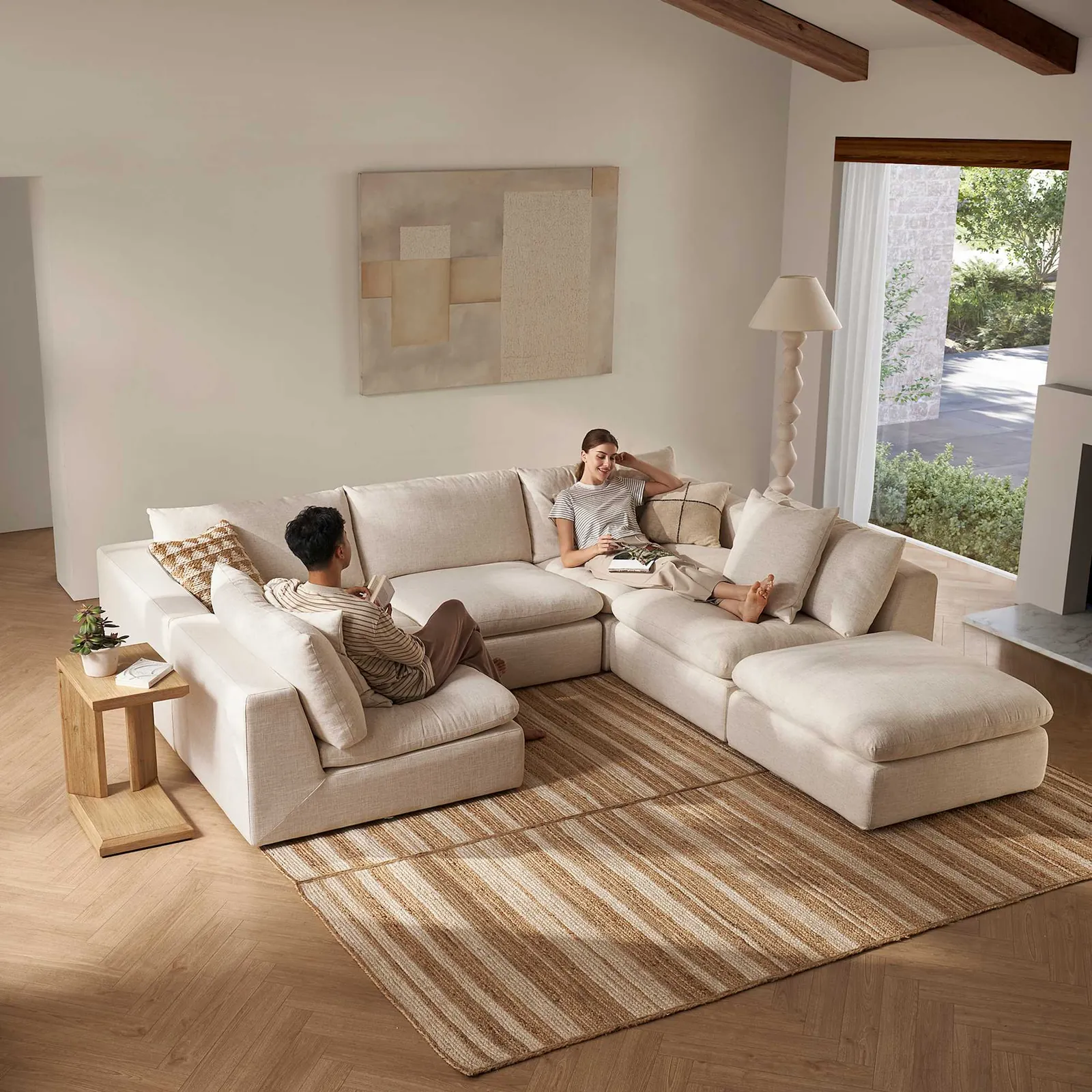
To keep your furniture in good shape, rotate your cushions as needed based on use and the owner’s manual to prevent permanent indentations in the foam. If you have a spill, blot it immediately with a clean cloth rather than rubbing, as rubbing pushes liquids deeper into the padding. Always keep the sofa at least 6 inches away from heat sources like radiators.
Frequently asked questions
How long does a sectional sofa last?
A quality piece typically lasts for a significant period with standard daily use. The lifespan depends heavily on the density of the foam and the quality of the frame, which you can verify in the product’s technical specifications.
Is it safe to move a sectional alone?
Moving a sectional alone is risky because the heavy modules can cause muscle strain or damage your floors. It’s safer to separate the modules first, moving each piece individually to avoid tipping or excessive weight on the joints.
Why does my sectional have a gap?
A gap usually happens when the floor is uneven or the connector brackets aren’t fully engaged. Check that all feet are touching the ground and that the locking hardware has clicked into the correct position.
Can I add more pieces later?
You can only add more pieces if the manufacturer still sells that specific model and collection. Most modular lines are discontinued after a few years, so check the manufacturer’s current catalog for compatibility before you plan an expansion.
Does it matter if I have pets?
It matters because claws and dander can ruin delicate fabrics or leather surfaces quickly. If you have pets, look for performance fabrics labeled for high durability, which you can identify by the rub count listed on the product tag.
What happens if the fabric tears?
A tear in the fabric usually requires a professional upholstery repair to prevent the hole from spreading. You can check the manufacturer’s manual for recommended cleaning and repair kits that match your specific fabric grade and color.
How do I stop the modules from sliding?
Modules slide when the floor is slippery or the connectors are loose. Place a non-slip rug pad underneath each module to increase friction, or tighten the metal brackets if they have become loose from frequent movement.
Conclusion
Choosing the right sectional depends on your room size and how you plan to use the space. By understanding the modular nature of these pieces and checking your hardware periodically, you ensure the furniture stays stable and comfortable for years. Always prioritize the manufacturer’s assembly instructions to protect your investment and maintain the integrity of the frame.