
Creating a swivel chair involves mounting a seat assembly onto a mechanical bearing base that allows for 360-degree rotation. You can achieve this by repurposing a sturdy chair frame and attaching a high-quality steel swivel plate. Depending on your material choices, the project will typically cost between $45 and $180, factoring in hardware, lumber, or used furniture components. This DIY endeavor is highly rewarding for those seeking custom ergonomic solutions or aesthetic office upgrades.
Key Takeaways
- Ensure your base is wide enough to prevent tipping during rotation.
- Use heavy-duty steel swivel plates rated for your specific weight.
- Always pre-drill holes to prevent wood splitting during assembly.
- Verify that your chosen chair seat is level before attaching hardware.
- Tighten all bolts securely to avoid wobbling or mechanical failure.
How to Make Swivel Chair Mechanisms
To build a functional swivel chair, you need a stable foundation and a reliable bearing. Most DIYers use a swivel plate mechanism, which consists of two square steel plates connected by a ball-bearing race. You must bolt one plate to your seat and the other to your base. It’s crucial to follow the ANSI/BIFMA X5.1 Office Chair Standards for stability and safety testing to ensure the furniture can withstand daily use without collapsing or tipping unexpectedly.
Essential Tools and Materials
Gathering the right supplies is half the battle. You’ll need a power drill, a set of wood screws, carriage bolts, and a wrench.
| Item | Purpose | Importance |
|---|---|---|
| Swivel Plate | Enables smooth rotation | Critical |
| Power Drill | Pre-drilling and fastening | Essential |
| Carriage Bolts | Securing seat to mechanism | High |
| Measuring Tape | Ensuring perfect alignment | High |
| Sandpaper | Smoothing rough edges | Moderate |
Selecting the Right Base
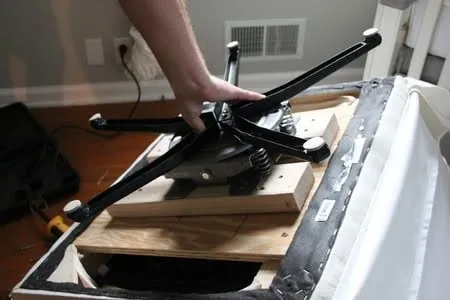
Your base provides the footprint for stability. You can use a wooden cross-base, a salvaged metal spider base from an old office chair, or a circular pedestal. If building a wooden base, ensure the legs extend at least as far as the seat’s outer edge. A wide footprint design is the most effective way to prevent the chair from tipping over when you lean back or rotate quickly.
Preparing the Chair Seat

Before attaching the hardware, inspect your seat for structural integrity. If you’re using an existing chair, remove the fixed legs carefully. You need a flat mounting surface. If the bottom of your seat is uneven, you may need to attach a piece of plywood as a mounting adapter plate to create a level plane for the swivel mechanism.
Step-by-Step Installation Process
- Measure the center point of your seat bottom.
- Align the top plate of the swivel mechanism with this center.
- Mark the holes using a pencil or marker.
- Drill pilot holes to prevent the wood from cracking.
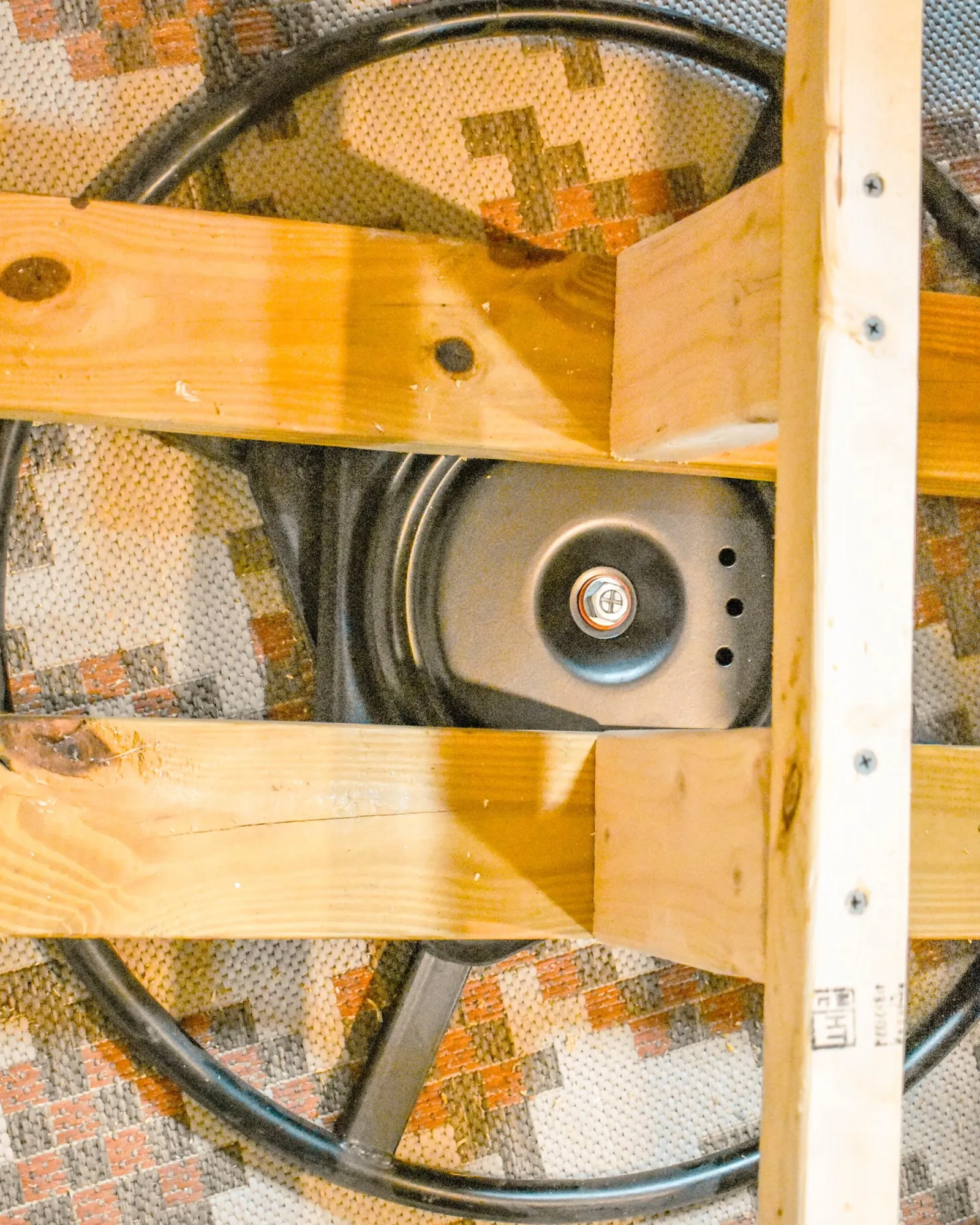
- Fasten the swivel plate to the seat using heavy-duty bolts.
- Repeat the process to attach the bottom plate to your base.
Pro Tip: Always use washers between the bolt head and the swivel plate to distribute the pressure and prevent the metal from digging into the mounting surface.
How Do You Ensure Smooth Rotation?
A swivel chair should rotate without grinding or resistance. If the motion feels stiff, check for debris inside the ball bearings. Applying a small amount of silicone-based lubricant can significantly improve performance. Ensure the plates are perfectly parallel; if one plate is tightened more than another, it can cause the mechanism to bind or create an annoying squeaking noise during operation.
Choosing Quality Hardware Components
Never skimp on the swivel plate itself. Cheap, plastic-based mechanisms often fail under the weight of an adult. Look for solid steel construction with a high weight capacity, typically rated for at least 300 pounds. Brands like Rockler or generic heavy-duty industrial suppliers offer reliable options. Choosing a plate with a built-in locking feature can also add versatility if you occasionally need the chair to remain stationary.
Troubleshooting Common Chair Issues
| Issue | Potential Cause | Fix |
|---|---|---|
| Wobbling | Loose fasteners | Tighten all bolts |
| Grinding | Debris in bearings | Clean and lubricate |
| Tipping | Narrow base | Add weight or extend legs |
| Squeaking | Friction | Apply silicone grease |
Frequently Asked Questions
Can I turn any chair into a swivel chair?
Technically, yes, provided the chair has a flat, sturdy surface on the bottom to mount the swivel mechanism. However, chairs with delicate legs or thin frames may not support the added torque of a swivel base. Always ensure the seat’s structural integrity can handle the stresses of rotation before committing to the modification.
What is the best material for a swivel base?
Heavy-duty steel is the gold standard for durability and safety. If you prefer a wooden aesthetic, hardwoods like oak or maple are superior to softwoods or particleboard, as they hold screws and bolts much more securely. Always ensure your base material is thick enough to prevent the hardware from pulling through the grain during use.
How do I stop the chair from squeaking?
Squeaking usually occurs due to friction between the metal plates or dry ball bearings. First, clean the mechanism to remove dust. Then, apply a high-quality silicone lubricant directly into the bearing race. Avoid thick greases that attract dust, as these can eventually make the rotation feel gritty and difficult to move over time.
Is it safe to use a swivel chair on carpet?
Yes, but you must ensure the base is wide enough to maintain stability on an uneven surface. Carpet can increase friction or cause the chair to tilt if the pile is deep. Using a hard chair mat can provide a smooth, level surface that makes swiveling easier and prevents the base from damaging your floor coverings.
Can I add a locking mechanism later?
Yes, you can purchase separate swivel plates that feature a locking lever. If you already have a non-locking swivel installed, replacing the plate is a straightforward task of unscrewing the old hardware and mounting the new one. This is a common upgrade for people who use their chairs for both active tasks and stationary desk work.
Conclusion
Gathering the right materials and following these steps will provide you with a functional, custom-made swivel chair. Take your time during the alignment phase to ensure the weight is centered, which is vital for long-term comfort and mechanical longevity. Once the assembly is complete, perform a test sit to ensure all fasteners are tight and the motion is smooth.