
A sectional is often more practical for large families or open-plan rooms, but a traditional sofa is better for smaller spaces and formal layouts. Deciding between a sectional or a sofa depends on your room size, how many people you need to seat, and your budget.
Is a sectional better than a sofa

- Sectionals provide more total seating capacity, which is ideal for movie nights or hosting larger groups.
- Traditional sofas offer a cleaner, more classic look that fits well in narrow rooms or apartments.
- Modular sectionals allow you to rearrange pieces, making them a flexible choice if you move often.
- Standard sofas are easier to clean underneath, as they usually feature clear access to the floor.
- Sectionals often create a “closed” feel in a room, which can make smaller spaces look cramped.
- Sofas allow you to add matching armchairs, creating a balanced and symmetrical seating arrangement for guests.
Why Room Layout Determines Your Choice
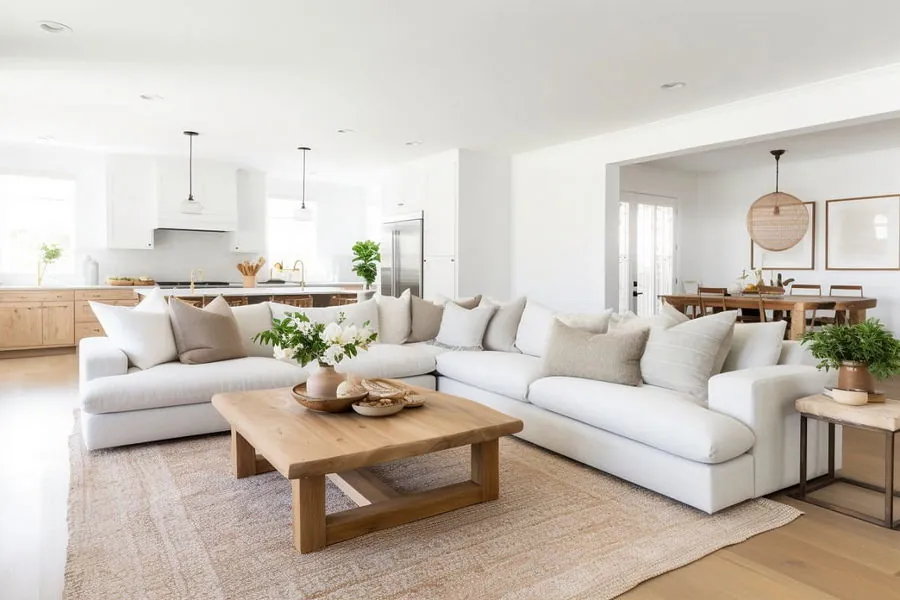
The main reason to choose one over the other is how you use your living space daily. Sectionals are designed to maximize corner space and provide a continuous lounging area, which is perfect for informal family gatherings.
They act as a natural room divider in open-plan homes, helping to separate the living area from the dining or kitchen zones. However, if your room is small, a large sectional can overwhelm the space and block walkways, making the area feel difficult to navigate.
Traditional sofas, by contrast, offer a lighter visual footprint. They’re easier to move and can be paired with other furniture to create a flexible seating group. If you prefer to change your room layout frequently, a sofa is much easier to reposition than a heavy, multi-piece sectional. You should always measure your floor space and doorways before buying, as the Consumer Product Safety Commission warns that large, heavy furniture requires careful placement to ensure stability and safety in your home.
When the Answer is Different
| Situation | What changes | What to do instead |
|---|---|---|
| Small apartment | Space is limited | Choose a standard sofa |
| Frequent moves | Ease of transport | Pick a modular sofa |
| Large family | Seating capacity needs | Buy a large sectional |
| Formal living room | Need for symmetry | Use two matching sofas |
| Studio layout | Defined zones needed | Use a corner sectional |
How to Select the Best Furniture Piece
- Measure your total available wall length to ensure the piece fits without blocking any heating vents or doors.
- Count the number of people who need to sit regularly to decide if you need three seats or five.
- Check the depth of the cushions; a seat depth of 22 inches is standard for most adults to sit comfortably.
- Test the frame by lifting one corner; a quality piece shouldn’t twist or creak when you lift it slightly.
- Consider the fabric type based on your home use; choose performance fabrics if you have pets or small children.
- Confirm the clearance in your hallway and front door to ensure the delivery team can actually move the item inside.
Common Mistakes That Ruin Your Setup
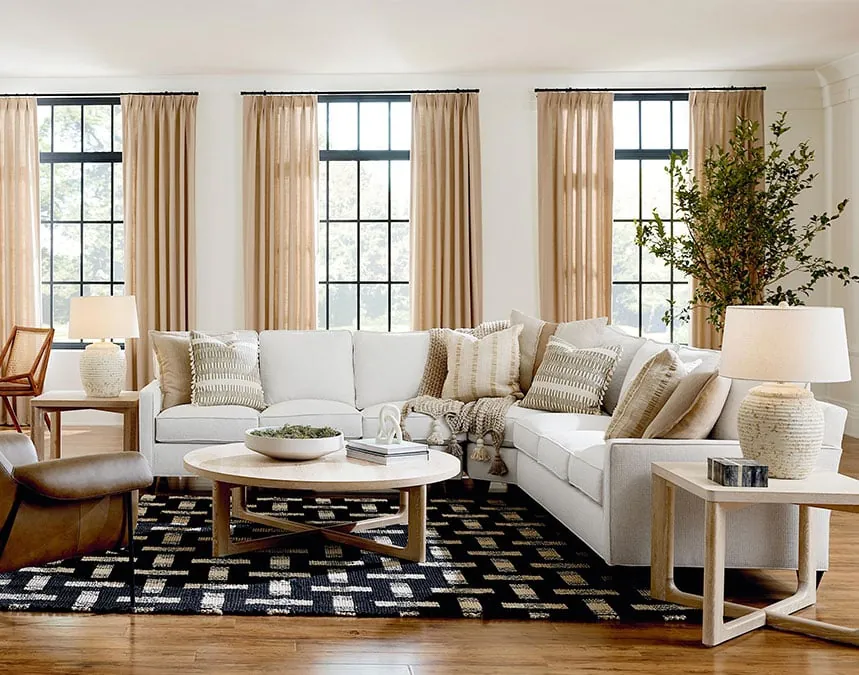
- Buying a sectional that’s too large for the room, which cuts off natural light and makes the area feel claustrophobic.
- Forgetting to measure the doorways, which often leads to expensive returns when the furniture piece doesn’t fit through the entrance.
- Choosing a light-colored fabric in a high-traffic area, which forces you to clean the upholstery constantly to keep it looking fresh.
- Ignoring the seat height, which can make it difficult for older guests to stand up if the sofa is too low.
Frequently Asked Questions
Can a sectional fit in a small room?
A sectional can fit in a small room if you choose a compact, low-profile model with a chaise instead of a full corner piece. You must ensure you have at least 18 inches of clearance between the sofa and any coffee table for walking.
Is it harder to clean under a sectional?
It’s significantly harder to clean under a sectional because the pieces are heavy and often connected, preventing access to the floor. Most owners must move the entire unit to vacuum, while standard sofas usually have legs that allow easy access.
Does a sectional have a longer lifespan?
A sectional doesn’t have a longer lifespan, as the durability depends on the frame materials and fabric quality rather than the shape. You can expect a high-quality hardwood frame to last for a significant period with proper, regular maintenance.
Why is a sofa better for formal living?
A sofa is better for formal living because it allows for a symmetrical layout that looks balanced and organized. You can place two sofas facing each other, which creates a classic look that sectionals can’t easily replicate in formal spaces.
How do I know if I need a left or right chaise?
You determine the chaise side by facing the sofa from the front of the room. If you want the extension on your right-hand side while facing the sofa, you need a right-arm-facing (RAF) chaise model.
Does the material change the sofa comfort?
The material changes the comfort level, as leather stays cooler but can feel slippery, while performance fabrics offer a warmer, softer touch. You should check the manufacturer’s care label to see how the specific material reacts to daily wear and tear.
Conclusion
Choosing between these two options comes down to how much space you have and how many people you host. If you have a large, open area and need maximum seating, a sectional is the better tool. If you value flexibility and a clean look in a smaller room, a standard sofa will serve you better for many years.