
To find the right piece for your room, you should measure your available floor space and subtract 36 inches from each side to see how to select dining table dimensions that allow for comfortable chair movement. This ensures you have enough clearance for guests to sit and stand without bumping into walls or other furniture.
Comparing common dining table materials
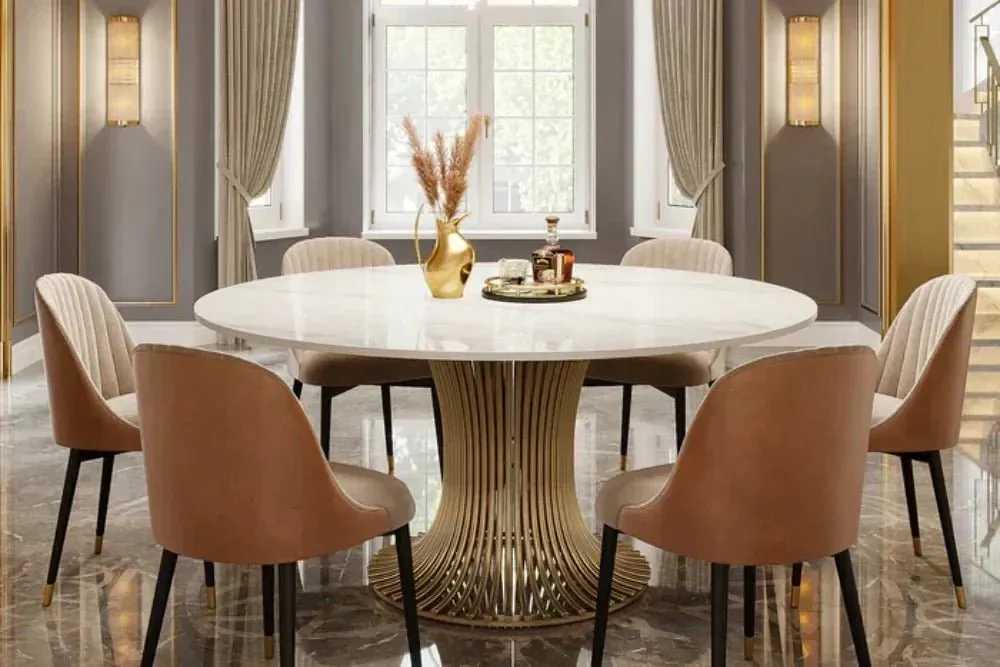
Selecting the right material affects how much maintenance your furniture needs over time. While wood offers a classic look, glass or metal might fit a modern aesthetic better. You must decide if you want a surface that hides scratches or one that’s easy to wipe clean after every meal.
| Method | How long | Effort | Cost | Best for |
|---|---|---|---|---|
| Solid Wood | Decades | High | High | Families |
| Glass | Many years | Medium | Medium | Small rooms |
| Engineered Wood | 5-10 years | Low | Low | Budget buyers |
Solid wood for long-term durability
- Check that the wood is kiln-dried to prevent warping, as recommended by the American Hardwood Export Council regarding moisture stability.
- Measure your room to ensure at least 3 feet of space between the table edge and the nearest wall.
- Apply a food-safe oil or wax finish every 6 months to maintain the natural grain.
- Wipe spills immediately with a damp cloth to prevent permanent water rings.
This material is excellent for heavy daily use and can be sanded down if it gets scratched. However, it’s heavy and difficult to move during a room redesign.
Glass surfaces for open spaces
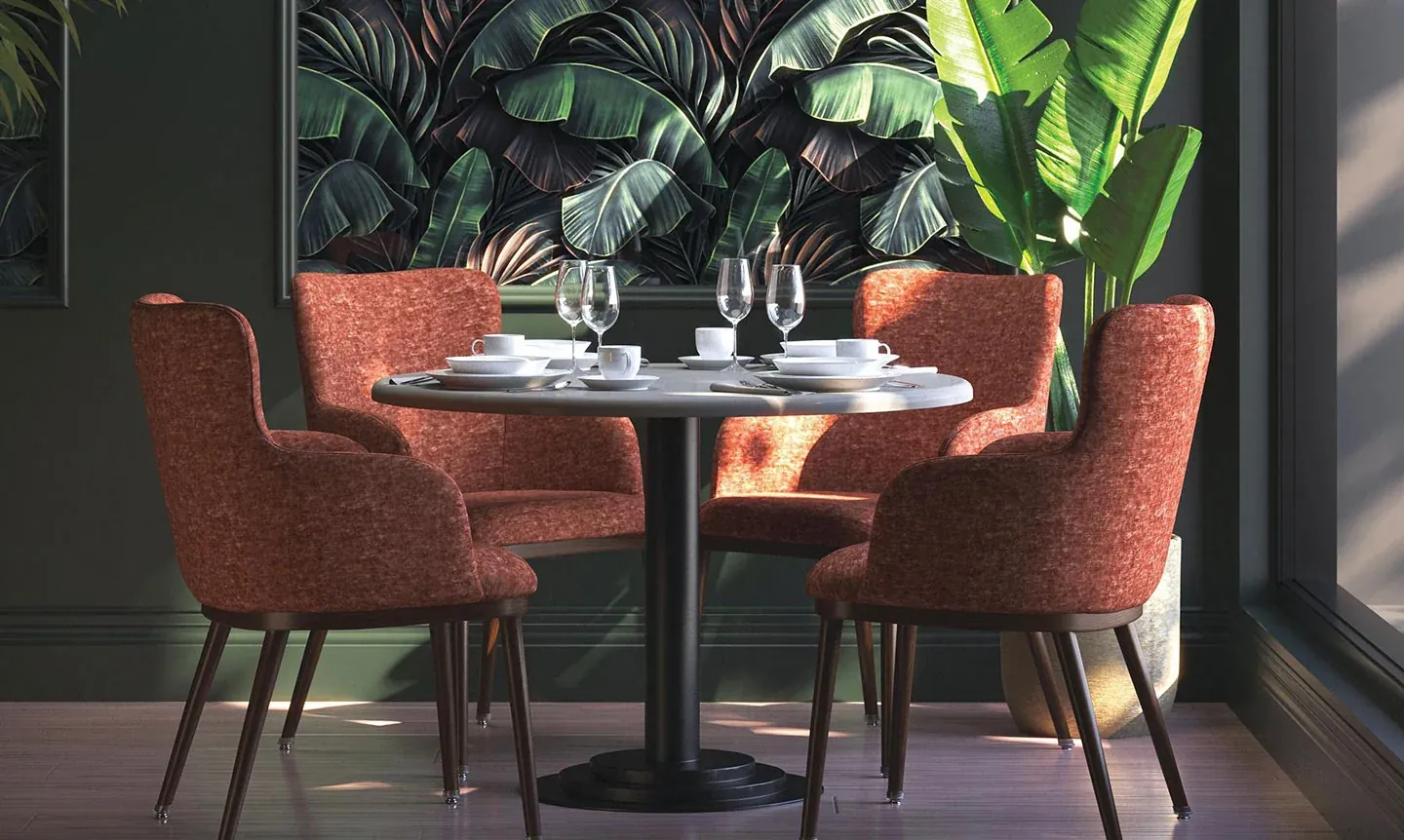
- Choose tempered glass for safety, as it breaks into small, dull pieces rather than sharp shards.
- Place the table on a rug to protect your floor and soften the room’s acoustics.
- Clean the surface daily using a glass cleaner and a microfiber cloth to remove fingerprints.
- Avoid placing heavy ceramic items directly on the glass to prevent surface scratches.
Glass is perfect for making small rooms feel larger because it’s transparent. Its main weakness is that it shows dust, fingerprints, and smudges very clearly, requiring constant attention.
Engineered wood and veneers
- Inspect the edges to ensure the veneer is sealed tightly, which prevents moisture from swelling the core.
- Use coasters for all drinks to avoid damaging the thin top layer.
- Wipe the surface with a soft, dry cloth rather than soaking it with water.
- Keep the table away from direct heat sources like radiators to prevent peeling.
These tables are affordable and come in many styles, making them great for apartments. The limit here is the lifespan; the thin outer layer can’t be refinished once it wears through or chips.
Choosing the right dining table
When you’re in a hurry, look for pre-assembled pieces in stock at local stores to avoid long shipping times. If you’re doing this for the first time, choose a rectangular shape, as it fits most standard room layouts easily.
When you want the best possible result regardless of the cost, invest in a solid hardwood table with a high-quality finish. The main trade-off is between durability and price; spending more upfront usually secures a piece that lasts for decades, while cheaper options save money now but need replacing sooner.
Rules for every dining table setup
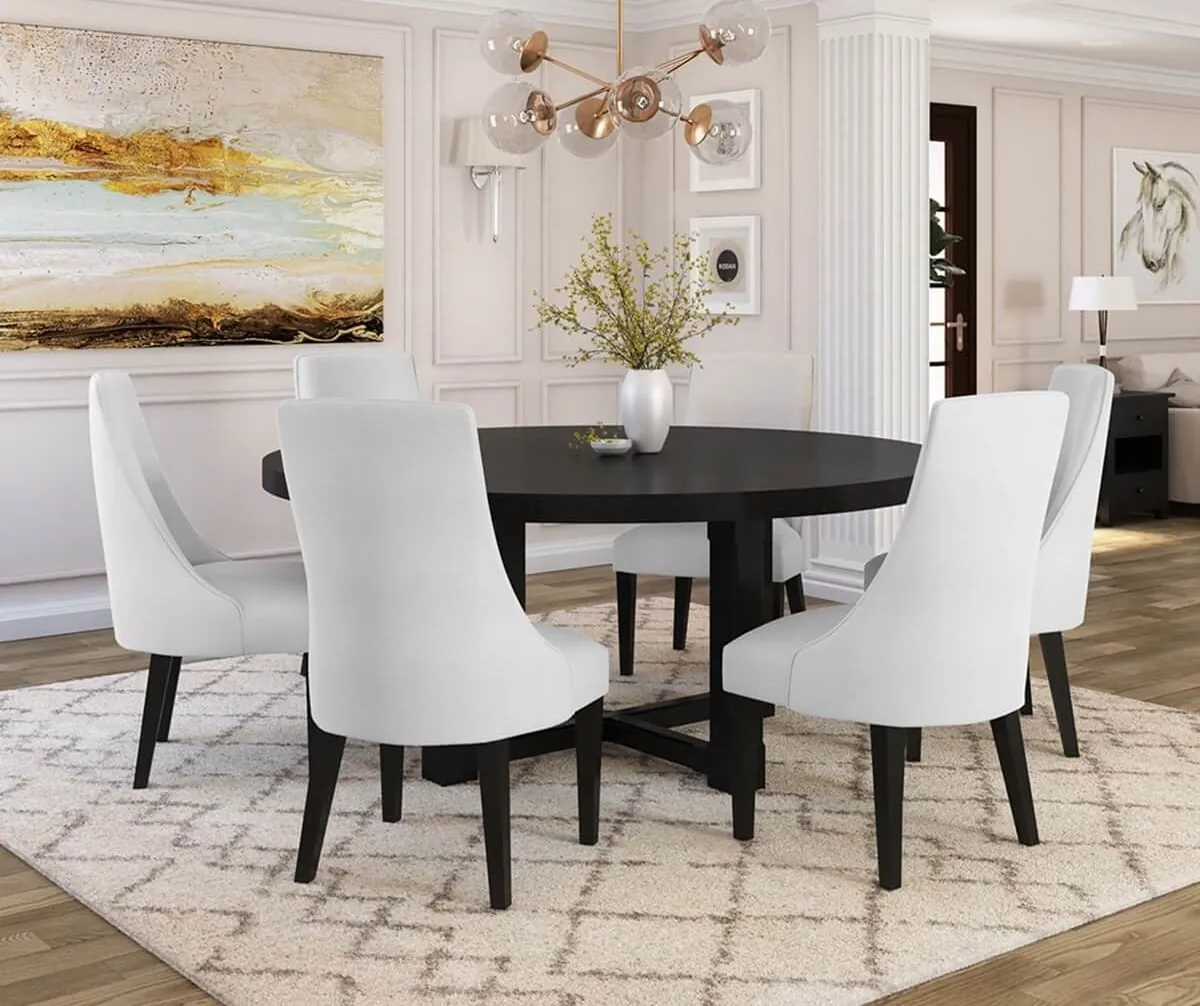
Regardless of the material, you must account for the number of people who will use the space daily. Industry standards suggest allowing 24 inches of width per person for comfortable seating. Before you buy, use painter’s tape to outline the table size on your floor to see how it affects your walking paths.
If you choose a table with a pedestal base, check that the base is stable enough to hold the top without wobbling when someone leans on the edge. If you’re unsure about structural integrity, check the manufacturer’s weight limit guidelines before your purchase.
Frequently Asked Questions
Can I fit a large table in a small room?
No, you should only add a large table if you have at least 3 feet of clearance on all sides. If the room is too crowded, guests will struggle to pull their chairs out, which makes the dining experience uncomfortable.
How much space should I leave for chairs?
You should leave 36 inches between the table edge and the wall or other furniture. This distance is the standard amount required to pull a chair out and sit down comfortably without hitting obstacles behind you.
Is it safe to buy a used table?
Yes, it’s safe if you check for structural damage like loose joints or deep cracks in the frame. Always inspect the underside of the table to ensure the support brackets are tight and the legs don’t wobble.
How often should I polish a wood table?
You should polish your wood table every 6 to 12 months, depending on how much it’s used. Always use a polish that matches the finish of your wood to avoid creating a cloudy or sticky residue.
What happens if I choose the wrong size?
If you choose a table that’s too large, your room will feel cramped and difficult to navigate. If it’s too small, you’ll lack enough surface area for plates and serving dishes during meals.
How do I stop the table from wobbling?
You can fix a wobble by adjusting the leveling feet on the bottom of the legs. If the table doesn’t have leveling feet, use small felt or rubber pads under the shorter leg to balance it evenly.
Conclusion
Once you’ve found a table that fits your space, it’s time to think about the atmosphere. You shouldn’t feel rushed to pick everything at once. Take your time browsing for chairs that match your style, as they’ll truly bring the room together. You’re going to love hosting your first dinner party soon.