
A basic, entry-level dining room table ranges from $200 to $600, while solid wood or custom designs often cost between $1,500 and $5,000. Your final price depends on materials, construction quality, and whether you’re buying a mass-produced piece or a handcrafted item from a local shop.
The most important factor is the material, as veneer over particleboard will always be cheaper than solid hardwood. If you choose wood, check the joinery at the corners, as dovetails or mortise-and-tenon joints signify a much longer lifespan than simple screws or staples.
The biggest mistake people make isn’t measuring their room before shopping, which leads to buying a table that’s either too small to be useful or too large to walk around. A table should have at least 36 inches of clearance on all sides to allow chairs to slide out safely, according to the American Society of Interior Designers space planning guidelines.
How to choose your dining room table
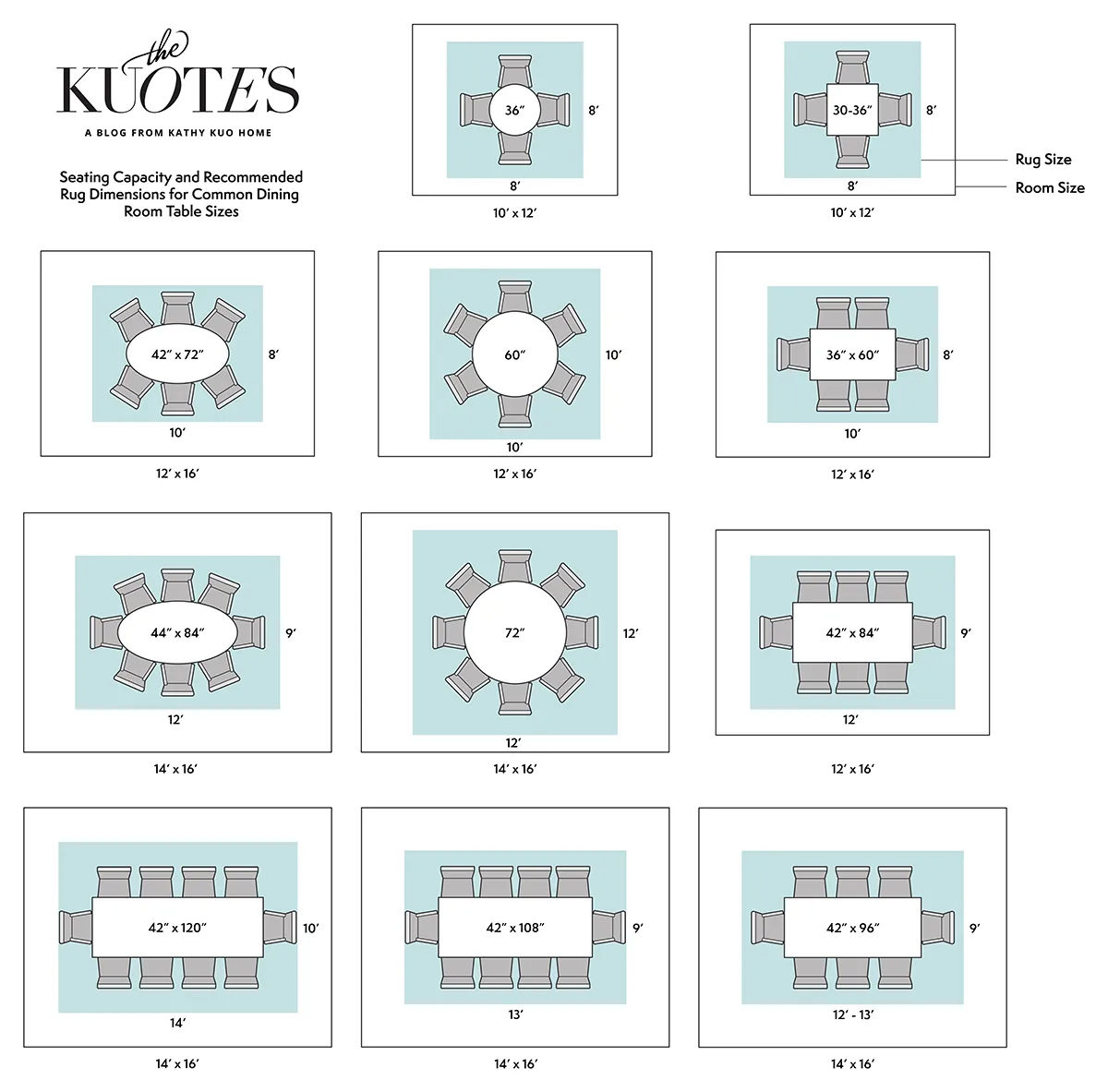
- Measure your dining area and subtract at least 36 inches of clearance space from all sides to determine the maximum footprint for your table.
- Choose your material based on your lifestyle, selecting laminate or metal for high-traffic homes and solid wood for formal spaces.
- Check the weight capacity of the table if you plan to use it for heavy objects or as a workspace, as cheaper frames can sag under constant pressure.
- Sit at the table to test the leg room, ensuring there’s at least 10 inches of space between the seat of the chair and the underside of the table. * Tip: Avoid tables with pedestal bases that are too narrow, as they often wobble when you lean on the edge.
- Inspect the finish by running your hand along the edges to ensure there are no rough patches or exposed raw wood that could splinter. * Tip: If you’re buying a used table, check underneath for signs of past water damage or insect activity, which can ruin the piece.
- Verify the delivery or assembly requirements, as many flat-pack tables require two people and about 90 minutes of work to build properly.
Time needed for finding and setup
| Situation | How long | What changes it | What to watch for |
|---|---|---|---|
| Buying off the floor | 1 hour | Store stock levels | Immediate delivery |
| Custom wood table | 8-12 weeks | Artisan workload | Grain patterns |
| Flat-pack furniture | 2 hours | Assembly complexity | Missing hardware |
| Online ordering | 1-2 weeks | Shipping distance | Transit damage |
If your table takes significantly longer to arrive than promised, contact the retailer immediately to confirm if the delay is due to supply chain issues or a shipping error.
Signs of a quality build
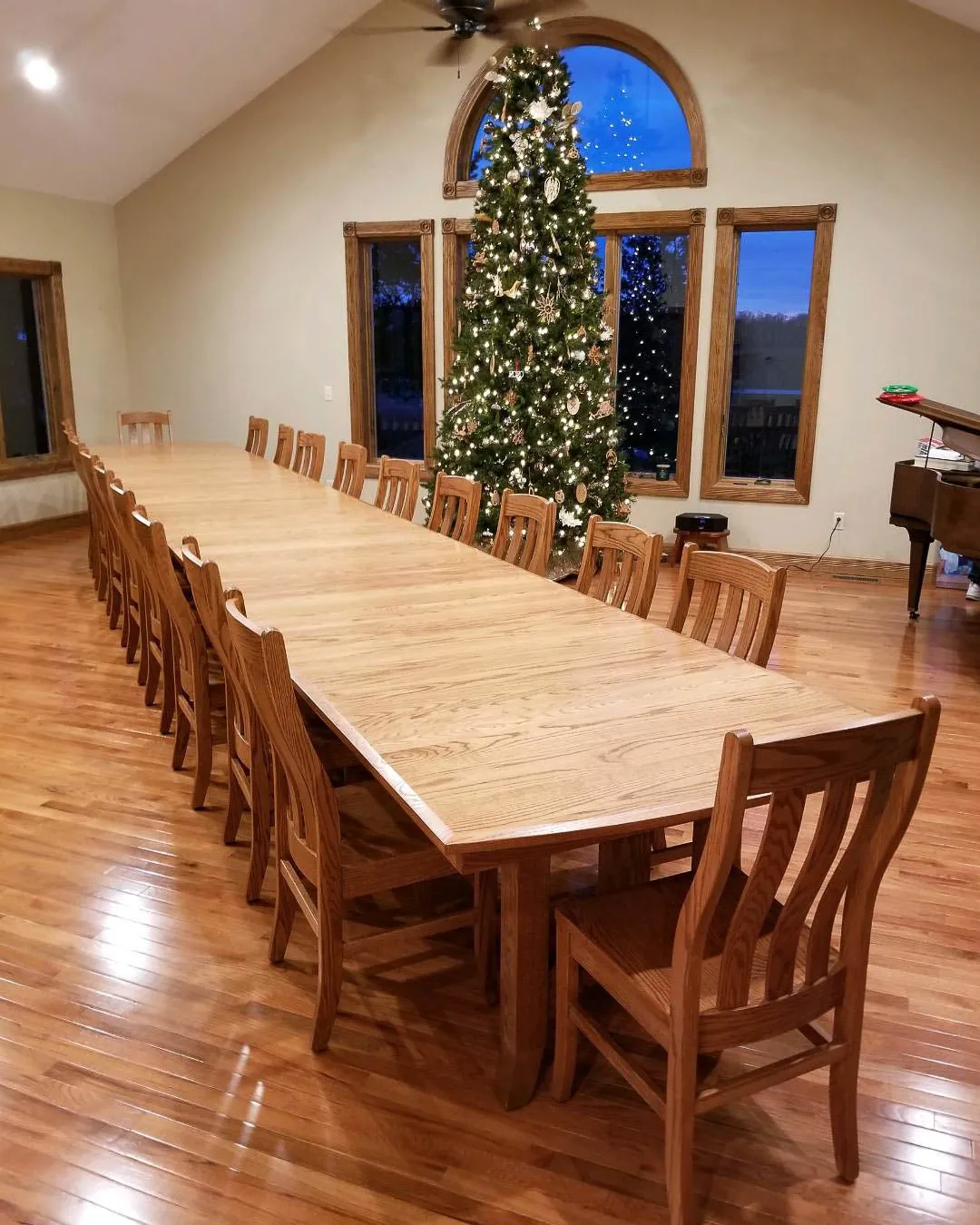
You can tell a table is well-made by looking at the underside and the joints where the legs meet the frame. A high-quality table uses corner blocks or metal bolts to secure the legs, while cheaper versions rely on simple wood glue or small nails that eventually loosen.
The surface should feel smooth and solid, with no visible seams or bubbling in the finish. If you press down on the corners, the table shouldn’t rock or creak, as this indicates a weak structural frame.
Mistakes that ruin your investment
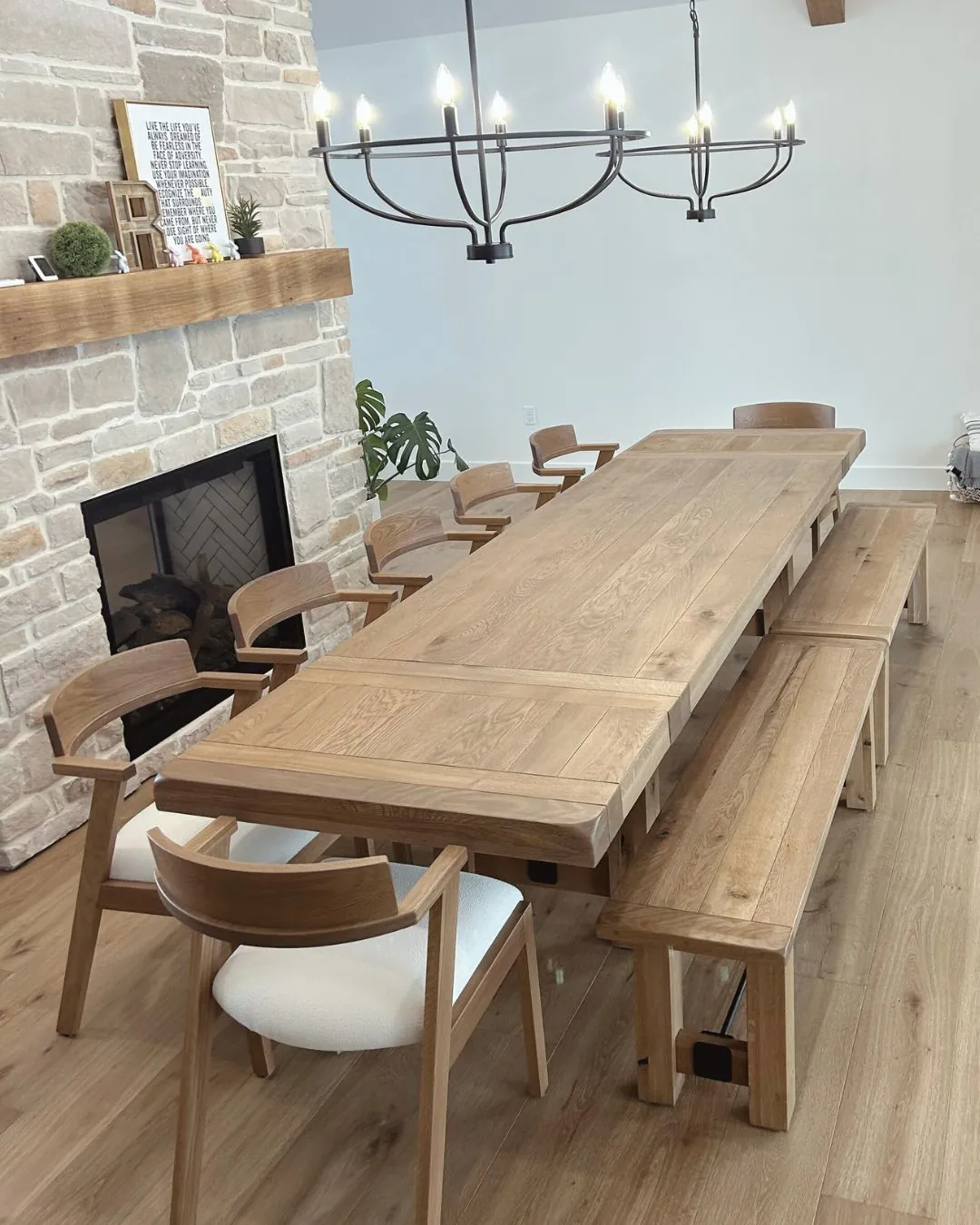
- Ignoring the clearance space: People often buy a table that fits the room but leaves no room for chairs, making the dining area impossible to use. Always mark the table’s footprint on your floor with painter’s tape before you pay to ensure you have enough room to move.
- Choosing style over function: Opting for a glass top in a home with young children leads to constant cleaning and a high risk of breakage. Pick a material that matches your daily routine rather than just the look you see in magazines.
- Buying without checking the legs: A table with legs that sit too close together limits how many people can actually sit at the table comfortably. Ensure the legs are set back or designed in a way that allows chairs to tuck in completely without hitting the frame.
Frequently asked questions
How much is a dining room table for six people?
A table for six usually costs between $500 and $2,000, depending on the wood type and brand. You need a surface at least 72 inches long to seat six people comfortably without them bumping elbows during a meal.
Is it safe to buy a used dining room table?
Yes, it’s safe as long as you inspect the frame for stability and check for pests. Look under the table for small holes or sawdust, which could indicate wood-boring insects, and ensure the legs don’t wobble when you apply firm pressure to the top.
How long should a dining room table last?
A solid wood dining table can last 20 to 50 years with proper care and regular oiling. If you buy a table made of pressed wood or veneer, expect it to last 5 to 10 years before the finish wears down or the structure begins to loosen.
What is the cheapest material for a table?
The cheapest option is typically a particleboard table with a laminate or plastic finish. These tables are mass-produced and lightweight, but they don’t handle moisture well and will swell if liquid sits on the surface for too long.
Do I need a professional to assemble my table?
No, most tables are designed for home assembly, but you should have a second person to help lift the top onto the legs. If you aren’t comfortable using basic hand tools, many retailers offer an assembly service for an extra fee.
How often should I oil a wood table?
You should oil a solid wood table every 6 to 12 months to prevent the wood from drying out and cracking. Use a food-safe mineral oil or a wax specifically designed for furniture, and always test it on a small, hidden area first.
Conclusion
Maintaining your table with a simple wipe-down after every meal will prevent stains from setting into the finish. Use coasters for hot or cold drinks to protect the surface, and try to keep the table away from direct sunlight, which can cause the wood to fade or warp over time.
Related guides