
A standard entry-level dining table set typically costs between $300 and $800, while high-end solid wood sets often range from $1,500 to $4,000 or more.
The most important factor is the material quality. Particle board and veneers are cheaper but scratch easily, while solid hardwoods like oak or walnut last decades but command a higher price.
The most common mistake is ignoring your room’s measurements before buying. If you purchase a set that’s too large, you won’t have enough space to pull out the chairs comfortably, making the area feel cramped and unusable.
Choosing your dining table set
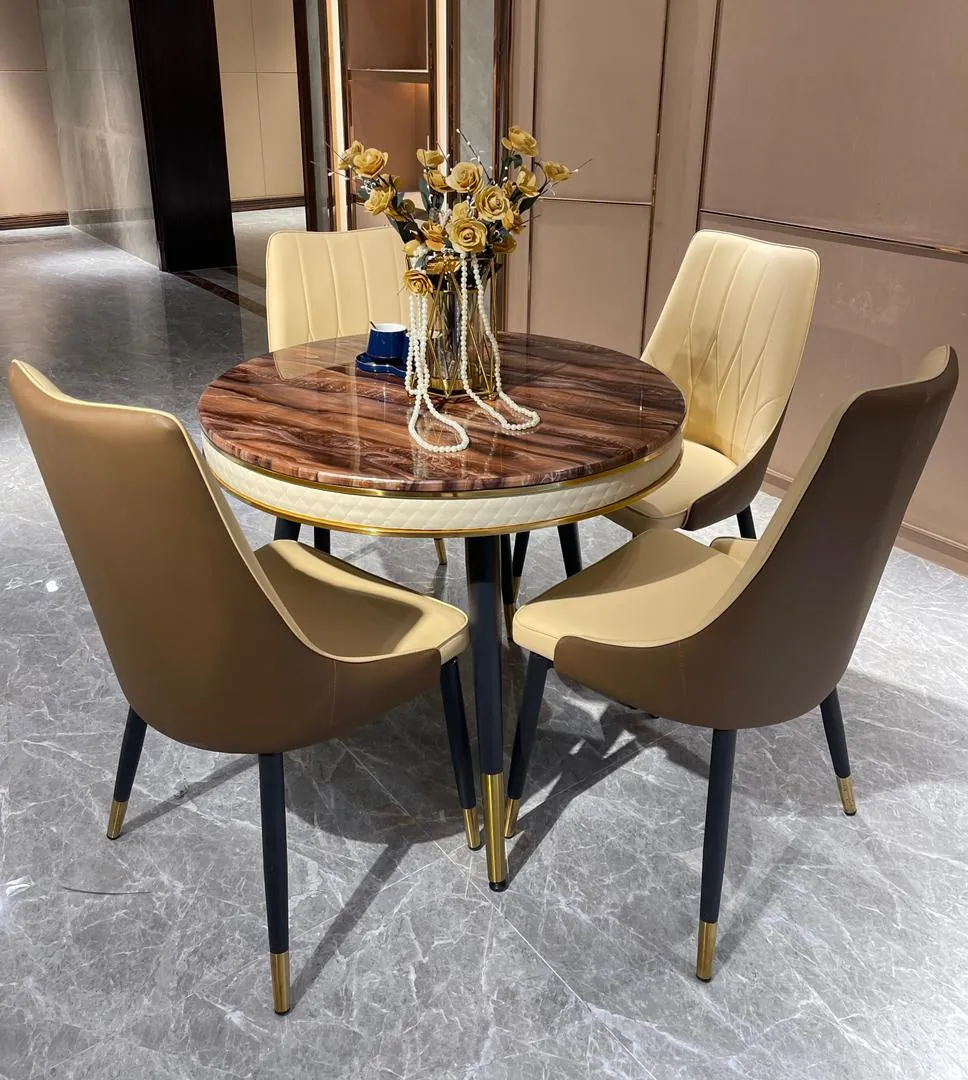
- Measure your dining area first, leaving at least 36 inches between the table edge and any wall or furniture. This space allows people to walk behind seated guests without bumping into them.
- Determine the seating capacity you need for daily use versus holidays. If you host large groups rarely, consider a table with a leaf that allows it to extend.
- Compare material types for your lifestyle. If you have small children, avoid glass tops that show fingerprints and opt for durable, sealed wood finishes instead.
- Check the construction of the joints. Look for corner blocks or dowels rather than simple staples or glue, as these provide the structural integrity needed for daily use.
- Visit a showroom to test the seat comfort. A chair that feels firm in the store is often better for long dinners than one that’s overly soft.
Tip: Avoid buying sets online without checking the weight capacity of the chairs; the Consumer Product Safety Commission suggests ensuring furniture is stable to prevent tipping accidents.
Expected Timeline for Purchase
| Situation | Time to Receive | What Changes It | What to Watch For |
|---|---|---|---|
| In-stock set | 1–2 weeks | Local delivery distance | Warehouse processing speed |
| Custom order | 8–16 weeks | Wood availability | Shipping delays |
| Floor model | Immediate | Transport method | Scratches or dents |
If your delivery takes significantly longer than expected, contact the store manager to request a status update on your specific order number.
Checking Table Quality
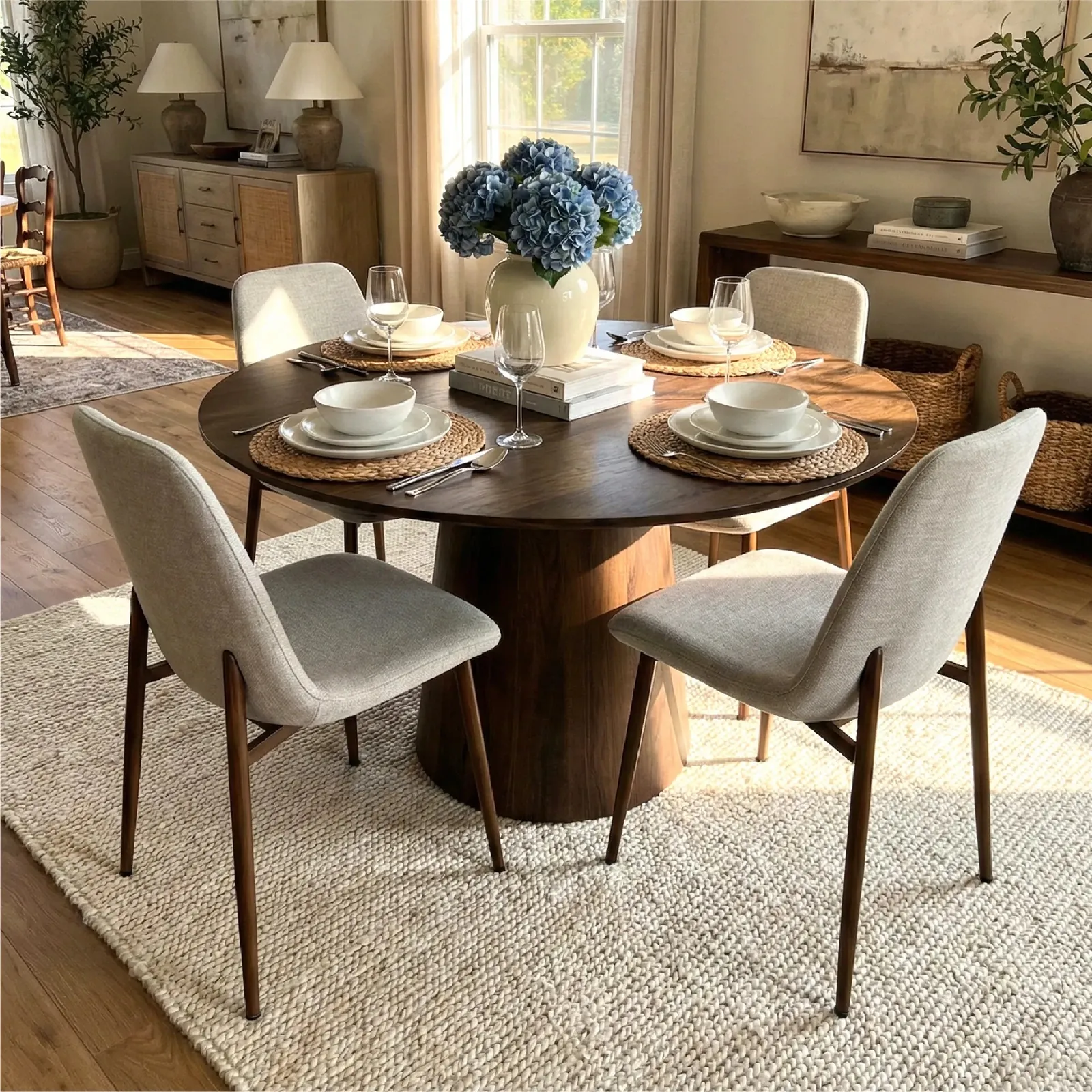
Check the finish by running your hand across the surface; it should feel smooth without rough patches or splintering. If you detect a grain that catches your skin, the manufacturer likely skipped the final sanding stage, which invites moisture damage later.
If you’re buying a wooden table, look for “solid wood” rather than “wood products.” Composite materials often use particleboard cores that fail to hold screws securely. Over two years of daily use, these fasteners typically loosen, leaving you with a permanent, irreparable wobble.
The ultimate test is the “wobble check.” Press down firmly on each corner of the table. If it shifts or rocks, the legs are uneven or the frame is poorly connected. If the table rocks on a flat showroom floor, don’t assume it’s just the floor; walk away. A frame that flexes under pressure will eventually snap at the joints.
Errors That Damage Value
- Ignoring the finish type: Choosing a delicate finish for a high-traffic area leads to rapid wear and water damage. Opt for polyurethane or lacquer coatings if you want a surface that resists spills and heat.
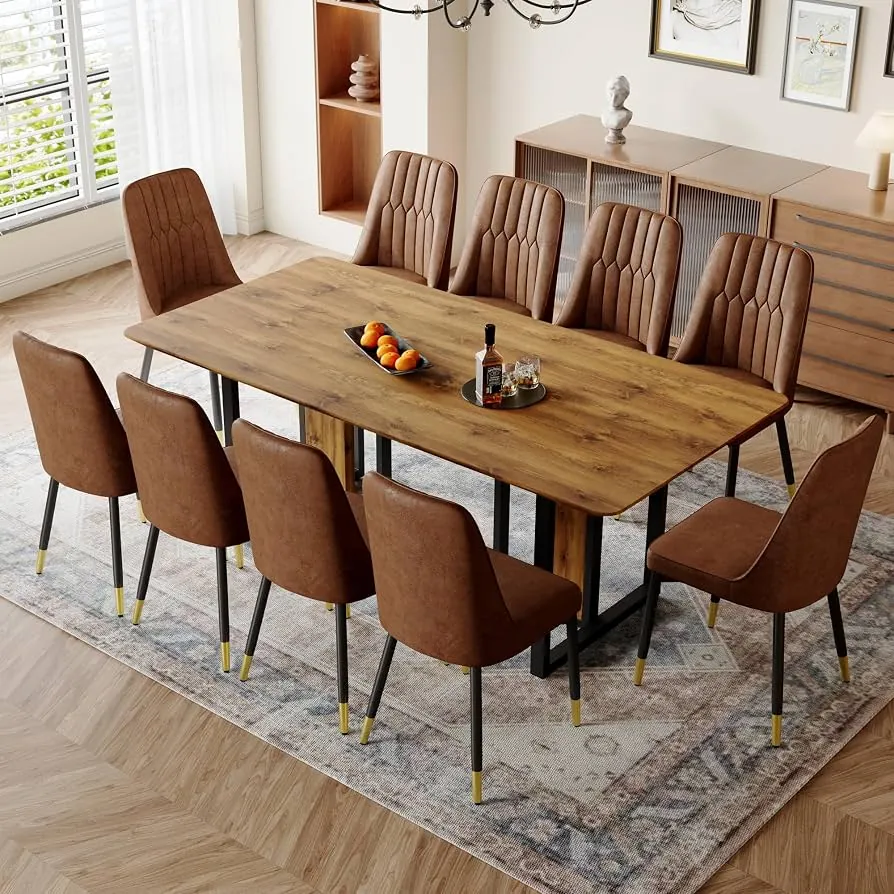
- Buying mismatched chairs: Mixing chairs with different heights makes the table uncomfortable for guests. Ensure the seat height is approximately 10 to 12 inches lower than the tabletop to provide enough legroom.
- Overlooking assembly requirements: Buying flat-pack furniture without the right tools costs you time and frustration. Always check if the seller includes assembly services or if you’ll need to provide your own power drill and hex keys.
Frequently asked questions
How much space do I need for a dining set?
You need at least 36 inches of clearance between the table edge and the wall. This measurement ensures that guests can pull their chairs back and walk around the table easily without feeling trapped in their seats.
Is it safe to buy a used dining table set?
Yes, it’s safe if you inspect the joints and legs for cracks or looseness. Check underneath the table for signs of wood rot or pest damage, as these issues are often hidden from casual view but can compromise the structure of the entire set.
How do I clean a wood dining table?
Use a soft, damp cloth with a mild soap solution to wipe the surface. Avoid harsh chemical cleaners or excessive water, as these can strip the finish or cause the wood to warp over time. Always dry the surface immediately with a clean, lint-free cloth.
What is the most durable wood for dining tables?
Hardwoods like oak, maple, and walnut are the most durable choices for dining tables. These woods resist dents and scratches much better than softwoods like pine, which can show marks from everyday use like writing on paper or sliding heavy plates across the surface.
How many chairs should I get for my table?
A standard rule is to allow 24 inches of width per person at the table. Measure the total length of your table’s sides to see how many chairs can fit comfortably without guests bumping elbows while they eat.
Can I repair a scratched dining table?
Yes, you can hide minor scratches using a furniture touch-up marker that matches the wood stain. For deeper gouges, you may need a wood filler followed by a light sanding and a fresh layer of finish to restore the appearance of the surface.
Conclusion
Before you head to the store, measure your available floor space carefully to ensure a comfortable fit. It’s also a good idea to bring a tape measure along while you browse. You’ll find that choosing the right size makes all the difference in how much you’ll enjoy your new gathering spot.
Related guides