
You can find a chair you can sleep in by selecting a model that offers a full recline angle of 170 degrees or more, providing the necessary support to keep your spine neutral while you rest. Look for chairs with adjustable lumbar pillows and extendable footrests to ensure your body remains properly aligned.
The most important factor is the transition mechanism. If the chair uses a manual lever, you may struggle to adjust it without waking up. If you choose a motorized model, you can stop the movement at any exact angle. The common mistake is ignoring the seat depth. If the seat is too deep, your knees won’t bend at the edge, which cuts off circulation and leads to leg swelling.
How to sleep in your chair
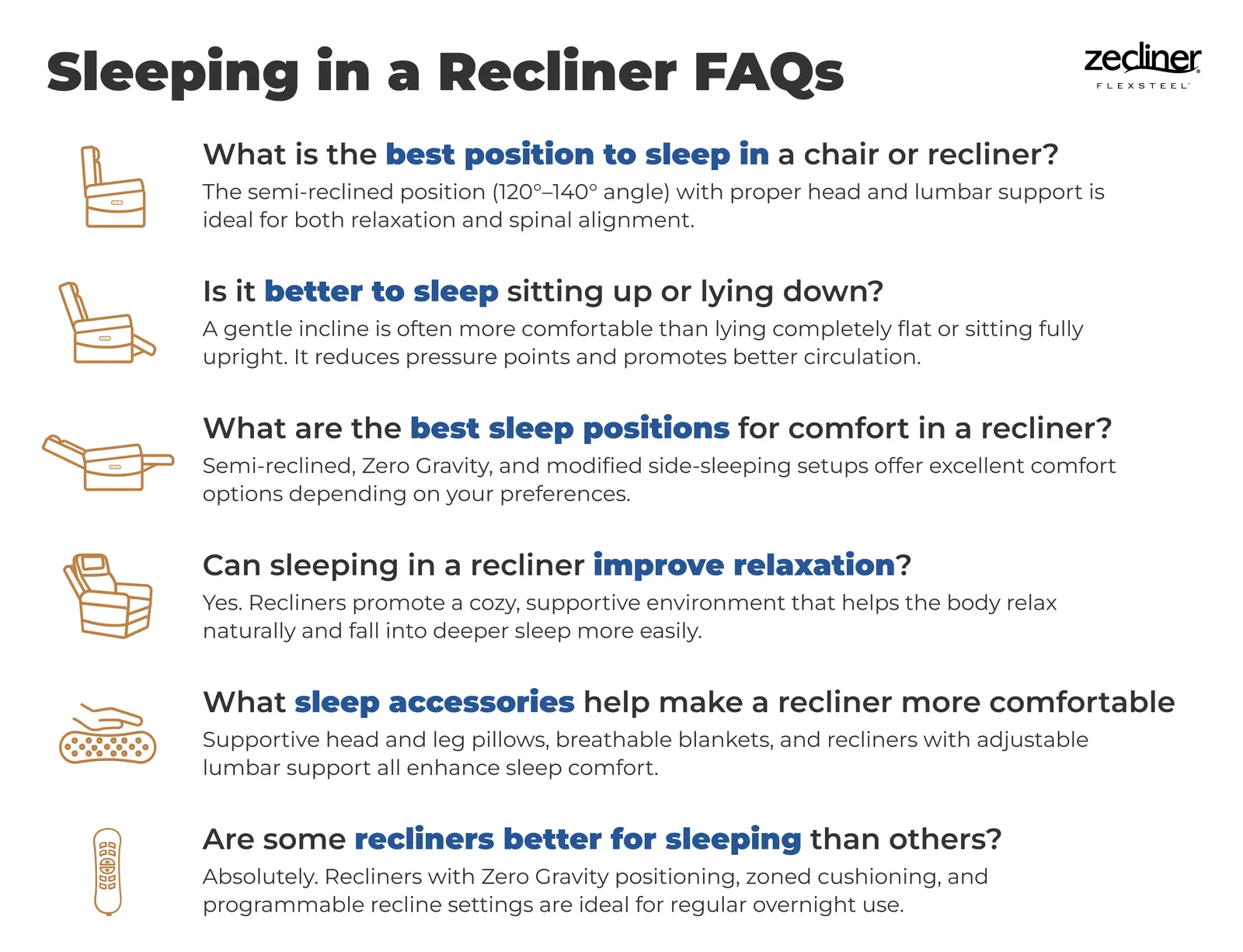
- Choose a model that reclines to at least 170 degrees to keep your neck and back in a neutral position.
- Adjust the headrest so it supports the curve of your neck rather than pushing your chin toward your chest.
- Extend the footrest fully so your heels are supported, which prevents pressure on your calves and ankles.
- Use a small lumbar pillow if the chair has a gap between your lower back and the seat.
- Set the motorized recline to your preferred angle once, then use the memory function if your chair has one.
Tip: Avoid sleeping in a chair that stops at 135 degrees, as this forces your neck to bend forward and can cause stiffness. Always follow the Consumer Product Safety Commission guidelines for furniture stability to ensure your chair doesn’t tip when you shift your weight.
Expected adjustment times
| Chair Type | Time to Adjust | What Changes It | What to Watch For |
|---|---|---|---|
| Manual | 5-10 seconds | Lever tension | Jerky movements |
| Motorized | 15-30 seconds | Motor speed | Smooth transition |
| Power Lift | 20-40 seconds | Weight capacity | Slow motor lag |
If the chair takes longer than 60 seconds to reach a full recline, check for obstructions under the frame or a low battery in the remote.
Signs your chair is set correctly
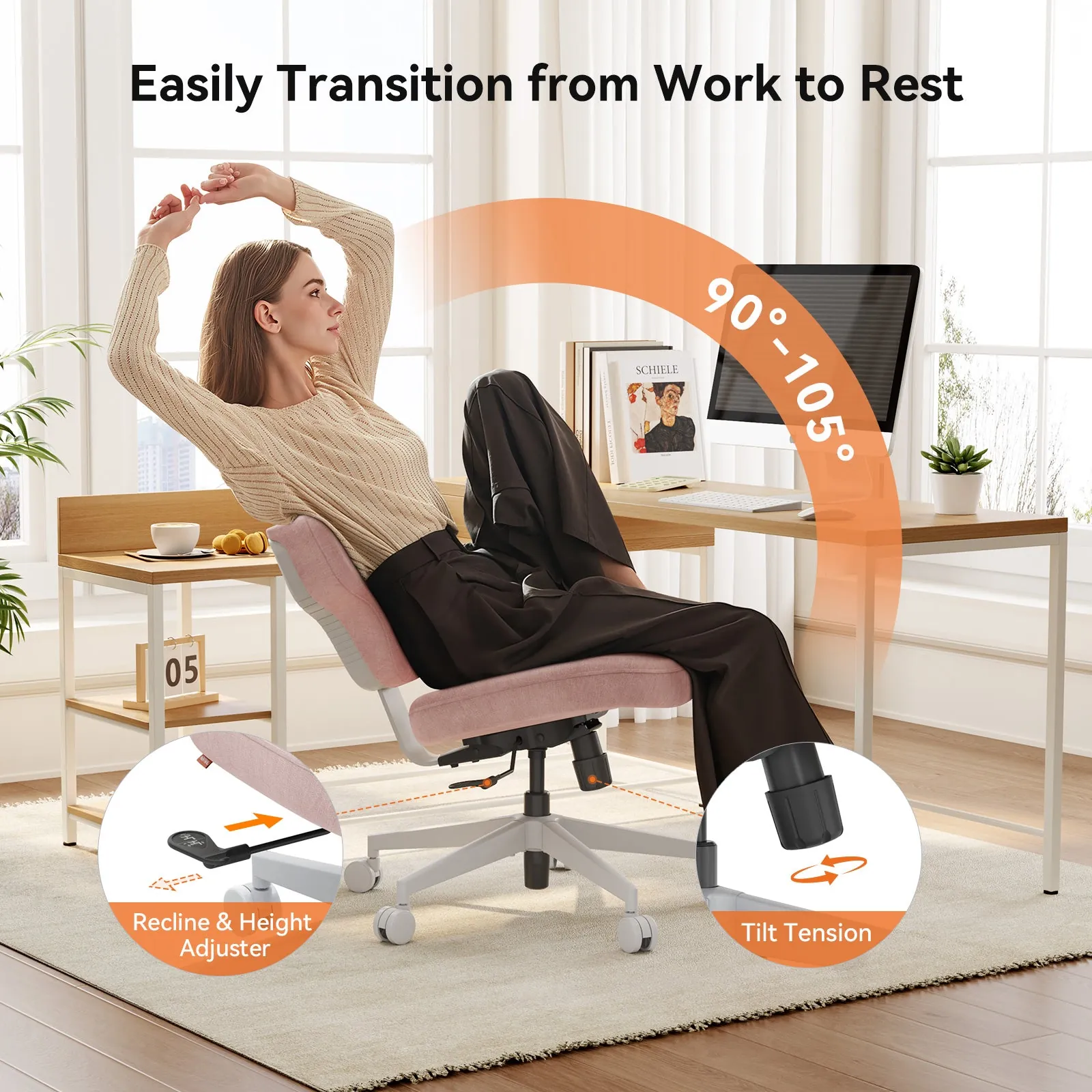
You’ll know the chair is set for sleep when your weight feels evenly distributed across the entire seat and backrest. There should be no “hot spots” of pressure on your tailbone or shoulder blades. If you feel your lower back pulling away from the chair, add a cushion. The ultimate test is whether you can keep your feet slightly elevated above your heart level, which helps reduce fluid buildup in the lower legs during long naps.
Mistakes that ruin your comfort

- Ignoring weight limits: Exceeding the maximum weight capacity puts stress on the recliner mechanism and causes the frame to sag. Always check the manufacturer manual for the specific load limit before using the chair for extended rest.
- Placing it too close to a wall: A wall-hugger recliner needs at least 4 inches of clearance, while standard models need 12 to 18 inches. If the chair hits the wall, you’ll be stuck in a half-reclined position that strains your neck.
- Using thin fabric in warm rooms: Synthetic leathers trap heat and moisture, which makes sleep uncomfortable after 30 minutes. Choose breathable fabrics like cotton blends or performance weaves if you plan to sleep in the chair often.
Frequently asked questions
Can I sleep in a recliner every night?
No, it’s generally not recommended for full-night sleep because most chairs don’t support the natural curves of the spine as well as a mattress. If you must sleep in a chair for health reasons, ensure it reclines fully and allows you to change your position to prevent pressure sores.
How long can I safely nap in a chair?
You can safely nap for 30 to 90 minutes in most quality recliners without risking serious discomfort. If you stay longer, you should shift your weight every hour to maintain blood flow in your legs and prevent muscle stiffness in your lower back or neck.
Is it safe to sleep in a power lift chair?
Yes, it’s safe as long as the chair is placed on a level floor and isn’t near any furniture it could hit while moving. Ensure the power cord is tucked away so it doesn’t pull or fray when the chair moves between the upright and reclined positions.
What happens if the power fails while reclined?
If the power fails, check your manufacturer’s manual to see if your chair includes a battery backup system to return the chair to an upright position. Check the bottom of your chair for the battery pack slot so you can access it quickly if the main power goes out.
How do I stop the chair from sliding?
You can stop the chair from sliding by placing rubber furniture cups under the feet or using a heavy rug to create friction. If your chair is on a hardwood floor, the lack of grip is the most common reason for movement when you change your position while sleeping.
Does the chair size matter for sleep?
Yes, the chair must match your height so that your head rests on the headrest and your feet don’t dangle off the end. If you’re tall, look for a chair with an extended footrest, as a short footrest will force your knees to bend and cause leg pain.
Conclusion
Sleeping in a chair is a common way to rest, but it requires the right setup to protect your back and neck. By choosing a chair that reclines fully and checking your position regularly, you can avoid the stiffness that comes from poor support and enjoy your rest.