
A swivel chair operates by utilizing a central rotating mechanism, typically consisting of a ball-bearing assembly housed within a metal plate, which allows the seat assembly to pivot 360 degrees around a fixed vertical axis. This mechanism connects the seat to the pedestal base, often incorporating a pneumatic cylinder for height adjustment. By separating the load-bearing rotation from the structural support of the base, the chair provides smooth, multidirectional movement while maintaining stability for the user.
Key Takeaways
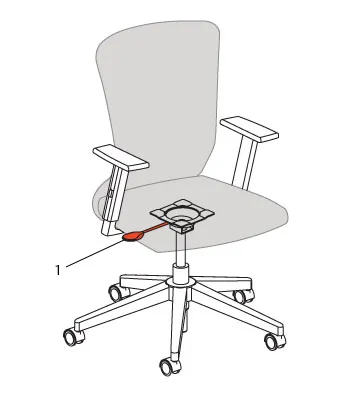
- The ball-bearing race is the primary component that enables smooth, quiet rotation.
- Pneumatic cylinders use compressed nitrogen gas to allow for effortless height adjustments.
- Regular silicone-based lubrication prevents friction and grinding noises in the mechanism.
- Weight distribution is managed by a metal mounting plate that anchors the seat to the base.
- Tightening loose bolts periodically ensures the structural integrity of the swivel housing.
How Does a Swivel Chair Work?
At the heart of every swivel chair is the swivel plate, a flat metal component bolted to the underside of the seat. Inside this plate, a circular track holds steel balls that act as a bearing. When you rotate, these balls roll within the race, minimizing friction. The entire assembly sits atop a central spindle, which is a tapered steel shaft that fits into the chair’s gas lift cylinder.
| Component | Primary Function | Maintenance Need |
|---|---|---|
| Swivel Plate | Enables rotation | Lubricate annually |
| Gas Cylinder | Adjusts seat height | Check for leaks |
| Ball Bearings | Reduces rotational friction | Keep debris-free |
| Base/Casters | Provides mobility/support | Clean hair/dust |
Understanding the Pneumatic Lift
Most modern chairs utilize a pneumatic gas lift to provide vertical travel. This is a sealed unit containing high-pressure nitrogen gas. When you press the adjustment lever, a valve opens, allowing the gas to expand or compress, which moves the seat up or down.
The Role of the Base
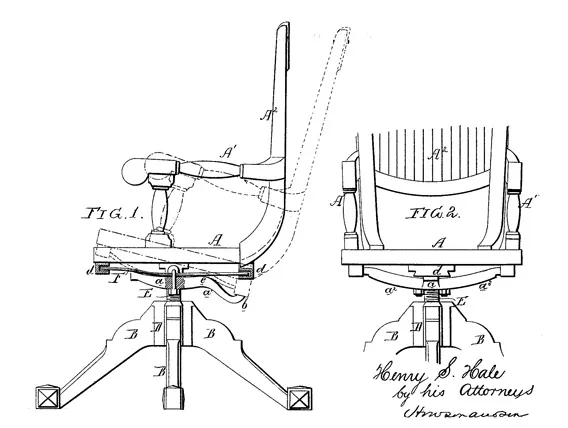
The base provides the center of gravity necessary to prevent tipping. Most bases feature a five-star design, which is engineered to distribute the user’s weight evenly across the floor. The casters attached to the ends of the base are usually made of nylon or polyurethane. These wheels allow the chair to glide across hard surfaces or carpets without damaging the flooring material.
Why Does My Chair Wobble?
A wobbly chair is usually the result of loose fasteners or a failing cylinder. Over time, the bolts connecting the seat to the swivel mechanism can vibrate loose. Additionally, if the internal bushings within the gas lift cylinder wear down, the chair may develop a noticeable tilt or “play” in the seat.
Troubleshooting Common Issues
- Loose bolts: Use a hex key to tighten all mounting hardware.
- Squeaking: Apply a small amount of white lithium grease to the swivel race.
- Sunken seat: If the chair constantly sinks, the gas cylinder seal has likely failed and requires replacement.
- Stiff rotation: Debris or dried grease may be clogging the ball-bearing race.
Essential Maintenance Practices
Maintaining a swivel chair requires minimal effort but extends the lifespan of the unit significantly. You should perform a safety inspection every six months. Check the tension knob, which is typically located under the seat, to ensure the tilt-back resistance is set correctly for your body weight.
| Task | Frequency | Expected Benefit |
|---|---|---|
| Tighten Bolts | Quarterly | Prevents structural instability |
| Clean Casters | Monthly | Protects floor surfaces |
| Lubricate Swivel | Annually | Eliminates grinding noises |
| Inspect Cylinder | Bi-annually | Ensures safe vertical travel |
Components of the Swivel Assembly
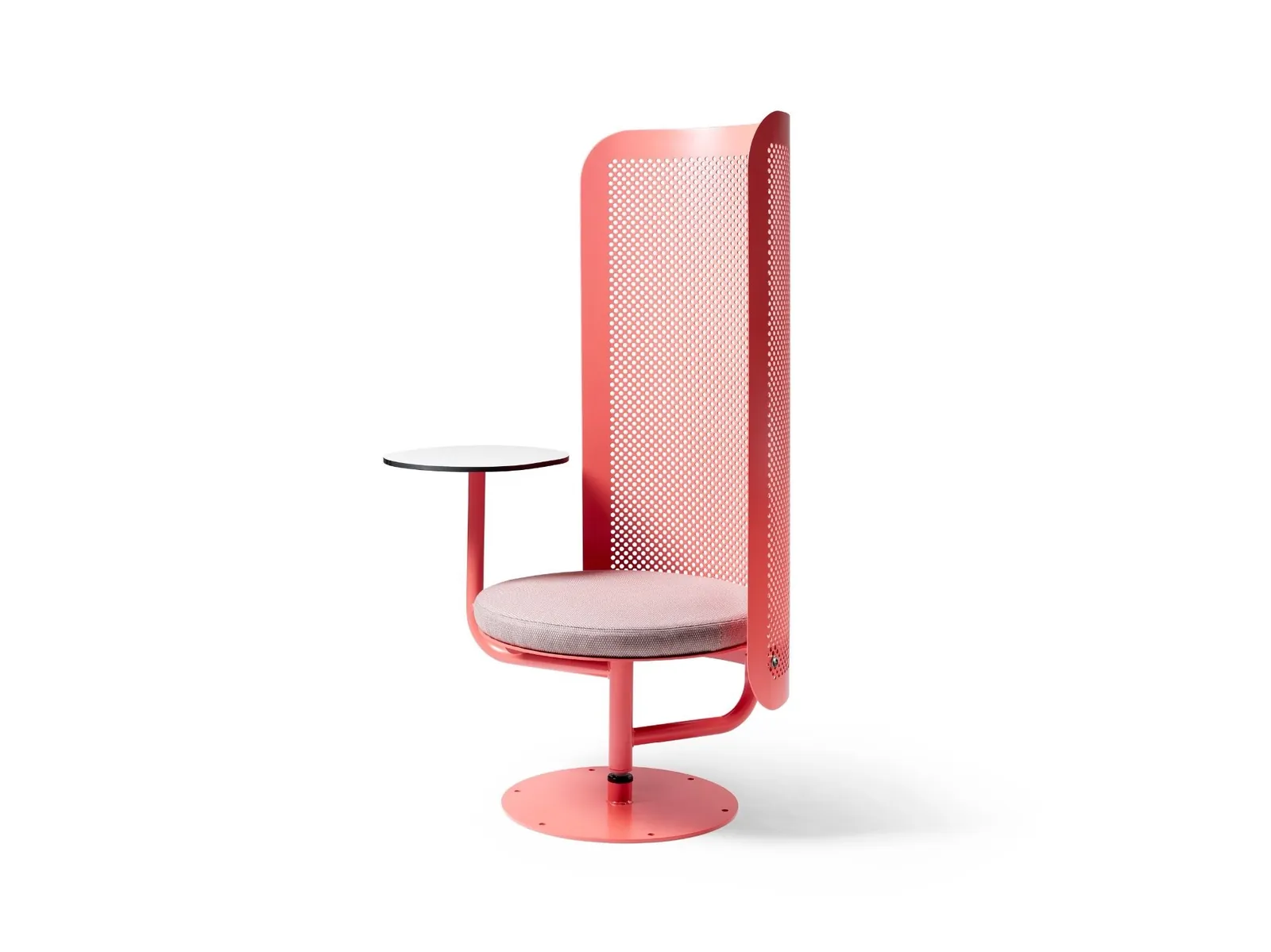
The swivel assembly is a modular system. It typically includes the tilt tension control, the height adjustment lever, and the swivel housing itself. These components work in tandem to provide ergonomic support. The tilt mechanism allows the backrest to recline, which is essential for reducing spinal pressure during long work sessions.
Warning: Never attempt to disassemble or puncture the gas cylinder, as it contains high-pressure gas that can cause serious injury if released unexpectedly.
Frequently Asked Questions
Can I fix a swivel chair that won’t stay up?
If your chair sinks, the internal seal of the pneumatic cylinder has failed. You can’t repair a sealed gas cylinder. The only solution is to purchase a universal replacement cylinder that matches the diameter of your chair’s base and seat mount. Once the old cylinder is removed using a pipe wrench or rubber mallet, the new one simply slides into place without needing specialized tools.
Why does my swivel chair make a clicking sound?
Clicking sounds often indicate that the ball bearings inside the swivel plate have become dry or have collected dust. You can usually resolve this by flipping the chair over and applying a silicone-based lubricant directly into the rotating race. If the clicking persists, it may indicate that the metal casing has become deformed, which would require replacing the entire swivel plate component.
How do I stop a swivel chair from spinning?
Most standard swivel chairs are designed to rotate freely as part of their ergonomic function. If you need to stop the spinning for specific tasks, you can look for a “swivel lock” feature, though this is rare on office chairs. Alternatively, you can place a heavy-duty rug mat under the chair to add enough friction to the casters to limit unwanted movement.
Are all swivel chair parts universal?
No, swivel chair parts aren’t universal. While many gas cylinders share common dimensions, the mounting plates and bolt hole patterns vary significantly between manufacturers. Always measure the distance between the mounting holes on your current mechanism before ordering a replacement. Checking the specific model number of your chair on the manufacturer’s website is the most reliable way to ensure you purchase compatible replacement parts.
How long should a swivel chair last?
A high-quality office chair is typically built to last between five and ten years with daily use. The lifespan depends heavily on the quality of the pneumatic cylinder and the durability of the swivel mechanism. Chairs used in 24-hour environments, such as dispatch centers, will require more frequent maintenance and component replacements compared to chairs used in a standard home office setting for only a few hours daily.
Conclusion
Proper upkeep ensures your furniture remains a reliable tool rather than a source of discomfort. By periodically checking the fasteners and keeping the mechanical parts clean, you maintain the structural integrity of your workspace. Always prioritize safety by inspecting the base and cylinder for signs of wear, as these are the most critical points of failure in any rotating office chair.