
You can expect to pay anywhere from $200 for a basic flat-pack piece to over $5,000 for a solid hardwood heirloom, as the cost of dining tables depends entirely on the materials, craftsmanship, and brand. Most shoppers find a durable mid-range option between $600 and $1,500.
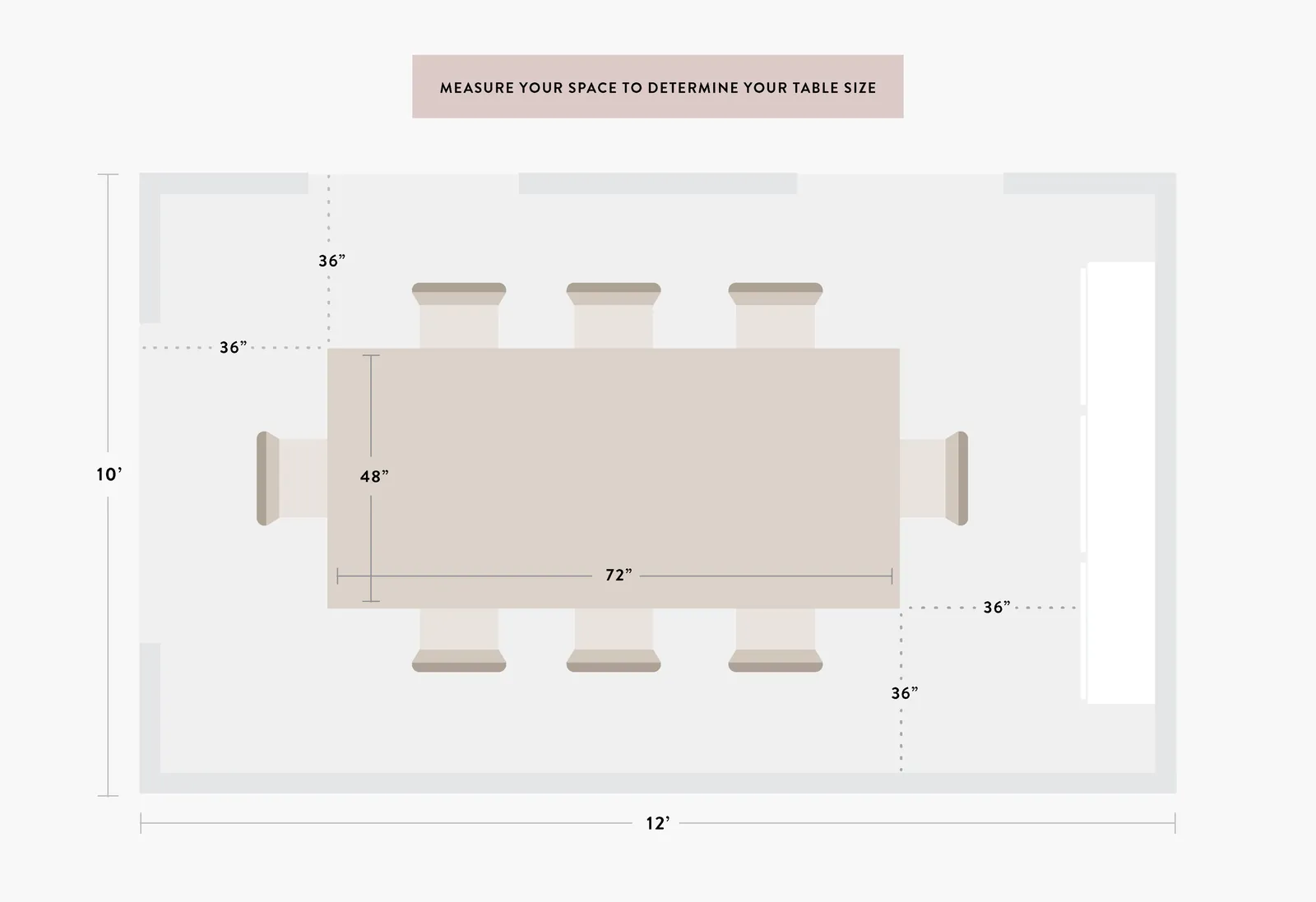
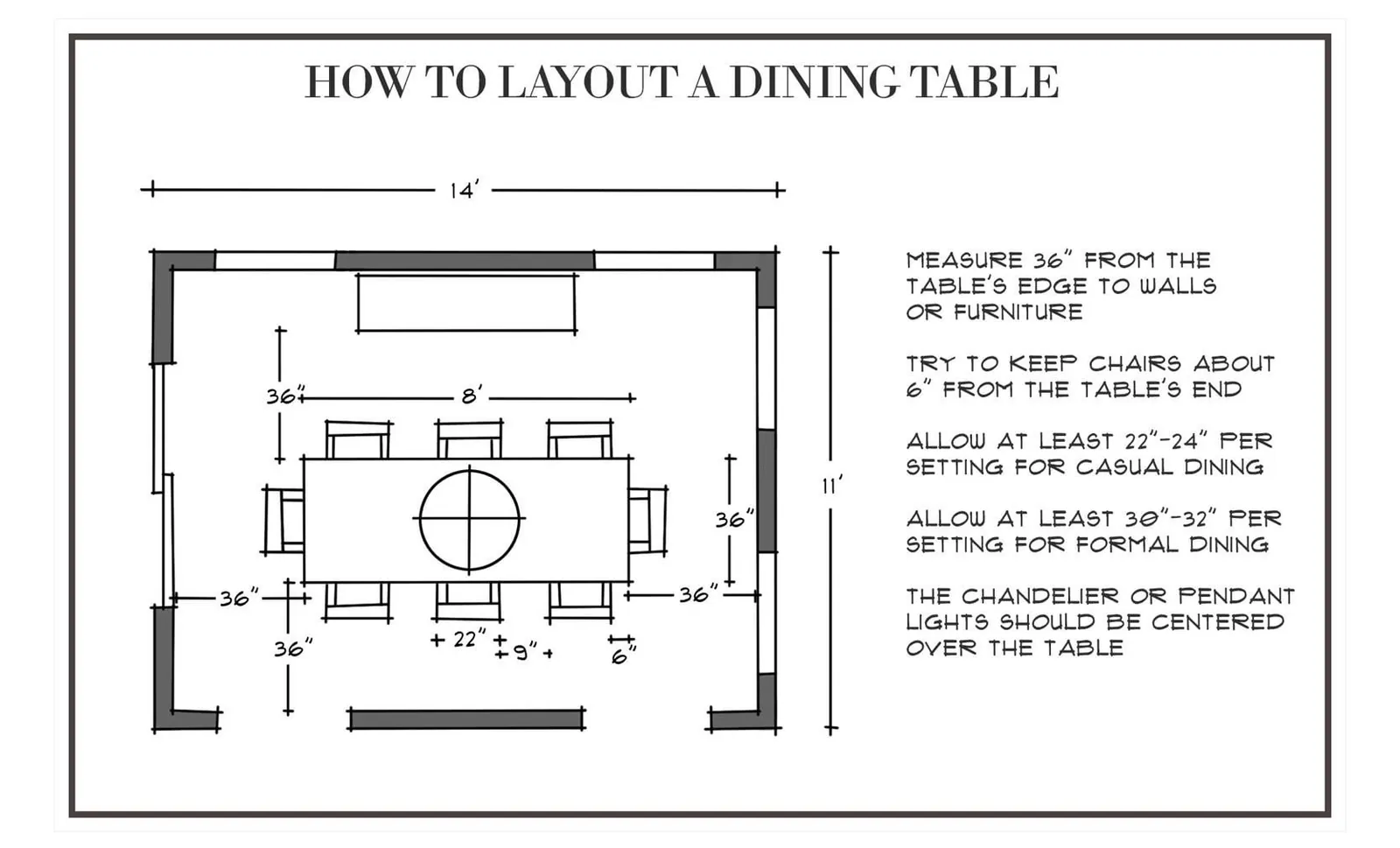
Your budget dictates the materials you can choose, but the most important factor is the size of your space. A table that’s too large will make your room feel cramped, while one that’s too small makes the area look unfinished. Before buying, measure your dining area and ensure there’s at least 3 feet of clearance between the edge of the table and the walls to allow guests to pull their chairs out comfortably.
The most common mistake people make is ignoring the leg room underneath the table. If you buy a table with thick aprons or bulky pedestal bases, you might find that your knees hit the wood when you sit down. Always check the clearance height from the floor to the bottom of the table frame before finalizing your purchase.
Steps to Select Your Table
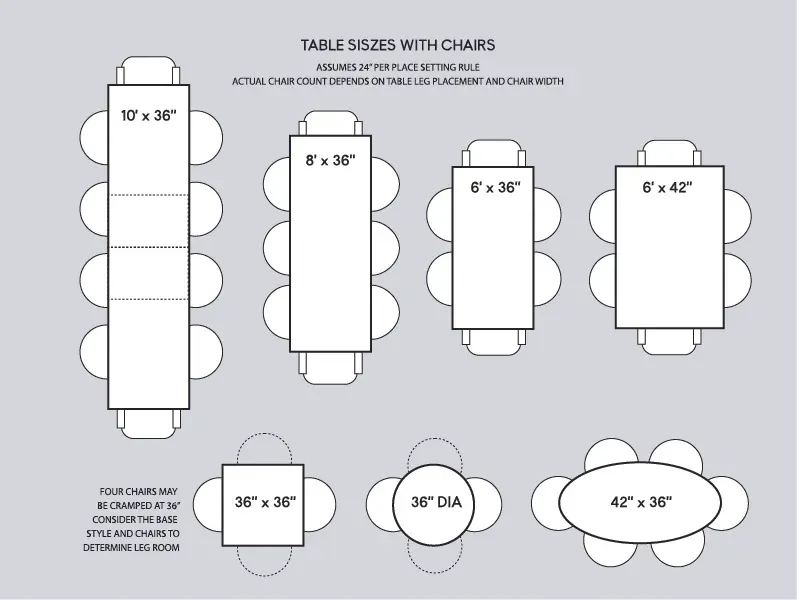
- Measure your available floor space and ensure there’s at least 36 inches of clearance on each side to allow for chair movement.
- Choose a shape that fits your room flow; rectangular tables work best in long rooms, while round tables save space in square or small areas.
- Select your material based on your lifestyle, keeping in mind that solid wood can be refinished, while glass or veneer surfaces are harder to repair.
- Calculate seating capacity by allowing at least 24 inches of width per person at the table edge.
- Verify the height of the table, which should be between 28 and 30 inches to accommodate standard dining chairs. Tip: If you have small children, avoid glass tops or sharp metal corners that are difficult to keep clean and pose safety risks.
- Inspect the table joints for stability, as loose connections will cause the table to wobble. Tip: Always check for manufacturer warranties on structural defects.
Factors Influencing Dining Table Prices
The final cost of your table changes based on the materials used and the complexity of the assembly process required.
| Situation | Typical Price Range | What changes it | What to watch for |
|---|---|---|---|
| Budget / Flat-pack | $200 – $500 | Particle board finish | Visible edges or peeling |
| Mid-range / Veneer | $600 – $1,500 | Hardwood veneer layers | Scratch resistance |
| High-end / Solid Wood | $2,000+ | Wood species rarity | Grain matching quality |
If your table cost is significantly lower than these ranges, check if the legs are made of solid wood or hollow plastic, as the latter won’t hold up to daily weight.
Signs of Quality Construction
You can tell a table is well-made by looking at the underside of the tabletop and the joints where the legs attach to the frame. Look for corner blocks, which are small triangular pieces of wood that reinforce the connection between the legs and the apron. A sturdy table shouldn’t move or sway when you push firmly on one end. If the wood feels lightweight or the screws are already loose in the pre-drilled holes, the table won’t last.
Mistakes That Ruin Your Purchase
- Buying without measuring doorways: Many people forget to measure their hallways or front door, which leads to the table arriving and being impossible to move into the dining room. Always measure your entry points against the dimensions of the table box before ordering.
- Ignoring chair height: If you buy a table that’s too high or low for your existing chairs, you’ll never be comfortable while eating. Ensure your chair seat is roughly 12 inches lower than the top of the table surface for the best posture.
- Choosing style over function: A beautiful marble or high-gloss table might look great in a showroom but can stain easily from hot plates or acidic liquids. If you have a busy household, choose a durable matte finish or a wood surface that can handle regular spills.
Frequently asked questions
How much are dining tables for small apartments?
You can find quality small-space tables for $200 to $600, depending on the material. These tables are usually 30 to 40 inches in diameter or width. Look for drop-leaf designs or wall-mounted tables if you need to save even more floor space when you aren’t eating.
Is it safe to buy cheap dining tables?
Yes, it’s safe as long as the table is stable and doesn’t have sharp, exposed metal edges. Cheap tables are often made of particle board, which is safe but less durable than solid wood. Check that the table doesn’t tip over when weight is placed on one edge.
How long do dining tables last?
Solid wood tables often last 20 to 50 years, while budget-friendly particle board tables usually last 3 to 7 years. The lifespan depends on how often you move the table and how well you protect the surface from moisture, heat, and heavy daily use.
Why are some dining tables so expensive?
Expensive tables cost more because they use solid, sustainably sourced hardwoods like walnut or oak and feature hand-finished joinery. These pieces are built to be passed down through generations. You’re paying for the quality of the raw materials and the hours of skilled labor required to build them.
Can I assemble a dining table myself?
Yes, most dining tables sold online are designed for home assembly with basic tools like an Allen key. You should expect to spend about 30 to 60 minutes putting one together. If the table is heavy, have a second person help you flip it over to avoid damaging the legs.
What happens if the table arrives damaged?
If your table arrives with scratches or broken parts, contact the seller immediately and provide photos of the damage. Most reputable retailers will offer a replacement part or a partial refund. Never attempt to glue broken structural parts, as this will likely void any warranty you have.
How often should I treat the wood surface?
You should apply a high-quality furniture wax or oil every 6 to 12 months to keep the wood from drying out. If your table has a lacquer or polyurethane finish, you don’t need to oil it, but you should clean it with a damp cloth and avoid harsh chemicals.
Conclusion
Before you make your final choice, measure your dining area carefully to ensure there’s enough room for chairs to slide out comfortably. It’s also a good idea to visit a local showroom to test the sturdiness of the wood. You’ll feel much more confident once you’ve seen the quality in person.
Related guides