
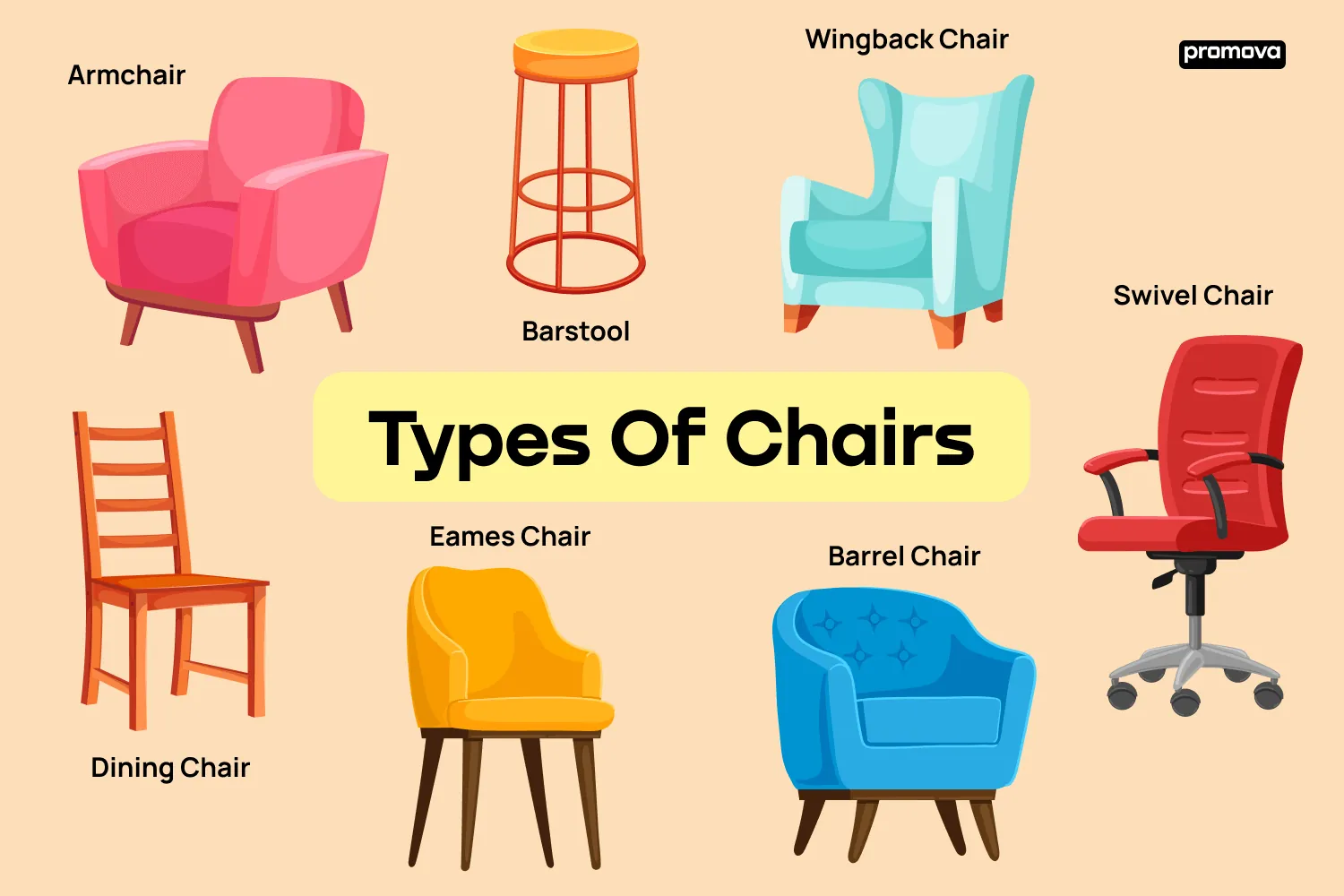
There are over 40 distinct types of chairs designed for various functions, ranging from specialized ergonomic office seating to decorative accent furniture. When considering the investment required to furnish a space, the price for a quality chair typically falls between $150 and $1,200 depending on the materials, engineering, and brand prestige. Whether you’re looking for a simple wooden stool or a high-end executive recliner, understanding the specific design intent behind each category will help you make a more informed purchase decision for your home or office environment.
Key Takeaways
- Prioritize ergonomic support features like adjustable lumbar and armrests if you spend more than four hours a day seated.
- Match your chair material to the room environment; choose performance fabrics for high-traffic areas and leather for executive aesthetics.
- Measure your desk height and floor space before buying to ensure the chair fits properly under your workspace.
- Check for ANSI/BIFMA certification on commercial-grade chairs to ensure they meet minimum safety and durability standards.
- Select chairs with casters for mobility on hard floors, or choose stationary glides for stability on plush carpets.
How Many Types Of Chairs Exist?
While furniture historians often categorize seating based on historical periods, modern design classifies chairs primarily by their intended use. You’ll typically encounter functional categories including task seating, lounge furniture, dining sets, and specialty stools. Each category utilizes specific structural frame materials such as bentwood, tubular steel, or molded polymers to achieve the desired level of comfort and durability.
| Chair Category | Primary Use Case | Typical Material |
|---|---|---|
| Task Chair | Daily office work | Mesh, nylon, plastic |
| Accent Chair | Decorative seating | Fabric, velvet, wood |
| Dining Chair | Shared mealtimes | Solid wood, metal |
| Recliner | Relaxation/Media | Leather, upholstery |
Understanding Ergonomic Task Chairs
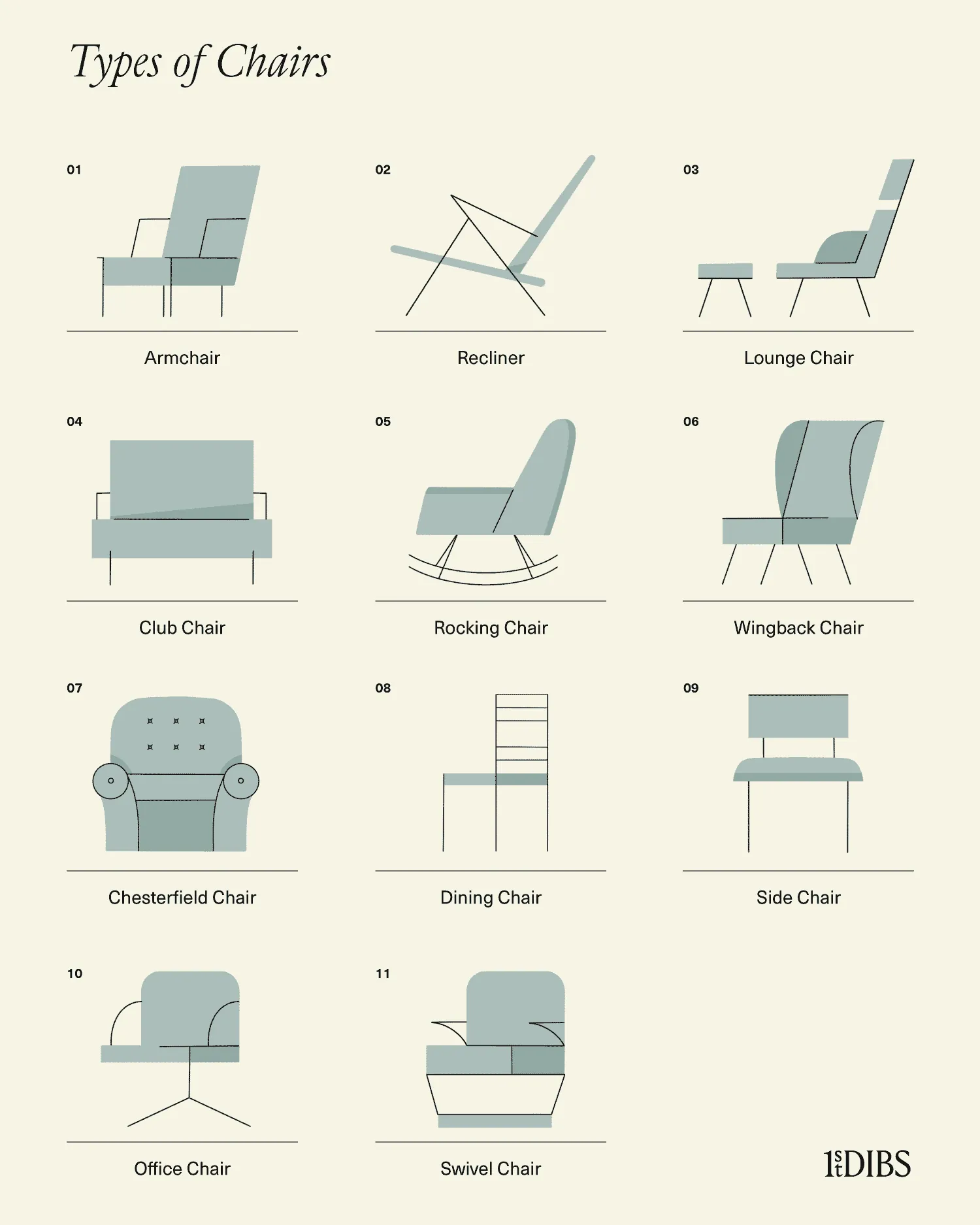
These chairs are engineered to support the human spine during prolonged periods of activity. A high-quality task chair should offer at least four points of adjustment: seat height, backrest tension, armrest height, and lumbar depth. When selecting an ergonomic model, ensure it meets the BIFMA furniture safety and performance standards for office seating. These standards ensure that the chair can withstand the rigors of daily use without failing or causing injury to the user.
Selecting The Right Dining Chair
Dining chairs are generally categorized as side chairs or armchairs. Side chairs are armless and ideal for maximizing seating capacity around a smaller table. Armchairs provide more support and comfort but require more physical space. Consider the upholstery maintenance requirements if you have young children or pets, as high-maintenance fabrics like linen may not be the best choice for a dining room.
The Role Of Accent Furniture
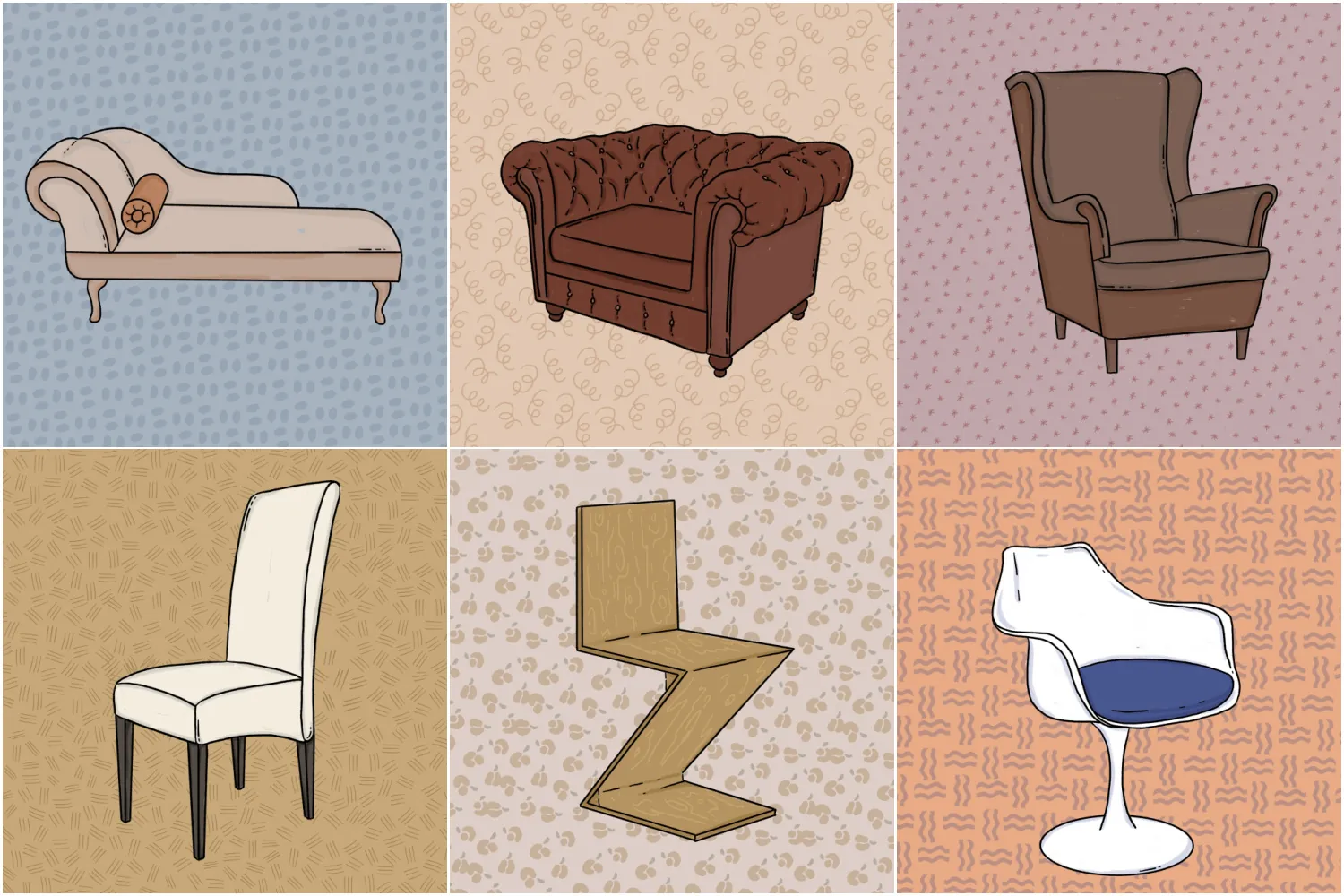
Accent chairs serve to bridge the gap between utility and interior design. Unlike task chairs, these are chosen for their visual impact and ability to complement a room’s color palette. Popular styles include the wingback chair, which offers a sense of privacy, and the slipper chair, which is compact and legless, making it perfect for small bedrooms or dressing areas. Statement furniture pieces should be treated as focal points that draw the eye toward specific design elements in your home.
Benefits Of Lounge And Recliners
Lounge chairs are designed for low-effort resting. The classic club chair is a staple of traditional interiors, offering deep, plush cushioning and leather upholstery. Recliners take this comfort a step further with mechanical levers or motorized buttons that shift the chair into a horizontal position. When buying a recliner, verify the mechanical warranty duration, as the moving parts are often the first elements to require repair or replacement after several years of ownership.
Essential Specialty Stools
Stools are categorized by height: counter height, bar height, and vanity height. A counter stool usually measures 24 to 26 inches, while a bar stool sits between 28 and 30 inches. These are perfect for kitchen islands, high-top tables, or workshops where you need to move on and off the seat frequently. Industrial stool designs often feature metal frames with wood seats, offering a rugged aesthetic that works well in modern or transitional spaces.
Assessing Material Durability
The lifespan of your chair is determined by its construction materials. Hardwood frames offer the best longevity but come at a higher price point. Metal frames, especially those made from powder-coated steel, are resistant to bending and are ideal for high-traffic environments.
- Top-grain leather: Highly durable, develops a patina over time.
- Performance polyester: Resistant to stains and fading in sunlight.
- Breathable mesh: Excellent for airflow in hot office environments.
- Molded polypropylene: Easy to clean and perfect for outdoor use.
Pro Tip: Always check the weight capacity rating listed by the manufacturer. Most standard residential chairs are rated for 250 pounds, while heavy-duty commercial chairs can support 300 to 400 pounds.
Frequently Asked Questions
What is the most comfortable chair for back pain?
The most comfortable chairs for back pain are ergonomic task chairs with dynamic lumbar support. These chairs allow the backrest to move with your spine, maintaining natural curvature while you shift positions. Look for models with adjustable seat depth to ensure your thighs are properly supported without pressure behind the knees, which helps maintain blood flow and reduces overall strain during the workday.
How do I measure for dining chairs?
Measure the distance from the floor to the top of your dining table. A comfortable dining chair should have a seat height of approximately 10 to 12 inches lower than the table surface. This provides enough legroom for the average person to sit comfortably without their knees hitting the underside of the table or feeling too low while eating.
What is the difference between a stool and a chair?
The primary difference is the presence of a backrest and armrests. Chairs are designed for long-term sitting and offer full back support, while stools are typically backless or feature minimal back support, making them better suited for short-term use. Stools are usually taller than chairs, designed to align with counters or bar-height surfaces rather than standard dining or work tables.
Should I choose leather or fabric?
Leather is superior for durability and ease of cleaning, making it ideal for high-use areas like living rooms or executive offices. Fabric offers a wider range of colors, textures, and comfort levels, often feeling warmer to the touch. If you prioritize long-term maintenance and spill resistance, leather is the better investment, whereas fabric allows for more creative interior design expression.
Warning: Never attempt to repair a gas lift cylinder on an office chair yourself. These components are pressurized and can cause severe injury if dismantled incorrectly; always replace the entire cylinder assembly or contact the manufacturer for professional service.
Conclusion
Choosing the right chair requires balancing your aesthetic preferences with the functional demands of your daily routine. Take the time to visit a local showroom to test the seat depth and firmness, as physical comfort is subjective. Once you have identified the specific type that fits your needs, research the warranty and material quality to ensure your purchase provides value for years to come.