
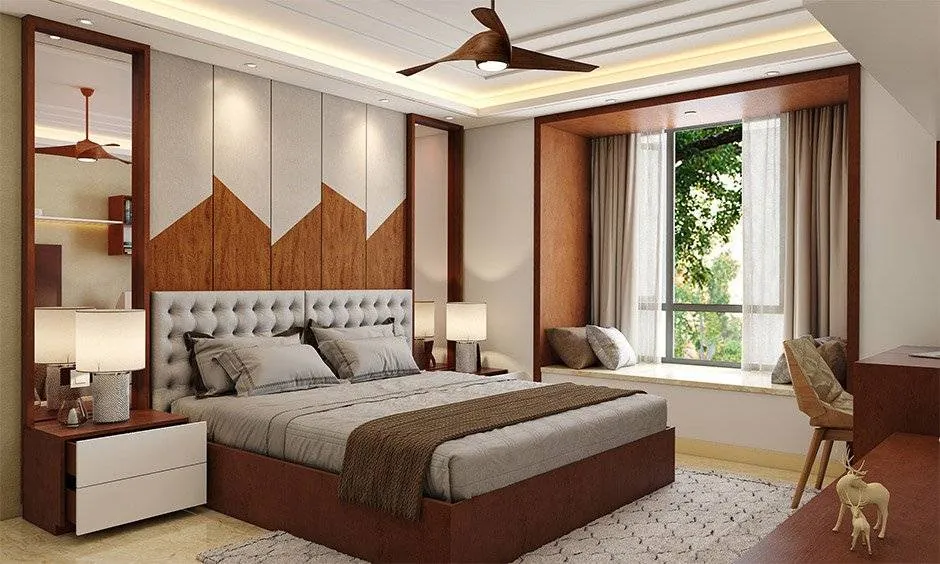
Adding seating to a small bedroom is best achieved by using wall-mounted shelves, folding furniture, or multifunctional ottomans that tuck under a desk. These pieces save floor space while providing comfort, and you should choose items that match your room’s dimensions.
Essential gear for bedroom seating
Before you start, gather these items to ensure your furniture fits the space safely:
- Measuring tape to check the clearance between your bed and the walls.
- A folding stool or chair that collapses to less than 3 inches thick.
- Wall-mounted brackets rated for at least 50 pounds of weight.
- A small ottoman with built-in storage to hold blankets or books.
- Leveling tool to ensure your wall-mounted seating is safe and stable.
- Wall anchors appropriate for your wall material, such as drywall or studs.
If you have a small room, avoid bulky armchairs. Instead, use pieces that serve two purposes. For safety, always check Consumer Product Safety Commission guidelines to ensure your furniture is stable and won’t tip over.
Steps to install your seating
- Measure your available floor space while the door is fully open. You need at least 18 inches of clearance to move comfortably around the new seat.
- Select a wall-mounted flip-down desk or seat if you lack floor space. These units fold flat against the wall when you aren’t using them.
- Mark the wall studs using a stud finder to ensure the mounting hardware holds the weight securely. Never anchor heavy wall furniture into hollow drywall alone.
- Drill pilot holes into the studs at the height you prefer. Most standard chair seats sit 18 inches from the floor, but adjust this based on your height.
- Attach the brackets or furniture frame using the screws provided by the manufacturer. Tighten them firmly, but don’t strip the threads in the wood.
- Test the seat by applying pressure gently before sitting on it fully. If the unit wobbles, check that the mounting screws are flush against the wall.
Tip: Use furniture sliders under heavy ottomans so you can move them easily to clean the floor. Careful: Don’t exceed the weight limit listed on the product packaging, as this can cause the wall anchors to fail. If your walls are made of lath and plaster, hire a professional to ensure the anchors are secure.
Seating options for a small bedroom
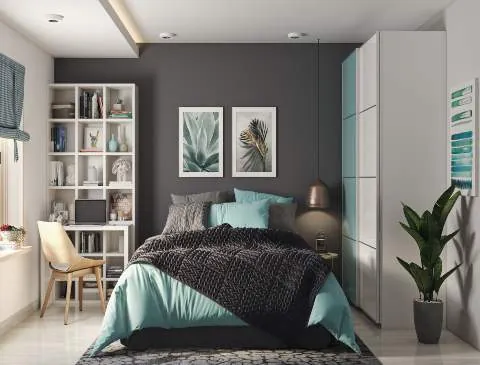
The size of your room changes how much furniture you can fit safely. Start small and add more only if your room feels open.
| Room size | Best seating type | Time to install | Watch for |
|---|---|---|---|
| Under 80 sq ft | Folding stool | 30 minutes | Door clearance |
| 80-120 sq ft | Storage ottoman | 10 minutes | Floor space |
| Over 120 sq ft | Small accent chair | 1 hour | Traffic flow |
How to tell you did it right
A good result means your seat is stable and doesn’t block your path to the bed or closet. If the chair feels shaky or blocks the door, you have likely chosen a piece that’s too large for the layout. This happens when the floor space is overestimated during the planning phase. To prevent this, use painter’s tape on the floor to outline exactly where the furniture will sit before you buy it.
Safety rules and maintenance
Follow the weight capacity limits set by the manufacturer to avoid structural damage to your walls. Clear away any loose rugs near your seat to prevent tripping hazards, and vacuum the area regularly to keep dust from building up under the frame.
If you use a folding chair, check the hinges periodically for wear, following the frequency recommended in your owner’s manual. If the hardware looks bent or rusted, replace it immediately. If you’re unsure about drilling into your walls, consult a local handyman to handle the installation.
Alternative seating methods
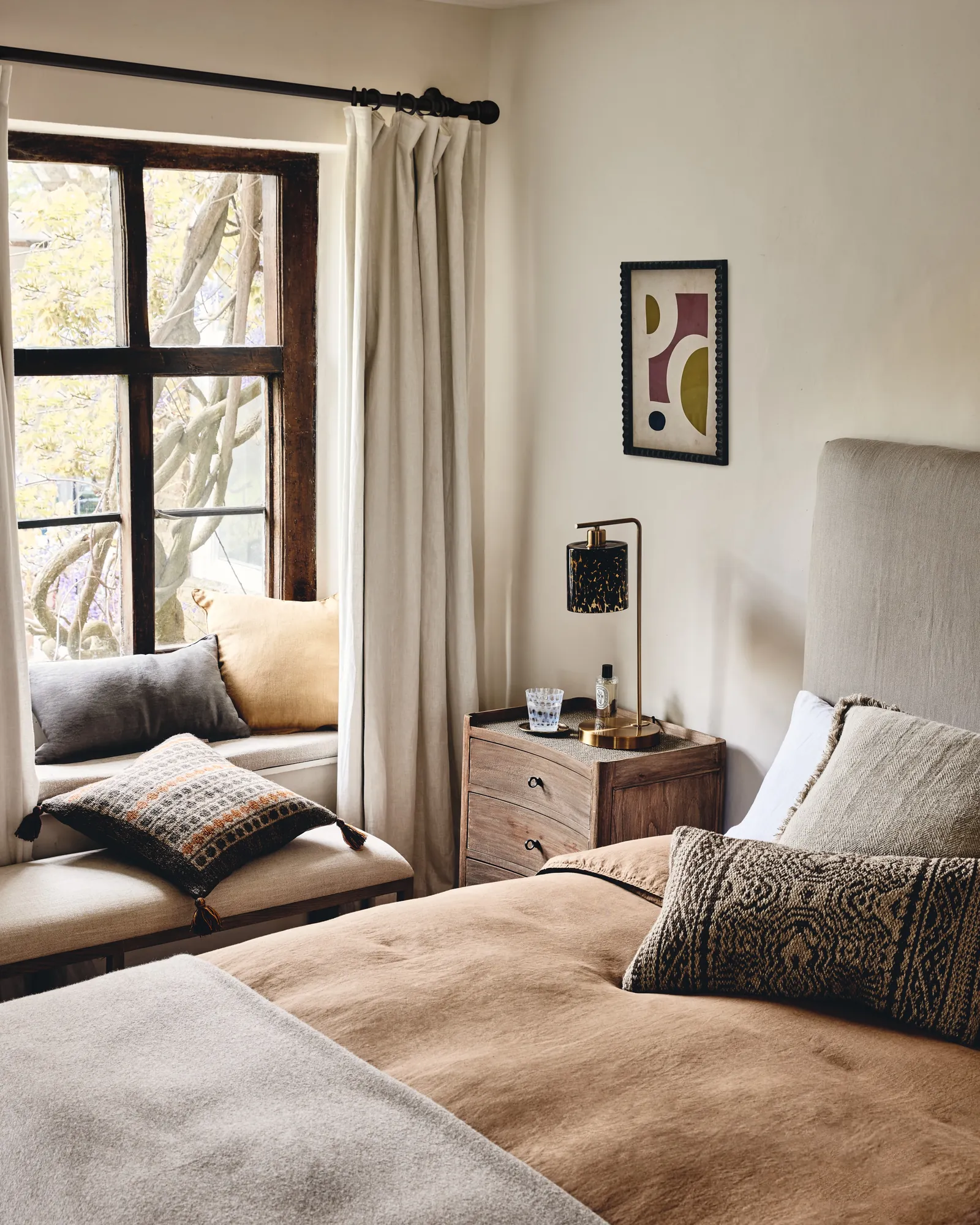
Use a window bench
Place a low bench under a window to use the existing ledge area. This keeps the floor open and provides a view, though it limits where you can place other bedroom furniture.
Corner-mounted stools
Install a triangular seat in a corner to use dead space. This is ideal for tiny rooms, but it requires precise drilling into two different walls to ensure the seat is level.
Floor cushions
Use large, firm floor cushions that you can stack in a closet when not in use. This costs almost nothing and requires no installation, but it offers less back support than traditional chairs.
Frequently asked questions
Can I put a chair in a 7×7 room?
Yes, you can fit a chair in a 7×7 room if you use a wall-mounted folding seat. These units take up zero floor space when folded, allowing you to maintain a clear path to your bed.
How much space does a seat need?
You need at least 18 inches of width and 18 inches of depth for a basic seat. This ensures you have enough room to sit comfortably without hitting other furniture or walls in your bedroom.
No, it isn’t safe to mount a seat directly into drywall. You must anchor the furniture into the wall studs to ensure it can safely support the weight of a person.
How long does it take to install wall seating?
It takes about 45 minutes to install wall seating for a beginner. This includes the time needed to locate the studs, measure the height, drill the pilot holes, and secure the brackets to the wall.
What happens if I choose a chair that’s too big?
A chair that’s too big will block your walking path and make the room feel cramped. If your room feels crowded, replace the chair with a folding alternative or a small ottoman that fits under a desk.
Related guides