
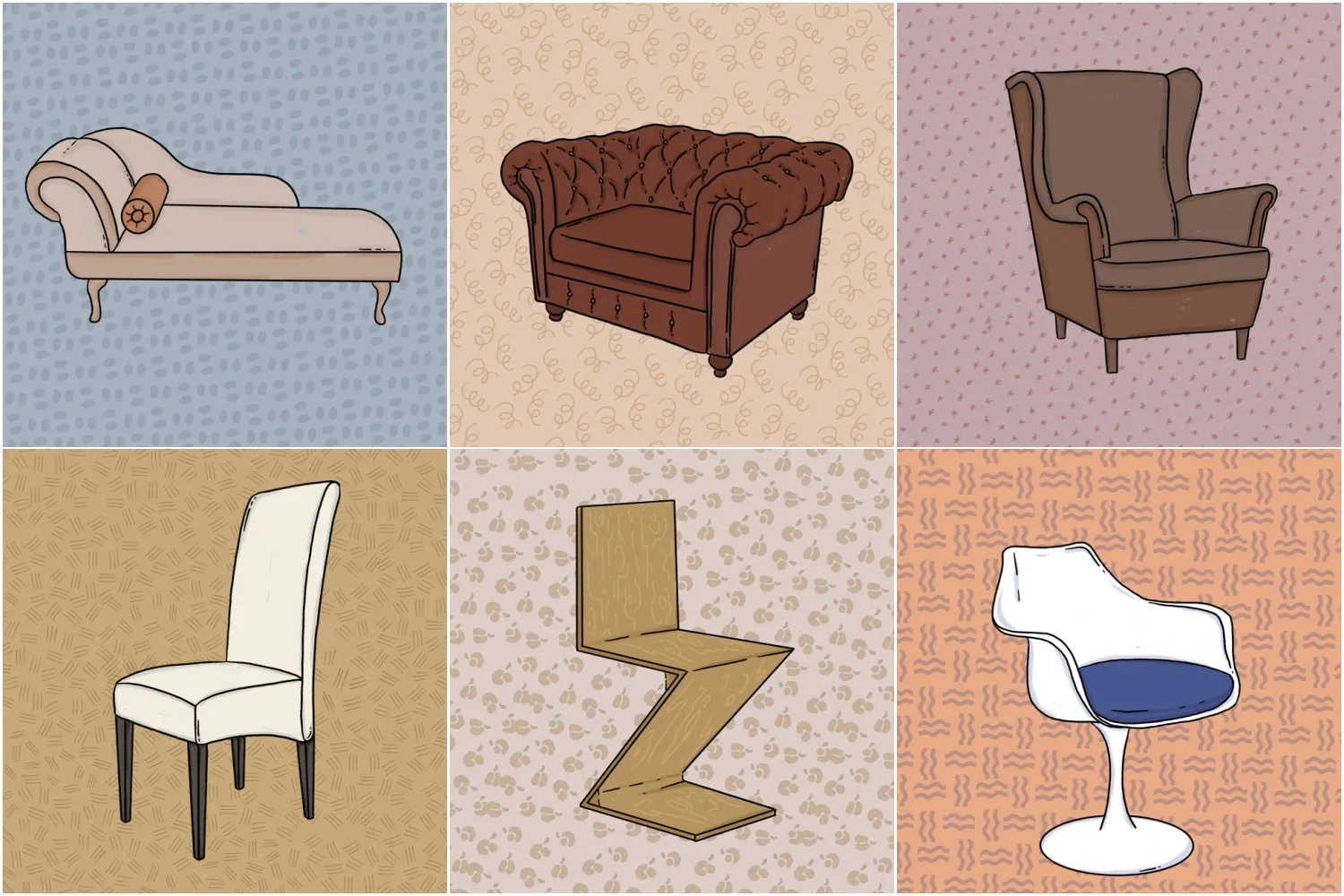
There are dozens of distinct furniture designs classified by their intended function, structural build, and historical era, with hundreds of variations existing across global home design. Whether you’re furnishing an office, a dining room, or a patio, the sheer volume of choices can feel overwhelming. Understanding the taxonomy of seating helps you choose the right piece for your space, comfort, and budget.
Key Takeaways
- Identify the primary function—task, lounge, or dining—before shopping for any seat.
- Check for ergonomic support features like lumbar adjustment if you spend hours at a desk.
- Measure your table height, as seat height dictates the comfort of your dining setup.
- Prioritize materials like high-density foam and performance fabrics for high-traffic areas.
- Consult the American National Standards Institute guidelines for office furniture safety to ensure your workspace meets durability requirements.
Categorizing the Many Types of Chairs
While there’s no single master list, most furniture experts group them by their primary use. Understanding these categories prevents the common mistake of buying a decorative piece for a high-utility environment.
| Category | Primary Use | Typical Feature |
|---|---|---|
| Task | Office/Work | Adjustable Height |
| Dining | Kitchen/Dining | Upright Backrest |
| Lounge | Living/Reading | Deep Cushioning |
| Accent | Decorative | Unique Silhouette |
What Defines a Task Chair?
These seats are engineered for productivity. They typically feature five-caster bases and pneumatic height adjustments. Look for adjustable armrests and breathable mesh backs to stay cool during long work sessions.
Key Features to Look For
- Lumbar support for spine alignment.
- Tilt tension to allow for natural movement.
- Swivel mechanisms for easy desk access.
The Essentials of Dining Seating
Dining chairs prioritize an upright posture to facilitate eating. They usually lack armrests to save space, though “captain’s chairs” at the head of the table often include them for a more formal appearance.
- Parsons chairs: Fully upholstered for comfort.
- Windsor chairs: Classic wooden spindles.
- Ladder-back chairs: Horizontal slats for a rustic look.
Understanding Lounge and Relaxation Options
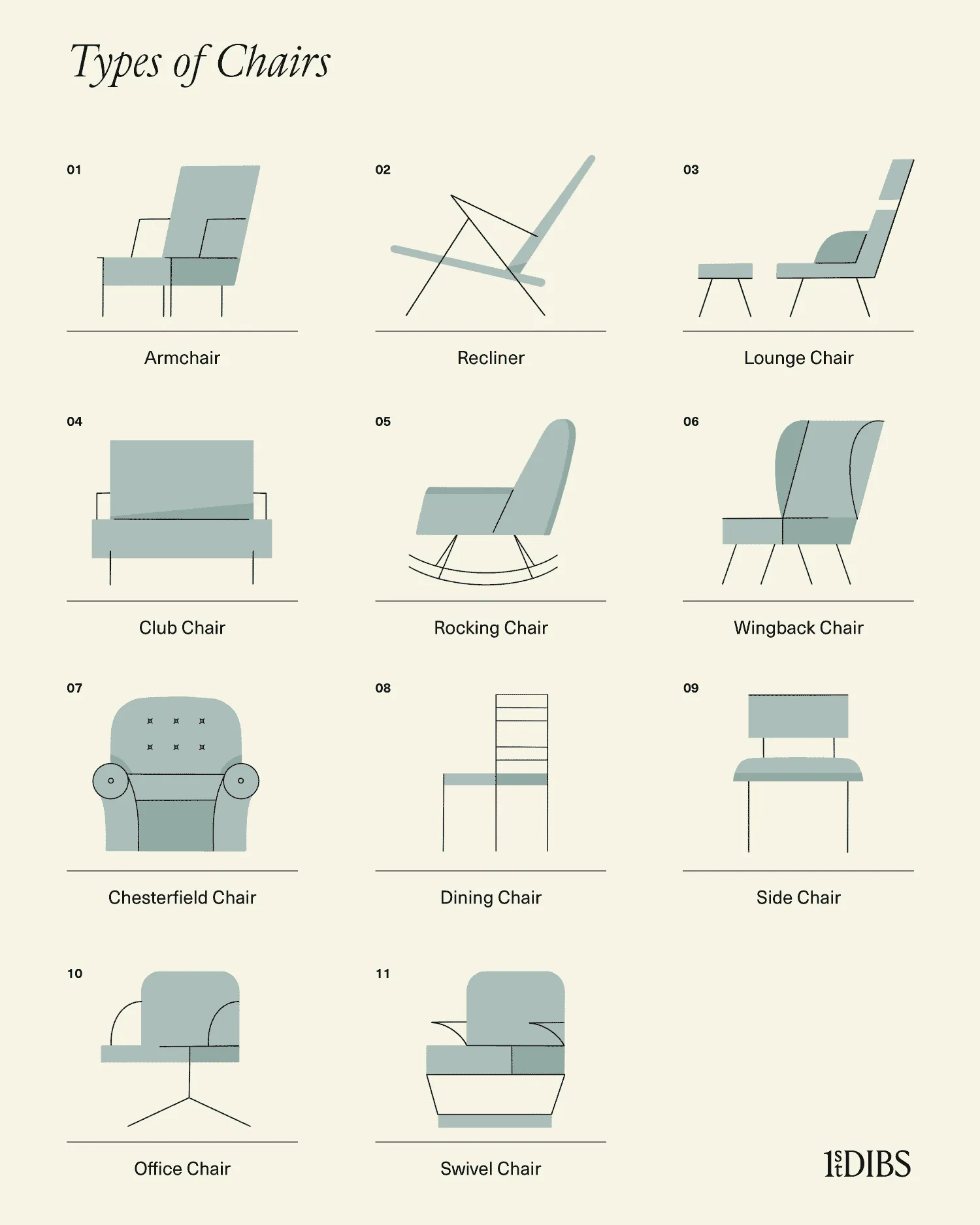
Lounge seating is designed for leisure. These pieces are lower to the ground and deeper, encouraging a reclined position.
- Recliners: Footrests that extend for full leg support.
- Club chairs: Deep, plush leather or velvet seats.
- Chaise lounges: Extended length for propping up feet.
Pro Tip: Always test the “sit depth” of a lounge chair. If the seat is too deep, your feet may dangle, causing strain on your hamstrings; if it’s too shallow, you’ll lack proper thigh support.
Decorative Accent Pieces
Accent chairs are the “jewelry” of a room. They’re often chosen for their aesthetic impact rather than long-term comfort.
- Slipper chairs: Armless and compact for small corners.
- Wingback chairs: Tall, protective sides that feel cozy.
- Barrel chairs: Rounded, continuous back that wraps around the user.
| Material | Durability | Maintenance |
|---|---|---|
| Leather | High | Easy (Wipe Down) |
| Linen | Medium | Professional Clean |
| Velvet | Low | Vacuum/Steam |
| Synthetic | High | Very Easy |
How Do You Choose for Small Spaces?
Limited square footage requires multi-functional or visually lightweight furniture. Focus on pieces with “open” legs rather than solid bases, as this creates the illusion of more floor space.
- Stacking chairs: Easily stored when guests leave.
- Folding chairs: Can be tucked into a closet.
- Ottomans: Can double as a seat or a coffee table.
Warning: If you choose folding or stacking models, ensure the weight capacity matches your needs; lightweight metal frames can often buckle under heavy, daily use compared to solid wood or steel-reinforced options.
Ergonomics and Your Health
Not all seating is created equal regarding spine health. An ergonomic chair should allow your feet to rest flat on the floor with your knees at a ninety-degree angle. If your chair forces you to slouch, you’re likely to experience chronic neck and shoulder tension.
Essential Ergonomic Checklist
- Does the backrest follow the natural curve of your spine?
- Can you adjust the seat pan depth?
- Is the headrest positioned to support your neck?
Selecting the Right Material
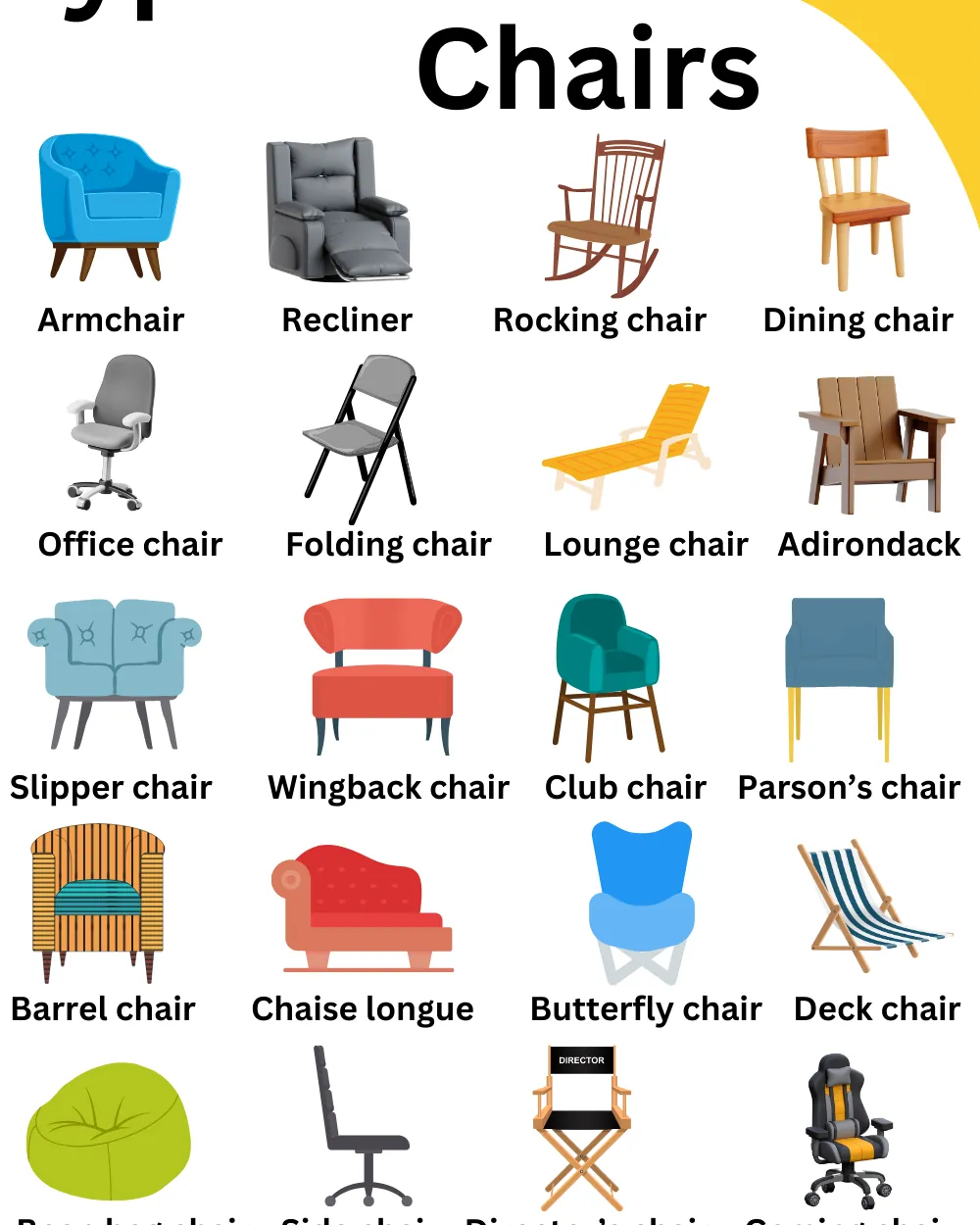
The longevity of your furniture depends heavily on the upholstery and frame construction. Hardwood frames (oak or maple) offer the best structural integrity, while metal frames provide a modern, industrial aesthetic.
- Top-grain leather: Best for durability and aging.
- Performance fabrics: Best for households with pets or children.
- Wicker/Rattan: Best for sunrooms or covered porches.
Pro Tip: If you’re buying a chair for a sun-drenched room, avoid dark-colored fabrics, as they will fade significantly faster than lighter, UV-resistant textiles.
Frequently Asked Questions
Which chair is best for back pain?
The best option for back pain is an ergonomic task chair with adjustable lumbar support. You need a model that keeps your pelvis in a neutral position and allows you to adjust the seat height so your feet rest flat. Avoid soft, deep-cushioned lounge chairs, as they often lack the necessary structural support to keep your spine properly aligned during long periods of sitting.
How high should a dining chair be?
Standard dining tables are typically 28 to 30 inches high. For this height, a chair seat should be 18 to 20 inches from the floor. You generally need about 10 to 12 inches of clearance between the top of the seat and the underside of the table to ensure your legs have enough room to move comfortably without bumping into the frame.
What is the difference between a club chair and an armchair?
An armchair is a broad category that includes any seat with side supports for your arms. A club chair is a specific, luxurious style of armchair characterized by deep, low seating and usually upholstered in leather. While all club chairs are armchairs, not all armchairs are club chairs; many armchairs are upright, firm, and designed for formal living rooms or offices.
Are bean bag chairs good for posture?
Bean bag chairs are generally not recommended for long-term use. While they’re comfortable for casual lounging, they provide zero structural support for the spine or neck. Sitting in a bean bag for hours can lead to slouching, which puts excessive pressure on your lumbar discs. They’re best reserved for short periods of relaxation rather than work or dedicated reading time.
How often should I replace my office chair?
A high-quality office chair typically lasts between seven and ten years with daily use. You should consider replacing it sooner if the foam padding has flattened, the pneumatic cylinder no longer holds your desired height, or the frame shows signs of wobbling. If you notice persistent discomfort or back pain after sitting, the internal support mechanisms have likely failed, even if the chair looks fine.
Conclusion
Choosing the right seating is about balancing your specific physical requirements with the aesthetic needs of your home. Start by evaluating the primary activity for the space, then narrow your search by material and ergonomic features. Visit a local showroom to test the seat depth and firmness before making your final purchase to ensure the perfect fit for your body.