
Convertible chairs typically measure 30 to 40 inches wide and extend to 75 inches long. You should check the specific floor space available in your room before choosing a model.
The final length depends on the folding mechanism used, while the width is determined by the armrest design and overall frame size.
Who needs a chair that can be converted
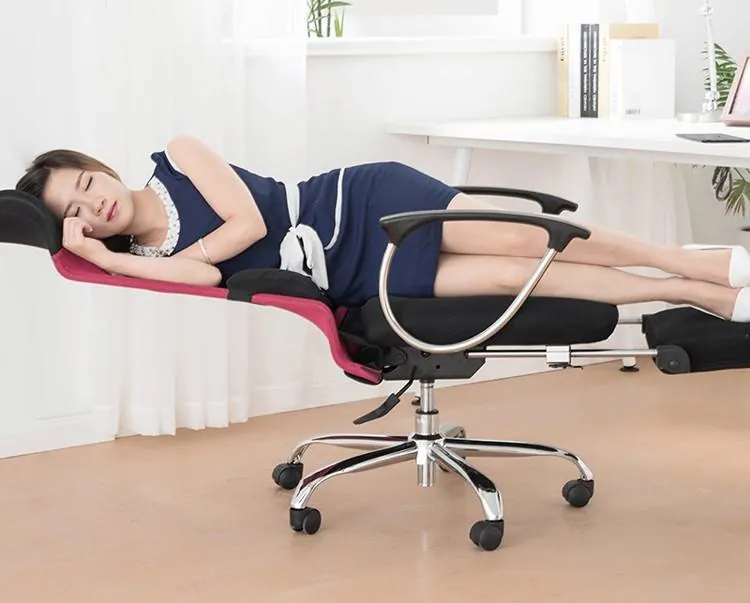
People who live in small apartments or studio flats often choose this furniture to save space. You might need one for a home office that doubles as a guest room or for a child’s bedroom where floor space is limited. If you need a permanent bed for nightly use, you should look for a dedicated mattress instead of a convertible chair.
Mechanical factors for conversion
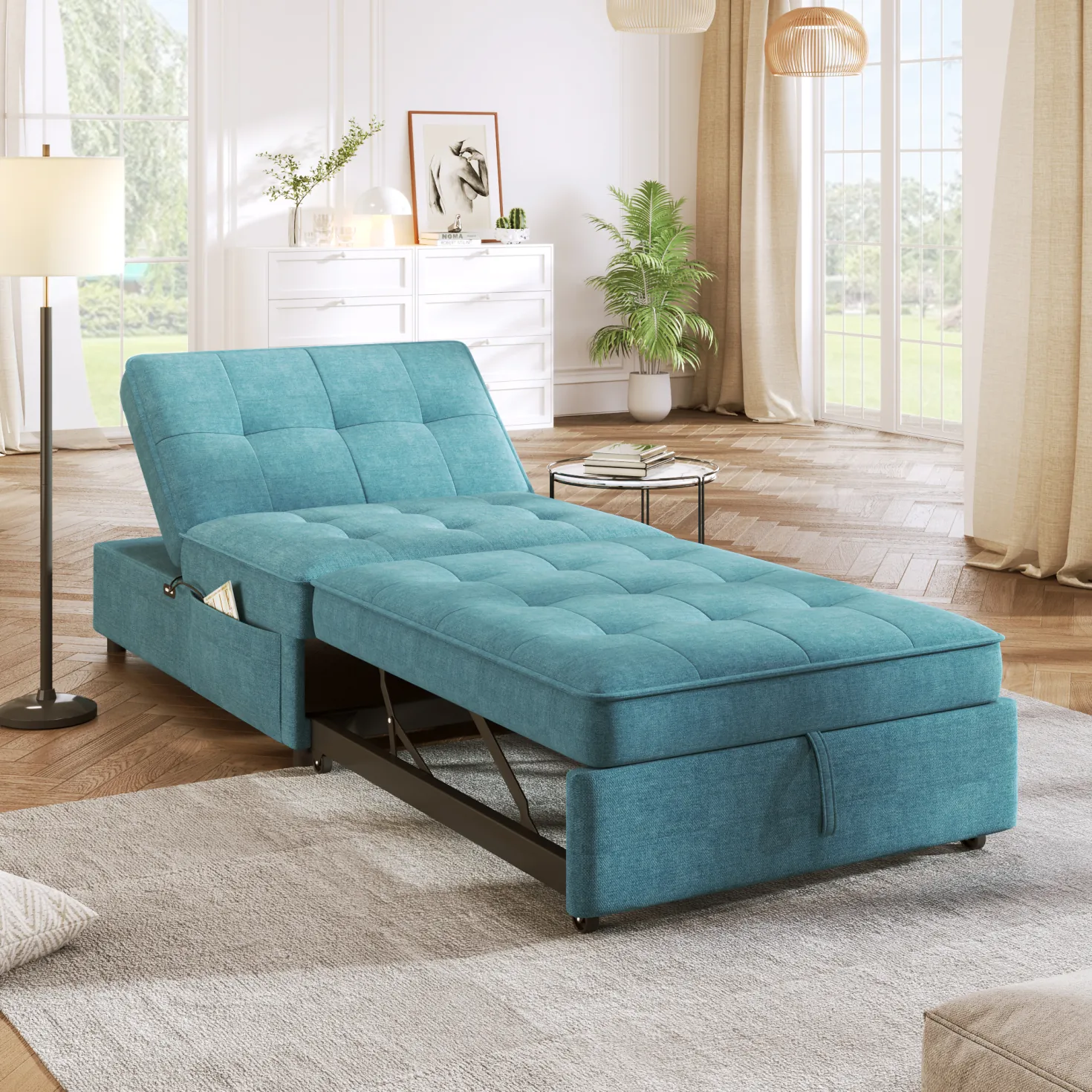
The folding mechanism determines the clearance needed around the unit. Some models use a pull-out frame that requires extra space in front, while others use a tri-fold foam design that unfolds directly onto the floor. Storage compartments increase weight, making the chair harder to move.
Operating the conversion process
- Clear all objects from the floor area in front of the chair to ensure the base can extend fully.
- Release the locking pins or latches located under the seat cushion to allow the frame to move.
- Grip the front edge of the seat firmly and pull it toward you in a steady, horizontal motion.
- If the model uses a tri-fold design, lift the foot section and unfold it until it rests flat on the floor.
- Check that the support legs are locked in the vertical position to prevent the frame from collapsing.
- Press down on the transition point between the seat and the backrest to confirm it’s level and stable.
Check hinge alignment. The Consumer Product Safety Commission provides general guidance on furniture stability that can help you ensure the unit is safe for guest use. If the mechanism feels stuck, don’t force it, as you might bend the metal frame or break the internal locking teeth.
Comparison of conversion types
Choosing the right style depends on how often you plan to switch between modes.
| Mechanism type | Best use case | Time to convert | Watch for |
|---|---|---|---|
| Pull-out frame | Daily sleep use | 30 seconds | Floor scratches |
| Tri-fold foam | Occasional guests | 10 seconds | Foam sagging |
| Click-clack back | Small napping | 5 seconds | Wall clearance |
| Ottoman style | Tight corners | 20 seconds | Hinge wear |
| Modular cubes | Flexible spaces | 60 seconds | Velcro alignment |
Improving the result
Proper preparation
Experienced users always check the floor surface before opening the chair. Hardwood floors require felt pads under the legs to prevent deep scratches when the unit extends. Beginners often ignore the wall clearance, which prevents the back from locking into the bed mode properly.
Routine maintenance
The difference between a long-lasting chair and a broken one is how you treat the hinges. Experienced owners verify that all pivot points are free of dust and debris, which can cause the mechanism to bind or squeak.
Common issues and fixes
| What you notice | What it means | What to do first | How to stop it |
|---|---|---|---|
| Squeaking noise | Dry hinges | Apply silicone spray | Clean pivot points |
| Uneven surface | Loose legs | Tighten base screws | Check leg locks |
| Stuck frame | Misaligned track | Lift and realign | Avoid forceful pulls |
| Sliding on floor | Worn pads | Replace rubber feet | Add rug grip |
| Fabric bunching | Loose tension | Smooth by hand | Use fitted sheet |
Safety and standards
Safety depends on frame material and locking mechanism quality. Never allow children to jump on the unit when it’s in the bed position, as the legs aren’t designed for impact forces.
Costs of ownership
Total cost includes the purchase price and transport effort. You should compare the warranty terms, as a longer warranty often indicates a more durable hinge mechanism. If you choose a model with a removable cover, the long-term cost is lower because you can wash the fabric rather than replacing the entire piece of furniture.
Maintaining the furniture
Keep the unit clean by vacuuming between the folds to prevent dust buildup. If the color fades, consider using a slipcover to protect the original upholstery from sunlight and wear.
When to avoid this choice
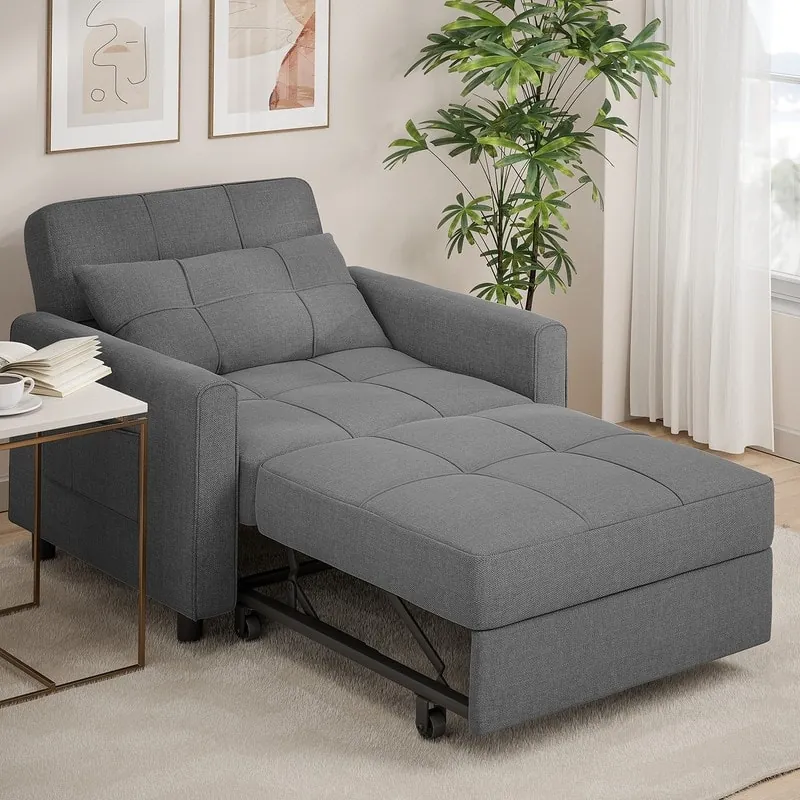
If you need a bed for daily medical use, a convertible chair is usually the wrong choice because the foam density is often too low for long-term spinal support. You should choose a dedicated medical bed or a high-quality sofa bed instead.
Frequently asked questions
How long does it take to convert?
Most models take between 5 and 60 seconds to convert, depending on whether they use a simple click-clack hinge or a multi-part pull-out frame.
Is it safe for daily sleeping?
It’s safe for daily use if the frame is made of solid steel and the foam density is high enough to support your weight, as specified by the manufacturer.
Does the size change when folded?
The size changes significantly because the length is reduced by about 60% when you move from bed mode back to the upright chair position.
What happens if the hinge breaks?
If a hinge breaks, you must stop using the item immediately and contact the manufacturer to see if they offer replacement parts or a repair service.
Can I change the foam?
You can replace the foam in some modular models, but you must use the exact thickness and density recommended by the manufacturer to ensure the frame closes properly.
Does it matter if I have carpet?
It matters because carpet creates friction that can make the frame hard to pull out; you may need to place a thin rug or hard mat underneath.
How much weight can it hold?
The weight capacity typically ranges from 250 to 350 pounds, but you must check the specific product label to confirm the limit for your exact model.
Conclusion
Start by measuring your floor space to ensure the chair fits when fully extended. You should see the bed length match the dimensions provided in the manual. If the mechanism feels stiff or makes a grinding sound, stop and check for debris or loose screws.
Related guides