
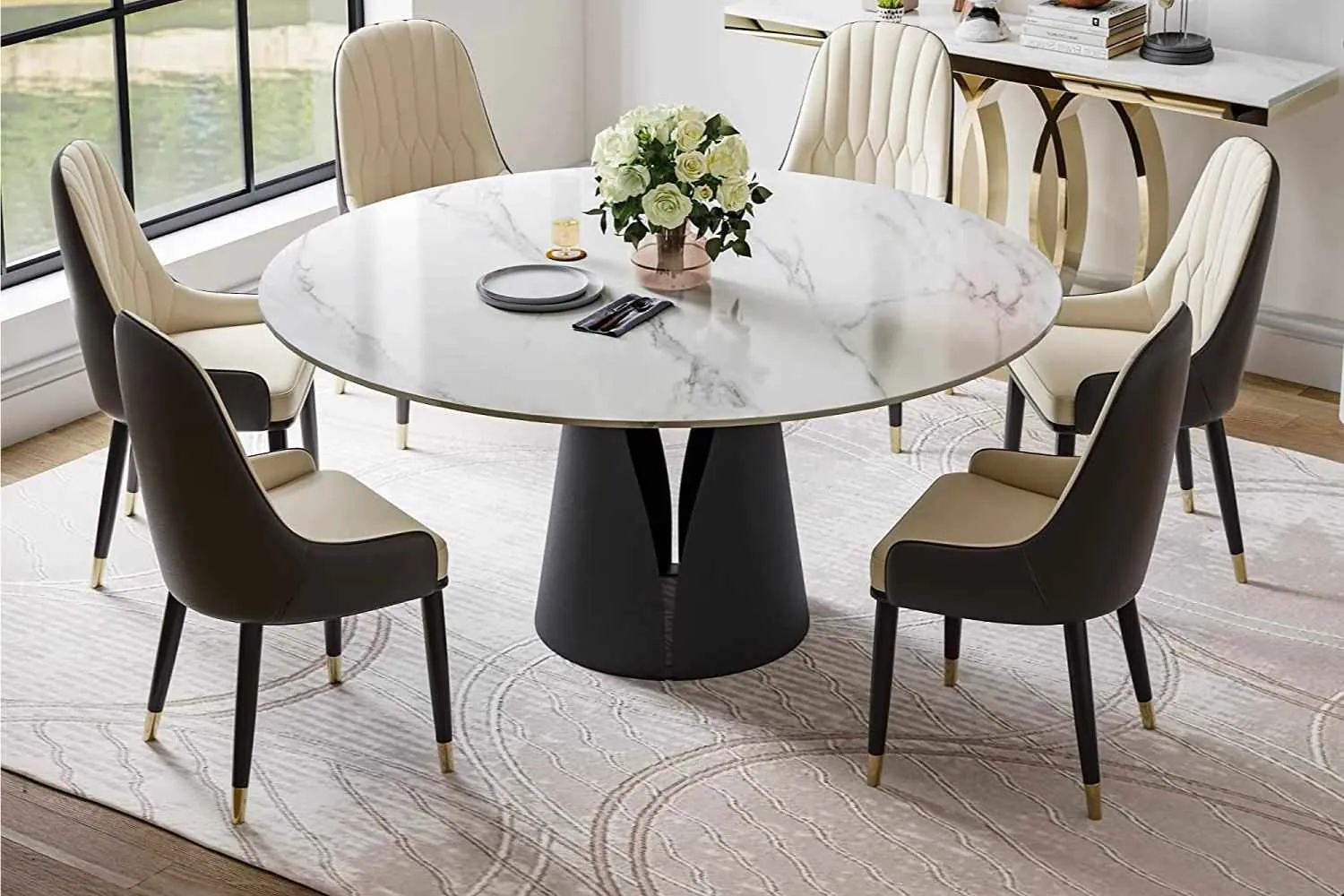
You can buy dining room chairs from major furniture retailers like Wayfair and IKEA, local specialty stores, or secondhand marketplaces. Your best option depends entirely on whether you prioritize fast delivery, custom upholstery options, or finding a lower price for solid wood construction.
Best places to find dining chairs

- Big-box retailers offer immediate pickup and are inexpensive relative to the alternative for standard sets.
- Specialty furniture stores provide custom fabrics and longer warranties but require 8-12 week lead times.
- Secondhand platforms yield solid wood frames at 40-60% off retail if you can inspect them locally.
- Direct-to-consumer brands balance mid-range pricing with free shipping and 30-day return windows.
- Local woodworking shops deliver heirloom quality starting above $500 per chair with decades-long lifespans.
- Online marketplaces work best when sellers include exact seat dimensions and high-resolution joinery photos.
Why chair sources vary so much
Furniture supply chains split between mass production and artisan workshops, creating distinct buying channels. Factory-made chairs ship flat-packed from centralized warehouses, keeping costs low but limiting material choices to standardized molds and fabrics. Custom makers source lumber regionally and build to order, which raises the price but ensures joints are glued and clamped properly rather than stapled.
Retail markup also shifts based on showroom overhead. Physical stores must cover rent and sales staff, pushing prices higher than online-only brands that operate from distribution centers. However, brick-and-mortar shops let you test seat depth and back angle before committing. Voluntary performance standards from organizations like ASTM International and BIFMA guide reputable manufacturers regardless of sales channel, so safety isn’t tied to where you shop.
When standard retailers won’t work
| Situation | What changes | What to do instead |
|---|---|---|
| Unusual table height | Standard 18-inch seats don’t fit | Search counter-height or barstool filters |
| Commercial restaurant use | Residential warranties void immediately | Buy contract-grade furniture rated for commercial use |
| Historic home preservation | Modern proportions look wrong | Source period-appropriate reproductions or antiques |
| Severe mobility needs | Standard arms block wheelchair transfer | Choose open-arm designs with 19-inch clearance |
| Matching discontinued set | Original fabric no longer exists | Hire upholsterer to re-cover new frames |
| Tight stairwell access | Assembled chairs won’t fit upstairs | Verify box dimensions before ordering |
How to choose the right retailer
- Measure your table’s apron-to-floor clearance to confirm an 18-inch seat height fits comfortably underneath.
- Set a firm per-chair budget because dining sets multiply small price differences across four to six units.
- Filter online searches by exact width and depth to avoid returns from chairs that crowd your space.
- Read reviews specifically mentioning joint failure or fabric pilling after six months of daily meals.
- Verify return policies cover assembled items since many retailers refuse opened furniture boxes.
- Request swatches for custom orders to check color accuracy under your actual dining room lighting.
- Ask about delivery timelines upfront because backordered chairs can delay your entire project by weeks.
- Inspect floor samples for wobble or uneven legs before paying full price in physical showrooms.
Common dining chair buying mistakes
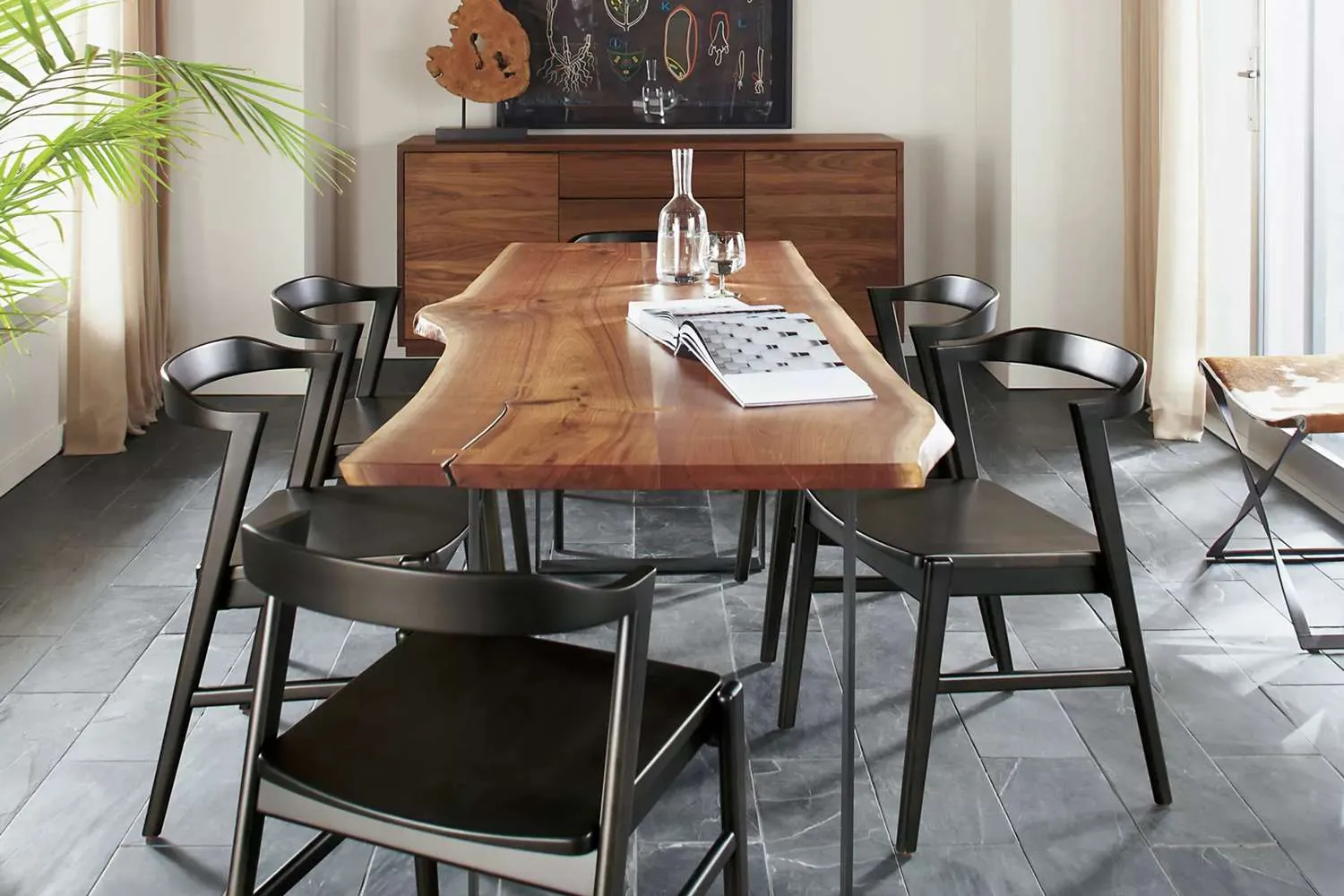
- Ignoring seat depth measurements causes uncomfortable dining experiences where guests slide forward or can’t reach the table edge.
- Choosing light-colored linen for households with young children leads to permanent stains within months despite fabric protector claims.
- Buying chairs without checking table apron clearance results in expensive returns when seats physically won’t tuck underneath.
- Prioritizing style over weight capacity creates safety hazards for larger guests on decorative but structurally weak frames.
- Skipping assembly instructions for flat-pack chairs produces wobbly joints that fail prematurely under normal daily use.
Frequently asked questions
Can I buy dining chairs individually?
Yes, most retailers sell single chairs, though per-unit cost often runs 10-20% higher than bundled sets. Check product pages carefully because some listings require minimum quantities of two or four. Individual purchases make sense for replacing one damaged chair or testing comfort before committing to a full set.
Why are solid wood chairs so expensive?
Solid hardwood chairs are typically expensive relative to the alternative because lumber prices fluctuate and skilled joinery takes hours per piece. Veneered alternatives use thin wood layers over engineered cores, cutting material costs dramatically. The price gap reflects labor intensity and raw material scarcity, not necessarily superior daily comfort or immediate visual appeal.
How long does custom chair delivery take?
Custom upholstered dining chairs usually arrive in 8-14 weeks from order confirmation, depending on fabric availability and workshop backlog. Domestic makers sometimes ship faster than imported goods stuck in port delays. Always get a written estimated completion date before paying deposits, as verbal promises rarely hold up during supply disruptions.
Is it safe to buy chairs online unseen?
It’s generally safe if the retailer offers free returns and detailed dimension diagrams, but you risk comfort mismatches. Seat firmness and back curvature are impossible to judge from photos alone. Mitigate this by ordering one sample chair first or choosing brands with generous trial periods that cover return shipping costs.
What happens if chairs arrive damaged?
Document damage with photos before signing delivery paperwork, then file claims within the retailer’s specified window, typically 48-72 hours. Most companies replace individual damaged pieces rather than requiring full set returns. Keep all packaging materials until inspection is complete, as carriers often deny claims lacking original box evidence.
Does chair weight capacity matter for home use?
Lightweight decorative chairs rated below this threshold may crack under normal adult use. Weight ratings appear in product specifications; if absent, assume the chair isn’t tested for durability and seek alternatives with published load data.
How do I match existing chairs exactly?
Exact matches are nearly impossible unless you know the manufacturer, model number, and production year from labels underneath original chairs. Wood stain batches and fabric dye lots vary between production runs. Your best option is bringing a physical sample to an upholsterer who can source matching materials or create complementary new pieces.
Conclusion
Your final choice balances three competing factors: budget, timeline, and tactile confidence. No single retailer optimizes all three, so identify which constraint matters most before browsing. Spending twenty minutes measuring your space and testing one sample chair prevents costly returns better than any amount of online research.