
You can identify the style of a chair by observing its structural elements, joinery methods, and frame silhouette. By examining the backrest shape, leg style, and upholstery details, you can categorize your piece into a historical or contemporary design movement. Most antique pieces follow patterns established by iconic makers, while modern versions often borrow traits from mid-century or industrial design eras.
Key Takeaways
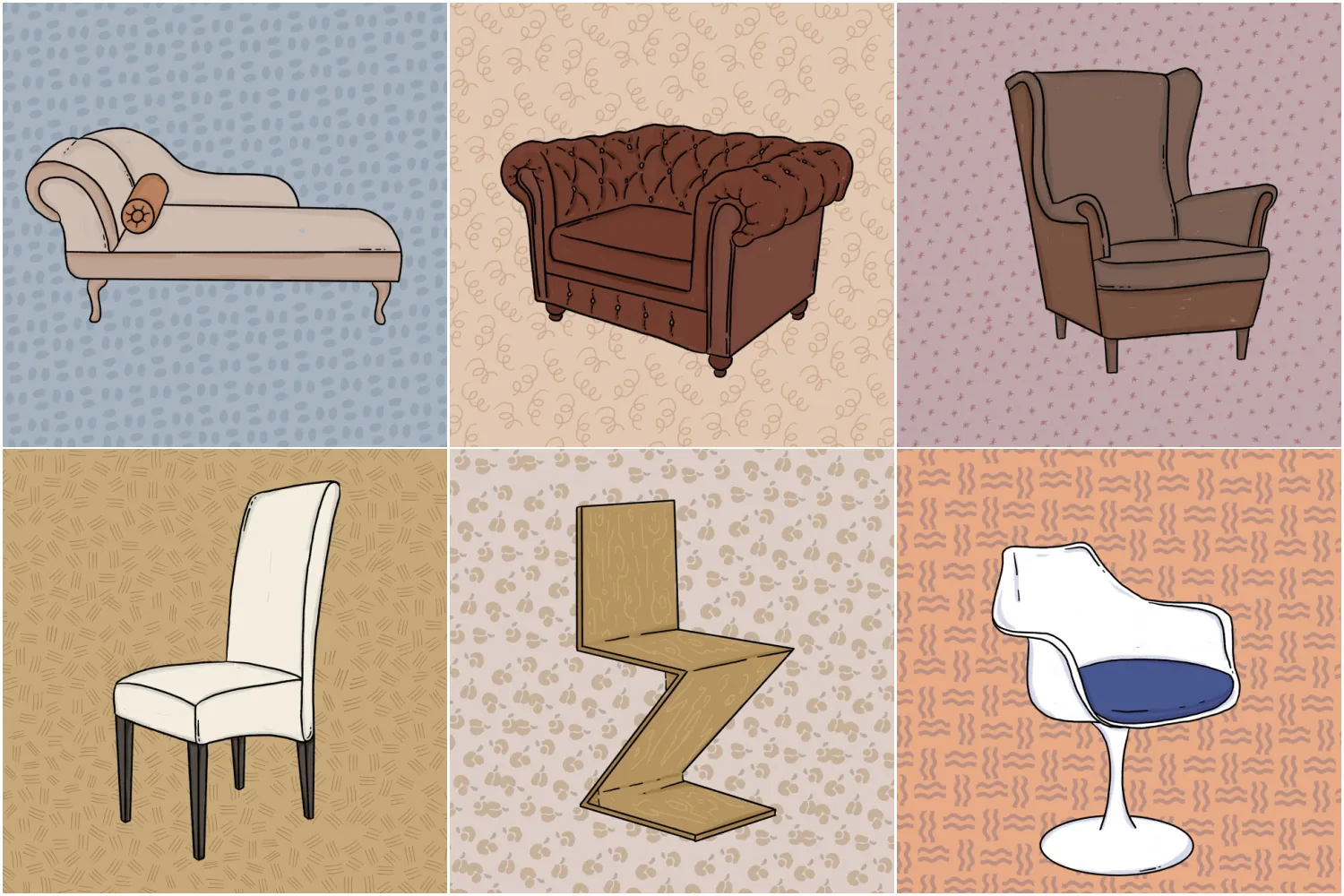
- Check underneath the seat frame for manufacturer stamps or metal tags.
- Note if the joinery uses wooden dowels or modern metal screws.
- Identify the back shape, such as shield, ladder, or medallion styles.
- Feel the weight and grain of the wood to determine material quality.
- Use online databases to match your visual findings with historical records.
What Style of Chair Is This?
To determine the identity of your chair, start with the silhouette. A wingback chair features side panels extending from the backrest, while a ladder-back chair is defined by horizontal slats across the rear. Look at the legs; cabriole legs curve outward and inward like an “S,” common in Queen Anne furniture, whereas tapered legs suggest a more minimalist or Federal style. If you see deep button tufting on the upholstery, you’re likely looking at a Chesterfield design.
Structural Clues for Identification
| Feature | Design Style | Typical Era |
|---|---|---|
| Cabriole Leg | Queen Anne / Rococo | 1700s |
| Tapered Leg | Federal / Hepplewhite | 1780-1810 |
| Spindle Back | Windsor / Shaker | 18th Century |
| Tubular Steel | Bauhaus / Modern | 1920s-Present |
| Blocky Frame | Mission / Arts & Crafts | 1900-1920 |
Examining Joinery and Hardware
The way your chair is held together tells a story about its manufacturing date. Hand-cut dovetails or mortise-and-tenon joints usually indicate a piece made before the widespread adoption of industrial machinery. If you find visible Phillips-head screws, the chair is likely a mass-produced item from the mid-20th century or later. Examine the Furniture Standards set by the American National Standards Institute to understand how modern safety and durability testing influences current chair construction.
Pro Tip: Look for “distressing” that looks too perfect or uniform; this often indicates a factory-made reproduction rather than authentic vintage wear.
Identifying Common Wood Species
The material of the frame provides a major hint. Hardwoods like oak, mahogany, and walnut were staples of high-end furniture throughout the 18th and 19th centuries. If the wood appears lightweight, porous, or exhibits a very uniform grain, it might be pine or a modern composite material used in budget-friendly furniture.
- Mahogany: Dark, reddish-brown, often used in formal Chippendale styles.
- Oak: Prominent, wavy grain, common in Mission or Arts & Crafts pieces.
- Walnut: Rich brown, often featured in mid-century modern Scandinavian designs.
- Beech: Pale, tight grain, frequently used for bentwood chairs.
How Do Backrests Define Style?
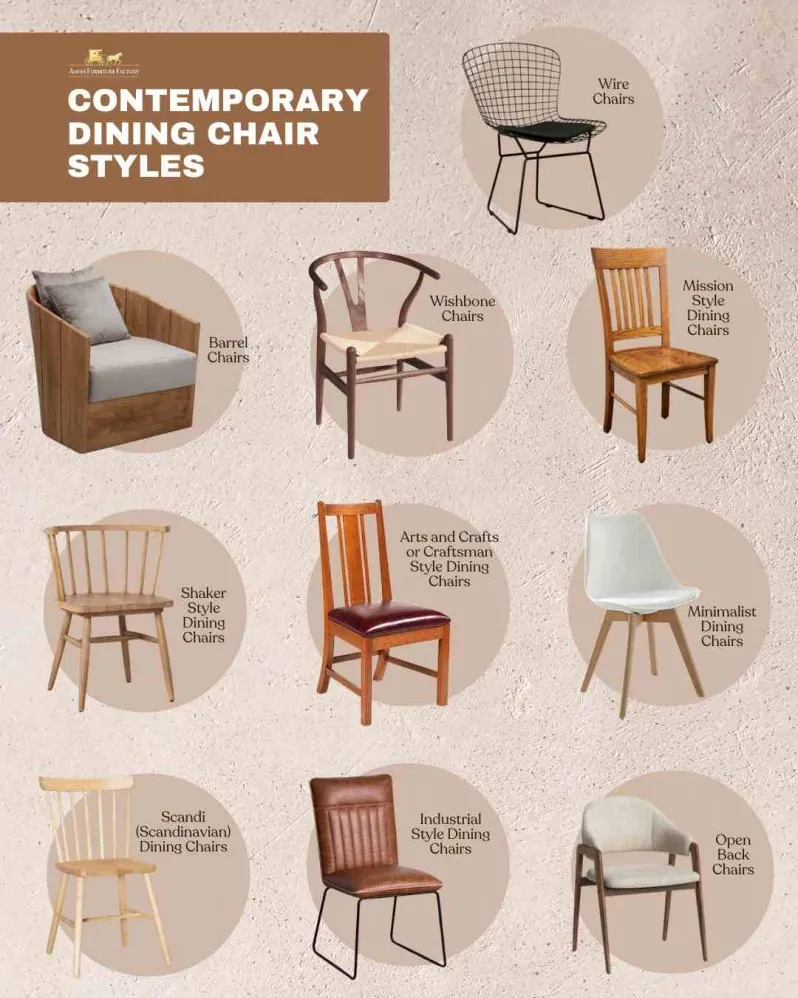
The backrest is often the most expressive part of a chair. A medallion back is oval and ornate, typical of Victorian styles. A shield back is shaped like a heraldic shield, a hallmark of Hepplewhite designs. If the back is comprised of vertical spindles attached to a wooden seat, it’s almost certainly a Windsor variant.
Comparing Backrest Profiles
| Backrest Type | Common Associations | Aesthetic Goal |
|---|---|---|
| Shield Back | Federal Period | Elegance / Symmetry |
| Ladder Back | Country / Shaker | Simplicity / Utility |
| Button Tufted | Chesterfield / Regency | Luxury / Comfort |
| Open Slat | Mid-Century Modern | Airiness / Flow |
Assessing Upholstery and Fabric
If your chair is upholstered, the fabric choice can be a misleading indicator because it may have been replaced multiple times. However, the method of upholstery is telling. Webbing, burlap, and horsehair stuffing are signs of traditional craftsmanship. Modern foam and synthetic webbing are indicators of assembly-line manufacturing.
Warning: Be cautious when removing original fabric; antique pieces may contain hazardous materials like lead-based paint or old padding that requires professional handling.
Is Your Chair a Reproduction?
Many chairs are “revival” pieces. For example, a chair might look like a 1700s piece but feature machine-carved details. Check for symmetry in the carvings; hand-carved elements usually exhibit slight, natural variations, while machine-carved details are perfectly identical throughout the piece.
Where to Find Maker Marks
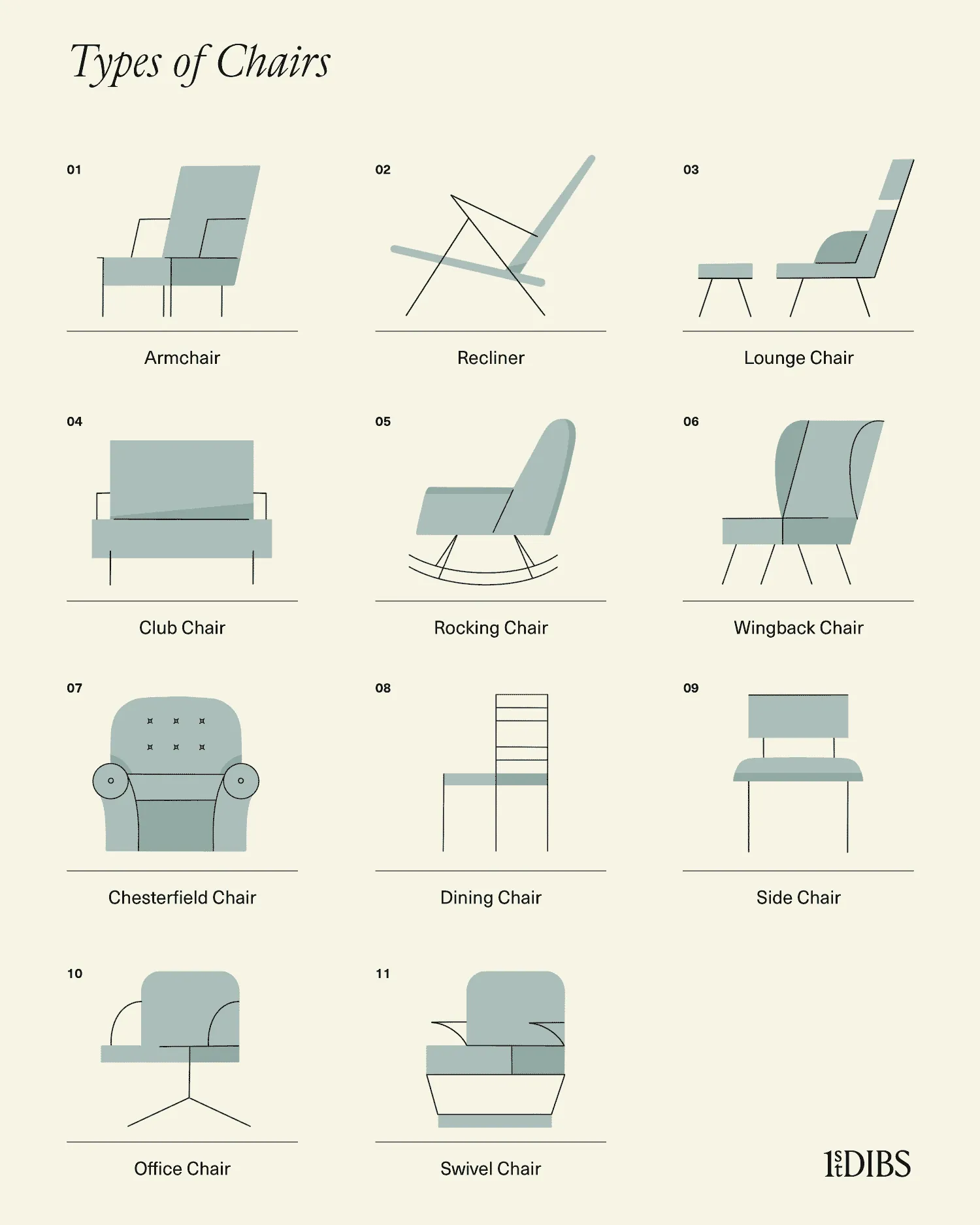
Flip the chair over. Look for brand stamps, paper labels, or metal plates. Common manufacturers to look for include:
- Herman Miller: Known for iconic Eames designs.
- Knoll: Famous for mid-century modern office and home chairs.
- Stickley: Renowned for high-quality Mission and Craftsman furniture.
- Thonet: Famous for bentwood café chairs.
Frequently Asked Questions
How can I tell if my chair is antique?
An antique is generally defined as being over 100 years old. Look for signs of hand-tool marks, oxidation on metal fasteners, and wood shrinkage that creates slight gaps in joints. If the chair uses uniform, modern screws or has a “distressed” finish that looks stamped on, it’s likely a modern reproduction.
Why does my chair have a metal tag?
Metal tags or paper labels are typically found on mass-produced furniture from the 20th century. Companies like Drexel, Ethan Allen, or Herman Miller used these to identify the model, date of manufacture, and collection. These tags are excellent for searching online databases to find the exact production year of your specific piece.
What is the difference between vintage and antique?
“Antique” refers to items at least 100 years old. “Vintage” is a broader term usually covering items made between 20 and 99 years ago. A chair from the 1960s is considered vintage mid-century modern, but it isn’t an antique. This distinction is important for collectors who value age and historical scarcity.
Does the wood species change the value?
Yes, wood species significantly impact value. Rare, solid hardwoods like mahogany, walnut, or cherry generally command higher prices than softwoods like pine or manufactured materials like particle board. However, the craftsmanship and the designer’s reputation often outweigh the wood type in terms of total market demand and resale price.
Can I identify a chair by its shape alone?
Shape is the best starting point, but it’s rarely enough on its own. Many styles share similar profiles. For example, both Windsor and Shaker chairs feature spindles, but their construction methods and leg shapes differ. Always combine your visual observation of the silhouette with an inspection of the joinery and any available maker marks.
Conclusion
Start your investigation by taking clear, well-lit photographs of the chair from the front, side, and underneath. Use these photos to perform a reverse image search or compare them against catalogs available through local library archives. Once you have identified the era and potential maker, you’ll better understand how to care for, restore, or value your piece.