
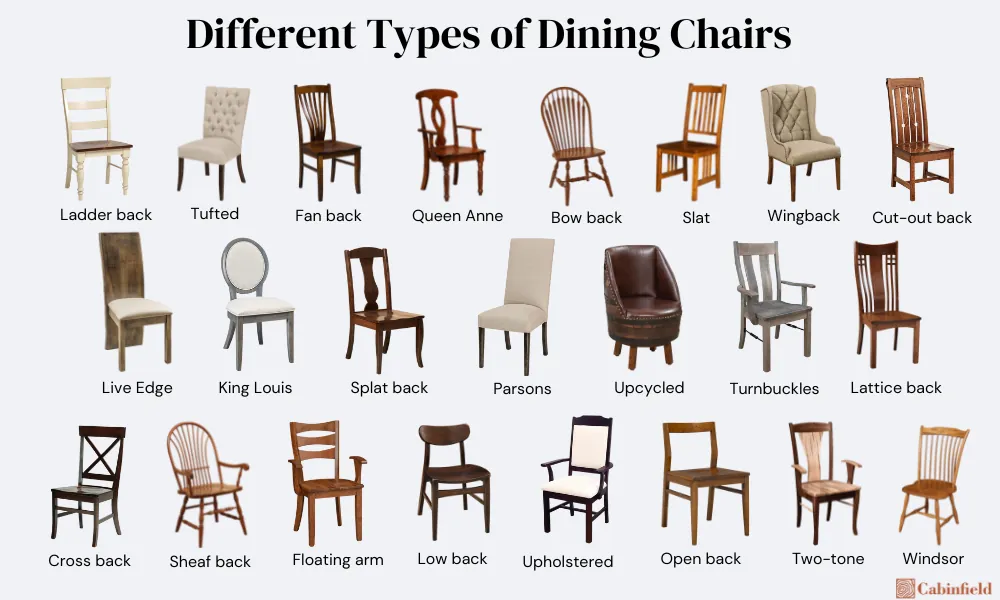
To identify the specific category for your furniture, you must examine the frame, material, and intended use, as the classification of a chair depends entirely on the design features present. You can distinguish between common types by looking at the back height, armrest style, and the presence of upholstery.
If the chair has a rigid frame and no padding, it’s likely a dining or side chair intended for upright posture. If it features deep cushioning and a reclined angle, it falls into the lounge category. A common mistake is assuming a chair’s name based on its fabric; however, the shape determines the type, not the color or pattern.
How to tell what kind of chair it is
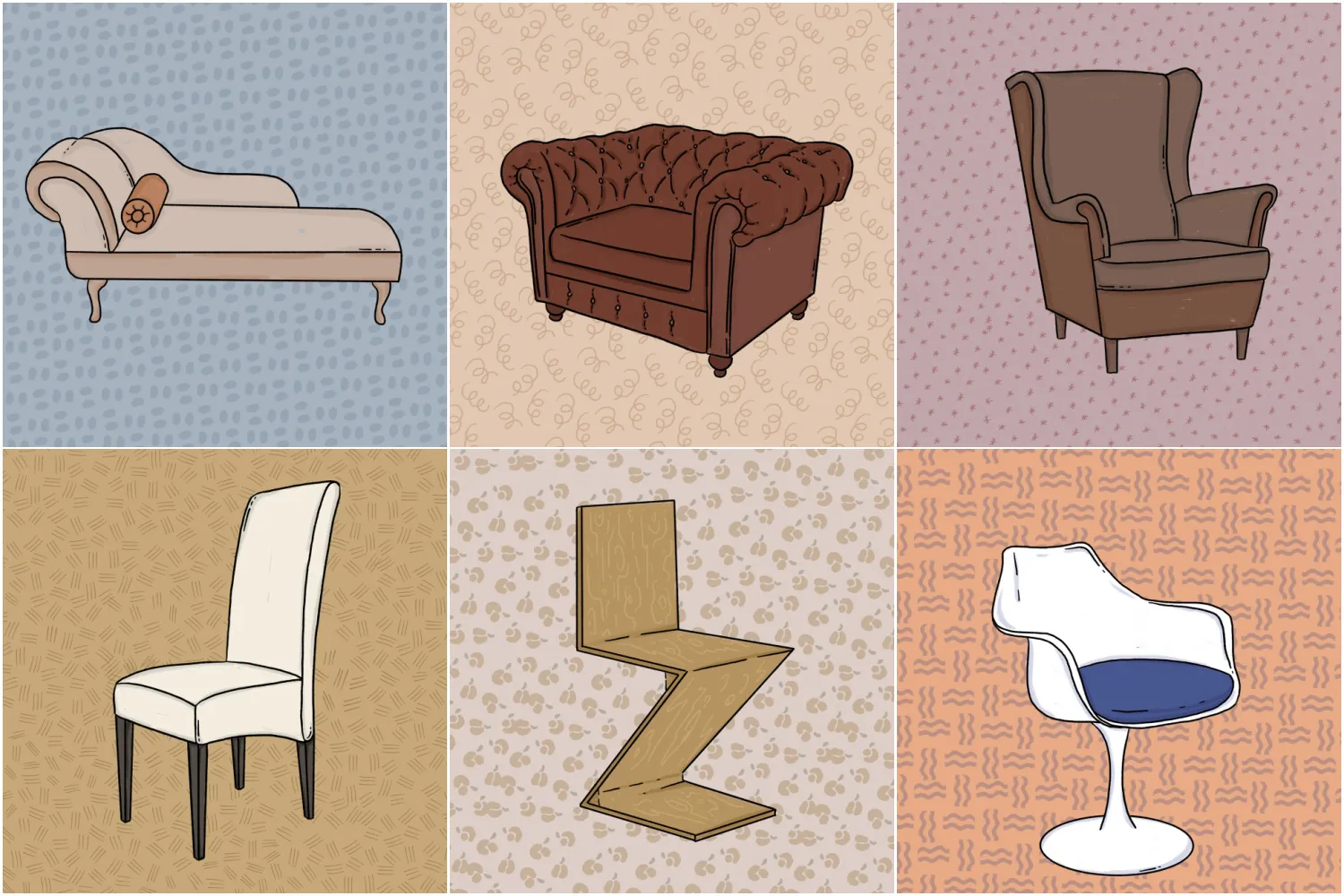
- Check the height of the backrest. A backrest that ends at your shoulder blades is standard for dining, while one that supports your head is usually a wingback or lounge chair.
- Examine the base for wheels or a swivel mechanism. If it has five spokes and casters, it’s an office or task chair, which is designed according to ergonomic standards set by the American National Standards Institute.
- Look for wood or metal exposed on the frame. Mid-century modern designs often show clean, tapered wooden legs, whereas industrial styles frequently use raw steel or iron.
- Test the seat depth. A depth of 18 inches or less is meant for task-oriented seating, while anything deeper is designed for relaxing.
- Identify the armrests. Fixed, padded arms suggest a traditional armchair, while “armless” designs are meant for tight spaces or minimalist aesthetics.
Tip: If you’re unsure, look under the seat for a manufacturer’s tag or a serial number, which often lists the specific model name.
Tip: Never attempt to disassemble a recliner to identify it, as the internal tension springs can cause injury if released without the proper tools.
Comparing Common Chair Styles
| Style | Best Use | Key Feature | What Changes It |
|---|---|---|---|
| Dining | Eating | Upright back | Table height |
| Lounge | Relaxing | Deep seat | Cushion density |
| Task | Working | Adjustable | User height |
| Accent | Decor | Unique shape | Room size |
If your chair doesn’t fit these categories, it may be a custom or antique piece that follows design rules from a specific historical period.
Signs of Chair Quality
You can verify the build quality by checking the joints and the weight of the frame. A high-quality chair should feel stable without any wobbling when you shift your weight. Check for corner blocks in the frame, which are small triangular pieces of wood that reinforce the legs.
If you see staples instead of screws or dowels, the chair is likely a mass-produced, lower-cost item. The U.S. Consumer Product Safety Commission provides guidance on furniture stability, which is the most reliable way to ensure a piece is safe for daily use.
Errors That Damage Furniture
- Ignoring weight limits: Overloading a chair beyond its intended capacity weakens the joints and can lead to sudden collapse. Always check the manufacturer’s weight rating before placing heavy items or multiple people on a seat.
- Using harsh chemicals: Cleaning wood or leather with household bleach or abrasive solvents strips the protective finish and causes cracking. Use only mild soap and water or products specifically recommended for the material type.
- Dragging across floors: Moving a chair by sliding it causes uneven stress on the legs and can snap the joints over time. Always lift the chair completely off the floor when repositioning it to keep the frame square.
Frequently asked questions
How can I tell if my chair is vintage?
You can tell a chair is vintage by looking for hand-cut joinery, such as dovetails, or by finding a maker’s mark from a known furniture house. Pieces manufactured before the 1960s often use solid wood rather than particle board, which is a primary indicator of older, higher-quality craftsmanship.
Is it safe to use a wobbly chair?
No, it isn’t safe to use a wobbly chair because the instability indicates failed joints that could give way under pressure. If you can’t tighten the screws or glue the joints back into a solid position, you should stop using the piece to avoid a fall or injury.
What happens if I sit on a chair meant for decor?
You risk breaking the frame because decorative chairs are often built with lighter materials that can’t support human body weight. These pieces are intended for visual appeal rather than structural load, so they lack the reinforcement found in standard seating furniture designed for daily use.
Can I replace the fabric on any chair?
Yes, you can replace the fabric on most chairs, but the difficulty depends on how the upholstery is attached to the frame. Chairs with removable seat pans are easy to recover, while those with tufted backs or complex curves require professional tools and significant experience to reupholster correctly.
How long should a good chair last?
A well-made chair should last for a significant period with proper care and regular maintenance. The lifespan depends heavily on the quality of the internal frame materials and how often the chair is used, so a dining chair used daily will wear out faster than an accent chair.
What is the standard seat height for a chair?
The standard seat height is 18 inches from the floor to the top of the cushion. This measurement is designed to allow the average person’s feet to rest flat on the ground while their knees remain at a comfortable 90-degree angle for healthy posture.
Conclusion
Once you’ve pinned down these details, you’ll have a much clearer picture of your piece’s history and value. Don’t be afraid to reach out to a local antique dealer or check online furniture forums if you’re still stuck. You’ll find that learning about your home’s history is truly rewarding.