
The most comfortable office chair is universally recognized as the Herman Miller Aeron due to its pioneering ergonomic mesh design and extensive adjustability, though the Steelcase Gesture and Haworth Fern are equally top-tier alternatives depending on individual body mechanics. Prices for these premium ergonomic models typically range from $800 to $1,800 new, while certified refurbished options generally cost between $400 and $750, offering significant savings without sacrificing essential support features or manufacturer warranties.
Key Takeaways
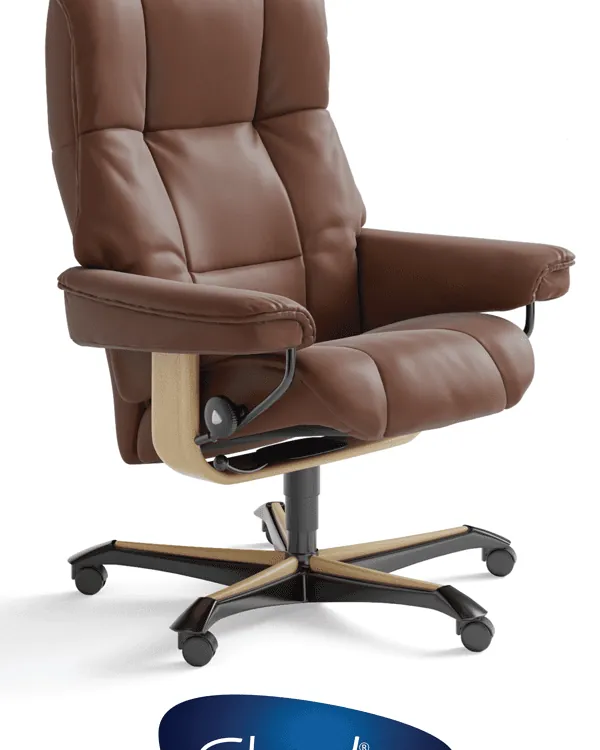
- Herman Miller Aeron remains the industry benchmark for breathability and zoned suspension support across three distinct size configurations.
- Steelcase Gesture offers superior adaptability for modern device usage with armrests that mimic human arm movement patterns.
- Seat depth adjustment is non-negotiable for preventing pressure behind the knees and maintaining proper lumbar contact.
- Synchro-tilt mechanisms maintain optimal eye level and foot placement during recline, unlike basic rocking chairs.
- Certified refurbished dealers provide legitimate warranty coverage at nearly half the price of brand-new inventory.
- Personal fit testing matters more than aggregate review scores because anthropometry varies significantly between individuals.
What Is the Most Comfortable Office Chair?
Comfort is subjective, but ergonomic science identifies specific features that reduce musculoskeletal strain during prolonged sitting. The Herman Miller Aeron consistently tops expert lists because its Pellicle mesh distributes weight evenly while allowing airflow, eliminating hot spots common in foam seats.
According to OSHA computer workstation guidelines, a chair must be adjustable in height, backrest angle, and seat depth to qualify as ergonomically sound. The Aeron meets every criterion while adding size-specific engineering that accommodates the fifth percentile female through the ninety-fifth percentile male.
Top Contenders for Ergonomic Support
Herman Miller Aeron
This model defines zoned suspension with three sizes (A, B, C) rather than one-size-fits-all dimensions. The PostureFit SL mechanism supports both sacral and lumbar regions independently, adapting to spinal curvature changes throughout the day. Its forward tilt function engages core muscles during active typing tasks, reducing disc pressure compared to static upright postures.
Steelcase Gesture
The Gesture excels at dynamic arm support with 360-degree armrest movement that mirrors natural shoulder articulation. This design accommodates tablets, phones, and keyboards without forcing users to abandon back contact. The LiveBack technology flexes continuously to match spinal shape shifts, making it ideal for people who change positions frequently throughout extended work sessions.
Haworth Fern
Fern’s spinal mimicry structure uses a flexible stem-and-rib system instead of traditional foam padding. This creates micro-movements that encourage healthy posture variation without conscious effort. The chair lacks hard edges entirely, eliminating pressure points that develop after hours of sitting, particularly beneficial for users sensitive to rigid frame contact along thigh edges.
Essential Adjustability Features Explained
| Feature | Function | Why It Matters |
|---|---|---|
| Seat Depth Slider | Moves seat pan forward/backward | Maintains 2-3 finger gap behind knees |
| Synchro-Tilt | Reclines seat and back proportionally | Keeps feet flat and eyes level |
| Lumbar Height | Positions support at curve apex | Prevents slouching and lower back fatigue |
| Armrest Width | Adjusts medial/lateral position | Supports elbows without shoulder elevation |
Critical Fit Metrics Over Brand Loyalty
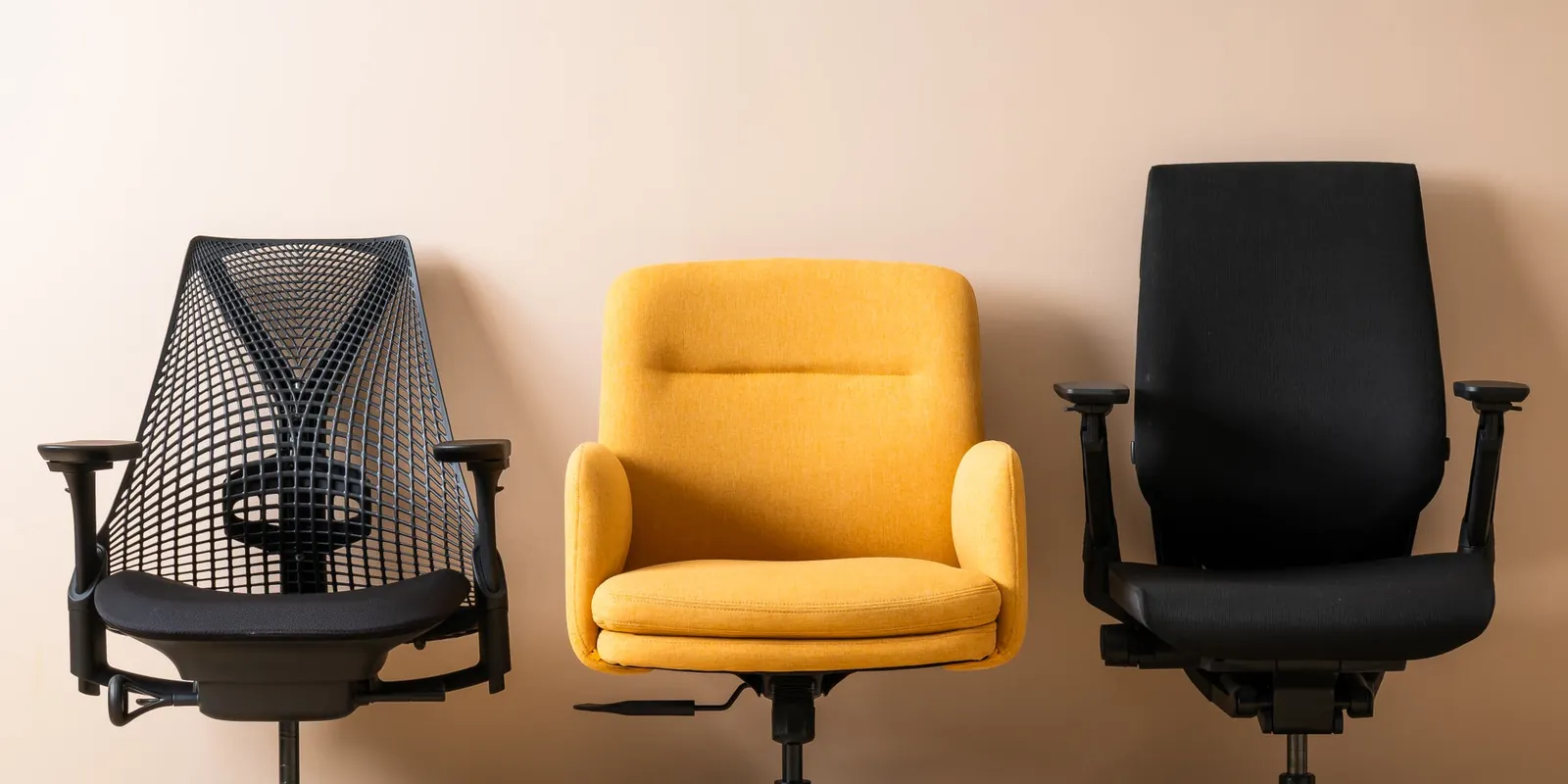
Brand reputation can’t compensate for poor dimensional matching. Seat width must allow two inches of clearance on each side of hips to prevent compression. Backrest height should align with your thoracic spine when fully upright, not dig into shoulder blades or stop at mid-back. Users outside average anthropometric ranges often find better comfort in size-specific models like the Aeron Size A or specialized big-and-tall chairs rather than standard universal designs.
Mesh Versus Foam Cushioning Tradeoffs
Breathable mesh eliminates heat buildup and provides even pressure distribution but can feel firm initially and may create edge pressure if poorly designed. High-density foam offers immediate plushness and familiar cushioning but retains body heat and compresses permanently over years of use. Hybrid approaches combining mesh backs with foam seats attempt to balance thermal regulation with soft contact surfaces, though they sacrifice some durability benefits of all-mesh construction.
Budget Alternatives With Real Ergonomics
Premium pricing excludes many buyers, yet several sub-$500 chairs deliver genuine ergonomic value. The Sihoo Doro C300 includes synchro-tilt, adjustable lumbar, and seat depth sliders rarely found below $400. Branch Ergonomic Chair offers comparable adjustability to mid-range competitors at roughly $350, though build quality reflects the price difference. Avoid gaming chairs marketed as ergonomic; their bucket-seat geometry forces shoulders forward and lacks independent lumbar adjustment necessary for sustained desk work.
Warning Signs of Poor Design
Pro Tip: Ignore marketing terms like “ergonomic” unless verified by specific adjustable components listed in product specifications. Chairs lacking seat depth adjustment force users into compromised postures regardless of lumbar claims. Fixed armrests create shoulder strain for anyone outside narrow height ranges. Rocking mechanisms without tension control or lock positions encourage perching on seat edges rather than utilizing full back support. These omissions signal furniture designed for appearance rather than sustained occupational use.
Testing Before Committing to Purchase
Return policies vary dramatically between retailers and direct manufacturers. Authorized dealers often provide 30-day trials with free return shipping, while marketplace sellers may charge restocking fees exceeding $100. Test chairs for minimum two-hour sessions across multiple days; initial impressions mislead because bodies require adaptation periods. Document specific discomfort locations and timing to distinguish break-in soreness from fundamental fit incompatibility before return windows expire.
Refurbished Options Worth Considering
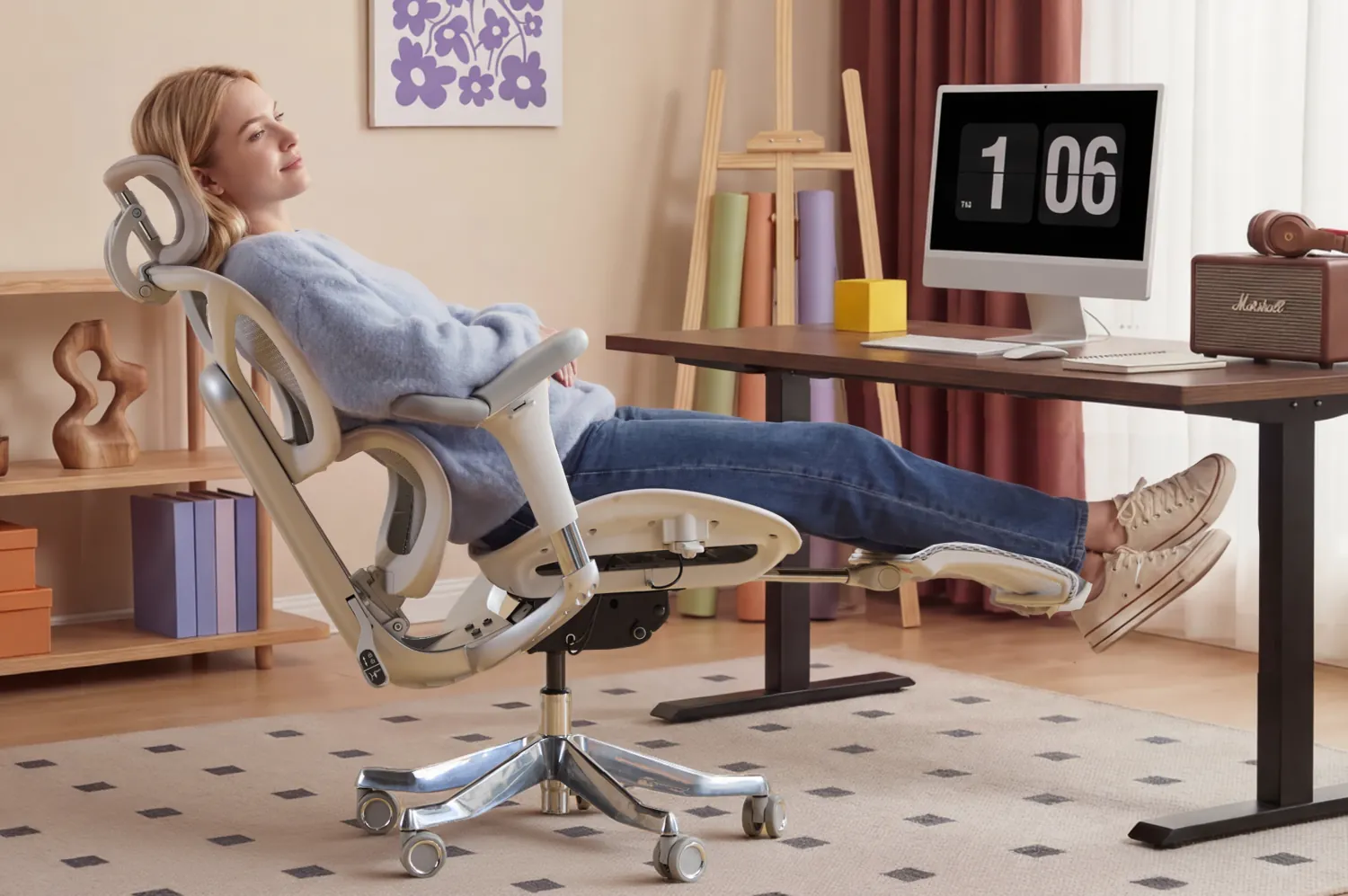
Certified pre-owned programs from authorized refurbishers offer substantial savings with legitimate warranties. Crandall Office and Madison Seating inspect and replace worn components before resale, distinguishing them from unverified marketplace listings. Expect cosmetic imperfections but functional equivalence to new units. Verify warranty terms explicitly cover mechanical failures, not just cosmetic defects, and confirm return eligibility matches new-product policies to avoid being locked into unsuitable purchases.
Frequently Asked Questions
How long should an office chair last?
Quality ergonomic chairs typically last seven to fifteen years with daily use. Mesh suspensions may require replacement after eight years, while mechanical bases often survive decades. Manufacturer warranties ranging from twelve to fifteen years indicate expected lifespan confidence. Budget chairs under $300 usually show significant degradation within three to five years of regular eight-hour daily use.
Are expensive chairs worth the investment?
For full-time desk workers, premium chairs justify costs through injury prevention and productivity maintenance. Medical expenses from chronic back pain exceed chair prices quickly. Part-time users or those taking frequent breaks may achieve adequate comfort with mid-range options. Calculate hourly cost over expected lifespan rather than upfront price alone when evaluating value propositions.
Can I make a cheap chair more comfortable?
Aftermarket lumbar pillows and seat cushions provide temporary relief but can’t fix fundamental dimensional mismatches. Adjustable footrings help shorter users achieve proper thigh angles on fixed-height seats. However, no accessory compensates for missing synchro-tilt mechanisms or inadequate seat depth adjustment. Consider accessories as supplements to already-functional chairs, not corrections for inherently flawed designs.
What chair is best for back pain?
No single chair cures back pain, but models with independent lumbar height and depth adjustment accommodate individual spinal curvatures best. The Steelcase Leap V2 and Herman Miller Embody receive frequent recommendations from physical therapists for their adaptive back systems. Always consult healthcare providers for persistent pain, as chair selection addresses symptoms rather than underlying medical conditions requiring professional diagnosis.
Do ergonomic chairs require assembly?
Most premium chairs arrive fully assembled or require minimal tool-free attachment of gas cylinders and casters. Budget options typically need thirty to sixty minutes of assembly with included tools. Professional assembly services exist through retailers for $50-$100 if mobility limitations or time constraints make self-assembly impractical. Retain packaging until confirming satisfactory fit during trial periods.
Conclusion
Visit an authorized dealer showroom to test your top three candidates personally, spending at least thirty minutes in each while simulating actual work tasks to validate comfort claims against your unique body dimensions before purchasing.