
The best desk chair is an ergonomic task chair with adjustable lumbar support, seat depth, and armrests that maintain neutral spinal alignment during prolonged sitting. Prices for genuinely supportive models typically range from $350 to $1,200, though certified ergonomic options exist between $200 and $2,500 depending on build quality, warranty length, and customization features available from reputable manufacturers specializing in workplace health equipment.
Key Takeaways
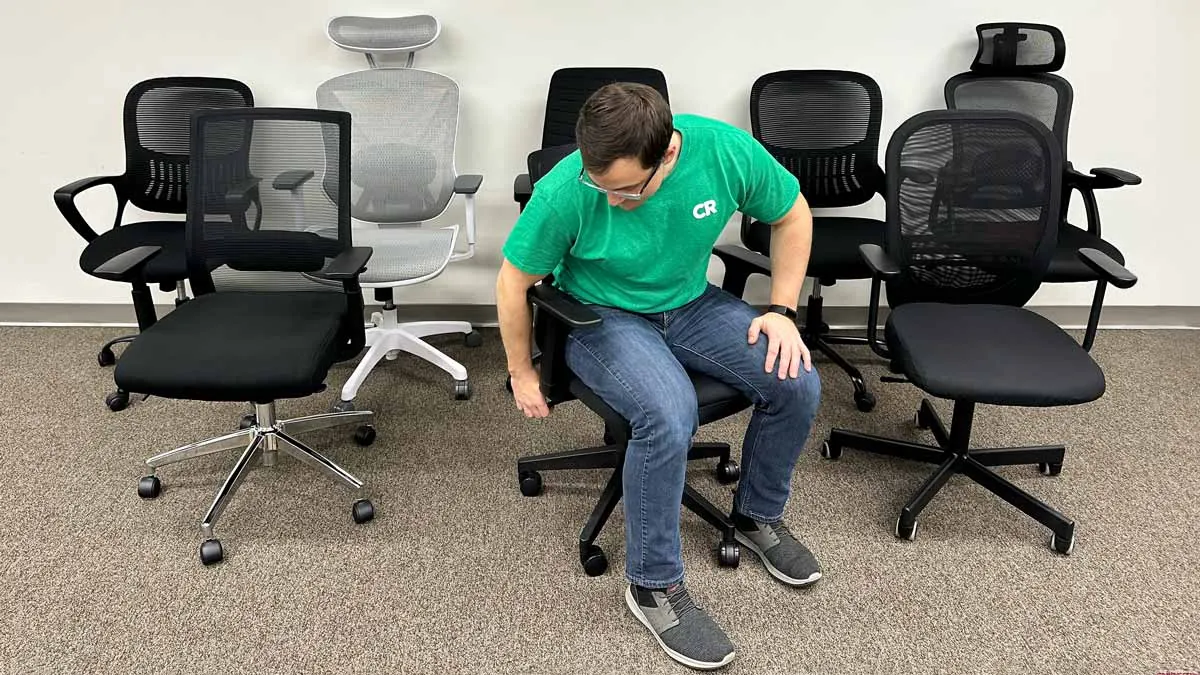
- Prioritize adjustable lumbar support over fixed cushions to match your specific spinal curvature and prevent lower back fatigue.
- Verify seat depth adjustment exists to ensure two to four fingers fit between the seat edge and your knees.
- Choose synchro-tilt mechanisms instead of basic rocking chairs to keep feet flat while reclining safely.
- Confirm BIFMA certification to guarantee structural integrity, durability testing, and safety standards compliance.
- Test armrest adjustability in four dimensions to prevent shoulder elevation and neck strain during typing.
- Select breathable mesh or high-density foam based on personal temperature regulation needs and pressure distribution preferences.
What Is the Best Desk Chair
Identifying the optimal seating solution requires matching specific mechanical adjustments to individual anthropometric measurements rather than chasing marketing hype. The ideal chair supports the natural S-curve of the spine through customizable tension controls and dynamic movement.
According to ergonomic guidelines from OSHA, a proper chair must have a backrest that supports the lumbar region, adjustable seat height, and stable five-point bases to minimize musculoskeletal disorder risks. Focus on functional adjustability ranges that accommodate your specific body proportions for sustained comfort throughout the workday.
Essential Ergonomic Adjustments
Lumbar Support Systems
Effective lumbar support must be vertically adjustable to target the L3-L5 vertebrae precisely. Fixed lumbar pads often miss the correct anatomical location, causing discomfort after thirty minutes. Look for chairs offering both height and depth adjustment in the lumbar mechanism to accommodate varying spinal curvatures and torso lengths effectively.
Seat Depth Mechanisms
Proper seat pan depth prevents circulation restriction behind the knees while supporting the thighs adequately. A sliding seat mechanism allows users to customize this critical dimension independently of backrest position. Without this adjustment, shorter users experience pressure points while taller users lack sufficient thigh support, leading to postural compensation and eventual pain.
Critical Mechanical Features
Synchro-tilt mechanisms coordinate backrest and seat pan movement at a 2:1 ratio, maintaining open hip angles during recline. This contrasts sharply with simple center-tilt designs that lift feet off the floor and increase thigh pressure. Quality synchro systems include multi-position locks and adjustable tension knobs calibrated to user weight for effortless movement transitions.
Warning: Avoid chairs marketed as “ergonomic” that lack independent back angle adjustment or tension control, as these can’t adapt to different working postures or body weights safely.
Material Selection Guide
| Material Type | Durability Rating | Breathability | Pressure Distribution | Maintenance Level |
|---|---|---|---|---|
| Elastomeric Mesh | High | Excellent | Moderate | Low |
| High-Density Foam | Very High | Poor | Excellent | Medium |
| Leather/Vinyl | Medium-High | Poor | Good | High |
| Woven Fabric | Medium | Good | Good | Medium |
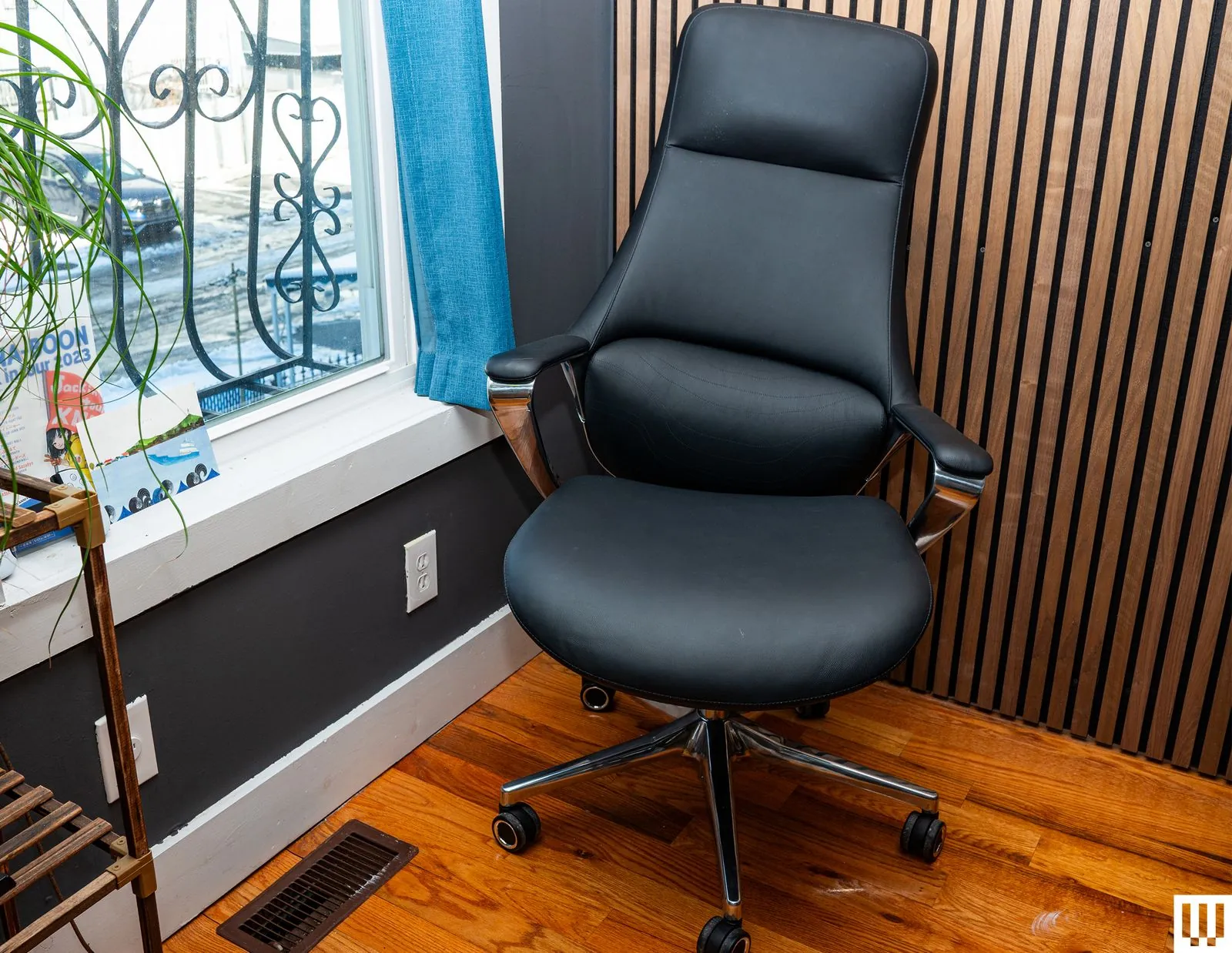
Mesh backs provide superior airflow but may create frame pressure points for heavier users. High-density molded foam seats distribute weight evenly across contact surfaces without bottoming out over years of use. Consider hybrid constructions combining mesh backrests with cushioned seats to balance thermal comfort with pressure relief for extended sitting sessions exceeding six hours daily.
Understanding Safety Certifications
BIFMA certification validates that furniture meets rigorous performance, durability, and safety standards established by the Business and Institutional Furniture Manufacturers Association. This voluntary standard tests cycle counts, structural integrity, and stability under load conditions far exceeding normal office use. Uncertified chairs may fail prematurely or pose tipping hazards, making third-party verification essential when evaluating manufacturer claims about product longevity and workplace safety compliance.
Budget Versus Performance Tradeoffs
| Price Tier | Typical Warranty | Adjustment Range | Expected Lifespan | Build Quality |
|---|---|---|---|---|
| Under $300 | 1-2 Years | Limited | 2-4 Years | Basic Components |
| $300-$800 | 5-10 Years | Comprehensive | 7-12 Years | Commercial Grade |
| Over $800 | 12+ Years | Fully Customizable | 15+ Years | Premium Materials |
Investment correlates directly with component quality and warranty coverage in the ergonomic seating market. Mid-range commercial chairs often deliver ninety percent of premium model functionality at half the cost. Prioritize comprehensive adjustability and robust warranties over aesthetic upgrades or brand prestige when budget constraints require strategic compromises on non-essential features.
Proper Fitting Procedures
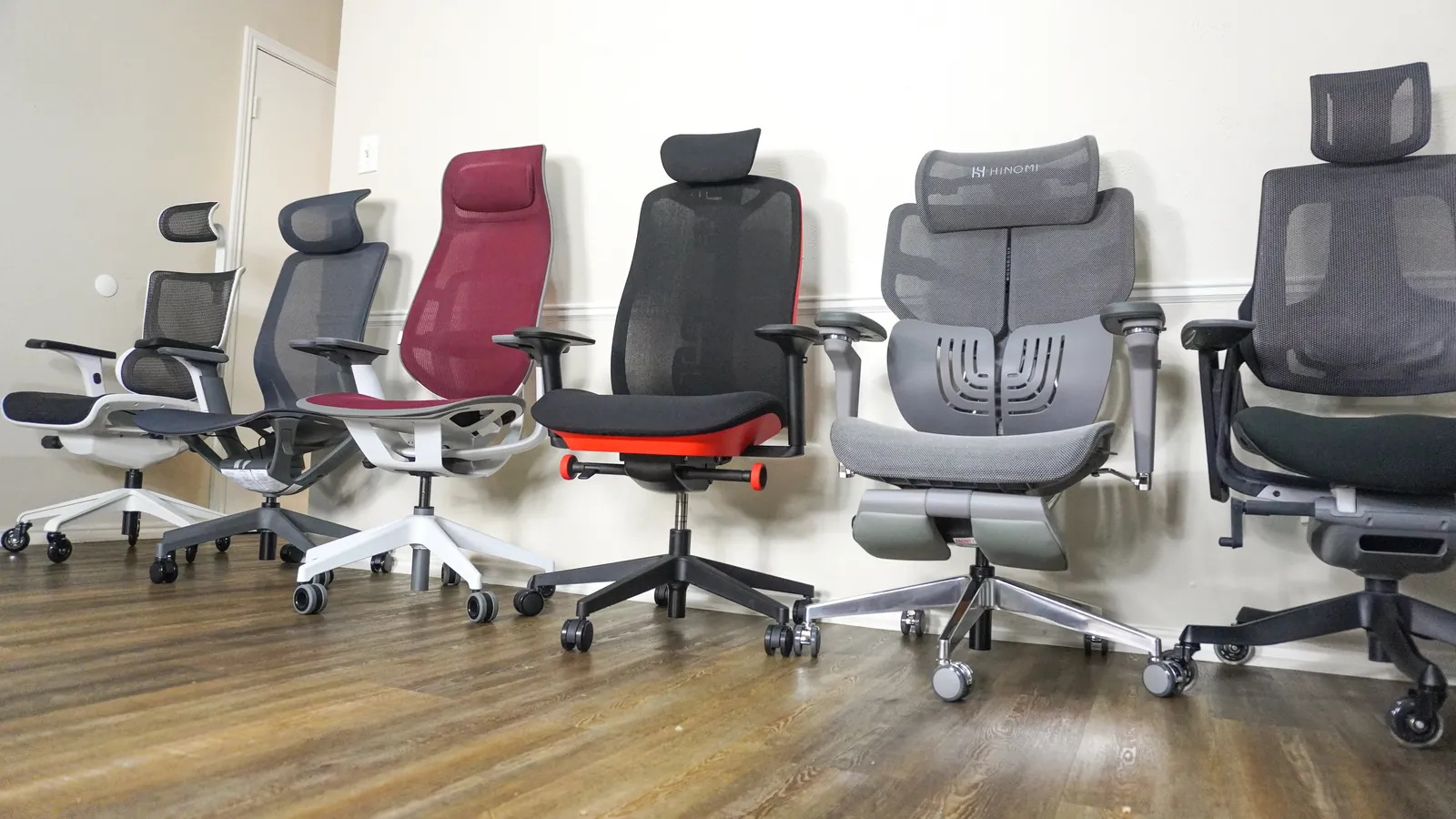
Achieving optimal ergonomics requires systematic adjustment after purchase rather than assuming factory settings suit your body. Set seat height so elbows rest at ninety degrees with shoulders relaxed. Adjust lumbar support to fill the natural curve above your pelvis. Configure armrests to support forearms without elevating shoulders or forcing outward rotation. Fine-tune tilt tension until recline requires minimal effort while returning smoothly to upright position.
Pro Tip: Re-evaluate all adjustments seasonally as clothing thickness changes and periodically reassess fit after any significant weight change or workstation modification to maintain proper alignment.
Frequently Asked Questions
How long should a good office chair last?
Quality commercial-grade ergonomic chairs typically last seven to fifteen years with regular use, depending on build quality and maintenance. Premium models with twelve-year warranties often exceed this timeframe significantly. Budget chairs under three hundred dollars usually require replacement within two to four years due to foam degradation, mechanism failure, or fabric wear that compromises support and safety.
Are gaming chairs better than office chairs?
Most gaming chairs prioritize aesthetics over ergonomic function, lacking adequate lumbar adjustability, seat depth control, and breathable materials necessary for eight-hour workdays. While some premium gaming brands now offer improved ergonomics, traditional task chairs from established office furniture manufacturers consistently provide superior adjustability, durability, and postural support designed specifically for prolonged computer work rather than intermittent recreational use.
Can I return an ergonomic chair if uncomfortable?
Many specialized ergonomic retailers offer thirty-day trial periods allowing returns if the chair fails to provide adequate comfort or support. Manufacturer direct sales sometimes have stricter return policies requiring original packaging and restocking fees. Always verify return terms before purchasing, as assembled chairs may incur significant shipping costs. Testing in person at showrooms reduces return likelihood substantially compared to blind online ordering.
Do expensive chairs really reduce back pain?
Higher-priced ergonomic chairs reduce back pain only when properly adjusted to individual body dimensions and paired with regular movement breaks. Cost alone doesn’t guarantee pain relief; correct fit and consistent usage matter more than price tag. However, premium chairs typically offer broader adjustment ranges accommodating diverse body types more effectively than budget alternatives with limited customization options and inferior support mechanisms.
What size chair do I need for my height?
Chair sizing depends on torso length, leg length, and weight distribution rather than total height alone. Consult manufacturer specification sheets for seat height ranges, depth adjustments, and weight capacities matching your measurements. Most standard task chairs accommodate users between five feet and six feet four inches tall, while petite or tall-specific models address outliers outside this common anthropometric range for optimal ergonomic support.
Conclusion
Begin your search by measuring your current desk height and popliteal length, then use those figures to filter certified ergonomic chairs within your budget before scheduling in-person testing appointments at authorized dealerships to validate fit and comfort prior to making your final purchasing decision.