
Choosing between a mesh or cushion seat depends on your personal heat sensitivity and how much support you need for long work hours. Mesh is better for staying cool, while high-density foam cushions offer more consistent pressure relief for your hips and lower back.
Is mesh or cushion better for you
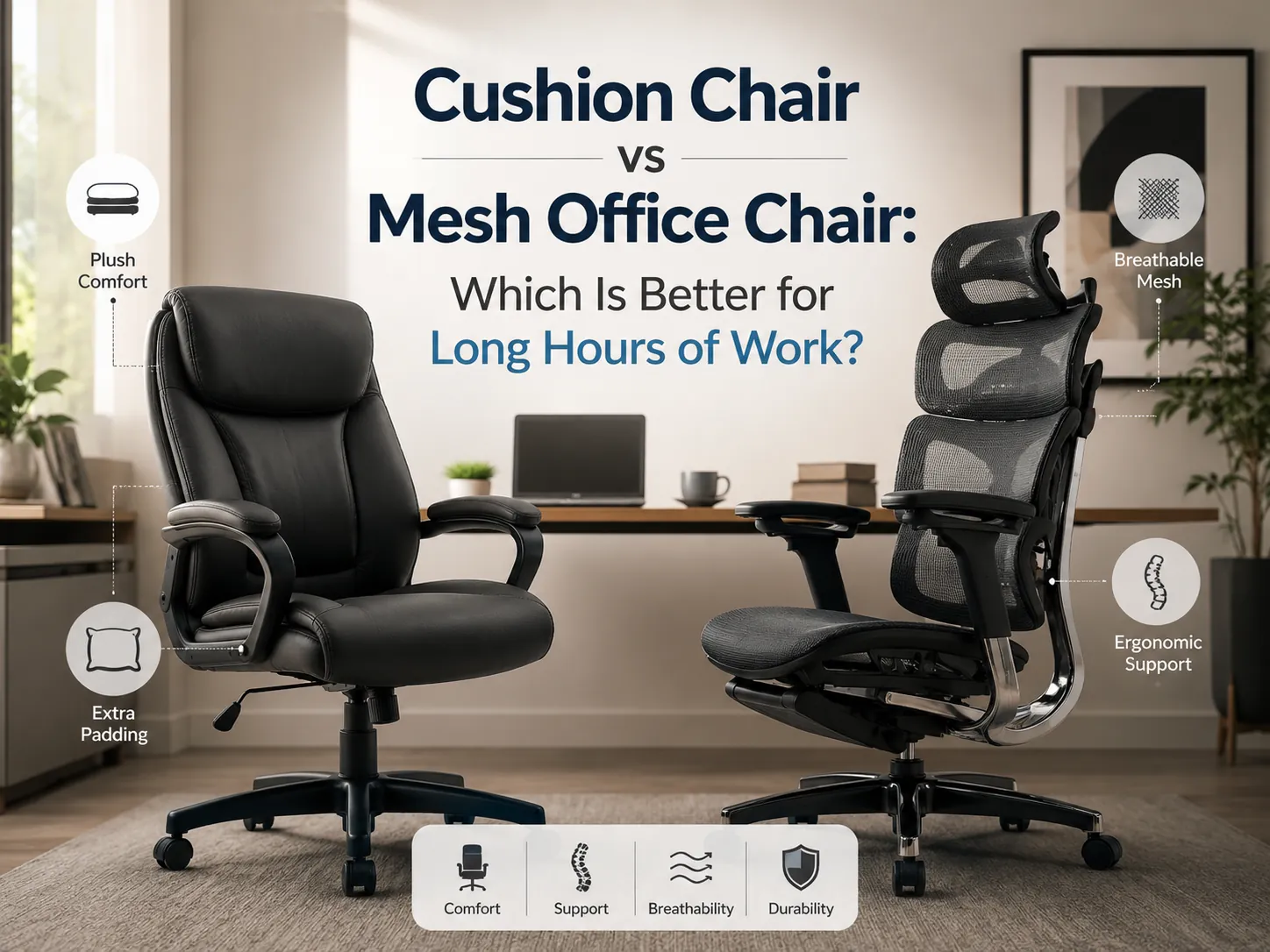
- Mesh seats: Best for airflow and hot offices, but they lose tension over time.
- Foam cushions: Provide firm support for long periods, but they can trap body heat.
- Weight limit: Check the manufacturer’s max capacity, as mesh can sag if you exceed it.
- Maintenance: Mesh is easy to vacuum, while fabric cushions require deeper cleaning for spills.
- Durability: High-density foam lasts longer than standard mesh, which may stretch after years of use.
Why seating material affects your comfort
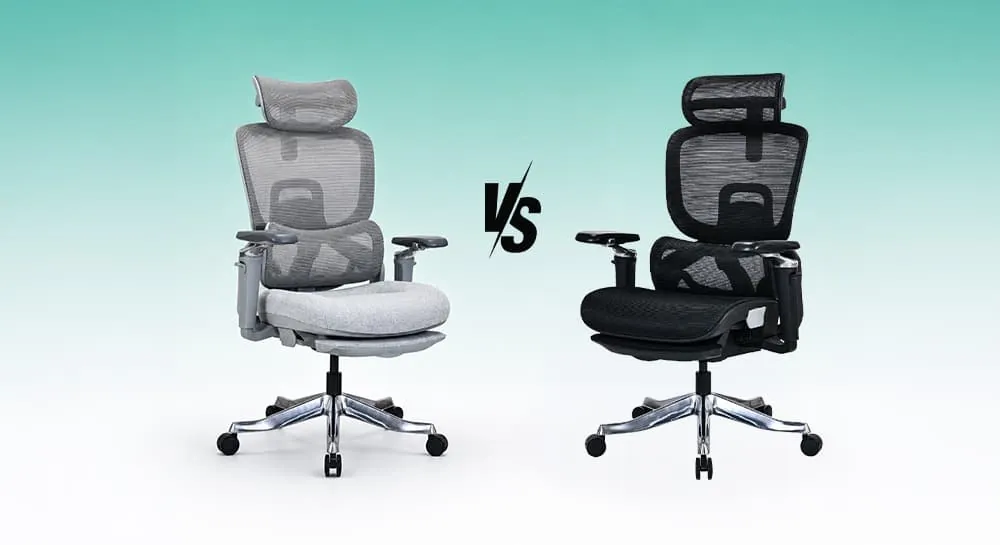
The primary reason to choose one over the other is how the material handles body weight and temperature. Mesh is a tensioned fabric that suspends your weight, which prevents the buildup of heat by allowing air to circulate under your body. This makes it an ideal choice if you live in a warm climate or work in a room without strong air conditioning.
Conversely, foam cushions rely on density to distribute your weight across a wider surface area. This reduces pressure points on your tailbone and thighs. According to the Occupational Safety and Health Administration, a chair should have enough padding to prevent pressure on the underside of your thighs. If you choose a foam cushion, look for high-density molded foam that resists bottoming out. If your chair feels too hard, the density is likely too low for your body weight.
Comparing chair seating options
| Situation | What changes | What to do instead |
|---|---|---|
| You run very hot | Airflow is needed | Use a mesh seat |
| You have back pain | Support is required | Use a foam cushion |
| You’re heavy | Tension limits apply | Choose high-density foam |
| You work 8+ hours | Pressure relief needed | Use memory foam top |
| You have pets | Durability is key | Choose thick fabric cushion |
How to select the right seat
- Measure your current seat height to ensure your feet sit flat on the floor with your knees at a 90-degree angle.
- Test the mesh tension by pressing firmly in the center; it shouldn’t touch the frame underneath your weight.
- Check the foam density by pressing with your thumb; it should spring back immediately rather than leaving a deep indentation.
- Sit in the chair for at least 15 minutes to see if the material causes pressure on the back of your thighs.
- Verify the weight capacity in the manual, as mesh models often have lower weight limits than heavy-duty foam chairs.
- Adjust the seat depth so there’s a two-finger gap between the edge of the seat and your knee crease.
Mistakes that destroy your comfort
- Buying thin foam: Cheap, low-density foam flattens in weeks, forcing you to sit on the hard plastic pan.
- Ignoring chair size: A seat that’s too wide or deep prevents you from using the backrest properly.
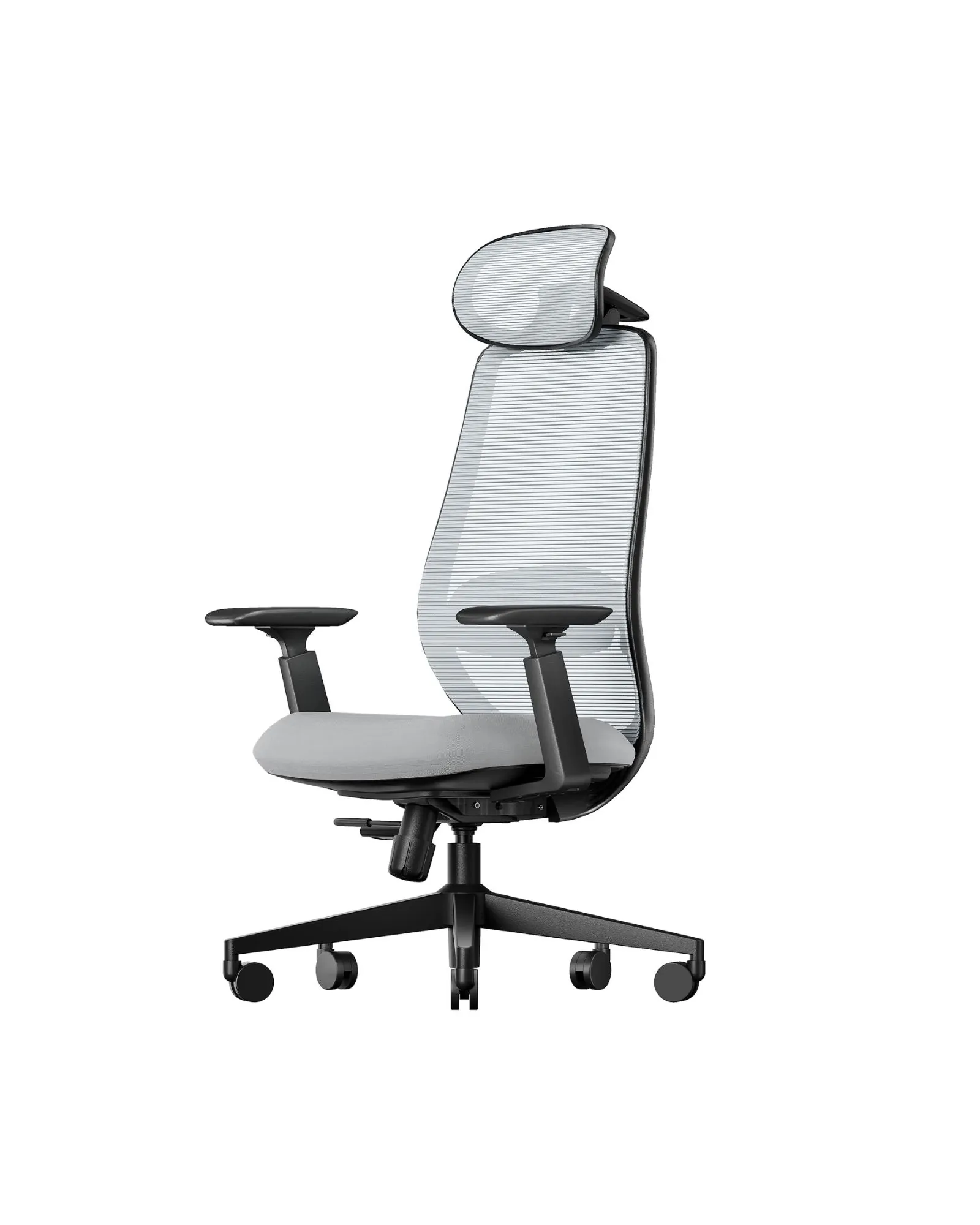
- Overlooking weight limits: Exceeding the weight rating on mesh chairs causes the frame to bend or the mesh to tear.
- Neglecting cleaning: Dust trapped in mesh or fabric leads to skin irritation and wears down the material fibers faster.
Frequently asked questions
Is mesh or cushion better for long hours?
Cushion seats are generally better for long hours because they provide consistent pressure distribution that prevents fatigue. Mesh is excellent for ventilation, but the frame can create pressure points on your thighs during extended sessions lasting more than four hours.
How long does a mesh seat last?
A high-quality mesh seat lasts for a long time depending on your daily usage and weight. You’ll know it’s failing when the material begins to sag or feels loose, which happens faster if you exceed the manufacturer’s weight limit.
Does mesh chair fabric sag over time?
Yes, mesh fabric naturally loses tension and stretches after thousands of hours of use. You can sometimes tighten the frame screws to restore some tension, but once the fibers themselves stretch, the chair will no longer provide proper support.
Is it safe to use a cushion on a mesh chair?
It’s safe, but it often defeats the purpose of the mesh by blocking airflow and changing your height. If you feel you need a cushion on a mesh chair, the chair likely doesn’t fit your body type correctly.
Why do my legs hurt on a mesh chair?
Your legs hurt because the hard frame around the mesh is pressing into your thighs. This happens if the seat depth is set too far forward or if the chair is too wide for your frame, creating pressure on your nerves.
Does cushion material matter for heat?
Cushion material matters significantly, as memory foam traps heat more than traditional open-cell foam. If you prefer a cushion but get hot, look for a seat with a gel-infused layer or a breathable fabric cover to help regulate your temperature.
Conclusion
The right choice comes down to your personal heat tolerance and the amount of time you spend seated. If you prioritize cooling, choose mesh, but if you need long-term support for your lower back, a high-density foam cushion is the better investment for your health.