

An office chair is a tool designed for prolonged seated work, providing essential support to your spine and posture. While it may seem like a simple piece of furniture, it serves as a critical medical support for your daily health.
Defining the office chair

- Adjust the seat height so your feet remain flat on the floor.
- Keep your knees level with your hips to maintain proper circulation.
- Use lumbar support to fill the gap between your back and the chair.
- Ensure the armrests allow your shoulders to stay relaxed and low.
- Check the seat depth to leave two fingers of space behind your knees.
- Pick a chair with a breathable fabric if you work in warm rooms.
Why ergonomic support matters for your health
The core purpose of a chair is to reduce physical strain while you sit for long hours. When you sit without support, your lower back muscles work too hard to keep you upright, which leads to fatigue and pain. A well-designed chair uses a curved backrest to follow the natural shape of your spine. This keeps your posture neutral, preventing the “slouch” that compresses your discs over time.
You can verify the safety and design standards of such furniture by checking the ANSI/HFES 100-2007 Human Factors Engineering guidelines. These standards explain why specific angles for your arms and legs are vital for long-term health. If your chair lacks these features, your body compensates by shifting weight, which eventually causes strain in your neck and shoulders. This varies by model — check the label on your chair to see if it meets these specific engineering benchmarks for office equipment.
When the answer is different

| Situation | What changes | What to do instead |
|---|---|---|
| Tall users | Seat depth needs | Get an adjustable seat pan |
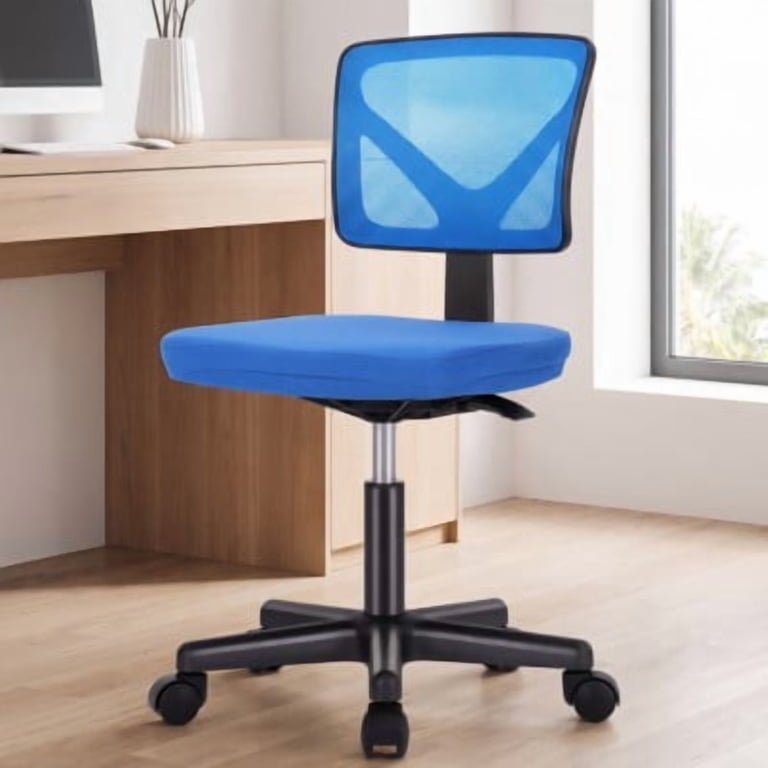
| Small spaces | Chair dimensions | Choose a armless task chair |
| Soft flooring | Wheel type | Use hard nylon casters |
| Long shifts | Foam density | Look for high-resilience foam |
| Standing desks | Chair height | Use a tall drafting stool |
How to do it properly
- Place your feet flat on the ground; if they dangle, use a footrest to keep your thighs parallel to the floor.
- Adjust the seat height using the lever under the right side; your knees should be at a ninety-degree angle to the floor.
- Slide the seat pan forward or backward; you must have a gap of two inches between the edge and your knee crease.
- Position the lumbar support so it presses firmly against the curve of your lower back, preventing you from hunching your shoulders.
- Set the armrest height so your elbows rest lightly without shrugging your shoulders; keep your forearms parallel to your desk surface.
- Tilt the backrest to a position between ninety and one hundred degrees to allow for slight movement while you’re working.
The mistakes that ruin it
Locking the backrest in a rigid position prevents natural movement and increases muscle stiffness.
Setting the armrests too high causes tension in your neck that leads to daily headaches. You should adjust them until your shoulders remain relaxed and your elbows form a perfect 90-degree angle.
Sitting on the edge of the seat removes all lumbar support and strains your lower back muscles.
Using a chair with worn-out foam forces your pelvis to tilt, which misaligns your entire spine.
Frequently asked questions
Can a chair fix back pain?
No, a chair can’t fix existing medical conditions, but it prevents further strain. If you have chronic pain, consult a doctor or a physical therapist to see if your current seating is contributing to the problem.
How long should an office chair last?
Most high-quality chairs last between seven and ten years. This varies by model — check the label or the manufacturer’s warranty information to see the expected lifespan for your specific components, like the gas lift.
Is it safe to sit in a chair without arms?
Yes, it’s safe, provided you have enough desk space to support your forearms. If your arms hang unsupported while you type, you’ll likely develop strain in your upper traps and neck muscles.
What happens if the seat is too deep?
You’ll be forced to sit forward to reach your keyboard, which leaves your lower back unsupported. This posture causes you to slouch, putting unnecessary pressure on your lumbar discs throughout the work day.
Does it matter if the chair has wheels?
Yes, wheels allow you to reach items on your desk without overextending your torso. If you must reach for something, roll the chair closer rather than stretching, as stretching causes sudden strain on your core muscles.
Why does my chair sink down?
The pneumatic gas cylinder has likely lost its seal and can no longer hold your weight. This is a common mechanical failure; you should contact the manufacturer to see if a replacement part is available.
Final Thoughts
Investing in a quality seat isn’t just about comfort; it’s about protecting your body for years to come. Take a moment to adjust your height and lumbar support today. You’ll find that even small tweaks make a big difference in how you feel when you finally clock out for the evening.