
A rolling chair is a seat mounted on a base with wheels that allow you to move across a floor without standing up. These chairs are standard in office settings and medical facilities because they enable quick, smooth movement between different workspaces or tasks.
Why a rolling chair improves your range of motion
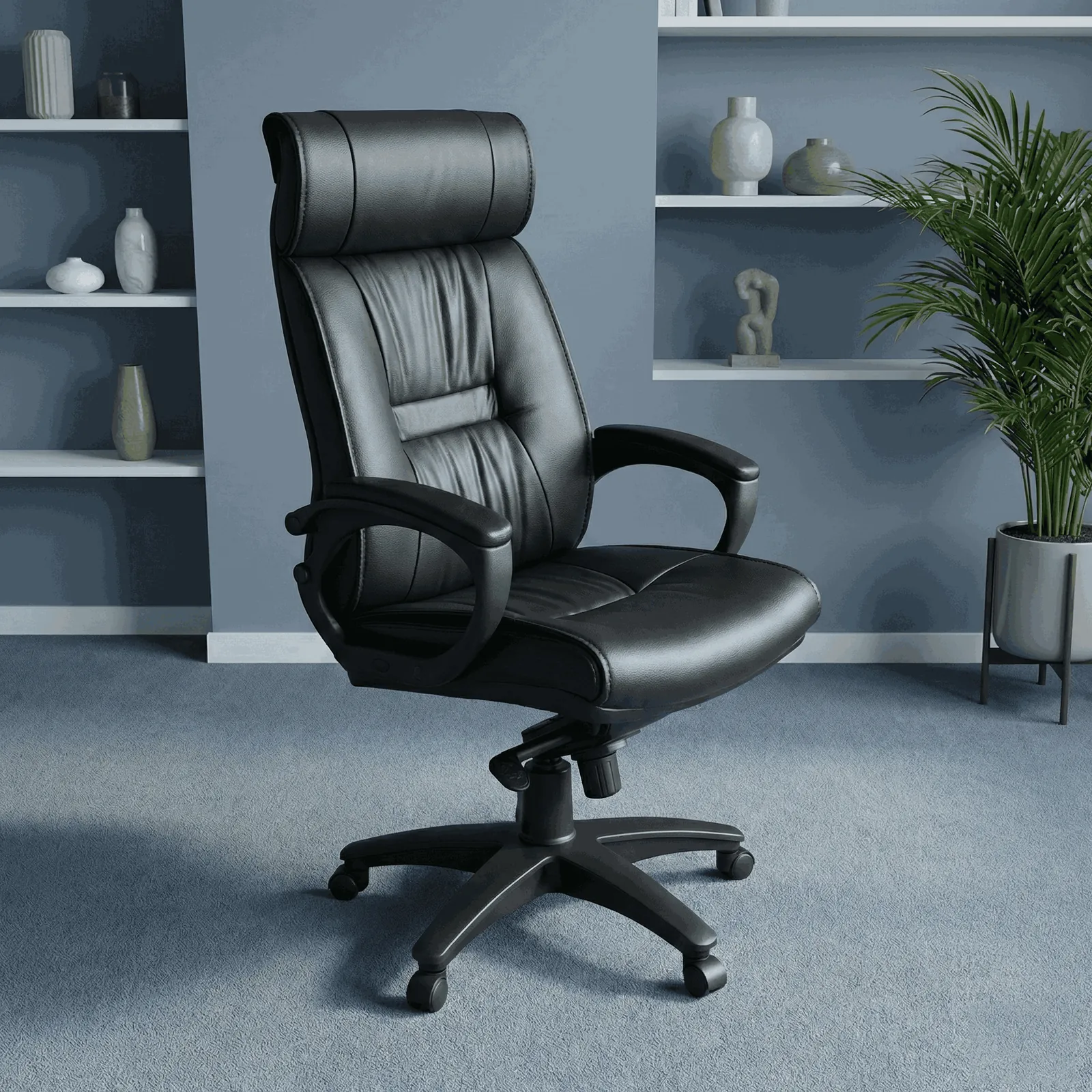
The primary purpose of this furniture is to increase your range of motion while you remain seated. By using a base with casters, you avoid the physical strain of constantly standing and repositioning a heavy, stationary chair. This design helps you maintain a natural flow of work, especially if your desk layout requires reaching for tools or documents located at different points.
If you work on a hard surface, you need soft-tread wheels to prevent floor damage. Conversely, if you have a thick carpet, you must choose a chair with larger, harder wheels to avoid getting stuck.
A major trade-off is that these chairs are less stable than four-legged chairs. They aren’t suitable for children or anyone who has trouble with balance, as the chair can slide away unexpectedly if you sit down too quickly. People often make the mistake of buying the cheapest model available, which leads to poor caster quality and broken wheel pins within months.
Variations in base design
| Situation | What changes | What to do instead |
|---|---|---|
| Hard wood floors | Wheel material | Use soft rubber casters |
| Thick carpet | Wheel diameter | Use larger, harder wheels |
| Heavy weight | Base construction | Choose steel, not plastic |
| Small office space | Footprint size | Select a armless model |
| High-traffic areas | Bearing quality | Buy industrial-grade casters |
When selecting a base, verify your floor type first. Hardwood surfaces demand soft polyurethane wheels to prevent permanent scratching or finish degradation.
For carpeted rooms, prioritize diameter over material. Opt for wheels at least 65mm in diameter to maintain smooth movement.
If you weigh over 220 pounds, avoid plastic bases entirely. Plastic fatigue causes hairline fractures that lead to sudden, catastrophic failure. Invest in reinforced steel or aluminum alloy to ensure stability.
Finally, check your clearance. If your desk has a low apron, choose a base with a smaller radius to allow the chair to tuck in completely. This saves valuable floor space in tight cubicles.
How to maintain your chair
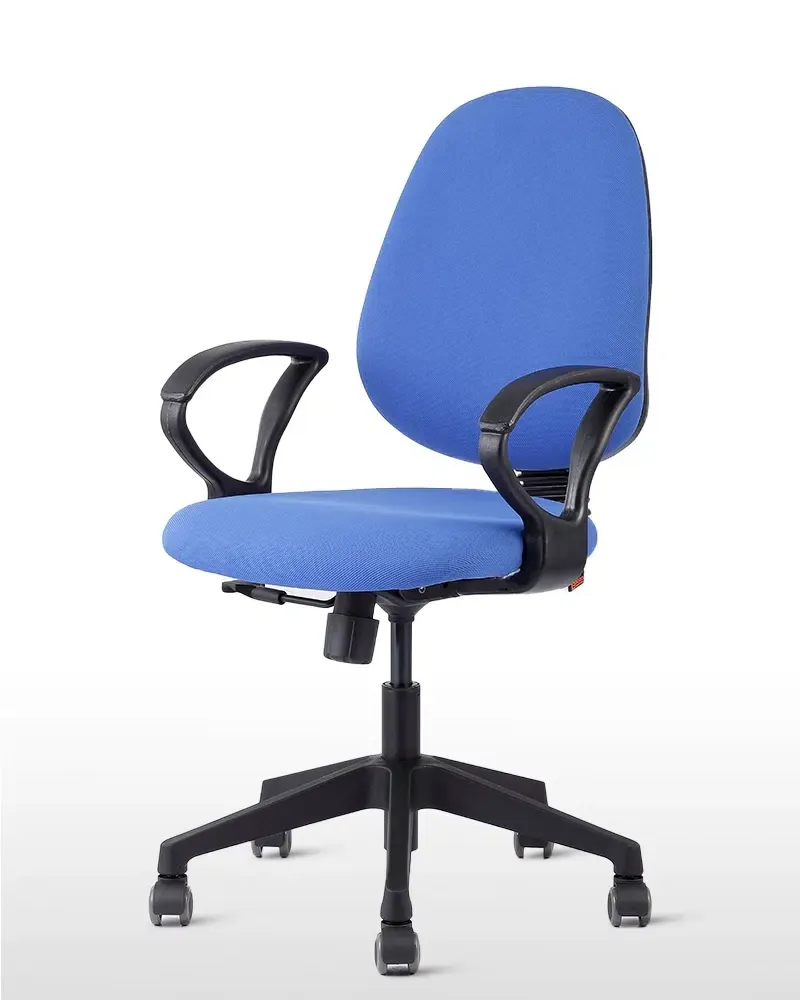
- Flip the chair upside down to get a clear view of the wheel housing and the central base connection.
- Use a pair of tweezers to pull out any hair, dust, or carpet fibers wrapped around the metal wheel axles.
- Check that each caster clicks firmly into the base socket; if it feels loose, the plastic stem is likely worn down.
- Apply a small amount of silicone-based lubricant to the swivel point if the wheels don’t turn smoothly when pushed.
- Tighten the central bolt under the seat using an Allen wrench if the chair feels wobbly or leans to one side.
- Test the roll on a flat surface; the chair should move with a light push without making grinding or squeaking sounds.
Errors that destroy mobility
- Ignoring stuck wheels causes the plastic base to drag, which will leave permanent scratches on your flooring.
- Using a chair on a surface it wasn’t built for, like concrete, quickly shreds the wheel surface.
- Failing to clean debris from the axles forces the bearings to work harder, eventually snapping the internal components.
- Placing too much weight on the edge of the seat causes the base to tip over, which is a major safety risk.
Frequently asked questions
Can I replace the wheels on my current chair?
Yes, you can replace the wheels on most office chairs by pulling the old ones out of the socket. You must measure the stem diameter of your current wheels first, as they’re usually either 10mm or 11mm in size.
Is it safe to use a rolling chair on hardwood?
It’s safe only if you use soft, polyurethane-coated wheels that prevent scratching. Hard plastic wheels will damage wood finishes over time, so you should verify the wheel material matches your specific floor type before daily use.
Why does my chair make a loud squeaking sound?
The sound usually comes from dry bearings or debris trapped inside the caster housing. You can fix this by cleaning out any hair or dust and applying a small amount of silicone lubricant directly into the moving parts.
How much weight can a standard chair hold?
Most standard office chairs are rated to support 250 pounds, but you should check the manufacturer label on the underside of the seat. For users over this weight, you must look for “heavy-duty” or “bariatric” models with steel bases.
Does the chair need a floor mat?
A mat is necessary if you’re using a chair on carpet to ensure smooth movement and protect the floor fibers. On hard surfaces, a mat is optional, though it can help keep the chair from sliding away too easily.
How long should the wheels last?
The wheels typically last for a long duration with daily use in a home office environment. If you notice the chair is getting harder to push or the wheels stop turning, it’s a sign that the bearings have worn out.
Conclusion
Choosing the right base and wheel type for your specific floor is the most important step to keep your chair functional. Always check the weight rating and floor compatibility before you make a final selection to ensure the chair stays safe and easy to move.