
No, an office chair that can be a bed is usually not a standard product you’ll find in typical furniture stores. Most desk chairs are designed for upright posture, so you need a specialized “reclining office chair with footrest” to get close to a flat sleeping position.
Finding the perfect bed office chair
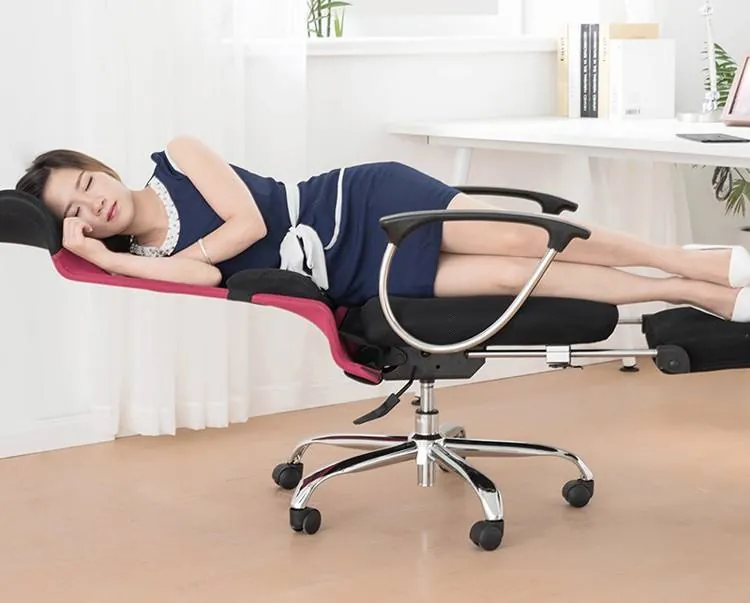
You must look for specific features to ensure the chair is safe and comfortable for short naps. A standard task chair will tip over if you lean back too far without proper weight distribution.
| Your situation | Answer | Why |
|---|---|---|
| Need a full flat nap | Yes | Needs 180-degree recline |
| Back pain issues | Sometimes | Requires lumbar support |
| Tight office space | No | Large footprint when flat |
| Occasional 20-minute nap | Yes | Footrest provides stability |
| Using for overnight sleep | No | Lacks firm spinal support |
What decides if it works
The primary factor is the chair’s center of gravity and the strength of the reclining mechanism. Most standard office chairs use a simple tilt lock that isn’t meant to hold a person’s full weight in a horizontal position. If the base is too small or the wheels aren’t locked, the chair can tip backward when you shift your weight.
Manufacturers use specific safety standards to test the durability of these reclining mechanisms. You can verify if a chair meets ANSI/BIFMA safety standards by checking the product manual or the manufacturer’s technical specifications page.
If the chair is rated for high-frequency reclining, it will hold your weight safely; if it’s a basic model, the internal springs may fail under constant pressure. If you’re tall, choose a chair with an extendable headrest; if you’re short, ensure the footrest is adjustable to prevent leg strain.
How to use a reclining chair safely
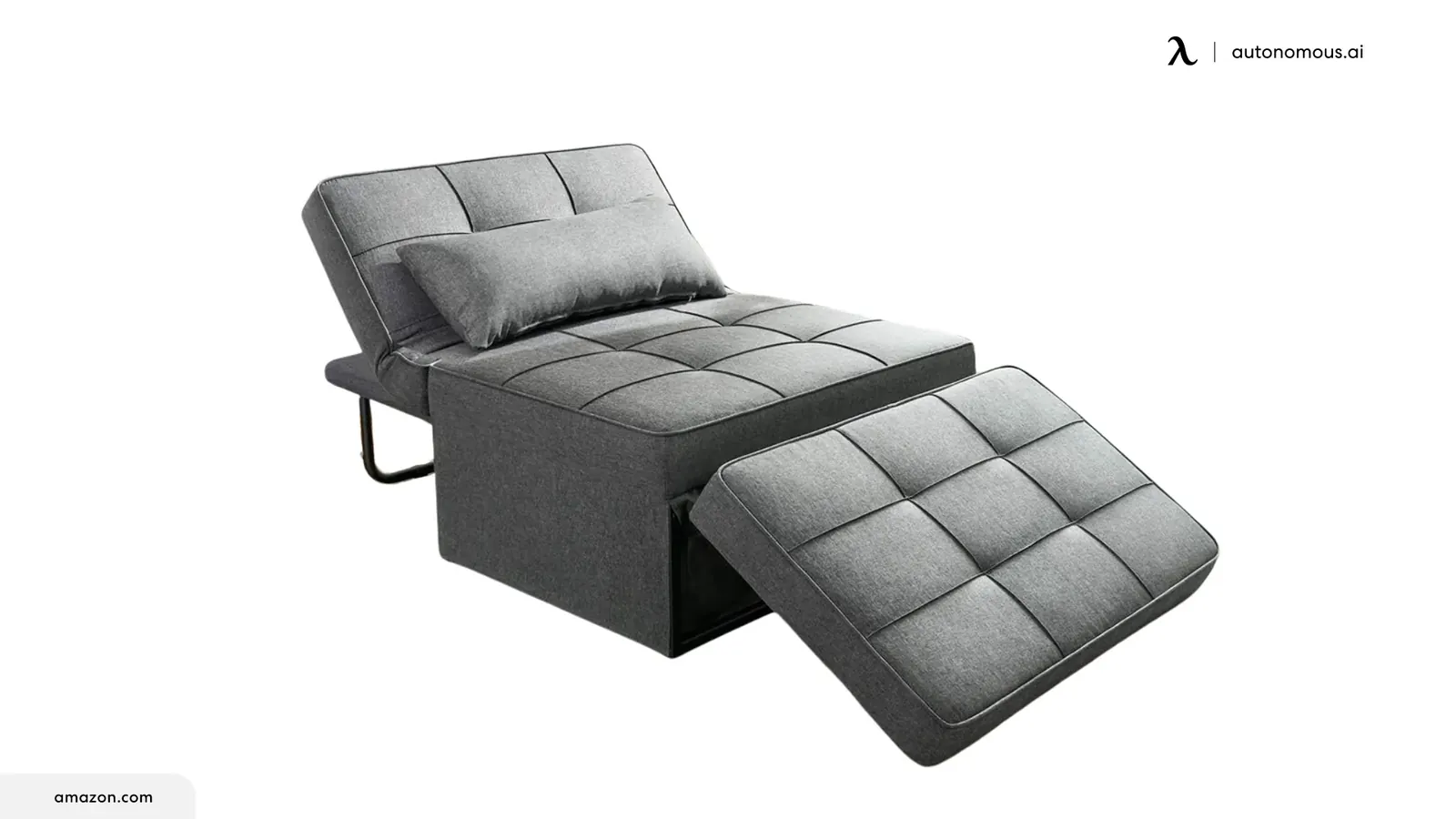
- Lock the wheels to ensure the base remains stationary on your floor.
- Engage the recline lock carefully by pulling the lever while leaning back slowly.
- Extend the footrest fully before you shift your weight toward the backrest.
- Test the balance by putting light pressure on the backrest before lying down.
- Set a timer for no more than 20 to 30 minutes to avoid waking up with stiff muscles.
The mistake people make
Many people ignore the weight capacity rating when choosing a reclining chair. A chair built for a 200-pound user will likely break its reclining hinge if a heavier person uses it to lie down fully. This often leads to a bent metal frame or a broken backrest mechanism that can’t be repaired.
You should always check the manufacturer’s weight limit on the underside of the seat or in the assembly guide before you attempt to use it as a sleeping surface.
When to stop and get help
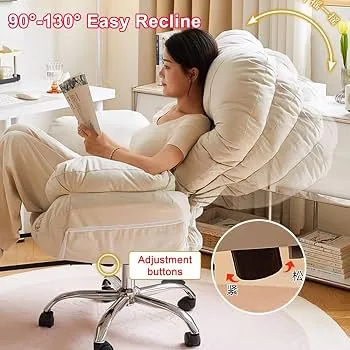
- The chair wobbles when you recline, which suggests the base is too narrow for your height.
- You hear metal clicking sounds, meaning the reclining hinge is under too much stress.
- The backrest doesn’t lock firmly in place, which creates a risk of falling backward.
- You feel persistent back pain after short naps, indicating the chair lacks proper ergonomic support.
If you experience these issues, stop using the chair for sleeping immediately. A professional furniture technician or a physical therapist can help you find a chair that supports your specific spinal alignment.
Frequently asked questions
Can I sleep in an office chair every night?
No, it isn’t recommended for overnight sleep because these chairs don’t provide the spinal alignment required for long-term health. They’re designed for short, occasional rests rather than eight hours of rest.
How much weight can these chairs hold?
Most reclining office chairs support between 250 and 300 pounds, but you must check the specific model’s manual. Exceeding this weight can cause the hydraulic lift or the reclining mechanism to fail suddenly.
Is it safe to nap in a chair with a footrest?
Yes, it’s safe if the footrest is integrated into the frame and the chair base is wide enough to prevent tipping. Always ensure the chair is on a flat, level surface before reclining.
How long should I nap in a chair?
You should limit naps to 20 or 30 minutes to avoid muscle stiffness. Napping longer than this in a seated or semi-reclined position often leads to neck and lower back discomfort.
Does it matter if the chair has wheels?
Yes, it matters because wheels can roll unexpectedly while you’re lying down. Always use a chair with locking casters or place it on a carpeted area to prevent unwanted movement while you rest.
What happens if the recliner lock breaks?
The backrest will likely snap backward, potentially causing you to fall out of the chair. If the lock feels loose or fails to click into place, stop using the recline feature and contact the manufacturer.
Choosing a chair for resting
Start by checking the weight capacity listed in the product specifications to ensure it matches your body type. Most standard residential chairs are rated for 250 pounds, but heavy-duty models accommodate up to 400.
You’ll know the chair is safe if the backrest stays locked under your full weight without shifting. If the frame creaks or the legs splay outward when you sit, the materials are likely too thin for your frame.
Stop immediately if you feel the chair tipping or the frame bending. A common mistake is ignoring minor wobbles, which leads to structural failure. If you weigh within 20 pounds of the limit, choose a reinforced steel frame rather than plastic to ensure long-term stability.