
You can build a comfortable mobile seat in about three hours if you have the right parts, and constructing a rolling chair is a medium-difficulty project that requires basic tools. This task typically costs between $40 and $80 depending on the quality of the casters you choose. You must have a sturdy chair frame or a wooden base ready before starting.
Necessary parts and tools

| Item | How much | Why it’s needed | A substitute |
|---|---|---|---|
| Mounting plates | 5 units | Secures wheels to base | Heavy-duty steel brackets |
| Wood screws | 20 units | Fastens plates to wood | Bolts with lock nuts |
| Electric drill | 1 unit | Creates pilot holes | Manual hand drill |
| Measuring tape | 1 unit | Ensures centered placement | Ruler |
| Safety glasses | 1 pair | Protects eyes from debris | none — don’t swap this |
Preparation before assembly
- Clear a flat, level floor space to work on so your measurements remain accurate.
- Turn the chair upside down and remove any existing feet or glides to expose the frame.
- Cover your floor with a drop cloth to prevent scratches while you work.
- Check the CPSC furniture stability guidelines to ensure your modifications don’t create a tipping hazard.
- If your chair legs are hollow metal, you need threaded inserts rather than standard wood screws.
Steps to install your casters
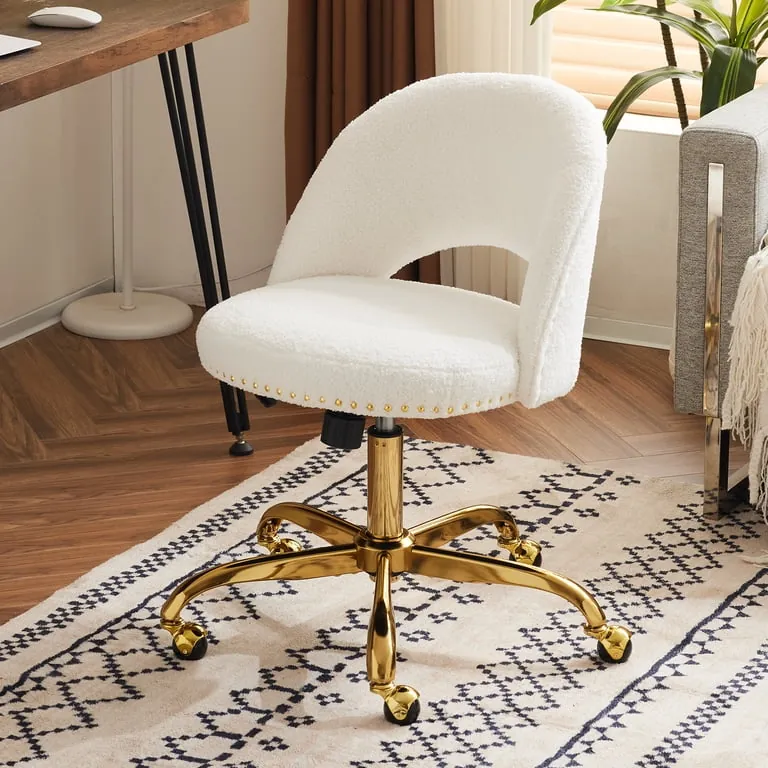
- Measure the exact center of each chair leg or the corners of your wooden base.
- Mark these points with a pencil to ensure the wheels align for balanced weight distribution.
- Drill a pilot hole at each mark using a bit slightly smaller than your screw diameter.
- Position the mounting plate over the hole and align it with your pre-drilled pilot marks.
- Drive a screw into each hole of the plate until the hardware feels fully locked tight. Repeat this process for all legs to ensure the chair remains level during use.
- Flip the chair back onto its wheels carefully to check for any wobbling or tilt.
- Tighten any loose screws if you notice the chair leaning to one side while sitting.
- Verify the wheels roll freely across your floor surface without catching on floor seams.
Testing your rolling chair
Check that the chair sits level on the ground by applying light downward pressure to the center of the seat. If it rocks or feels uneven, check if one caster is screwed in tighter than the others. A successful build will glide silently across the floor without any grinding sounds. If you hear clicking or scraping, inspect the wheel housings for trapped debris or loose mounting hardware before you use the chair for long periods.
Troubleshooting common issues
| What happened | Why | What to do |
|---|---|---|
| Chair wobbles | Uneven leg height | Add a washer spacer |
| Wheels stick | Debris in bearing | Clean with compressed air |
| Screws loosen | Vibration during movement | Use thread locker fluid |
| Floor scratches | Hard plastic wheels | Apply rubberized pads |
| Chair tips | Center of gravity shift | Move wheels further out |
Maintenance schedule
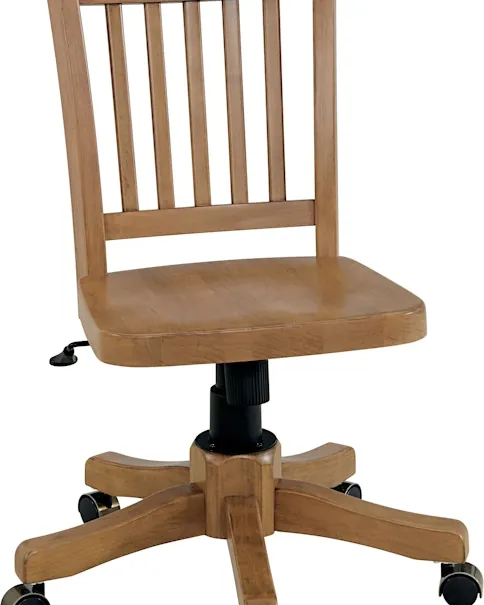
You should inspect the casters every three months to ensure safety and function. The two factors that change this frequency are the weight of the person using the chair and the roughness of your floor surface. If you use the chair on carpet, you’ll need to check the axles for hair and dust buildup more often. Always tighten any loose hardware immediately to prevent the mounting plates from stripping the wood.
Frequently asked questions
Can I use any type of caster wheel?
You should select wheels rated for the weight of the user plus the chair frame. Hard nylon wheels work well on carpet, while soft rubber wheels are better for hardwood or tile floors.
Why does my chair roll away when I stand up?
Your chair moves because the floor isn’t perfectly level or the wheels lack a locking feature. You can purchase casters with built-in brakes to stop the movement when needed.
Is it safe to add wheels to a tall stool?
You should avoid adding wheels to tall, narrow stools because they increase the risk of tipping over. Stability decreases significantly as the seat height rises above the standard 18-inch range.
How long do the wheels usually last?
The wheels typically last for a variable duration depending on the daily usage and the material quality. You can check the manufacturer rating on the packaging for specific lifespan estimates.
What happens if the screws rip out of the wood?
You should fill the stripped holes with wood glue and dowels before drilling new pilot holes. Never try to reuse the same damaged hole, as it won’t hold the screw securely.
How many wheels should I use?
You should use a number of wheels that matches the number of legs on your chair base to ensure stability.
Conclusion
Building a rolling chair is a practical way to improve your desk setup using basic hardware. By taking your time during the measurement phase and choosing the right wheels for your specific floor type, you’ll create a stable seat that lasts for years. Always prioritize safety by checking your hardware regularly, especially if you notice any changes in how the chair feels while you’re sitting in it.