
You can easily make a chair swivel by installing a heavy-duty steel bearing plate between the seat bottom and the legs. This modification requires basic tools and allows you to transform a stationary piece of furniture into a functional, rotating seat. Depending on the complexity of your chair’s base, this project involves removing the existing seat, aligning a new swivel mechanism, and securing it with high-strength bolts.
Key Takeaways
- Always measure your mounting surface before purchasing a swivel plate.
- Use metal-to-wood screws or machine bolts with T-nuts for security.
- Check that the swivel mechanism is rated for your body weight.
- Ensure the seat remains centered to prevent tipping hazards.
- Lubricate ball bearings periodically to maintain smooth, silent rotation.
How to make a chair swivel
To convert a static chair, you must purchase a universal swivel plate. These units are typically square or circular steel plates featuring a ball-bearing race in the center. First, detach the seat from the existing legs or pedestal.
If the chair uses a wooden frame, you’ll likely need to drill pilot holes to match the mounting pattern of the swivel. For metal pedestals, you may require a mounting bracket adapter to bridge the gap between the chair base and the new rotating plate.
Required tools and materials
| Item | Purpose |
|---|---|
| Swivel Plate | Provides the rotation mechanism |
| Power Drill | Creates pilot holes for fasteners |
| Measuring Tape | Ensures the plate is perfectly centered |
| Wood Screws | Secures the plate to the seat |
| Socket Wrench | Tightens bolts to the chair base |
Assessing weight capacity
Safety is paramount when modifying furniture for mobility. Every swivel mechanism lists a weight limit based on the size and quality of the ball bearings. Exceeding these limits can cause the metal to warp or the bearings to collapse. According to the ANSI/BIFMA X5.1 Office Furniture Standards, furniture intended for commercial use must undergo rigorous testing to ensure structural integrity under load. Always verify that your chosen hardware meets or exceeds your specific needs.
Preparing the seat base
Before installation, verify the structural integrity of your chair’s seat. If the wood is soft, cracked, or rotted, adding a swivel will concentrate all your weight on a small center point, which can lead to a structural failure. Reinforce the area by attaching a piece of three-quarter-inch plywood to the underside of the seat if the existing material is too thin. This creates a solid foundation for the mounting hardware to grip securely.
Installing the swivel plate
Center the swivel plate on the underside of the seat. Use a pencil to mark the screw locations through the holes in the plate. Remove the plate and drill small pilot holes, being careful not to drill all the way through the seat cushion. Align the plate again and drive the screws in a star pattern to ensure even pressure.
Pro Tip: Use a locking washer on each bolt to prevent the constant motion of swiveling from loosening the fasteners over time.
Connecting to the legs
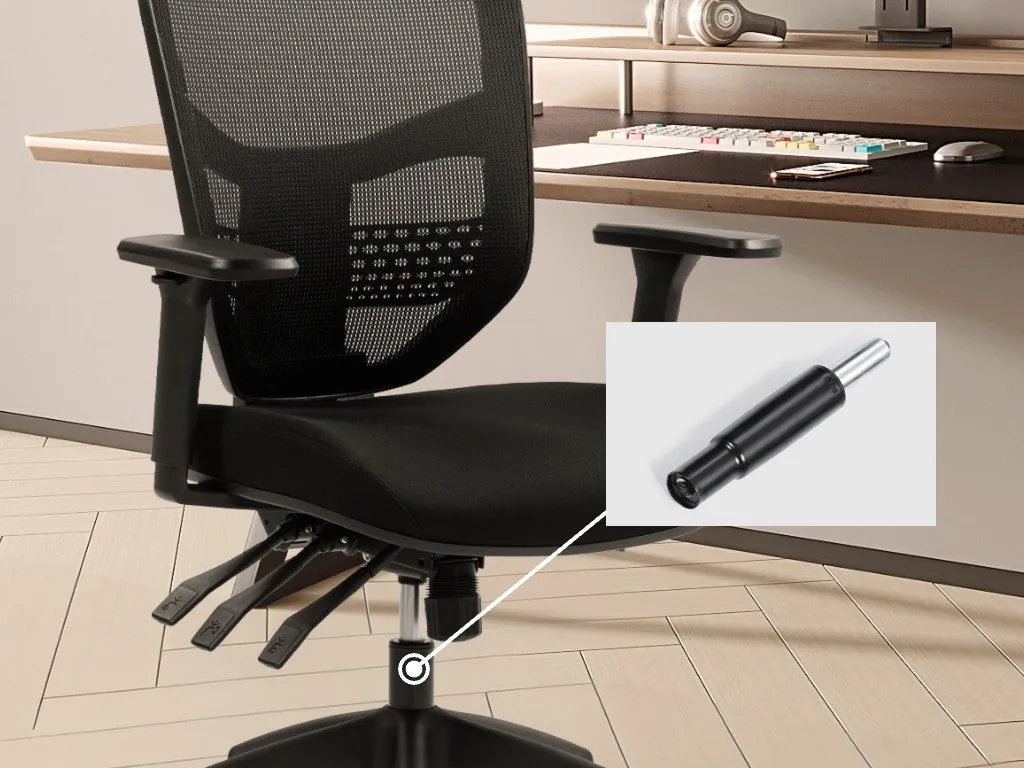
Once the plate is attached to the seat, you must connect the bottom half of the swivel to the chair legs. If you’re using a pedestal base, ensure the center hole aligns perfectly with the gas lift or central column. If you’re attaching to four wooden legs, you may need to build a small platform or “spider” frame to provide a flat surface for the swivel to sit on. This structural support prevents the chair from wobbling during use.
How do you maintain a swivel?
Over time, dust and debris can accumulate in the ball-bearing race, causing the chair to grind or stick. To keep the motion fluid, occasionally spray a small amount of silicone lubricant directly into the race while rotating the chair. Avoid heavy grease, which attracts dirt and can eventually gum up the bearings. If the swivel begins to make a clicking sound, check for loose bolts or debris caught in the mechanism.
Troubleshooting common issues

| Problem | Likely Cause | Solution |
|---|---|---|
| Wobbling | Uneven mounting | Use shims or adjust bolts |
| Stiff rotation | Lack of lubrication | Apply silicone spray |
| Grinding noise | Debris in bearings | Clean with compressed air |
| Loose plate | Stripped screw holes | Use wood filler and re-drill |
Frequently Asked Questions
Can I add a swivel to any chair?
Most dining or office chairs can be modified, but chairs with delicate legs or non-flat undersides are difficult to convert. You need a solid, flat surface to mount the plate securely. If your chair has a molded plastic shell or a complex, curved frame, the installation process becomes significantly more complicated and may require custom-fabricated metal brackets to function safely.
How much weight can a swivel hold?
Standard heavy-duty swivel plates typically support between 300 and 500 pounds. Always check the manufacturer’s specifications on the packaging, as smaller plates intended for bar stools or light-duty use may only be rated for 200 pounds. Never rely on guesswork; if you’re unsure, choose a plate with a higher weight rating to ensure long-term durability and safety for all users.
Does the swivel add height to the chair?
Yes, installing a swivel plate typically adds between one and two inches of height to your chair. This can affect your ergonomics, especially if you’re using the chair at a standard dining table or a computer desk. If the added height makes the chair uncomfortable, you may need to trim the bottom of the chair legs to compensate for the change.
What is the best material for a swivel?
Steel is the industry standard for swivel mechanisms due to its strength and durability. While some plastic swivels exist, they’re generally intended for lightweight decor or very small projects. For a chair intended for daily use, prioritize heavy-gauge steel plates. These provide the necessary rigidity to support human weight without bending or failing during the natural, repetitive motion of swiveling.
Is professional installation required?
Professional installation is rarely required if you have basic woodworking tools and experience with home repairs. However, if you’re uncomfortable drilling into your furniture or working with metal fasteners, a local handyman or furniture repair shop can perform the modification. The process is straightforward, but precision is required to ensure the chair remains balanced and doesn’t tip over when in use.
Conclusion
Upgrading your furniture with a swivel mechanism is a rewarding project that significantly improves the functionality of your seating. By carefully measuring your base, reinforcing the mounting area, and using high-quality steel hardware, you can achieve a professional result. Start your project by measuring your seat bottom today to determine the correct size for your new swivel plate.